Understanding a 100-Piece Mineral Specimen Collection
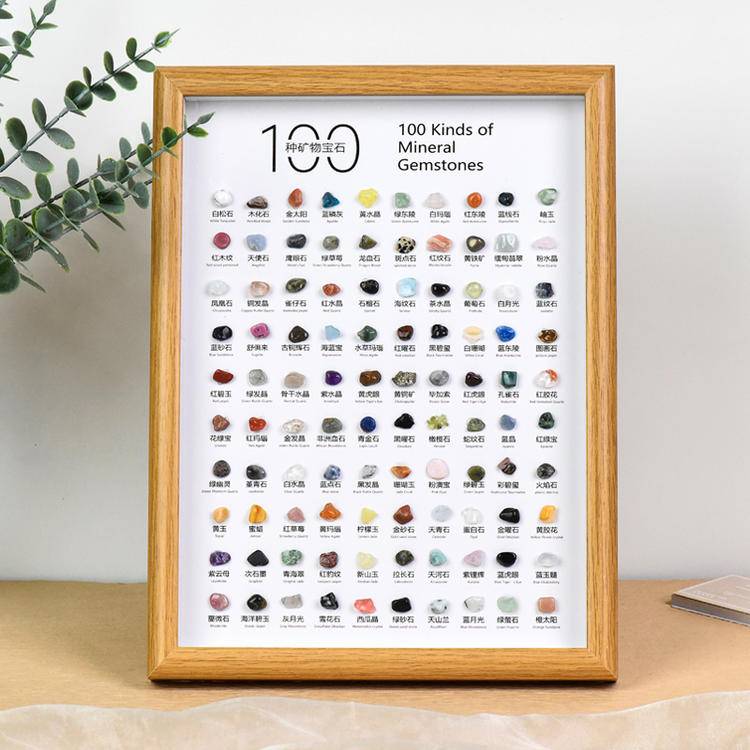
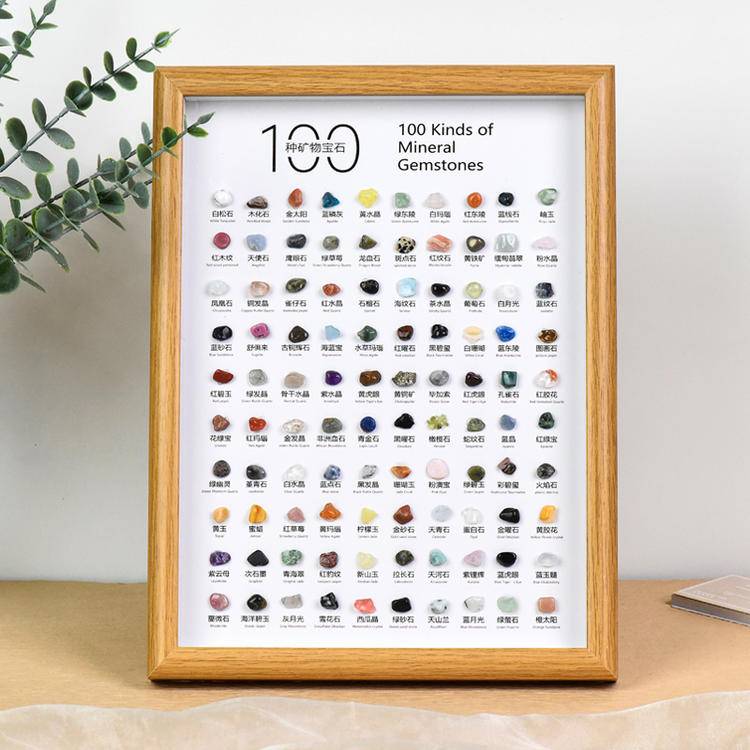
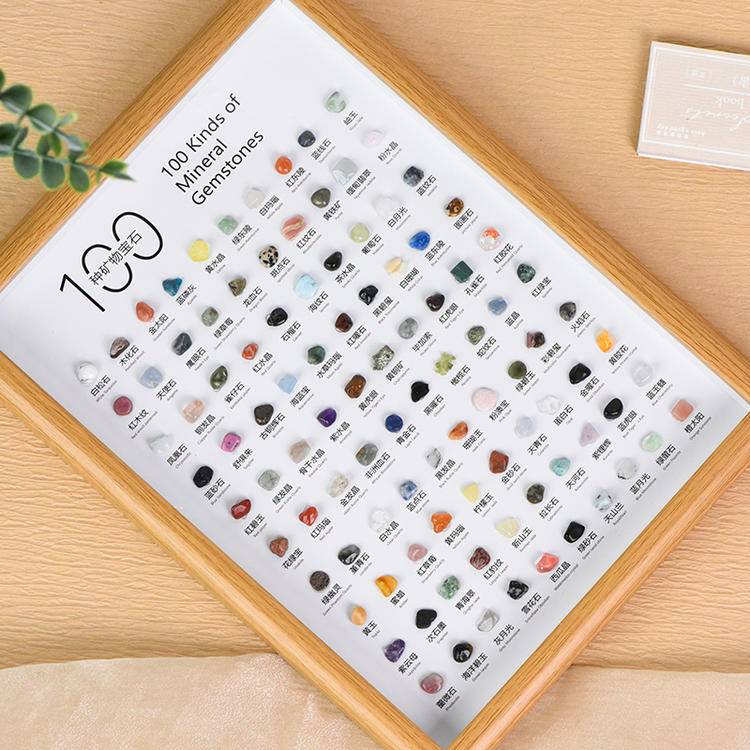
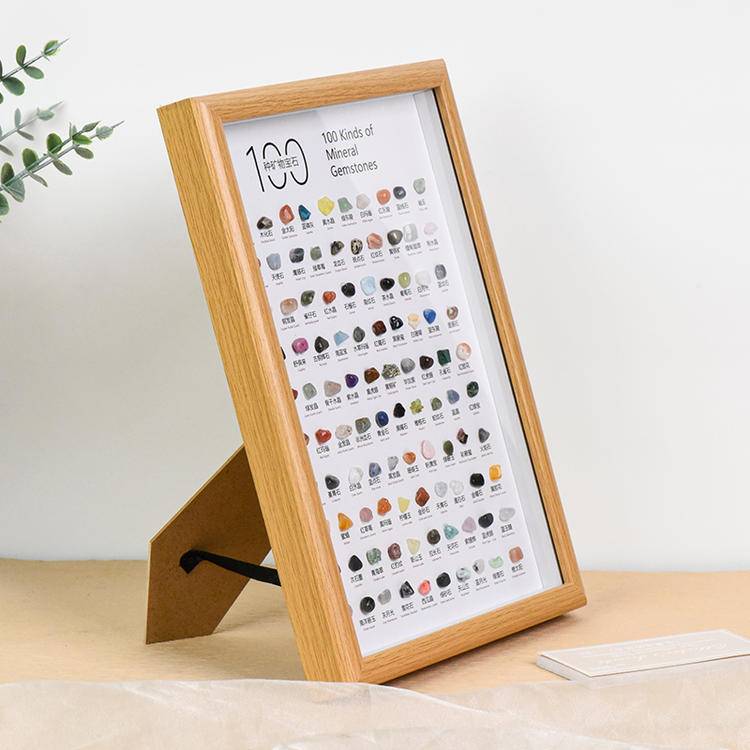
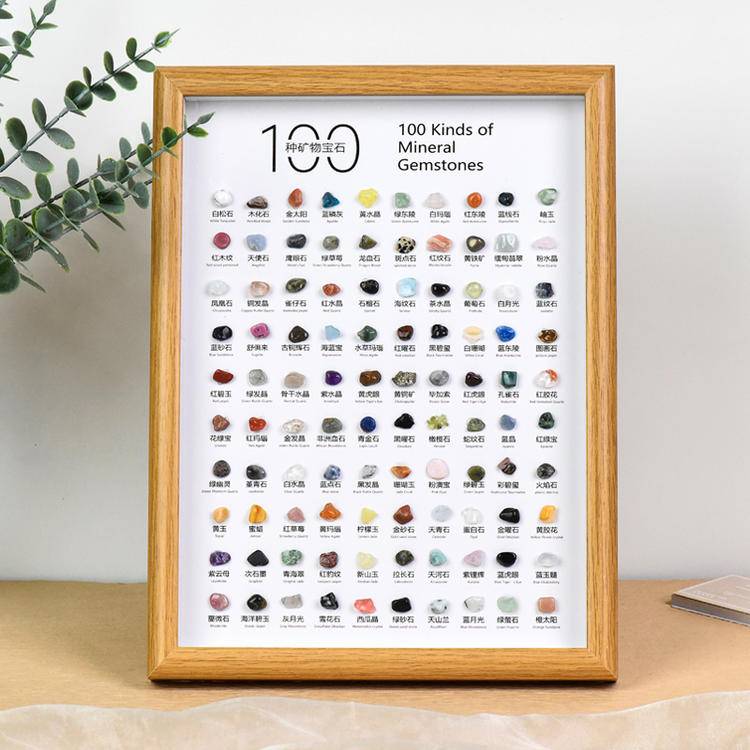
A collection described as 100 types of mineral specimens is best approached as a hands-on introduction to the variety found in the mineral world. Rather than focusing on a single decorative stone, the set is intended to let the owner compare many samples side by side. Color is usually the first feature people notice, but a useful examination also considers luster, transparency, visible crystal form, grain, texture, and the way a specimen reflects light. Quartz and calcite are familiar reference points, while the wider collection provides opportunities to notice how specimens that appear similar at first can have very different structures and surfaces.
The value of a broad specimen set is comparison. One isolated stone may be attractive, yet it is difficult to understand what makes it distinctive without other examples nearby. A larger group allows a learner to arrange specimens by appearance, create a personal identification system, photograph related pieces together, and revisit observations over time. It can serve as an accessible starting point for geology study, a visual resource for science education, or an organized display for someone who enjoys natural materials. The specimens should be treated as real geological samples rather than as identical manufactured objects, so natural differences in color, pattern, edge shape, and surface character are part of the experience.
What to Examine in Each Mineral Sample
Color, pattern, and variation
Color can help with description, but it should not be used as the only identification method. The same mineral may appear in more than one color because of trace elements, inclusions, weathering, or other natural conditions. Different minerals can also share a similar color. When reviewing a specimen, record whether the color is even or banded, whether the surface differs from the interior, and whether the sample contains veins, spots, or visible inclusions. Comparing those details across the collection produces a more useful record than simply labeling a specimen as blue, green, white, or red.
Luster and interaction with light
Luster describes how a surface reflects light. Some samples may look glassy, while others appear pearly, metallic, silky, waxy, or dull. Examine specimens under steady neutral lighting and turn each piece slowly instead of judging it from one angle. A bright photographic light can exaggerate reflections, while dim yellow room lighting can distort color. If you create a catalog, use the same background and lighting for every photograph so that later comparisons remain meaningful.
Crystal form, grain, and texture
Some specimens show obvious crystal faces or points; others appear massive, layered, fibrous, granular, or compact. Look at the boundaries between visible grains and note whether the specimen breaks into recognizable planes or has an irregular surface. Do not chip or scratch an unknown sample merely to test it. Destructive testing can damage a small specimen, release dust, or remove the feature that made it useful for study. Visual observation, reference books, and non-destructive comparison should come first.
Transparency and inclusions
Hold a specimen near a light source without placing it against a hot lamp. A sample may be transparent, translucent, or opaque, and different areas of the same piece may transmit different amounts of light. Internal clouds, needles, bands, fractures, and mineral inclusions can be particularly interesting under side lighting. A small magnifier can reveal details that are difficult to see with the unaided eye, but the specimen should remain supported over a soft surface to prevent accidental drops.
Ways to Organize the Collection
There is no single correct arrangement for a mixed mineral collection. A beginner may start with simple visual groups, then revise the system as identification improves. The important point is to keep labels and specimens connected. Numbered trays, small containers, or acid-free paper labels can help prevent names from becoming separated from their samples.
- By mineral name: Arrange alphabetically after identities have been checked against a reliable reference.
- By color family: Useful for display and visual comparison, although color alone does not establish identity.
- By luster: Group glassy, metallic, pearly, waxy, and dull-looking samples to practice descriptive observation.
- By crystal habit or texture: Compare pointed crystals, layered material, granular pieces, massive specimens, and fibrous-looking samples.
- By educational topic: Create temporary groups for classroom lessons about rocks and minerals, natural variation, observation, or classification.
A personal catalog makes the set more useful. Assign each sample a number and create a corresponding entry with its supplied name, visible characteristics, date received, photographs, and questions that still need research. If provenance or locality is not supplied, leave that field blank rather than guessing. Locality is an important scientific detail and should never be inferred from appearance alone.
Using the Specimens for Learning
For an introductory study session, select five specimens rather than placing all one hundred on the table. Describe each sample without looking at its label, using consistent terms for color, luster, transparency, texture, and visible form. Then compare the observations with the supplied identification and a trusted mineral reference. This method develops careful attention and shows which features are genuinely useful for distinguishing samples.
Students can also create a comparison chart. Choose two specimens that look similar and list at least three visible differences. Next, choose two that look very different and identify any shared feature. Another useful exercise is to photograph one sample under front, side, and back lighting. The resulting images demonstrate how lighting changes perceived color and transparency without changing the specimen itself.
A specimen set can support vocabulary practice as well. Terms such as mineral, crystal, rock, inclusion, matrix, luster, transparency, cleavage, fracture, and hardness describe different concepts and should not be treated as interchangeable. A mineral has a characteristic chemical composition and internal structure, whereas a rock can contain one or more minerals. Not every mineral sample displays a well-formed external crystal, and a visually attractive specimen is not automatically rare. These distinctions help keep observations accurate.
Display and Storage Considerations
Choose a stable display location away from the edge of shelves, strong vibration, direct prolonged sunlight, and areas where children or pets could scatter small pieces. Individual compartments reduce contact between specimens and make labels easier to maintain. A soft neutral tray lining improves visibility and limits movement. Avoid tightly packing rough samples against polished or delicate surfaces because harder edges may cause scratches.
Light sensitivity varies among minerals. Because a mixed collection may contain specimens with different care requirements, conservative display conditions are sensible. Do not leave the entire set in intense direct sunlight for long periods. Keep it away from excessive humidity, cooking vapor, bathroom moisture, and sudden temperature changes. If a specimen arrives with a name, retain that label even if you later add your own catalog number.
For long-term storage, use clean dry compartments and maintain a simple location record. A spreadsheet or notebook can identify the tray and compartment assigned to each number. This prevents a collection from gradually becoming an unlabeled group of stones. When moving the set, transport specimens in closed compartments with enough cushioning to prevent collisions.
Cleaning and Safe Handling
There is no universal cleaning method suitable for every mineral. Water, household cleaners, salt, oil, acids, ultrasonic equipment, and heat can damage certain materials or alter their surfaces. Until a specimen is confidently identified and its care requirements are known, use the least aggressive approach: handle it with clean dry hands, remove loose dust gently with a soft dry brush, and avoid soaking it. Do not apply polish or coating merely to increase shine.
Wash hands after handling geological specimens and before eating. Keep samples away from food preparation areas and do not lick a specimen for identification. Avoid grinding, drilling, sanding, or breaking unknown material, because these actions can create dust and permanently damage the sample. This collection is for observation, education, organization, and display; it should not be treated as a source of material for ingestion, skin application, or medical use.
Questions to Check Before Ordering
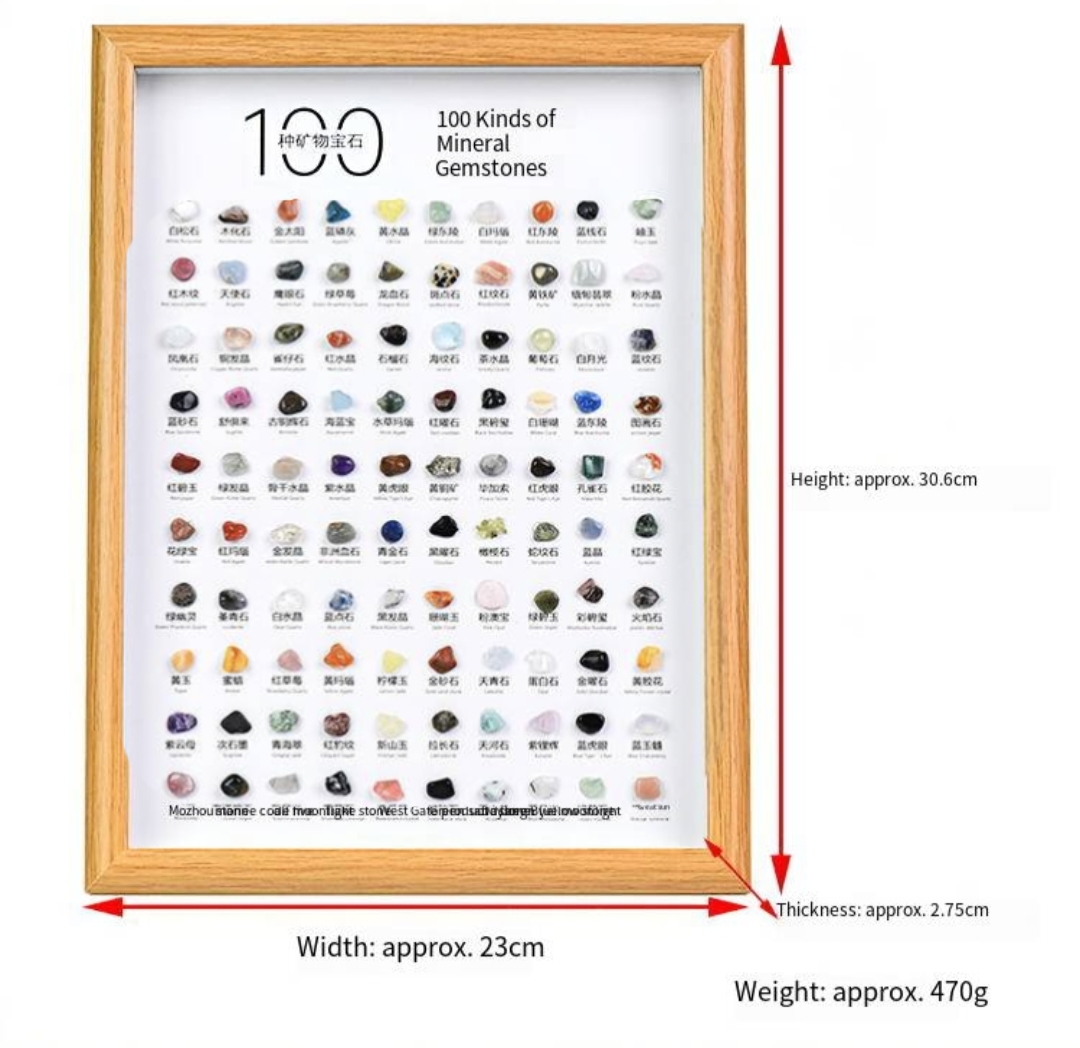
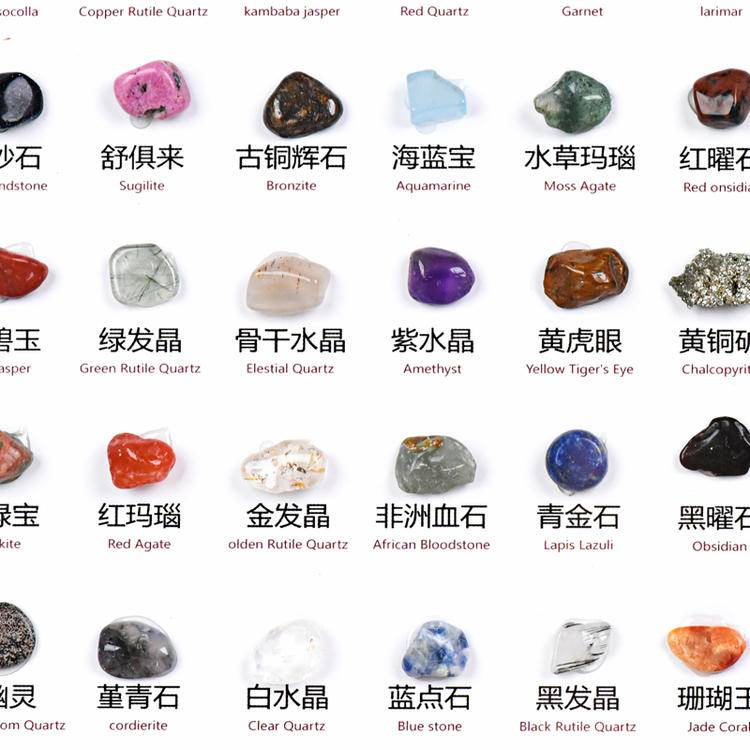
Natural specimen collections can differ in presentation and sample size, so review the current product photographs and selectable options carefully. Confirm what the chosen option includes, how specimens are labeled, whether a storage case or identification guide is shown as included, and whether the photographs illustrate the exact set or a representative assortment. Only features explicitly stated on the product page or confirmed by the seller should be assumed.
- Does the selected option contain one hundred individual samples, one hundred named varieties, or another stated arrangement?
- Are specimen names supplied on labels, on a chart, or through numbered references?
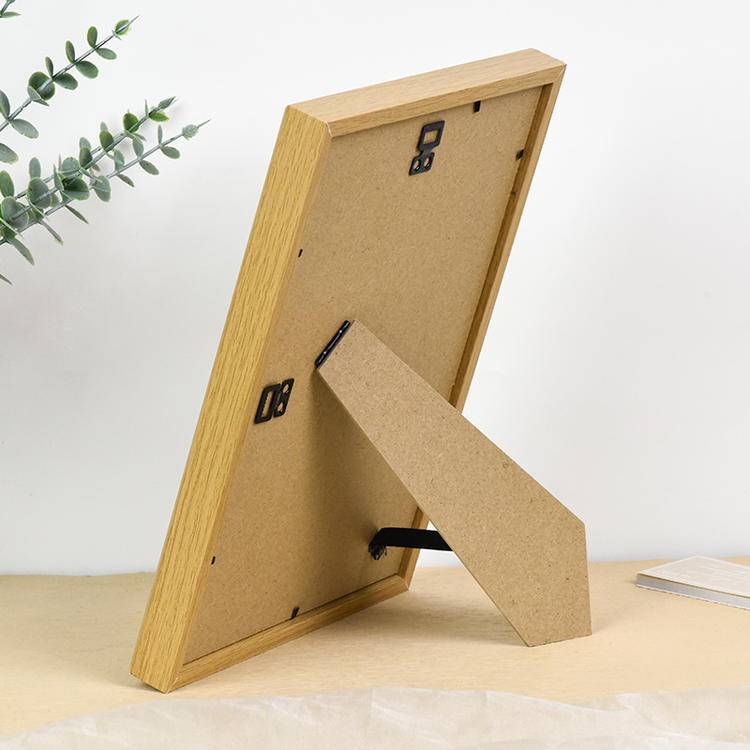
- Is the storage or display packaging included in the selected option?
- Are natural differences in color, shape, and surface expected between the received pieces and the photographs?
- What are the current shipping, return, and damage-reporting procedures for the destination?
These checks are especially important when buying a set for a classroom, gift, or organized study project. If consistent dimensions or a particular mineral is essential, ask for confirmation before ordering rather than relying on a general collection title.
Who May Find This Collection Useful
The set may suit beginners who want broad exposure to mineral variety, families planning supervised science activities, teachers preparing observation exercises, collectors building a reference group, artists studying natural color and pattern, or anyone creating a labeled geological display. It is not a substitute for a laboratory reference collection with certified composition and locality documentation. Advanced collectors should review the level of labeling and provenance offered before deciding whether the set matches their purpose.
Frequently Asked Questions
Will every specimen look exactly like the product photographs?
Natural mineral samples commonly vary in color distribution, pattern, edge shape, transparency, and visible inclusions. Product photographs should be used to understand the general type of collection and presentation unless the page explicitly states that the exact photographed pieces will be supplied.
Can the samples be identified by color alone?
No. Color is useful for description but can vary within one mineral and overlap across different minerals. Identification should consider several characteristics and should be checked against reliable references and supplied labels.
Should all specimens be washed when they arrive?
No. Some minerals can react poorly to water or cleaning products. Begin with gentle dry dust removal and research the care requirements of a positively identified specimen before using any other method.
Is this set intended to provide health or spiritual results?
The collection is presented as mineral specimens for observation, education, comparison, collecting, and display. Appearance, cultural associations, or personal symbolism should not be confused with medical evidence or guaranteed outcomes.
How can labels be kept with the correct samples?
Assign each specimen a number, store it in a numbered compartment, and keep a matching written or digital catalog. Photographing the specimen beside its number provides an additional reference if labels are moved.
A Practical First Session
After receiving the collection, check the packaging and compare the contents with the selected option before rearranging anything. Photograph the original layout, preserve all labels, and note any shipping damage promptly. Next, choose a small group of samples and record observations under consistent lighting. Build the catalog gradually rather than attempting to identify and reorganize all one hundred pieces at once. This measured approach protects the labels, reduces confusion, and turns a large assortment into a useful long-term learning collection.