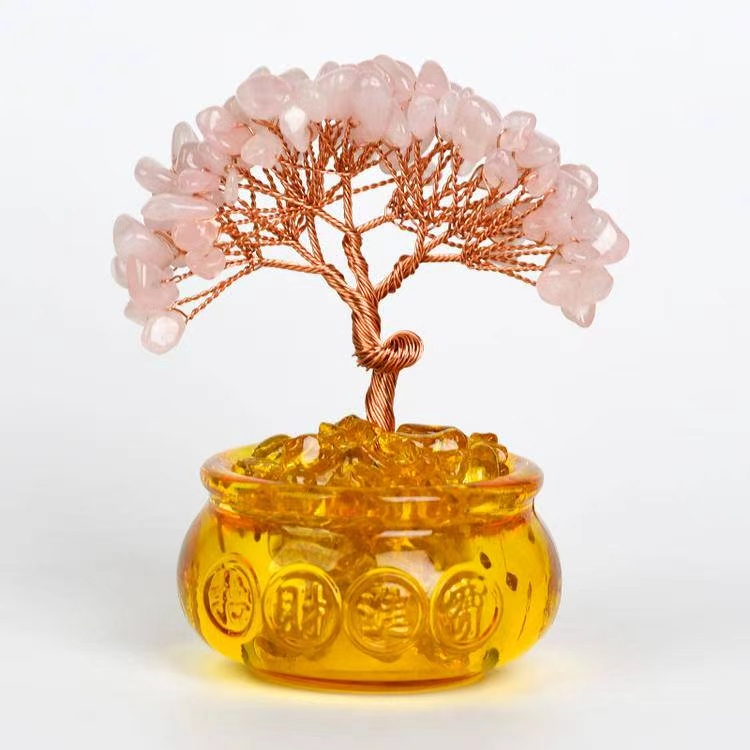
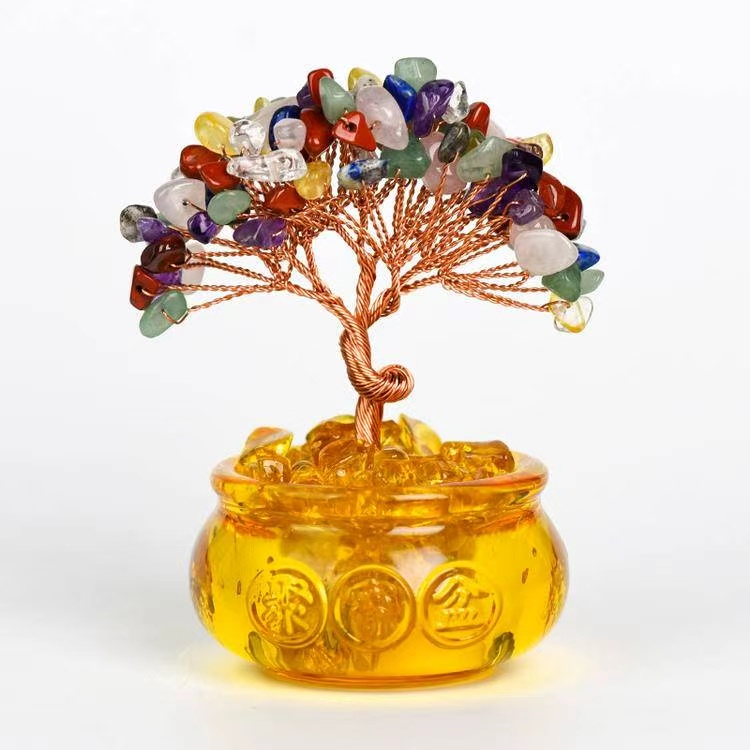
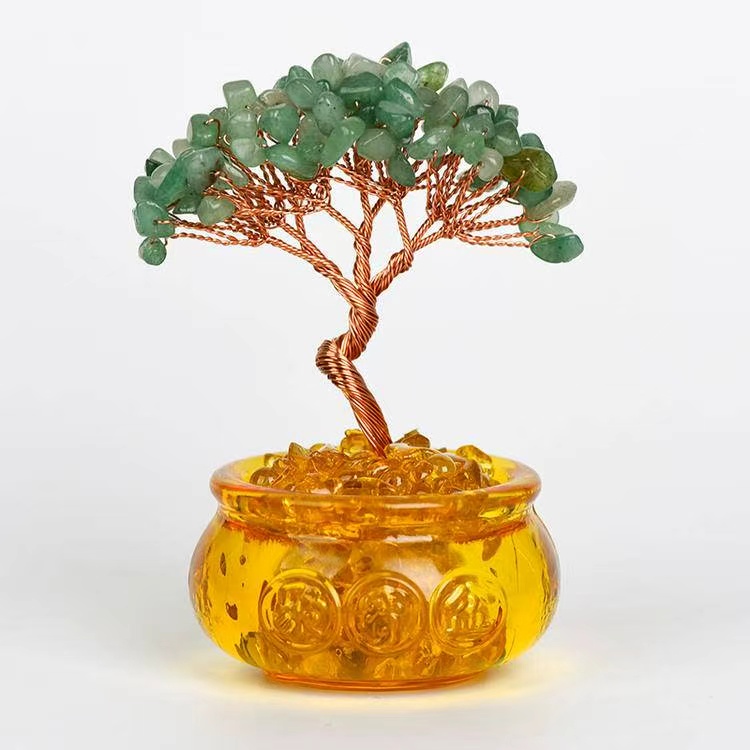
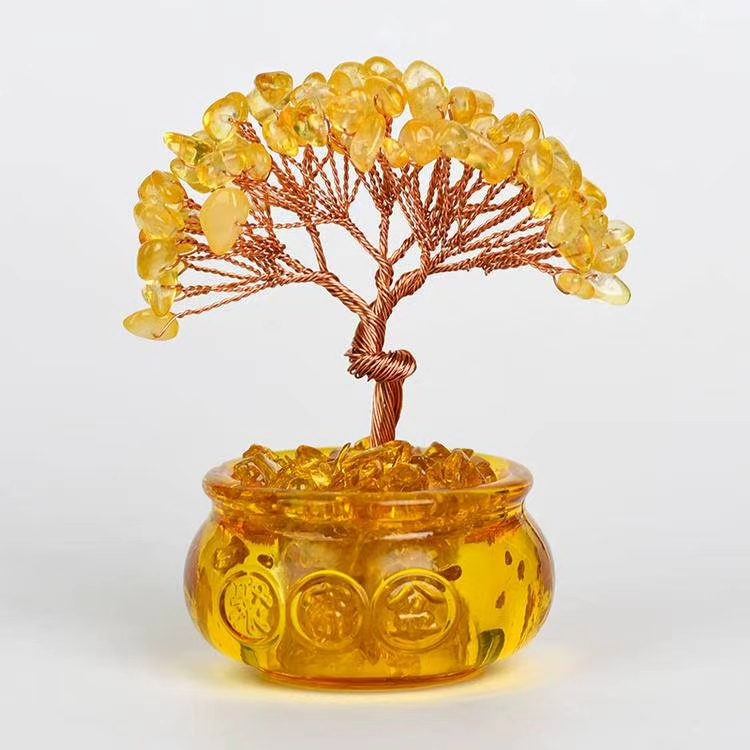
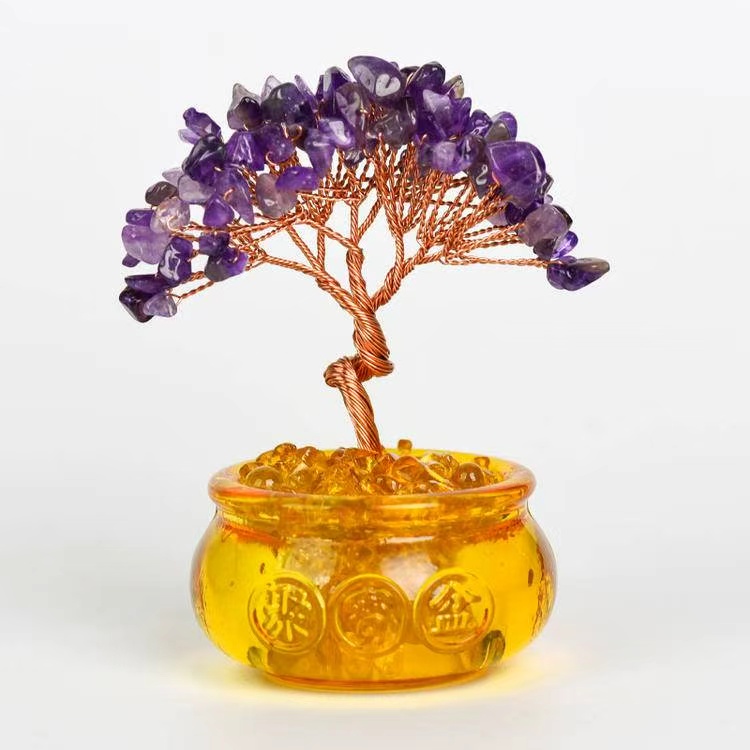
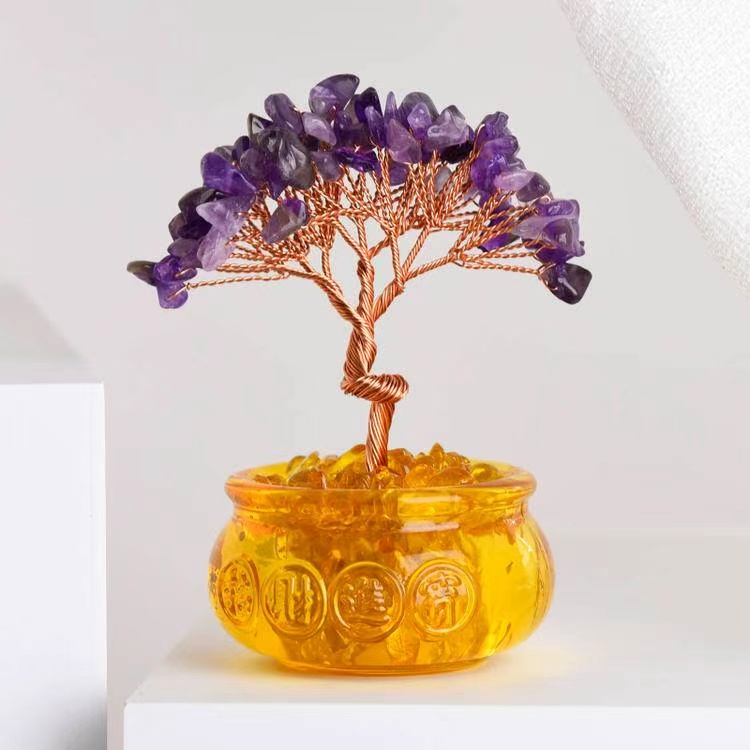
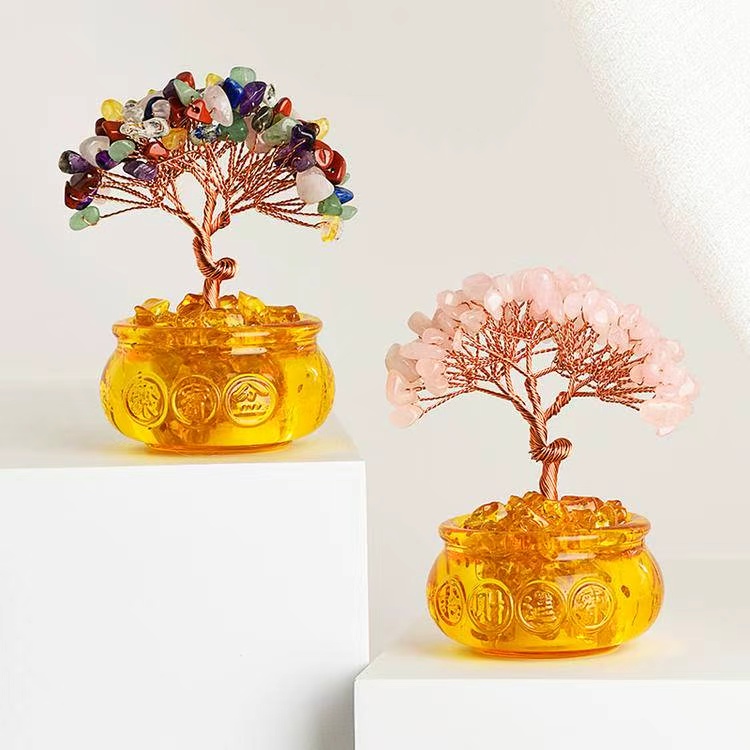
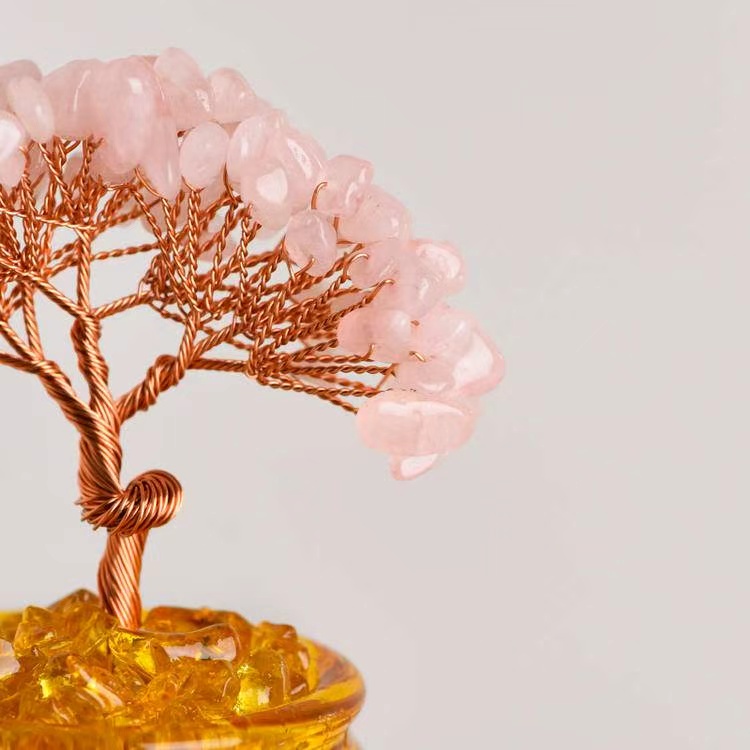
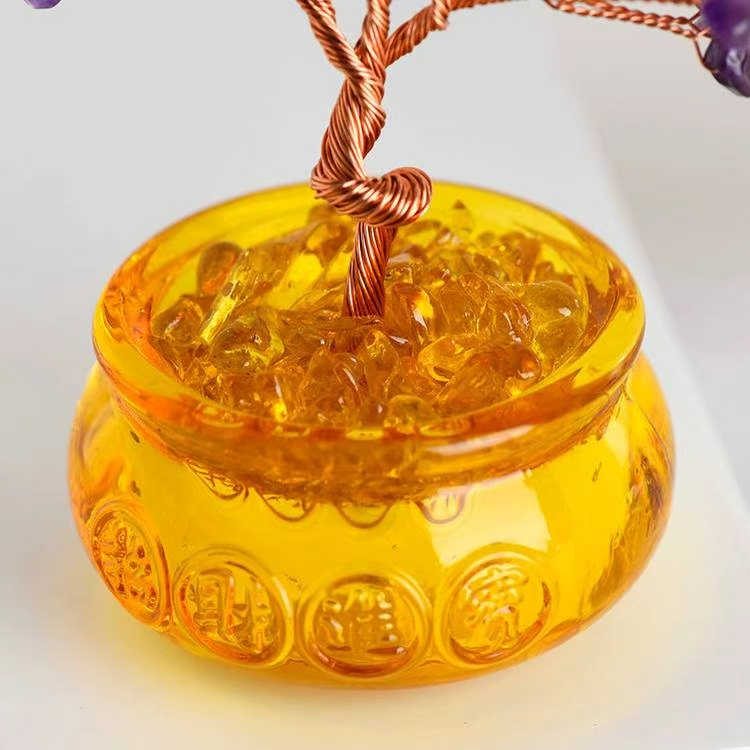
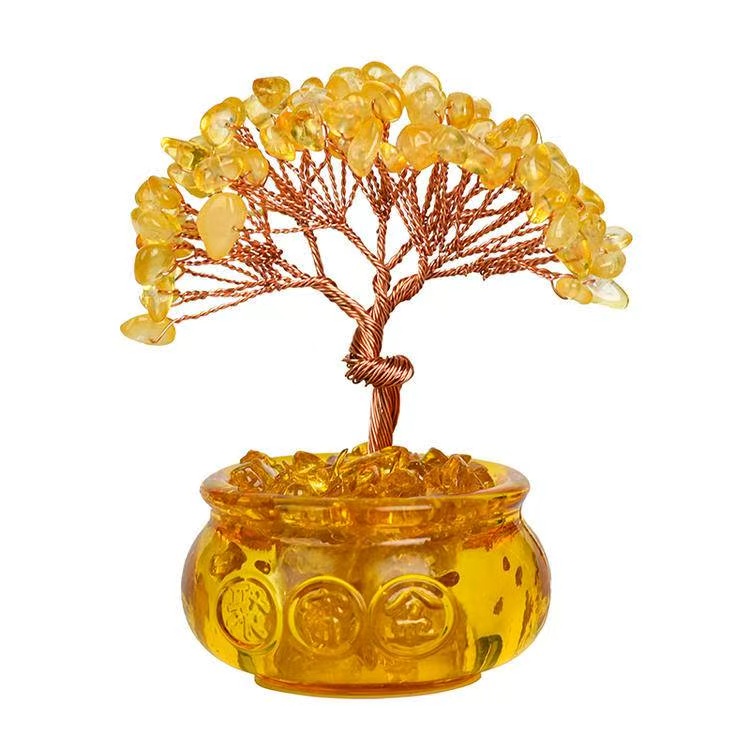
A miniature tree with a clear display setting
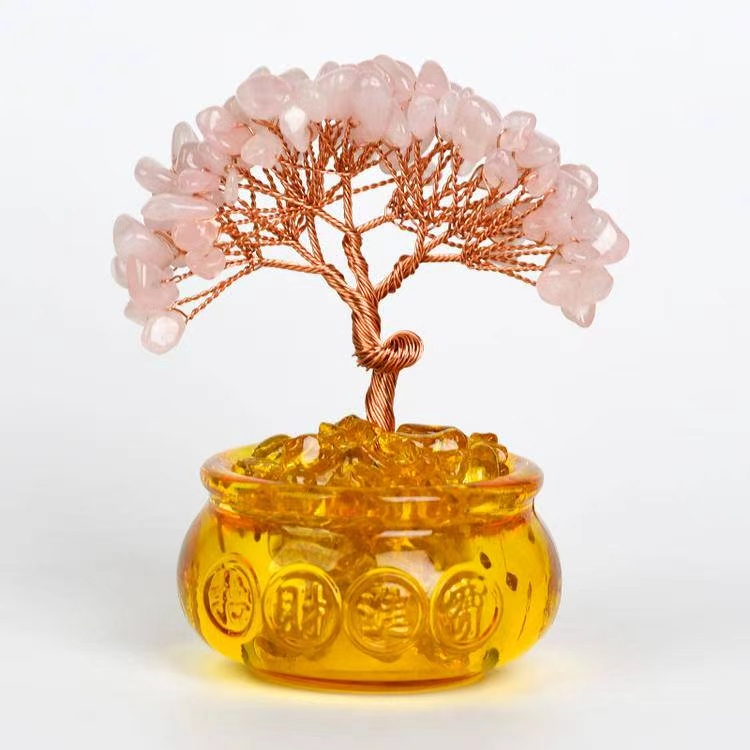
The 54-Head Lucky Fortune Tree in Glass Tank brings together two recognizable decorative ideas: a many-headed crystal tree and a glass tank that frames it. The tree gives the arrangement its branching outline, while the tank creates a defined display area around it. That pairing makes the piece especially suited to a shelf, desk, or side table where someone can see it from more than one angle. It can stand alone as a small focal point or join a collection of objects chosen for their shapes, colors, and personal meaning.
The number in the title is part of this item’s identity. A 54-head design suggests a fuller branching composition than a sparse tree, so it is worth thinking about the whole silhouette when deciding where to place it. Give the outline enough visual space to read clearly. A crowded shelf can make even a detailed tree look like background texture; a little separation from nearby objects lets its branching form become the feature.
What the glass tank adds
A glass tank changes the way a decorative tree is experienced. It gives the arrangement an apparent boundary without hiding the branching form behind an opaque container. From the front, the tree can read as a composed scene. From the side, the viewer may notice the relationship between the tree and its enclosure. The transparent setting also invites you to consider the background: a wall color, stack of books, or nearby fabric can be visible through the glass and become part of the overall look.
That visibility is useful when styling a compact area. Instead of treating the tank as a solid block of color, treat it as a frame around the tree. Set it against a relatively calm background if you want the branches to be easy to distinguish. Place it near stronger patterns if you prefer a layered, collected appearance. Either approach can work when the surrounding objects leave the tree itself visually legible.
Choosing among the listed color options
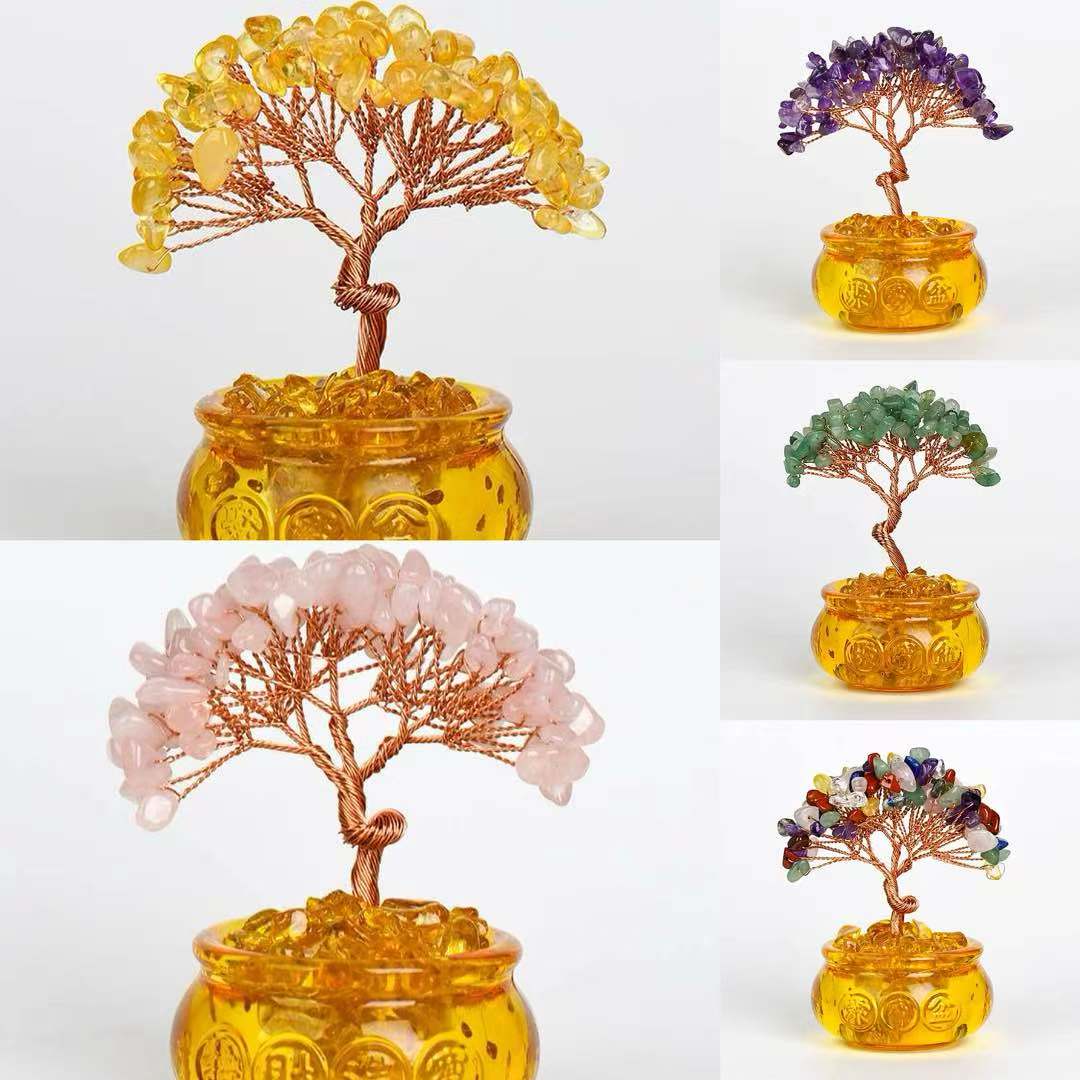
The available color names are Citrine, Rose Quartz, Amethyst, Green Aventurine, and Rainbow. These names give you a practical starting point for choosing the appearance you want. They do not tell you every detail of an individual piece’s tone, arrangement, or visual variation, so use the option name as a guide and review the available product images before selecting. The most useful question is how the chosen color will relate to the room and to the objects already nearby.
- Citrine: Consider this option if a warmer-looking accent fits your intended display. It can be paired visually with wood tones, cream backgrounds, or other warm decorative details.
- Rose Quartz: This option suits a gentler color direction. It can sit comfortably beside pale textiles, light ceramics, or a personal collection with softer tones.
- Amethyst: Choose this if you want the tree to introduce a purple accent. A simple backdrop can give that color room to stand out.
- Green Aventurine: This option can support a botanical theme. It is an intuitive partner for plant prints, green accents, and nature-inspired arrangements.
- Rainbow: Consider Rainbow when you want a more varied palette in one display piece. Keep nearby accents simple if you want the multiple colors to remain the main point of interest.
Color choice can also follow a personal association. Someone may select a familiar stone name because it recalls a gift, a place, or a tradition they enjoy. Such associations can make an object meaningful without requiring any claim that the object produces a particular outcome. If you are buying the tree for someone else, their preferred colors and display habits are stronger guides than a generalized meaning attached to a stone name.
Finding a good place for the tree
Start with the viewing angle. If the tree will be seen mainly while seated at a desk, place it where its branching outline can be seen comfortably without interrupting work. On a shelf, move it slightly forward from a dense row of books so the transparent tank and the tree inside do not visually disappear. On a console, it can act as a small punctuation mark between larger objects rather than compete with them for attention.
The glass setting makes light an important styling consideration. Ordinary room light may reveal edges, reflections, and the internal arrangement in different ways at different times of day. Try a few positions before settling on one. A highly reflective backdrop may draw attention to glare, while a quieter background may make the tree easier to appreciate. Avoid assuming that the same position will look identical in every room; the surroundings strongly affect transparent decor.
- Clear a stable space where the entire tank can sit without overhanging an edge.
- View the tree from the position where you will normally see it.
- Move nearby objects until the branching outline is distinct.
- Check how the tank looks in the room’s usual lighting.
- Leave enough access to lift or dust the piece without disturbing other items.
For a work area, the tree can mark a transition between practical supplies and more personal objects. It might sit beside a notebook or framed photograph, provided the surface remains usable. In a living room, it can share a shelf with books and pottery. In an entryway, it can provide a decorative welcome, though the exact placement should account for how often people set down keys, bags, or other daily items nearby.
Feng shui as a decorative tradition
The title identifies this tree as Feng Shui decor. In feng shui traditions, objects are sometimes chosen and placed with attention to symbolism, visual balance, and the atmosphere a person wants to create. A branching tree may be used as a reminder of growth or opportunity, and a fortune tree may be associated with hopes for prosperity. Those are traditional or personal interpretations. The tree itself does not guarantee luck, wealth, or a change in circumstances.
If you want to incorporate the piece into a feng shui-inspired arrangement, begin with an intention that is meaningful to you and a location that works in your actual home. A tidy, visible spot where the tree can be enjoyed is more useful than forcing it into an inconvenient corner to satisfy a rigid placement rule. You can also use it without any symbolic purpose: the combination of branching form, color choice, and glass display stands on its own as decor.
The 54-head feature can be appreciated visually without assigning a universal meaning to the number. It contributes to the impression of a detailed tree, giving the eye multiple points to follow. If the number has a personal significance for you, that can become part of your reason for choosing the piece. If it does not, the fuller outline is still a sound aesthetic reason.
Coordinating a display around the tank
One approach is to build a quiet arrangement around the tree. Place it near two or three objects with different heights, such as a short book stack and a taller vase. The branching shape then contrasts with the simpler outlines around it. Another approach is to make it the only object in a small niche. The clear tank gives it a contained presentation, so it can feel deliberate even without companion pieces.
Match the color option to one existing detail rather than trying to make every object match. A Rose Quartz selection might echo a soft pink print, while Green Aventurine could connect with a leaf motif elsewhere in the room. Rainbow can serve as the bridge among several colors already present. Repeating a color once or twice across a display often feels more natural than filling the entire area with identical tones.
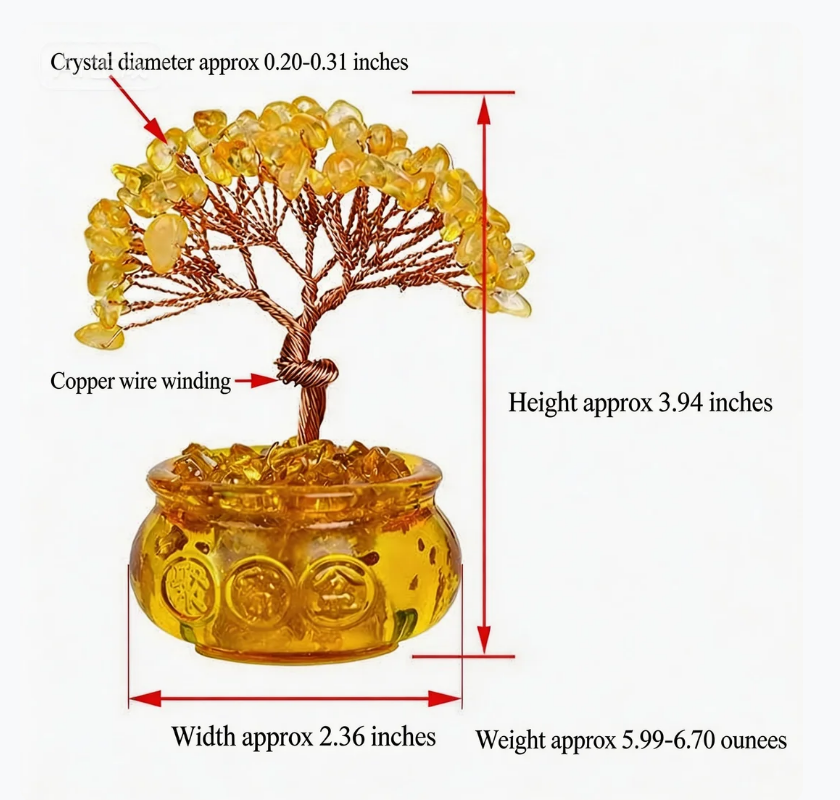
Think about scale as well as color. The title describes a 54-head tree in a glass tank, but it does not provide dimensions. Check the listed measurements or images available at the point of purchase before planning an exact shelf fit. Leave clearance around the display so it is easy to place, view, and clean. If you are styling a narrow ledge, confirm that the full tank footprint is appropriate for that surface.
Everyday handling and care
Because this is a decorative tree presented in glass, handle the arrangement as a display object. Put it on a level surface where it is unlikely to be knocked during ordinary movement. When relocating it, support the container securely rather than pulling on the tree’s branches. If there are movable-looking details, avoid adjusting them unless the product information specifically says they are designed to be repositioned.
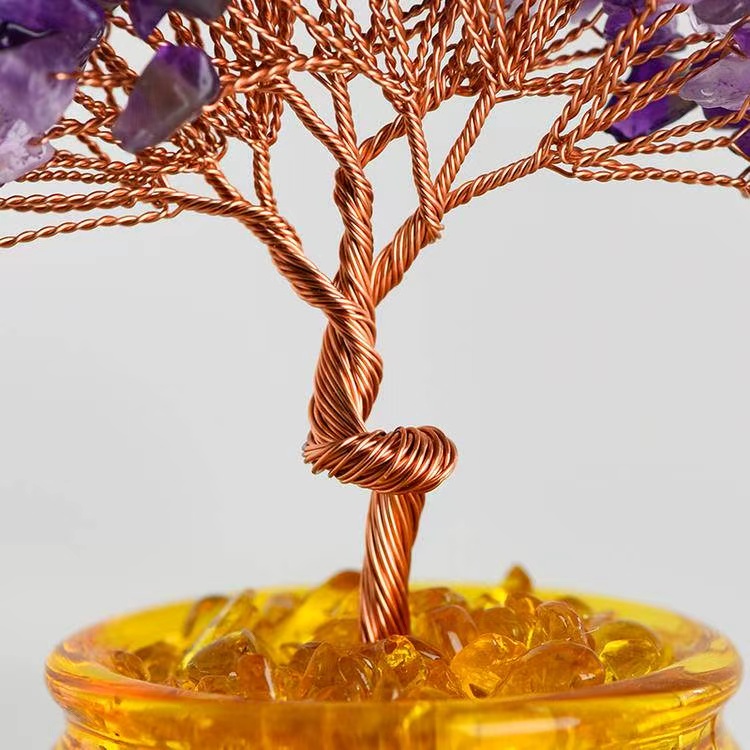
Dusting can be gentle and simple. Start with a soft, dry cloth for accessible glass surfaces. For more detailed areas, use a light touch and avoid pressing small branches or decorative parts. Follow any care directions supplied with the item, particularly before using moisture or cleaning products. Since the listing information here does not specify every component or finish, it is best to avoid strong cleaners and untested methods.
Choose a location where the glass is less likely to meet a hard impact. A calm shelf may be more practical than the edge of a busy table. When displaying the piece around children or pets, consider whether it can be reached or tipped. These are ordinary considerations for decorative glass items, and they help keep the tree pleasant to live with.
Questions about this 54-head fortune tree
Does the 54-head count mean the tree has a specific spiritual power?
No objective effect follows from the count. In this title, it identifies the tree’s design. You can appreciate the denser branching look or attach a personal meaning to the number without treating it as a promise of results.
Is the glass tank meant to hold water or plants?
The title describes a tree in a glass tank for decor. It does not establish that the tank is suitable for water, planting, or any other use. Treat the assembly as a decorative display unless separate product instructions clearly describe additional uses.
Which color is best for an office?
Choose the option that fits the office’s existing palette and the mood you want for your desk or shelf. Citrine, Rose Quartz, Amethyst, Green Aventurine, and Rainbow offer different visual directions. None can ensure professional success or financial gain.
Can I place it in a sunny window?
The available description does not state how the materials respond to sustained direct sun. A location with comfortable indoor light is a cautious starting point. Follow any care information provided with the item and reconsider a window position if glare or heat makes the display less practical.
Will every tree look exactly the same?
The option names and title identify the product, but they do not establish identical color distribution or branch appearance across every individual item. Review the images and any seller details for the variation you are considering. Allow for the normal possibility that a decorative piece may have small visual differences.
Is it appropriate as a gift for someone who does not practice feng shui?
Yes, if they enjoy small decorative trees and have a suitable place to display one. You can present it as a color and design choice. If the recipient values feng shui traditions, you may also explain the fortune-tree symbolism as a wish for growth or prosperity rather than a guarantee.
Making the choice personal
The strongest reason to choose this tree is the combination that appeals to you: a 54-head branching form, a clear tank presentation, and one of the listed color options. Imagine the exact shelf or desk where it will live. Decide whether you want a warm accent, a soft tone, a purple or green note, or a varied Rainbow look. Then give the piece enough space to show its shape.
As a fortune-tree decoration, it can carry a traditional association with growth and prosperity, a personal memory, or simply an appreciation for miniature landscapes. Its daily role is to be seen and enjoyed as part of a room. Choosing a stable location, caring for the glass and detailed tree gently, and pairing it with objects you already like will do more for the display than any fixed rule about where a lucky item must go.