
A statement tree for an office setting
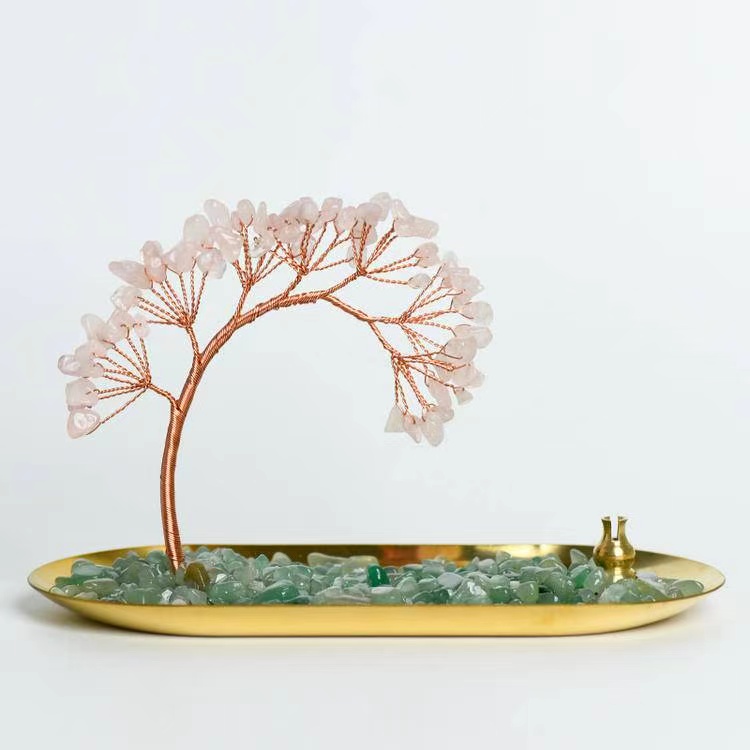
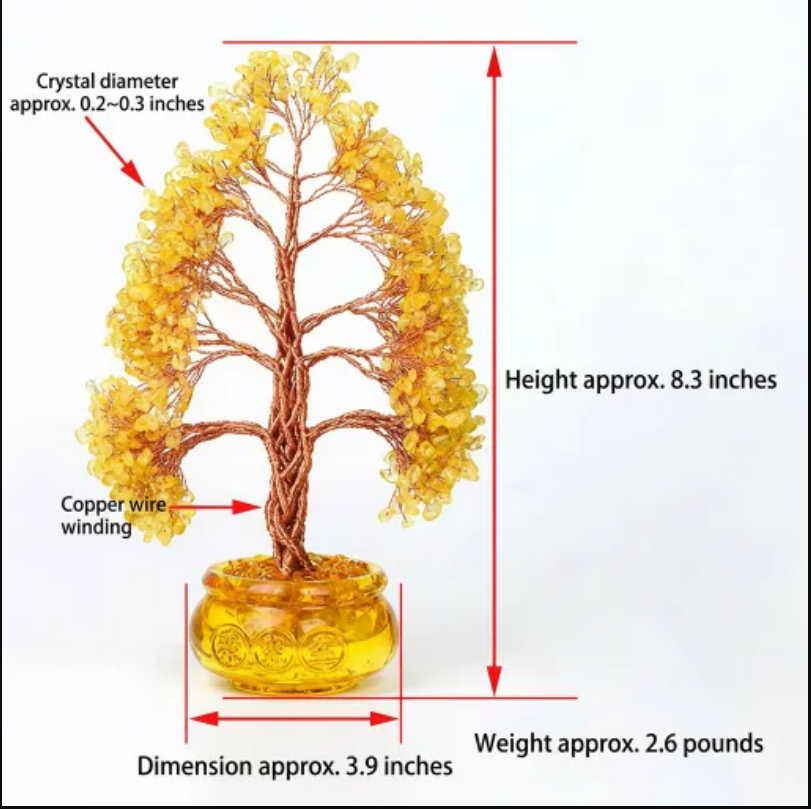
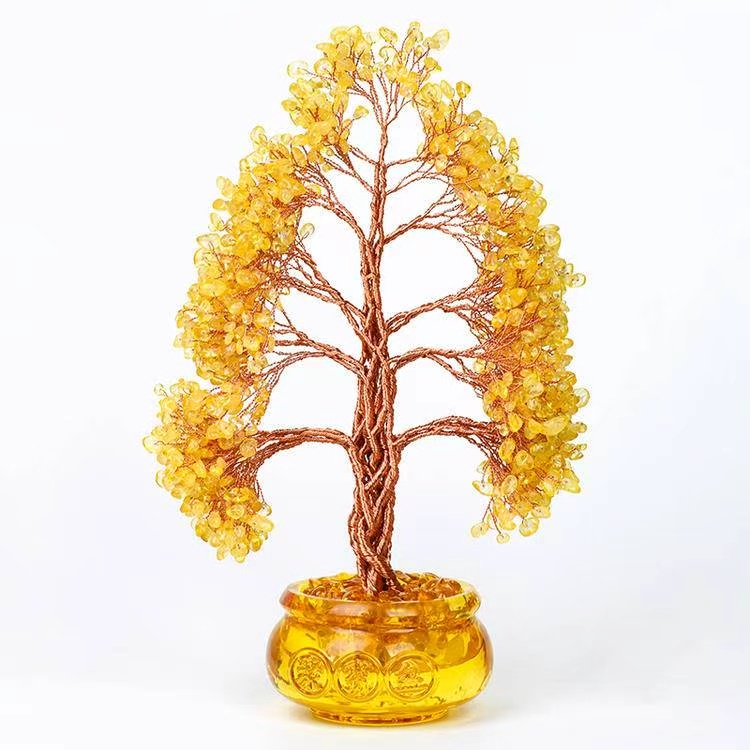
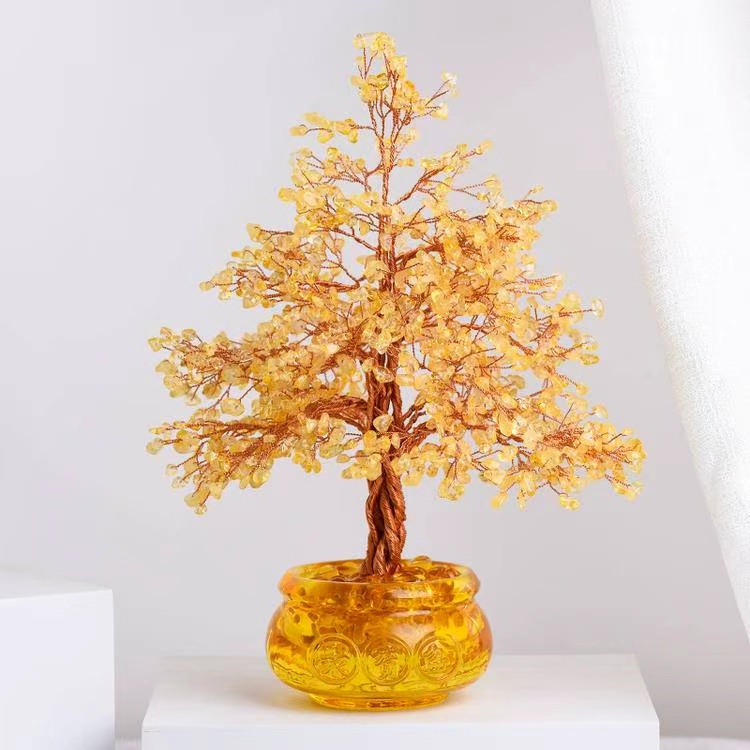
The Business Fortune Tree is described as an 1100-leaf money tree with a large treasure pot. Those features make its design unusually specific: a high leaf count, a tree silhouette, and a pot that is intended to be visible as part of the composition. Rather than treating it as a tiny desk trinket, consider it as a display piece whose shape and theme should have room to register. The title also places it in an office feng shui context, where a fortune tree can carry a traditional association with growth and prosperity.
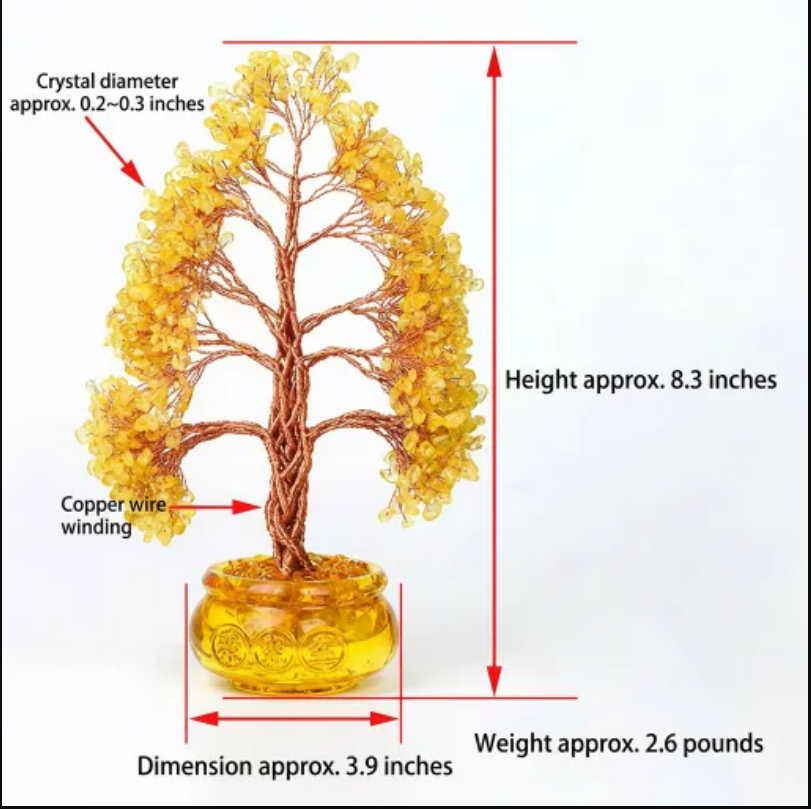
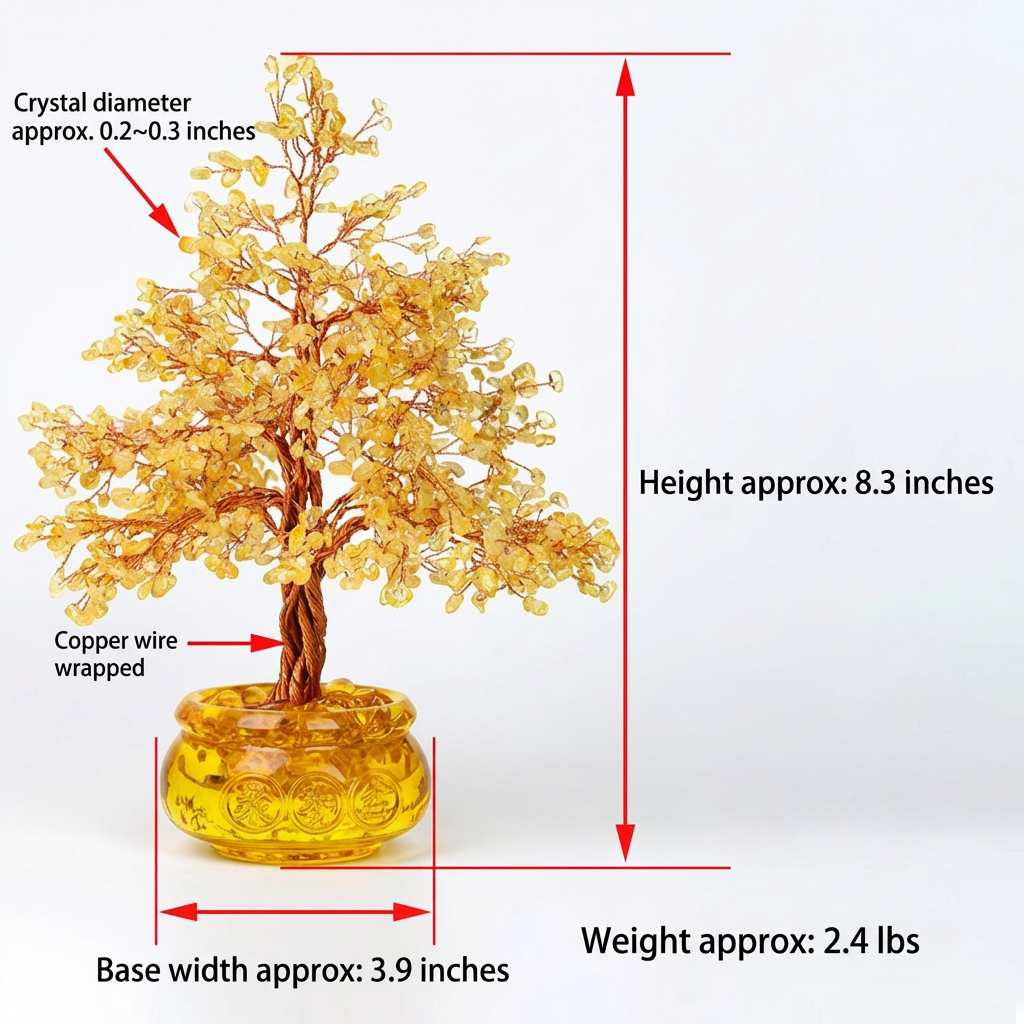
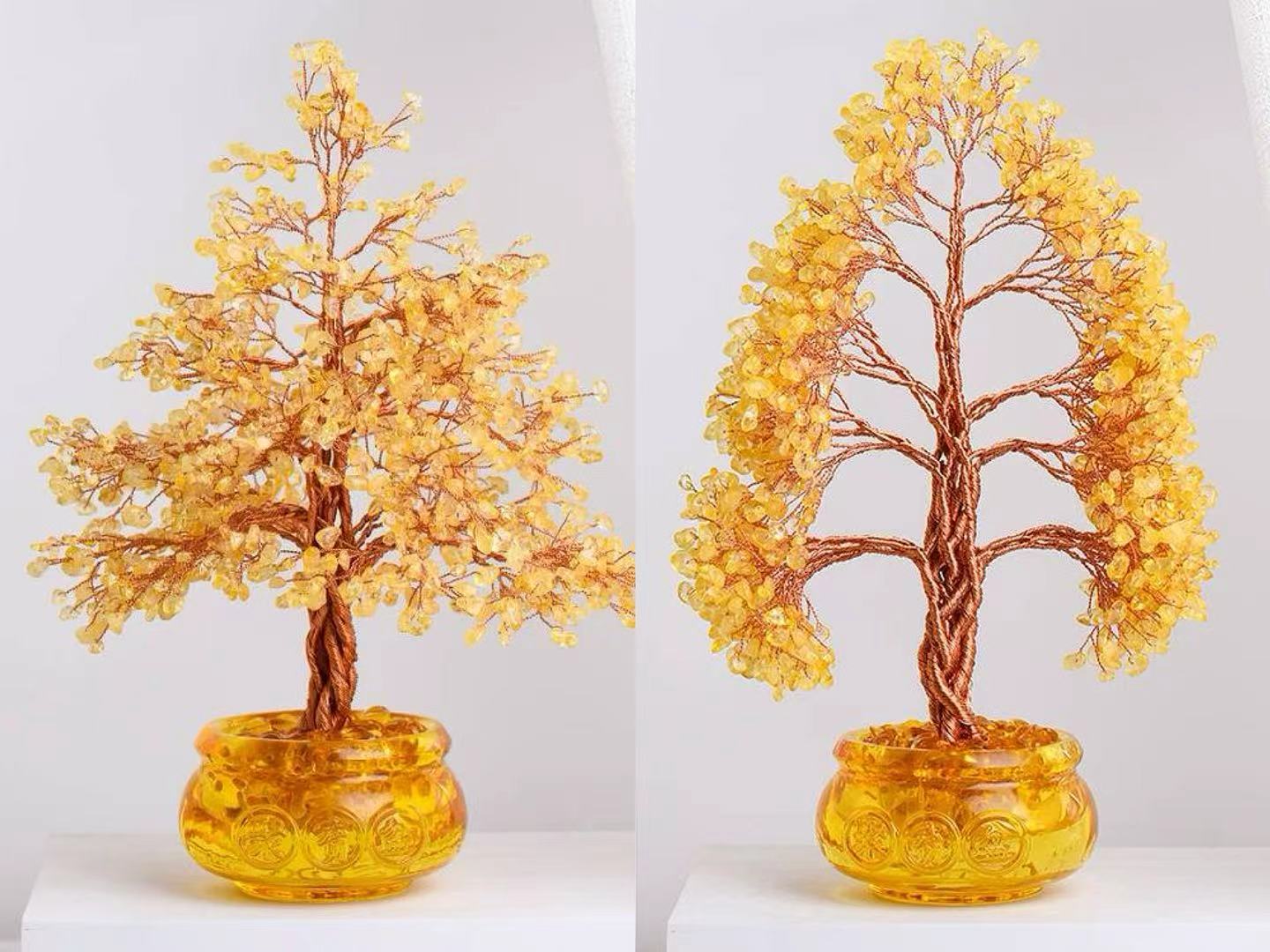
The piece is available in Style 1 and Style 2. The style labels identify a choice, but they do not explain the visual differences on their own. Look at the images for each option when deciding. If it is for a particular office, choose the version that fits the space and the recipient’s taste. A thoughtful match to the room usually matters more than assuming one style has a stronger symbolic meaning.
Reading the design as a whole
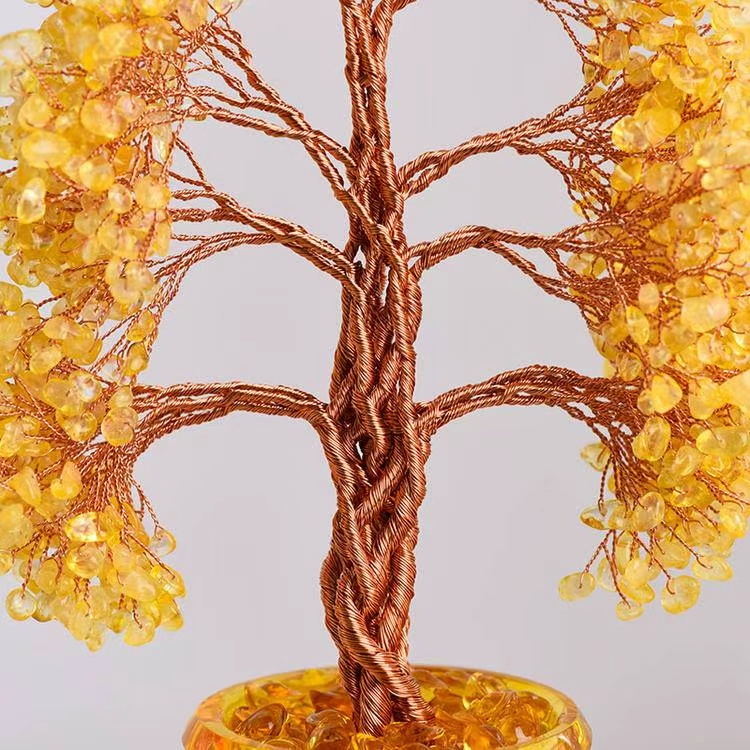
An 1100-leaf description naturally invites attention to detail. From a distance, a large number of leaves can create a dense tree outline. From nearby, the viewer may notice the repeated leaf forms and how they contribute to the larger shape. The pot gives that canopy a visual base. Together, the upper spread and lower container can make a complete decorative scene rather than a single isolated ornament.
Because the title does not state dimensions, do not infer the exact height or width from the word large. It refers to the treasure pot in the product name. Check the listed measurements before planning a precise shelf position or a narrow desktop corner. The most reliable way to assess visual fit is to compare the product’s actual dimensions and variant images with the surface where it will stand.
What a treasure pot contributes
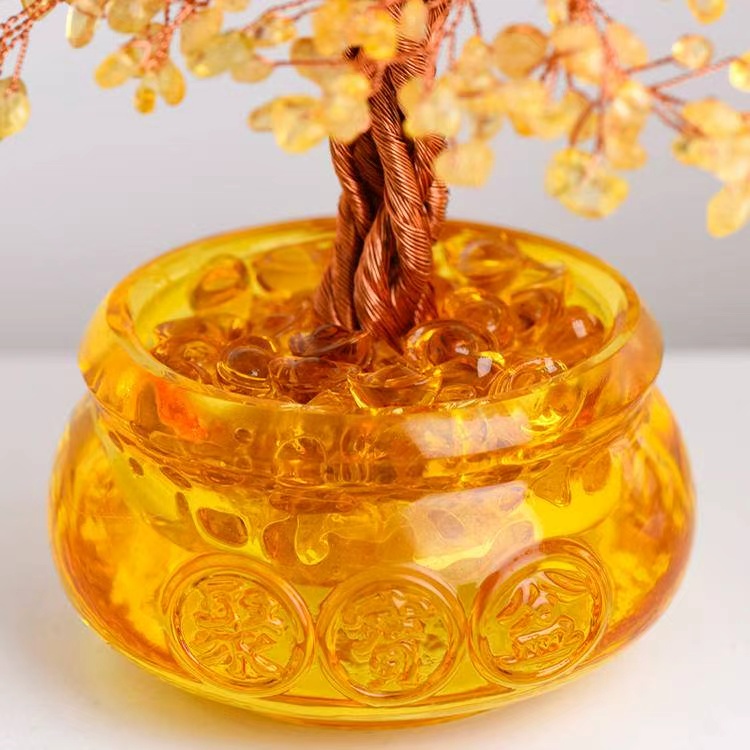
A treasure pot is more than a stand in the visual language of a money tree. It gives the tree a defined base and strengthens the fortune theme named in the title. As decor, that means the lower portion deserves to be seen. If books, folders, or a monitor hide the pot, part of the design’s intended story will disappear. Give the base a clear sightline when possible.
The pot can also influence what you place nearby. A simple arrangement may let the entire tree and pot be the focus. In a fuller office display, pair it with quieter objects whose outlines do not compete with the many leaves. A rectangular frame, a stack of books, or a plain vessel could create contrast. Keep the arrangement practical: an office display should leave space for work, meetings, and the movement of everyday items.
Choosing between Style 1 and Style 2
With two style options, begin by examining the product images associated with each exact selection. Note the outline of the tree, the visibility of the pot, and how the arrangement looks from the angle you expect to see most often. The names Style 1 and Style 2 alone do not support claims about materials, color, size, or special meaning. Choose based on the documented visual differences and the intended room.
- Identify the surface where the tree will be displayed.
- Check the available dimensions against that surface and any shelves above it.
- Compare Style 1 and Style 2 images at both a whole-object and detail level.
- Consider whether the tree will be viewed across a room or mainly from a desk chair.
- Choose the style whose overall shape fits the surrounding objects and leaves usable space.
If the tree is a gift, consider the recipient’s office style. A formal workplace may favor a clear, restrained placement with little around the piece. A creative studio may welcome a more layered shelf display. The variant choice can be personal without needing a universal rule. The best style is the one the recipient is likely to enjoy seeing in their own environment.
Where it can work in a workplace
A reception area can give a themed decorative tree a clear role: it can offer a visual point of interest while people arrive or wait. In a private office, it can sit on a cabinet or shelf where it is visible without occupying task space. In a home office, it can add a decorative note that separates the working area from ordinary storage. Each location has different traffic patterns, so stability and clearance should guide placement.
Consider the view from the doorway and from the main seat. A display that looks balanced from one direction may be hidden from another by monitors or tall objects. Try placing the tree before building a whole arrangement around it. The many-leaf outline can fill visual space, so nearby decor may need to be sparse. A neutral background helps the shape stand out, while a patterned background can create a busier, more eclectic look.
For a desk, think carefully about reach. Pens, papers, a keyboard, and a beverage may move through the same area throughout the day. If the tree interrupts those activities, a shelf or cabinet may be the more comfortable home for it. That is especially relevant when the large treasure pot is part of what you want to display. A clear surface lets the base read properly.
Feng shui symbolism and realistic expectations
The words money tree and office feng shui connect this piece to traditions of symbolic placement. In feng shui-inspired decorating, a tree may represent growth, while a treasure pot can evoke the wish to gather or preserve good fortune. These are cultural and personal interpretations. They do not mean that displaying the object will cause business success, improve income, or change external events.
There is still value in symbolic decor. A person may use the tree as a reminder of a professional goal, a milestone, or a wish for a colleague. It can make a workspace feel more personal and intentional. The meaning comes from the people who choose and see it, not from a measurable power in the object. If you prefer to appreciate it solely as a detailed decorative tree, the design gives you ample reason to do that.
Placement traditions vary, and office layouts are rarely built around one decorative item. Choose a spot that is safe, visible, and compatible with normal work. A comfortable, uncluttered area can let the tree be appreciated without asking it to carry expectations it cannot meet. If you follow a particular feng shui practice, you can integrate the piece according to that tradition while still checking the practical needs of the room.
Building a balanced display
The title’s 1100-leaf feature suggests a visually active upper portion. Balance it with simpler forms around the tree. A plain wall behind it can make the branches easier to see. If it sits in front of books, consider grouping the books by height or leaving a small clear gap. The goal is to help the outline read as a tree rather than merge into a busy backdrop.
Pay attention to the treasure pot as well. A display surface that is too low or blocked may hide the base. If the pot is one of the features you like most, place the tree at a height where both the canopy and container are visible from the usual viewing position. Avoid stacking the piece on an improvised platform unless that platform is stable and suitable for the object.
In a shared workplace, a decorative tree can also be a conversation piece. Its value there is social and visual: people may ask about the design, the leaf count, or the traditional fortune theme. It can be described as a symbol of good wishes without presenting prosperity as an assured result. That framing is especially useful if coworkers have different relationships to feng shui traditions.
Caring for a detailed tree
A tree described as having 1100 leaves may have many small areas where dust can settle. Care should be patient and light-handed. Use the maker’s instructions first. If no specialized method is stated, a soft, dry approach to accessible areas is a reasonable starting point. Avoid pulling leaves or branches to reach hidden spaces, and avoid strong cleaning products unless the product guidance confirms they are appropriate.
Move the tree by supporting its stable base rather than gripping the leaf-covered upper portion. Keep the pot on a level surface and away from edges where ordinary office traffic could bump it. If the tree sits in a reception or meeting area, leave enough room for people to set down their belongings without touching the display. This helps the piece remain easy to enjoy and easy to maintain.
Do not assume the pot can hold coins, water, soil, or other materials because it is called a treasure pot. The title describes a decorative feature, not a storage or planting function. Use the item as shown and follow any instructions that accompany it before changing the arrangement.
Questions about the 1100-leaf money tree
Does the tree really have 1100 leaves?
The product title describes it as an 1100-leaf tree. If an exact count matters to your purchase, consult the detailed product information or seller. For display purposes, the number primarily signals a richly leafed design.
Is the treasure pot a separate container?
The title says the tree comes with a large treasure pot, but it does not explain whether the pot is detachable or intended for storage. Treat it as part of the decorative arrangement unless the product details state otherwise.
What is the difference between Style 1 and Style 2?
The provided option names do not describe the differences. Compare the images and any specific variant details for each selection before choosing. Avoid relying on the style number as a statement of size, color, or meaning.
Where should it go for good business luck?
Feng shui traditions include different placement ideas, but no location can guarantee a financial outcome. A stable, visible place that fits the office’s routine is a practical choice. You can also follow a tradition meaningful to you as a personal decorating preference.
Will it suit a small desk?
The exact dimensions are not present in the title or listed attributes. Check measurements and the desk’s available area before deciding. A cabinet or shelf may be better if the desk needs room for daily work.
Is this suitable for a new-business gift?
It can be a thoughtful gift for someone who likes tree decor or the traditional symbolism of growth and prosperity. Present it as a good wish and choose between Style 1 and Style 2 with the recipient’s taste and available display space in mind.
Letting the design carry the message
This Business Fortune Tree has a clear identity: an 1100-leaf form, a large treasure pot, two style choices, and an office feng shui theme. Those details make it suited to a deliberate display rather than an afterthought tucked among paperwork. Look closely at the available style images, verify the size for the intended location, and leave the full tree and pot visible.
Its symbolism can be warm and encouraging when framed as a wish. Its everyday presence, though, is that of a decorative object in a working room. Place it where it supports the room’s look and function, handle its many details gently, and let the people who use the space decide what the fortune-tree tradition means to them.