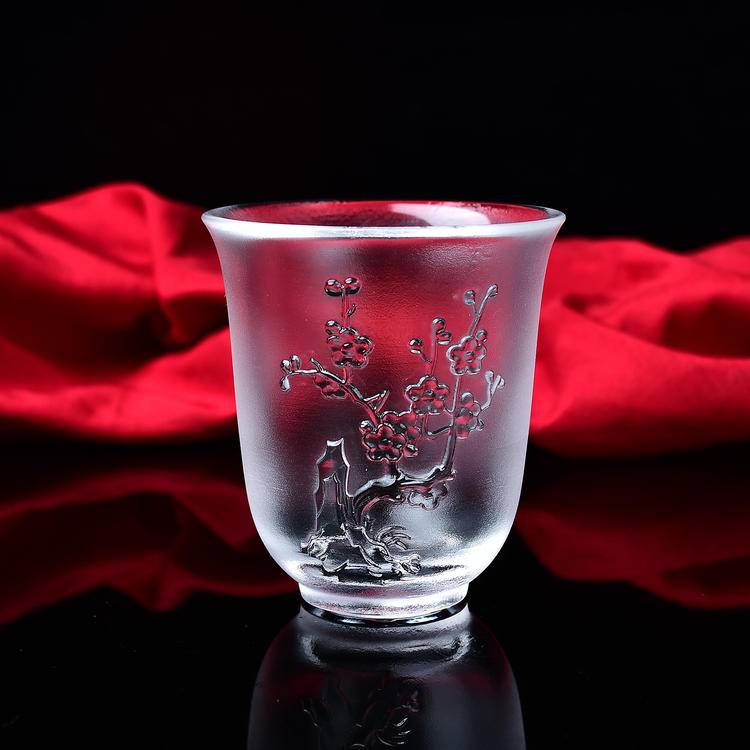
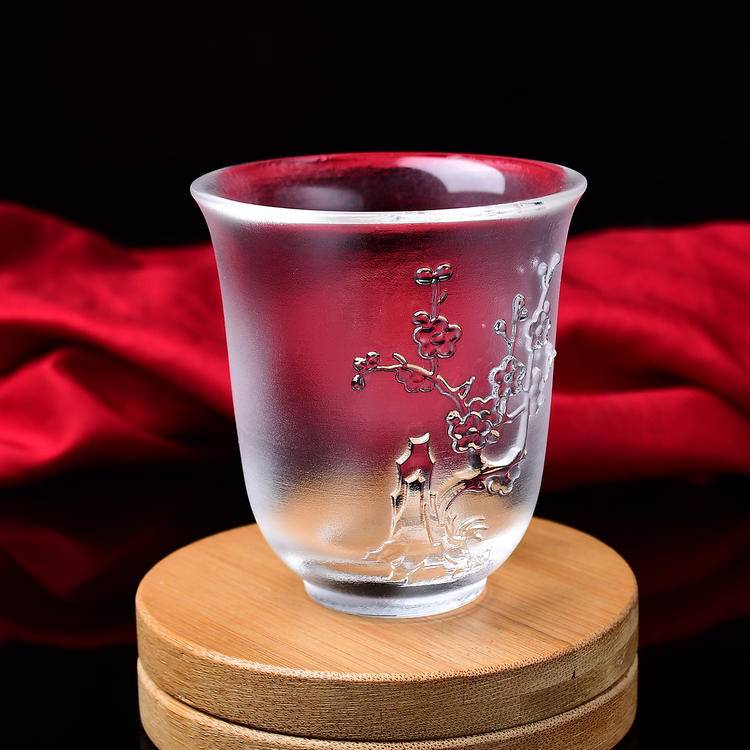
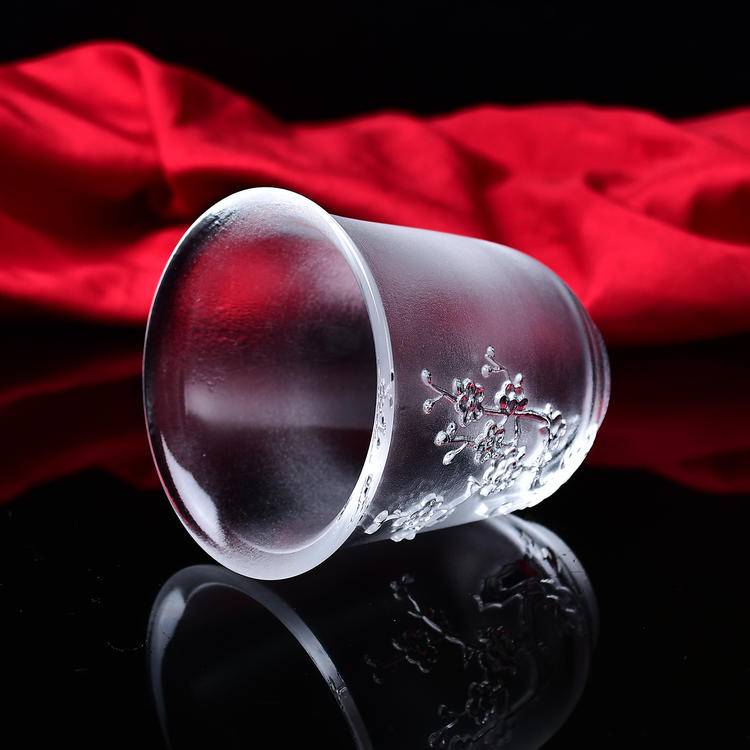
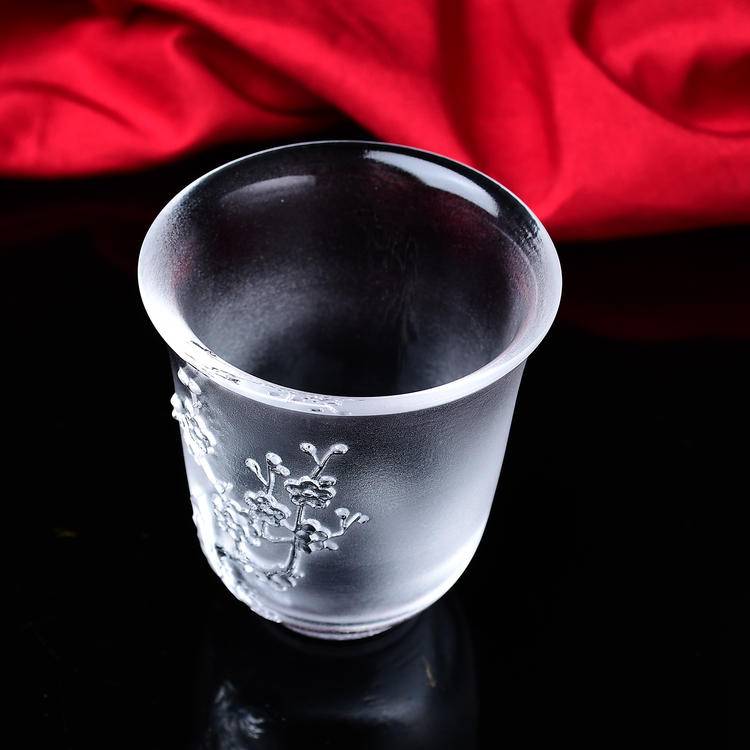
A plum blossom motif on a single quartz cup
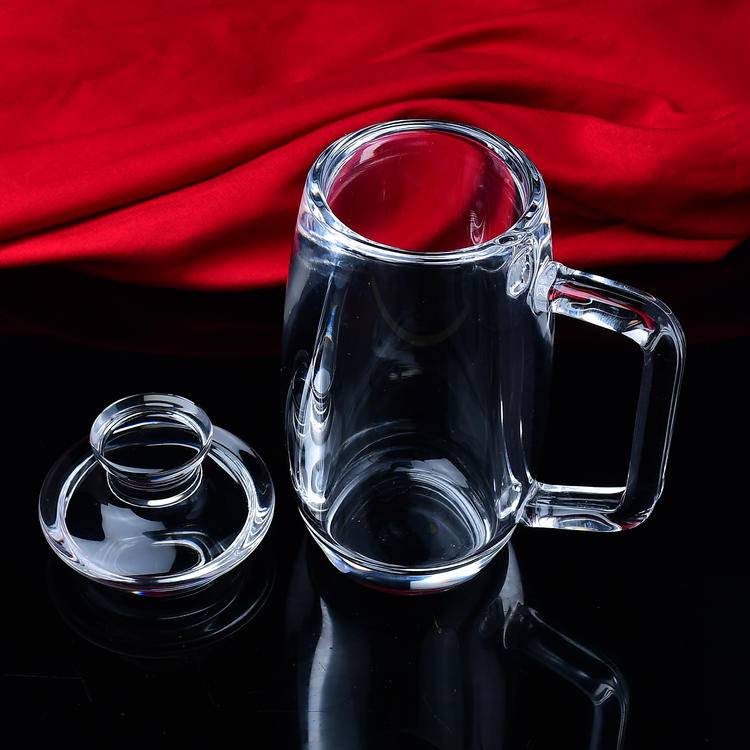
This listing combines two ideas that deserve separate attention: a plum blossom design and a proposed technical use as a quartz crucible. The short description calls the item a high-purity, single-use quartz crucible for laboratory settings and mentions melting crystals, metals, and salts. It also describes the piece as heat-resistant and durable. Those statements identify the seller’s intended presentation, but they do not supply the measurements or performance data needed to select equipment for a particular procedure. The blossom can be considered as a visual feature; technical suitability must be established through specifications matched to the actual process.
A crucible is generally chosen around a task, not around appearance alone. The substances involved, the equipment used to heat them, the process temperature, the duration, and the required containment all matter. Here, none of those limits is stated. The phrase high purity and clarity appears as an attribute, yet it gives no purity percentage or verification method. If a process requires a defined grade of quartz, a particular capacity, or a documented tolerance, request that information before treating this cup as suitable. The product title cannot substitute for a laboratory protocol or a manufacturer’s data sheet.
The place of the plum blossom design
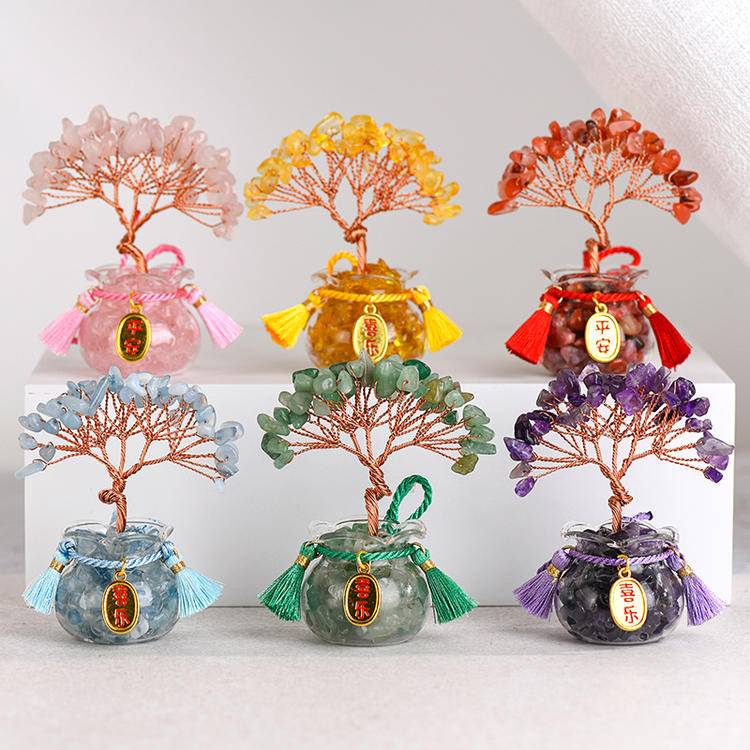
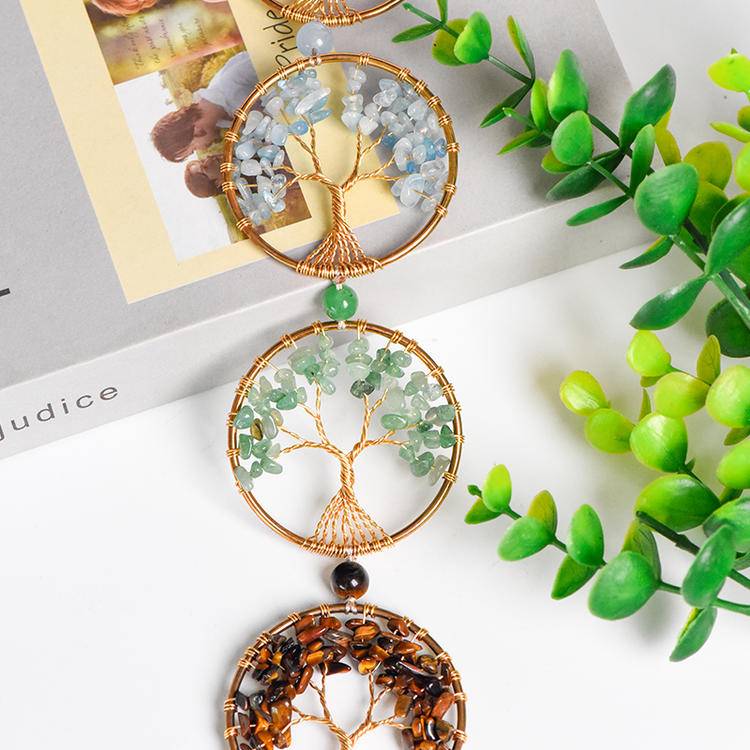
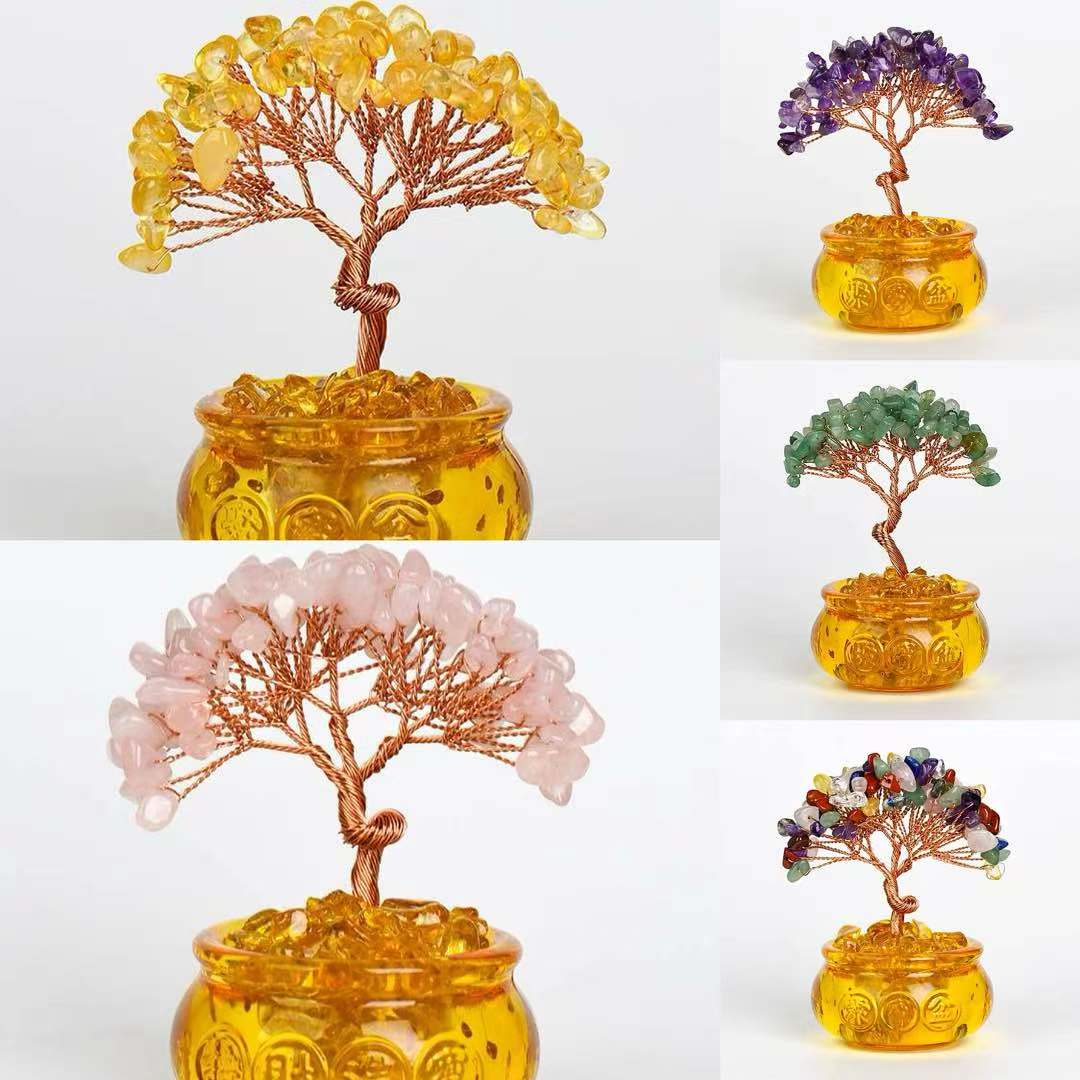
The plum blossom creates a recognizable visual identity for a small vessel that might otherwise be described solely by its function. As a decorative subject, it can be appreciated in a display or collection of crystal-themed objects. In East Asian artistic traditions, plum blossoms are sometimes associated with endurance and the arrival of a new season. That is a cultural reading of the image, not a claim about the cup’s capabilities. Whether you see that symbolism or simply like the flower, the design should be judged separately from any claim about heat or chemical compatibility.
For display, consider a stable surface where the single cup can be viewed without frequent handling. A simple background may make the blossom easier to see. If the item has been used for laboratory or industrial materials, however, do not repurpose it for display in an accessible domestic setting without following the relevant workplace procedures for contamination, cleaning, and disposal. A vessel’s history matters more than its decorative appearance. Keeping display objects and process equipment distinct is a practical way to prevent confusion about how a particular piece has been used.
Questions to resolve before technical use
The description does not give an operating temperature, capacity, wall thickness, dimensions, chemical compatibility list, or a method for heating and cooling. It also does not say whether the plum blossom detail affects the surface that contacts a sample. These are not small omissions for someone planning a laboratory operation. Select any crucible by a documented match to the procedure and the equipment available at your site. Follow the instructions of the responsible laboratory or industrial team, including handling, ventilation, containment, protective equipment, and disposal requirements specific to the materials being processed.
- Identify the exact procedure and the material that would contact the cup.
- Confirm the cup’s dimensions and how it fits the holder, furnace, or other equipment.
- Obtain a documented temperature limit and any relevant heating or cooling guidance.
- Ask for a material specification if quartz purity is critical to the result.
- Clarify whether the stated single-use designation applies to the intended process.
- Check what inspection and disposal procedures are required after use.
These checks are relevant even if a product description uses reassuring terms such as premium or durable. Such terms express a general impression; they do not define the limits of use. A specific process may be more demanding than a product can support, and a visually similar crucible may have different specifications. If information is missing, a qualified supervisor or supplier can help identify a suitable, documented alternative. Avoid guessing from the name, photograph, or category.
Understanding the single-use description
The phrase single-use appears in the short description. It should be taken seriously when planning procurement, handling, and disposal, although the reason for that designation is not explained here. It may relate to the intended procedure, contamination control, or another requirement that needs confirmation. Do not infer that a used cup can be cleaned for food service, decoration, or another experiment. Likewise, do not assume the description means the cup will survive any particular melt. Match the seller’s instructions and the site’s procedure to the actual materials involved.
There is also a tension between the product’s category and its laboratory title. It appears under crystal-themed cup merchandise, yet the short description explicitly proposes laboratory applications. Categories help shoppers find products; they are not technical classifications. If you are shopping for an ornamental plum blossom cup, verify whether the item is meant to be handled or displayed in that way. If you are shopping for a crucible, rely on process documentation and confirmed specifications. The category alone cannot settle either question.
Handling, selection, and care
Before any use, inspect the cup for visible damage and compare the delivered item with the confirmed specification. Chips, cracks, or unexpected marks can change whether a vessel is appropriate for a planned operation. Handle it according to site procedures, with tools and protective measures selected for the actual process. A cup that looks clear or cool may still be unsafe to touch after heating. The description’s reference to heat resistance does not eliminate the need for controlled cooling and proper handling.
For an unused cup kept as a decorative object, protect it from knocks and abrasive contact. Follow any seller care guidance for the plum blossom design. A soft, dry or lightly damp cloth may be appropriate for ordinary dust, but do not assume that a decorative finish tolerates solvents, scraping, or high-temperature cleaning. Keep it separate from items used for food or drink unless its intended use has been confirmed. After technical use, follow the site’s cleaning or disposal process rather than general household care advice.
Questions about the plum blossom crucible
Is a quartz material stated? Yes. The title and short description call the cup a quartz crucible. They do not provide a detailed material specification or a measurable purity grade.
Can it be used to melt any metal or salt? The description mentions metals and salts generally, but compatibility with a particular substance and procedure is not documented. Confirm suitability before use.
Does heat-resistant mean a known maximum temperature? No maximum is given. Obtain a documented rating that applies to the product and your heating method.
Is the plum blossom part of the working surface? The supplied information does not establish its placement or construction. Ask if the detail could matter for contact with a sample.
Can the cup be reused? The short description calls it single-use. Follow that designation and seek clarification if your procedure expects reuse.
May a used crucible become a teacup? Do not make that assumption. Technical use can introduce contamination, and the product has no stated food-contact qualification.
What if I want it only for display? The flower motif may make it visually appealing, but confirm what the delivered item looks like and keep it protected from impact. An unused display piece and a used process vessel require different handling.
The plum blossom gives this cup a distinctive identity, while the quartz crucible description points to a demanding use. The best selection is one supported by exact specifications and a procedure appropriate to the intended task. Where those details are unavailable, appreciate the motif without treating appearance or broad product language as proof of technical performance.