Making room for mindful brewing
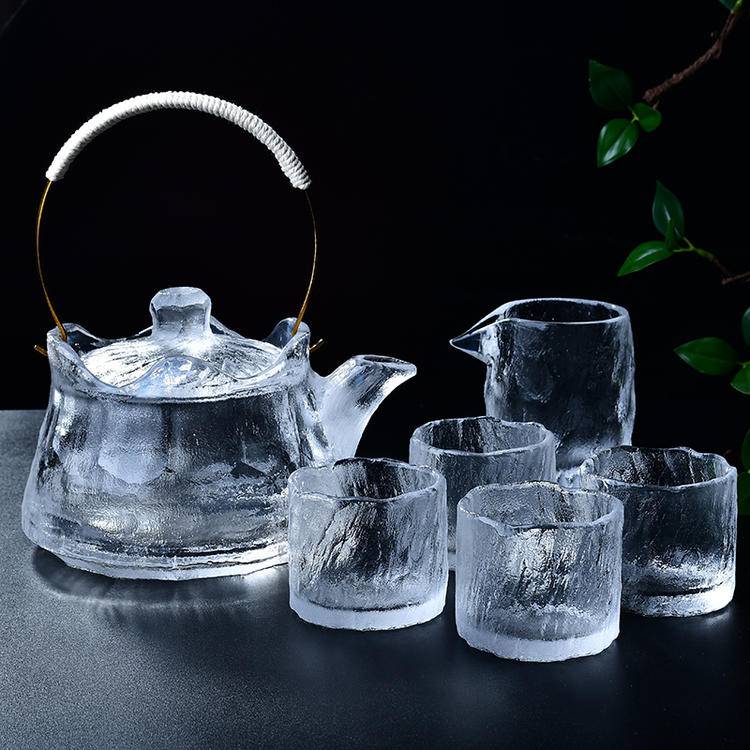
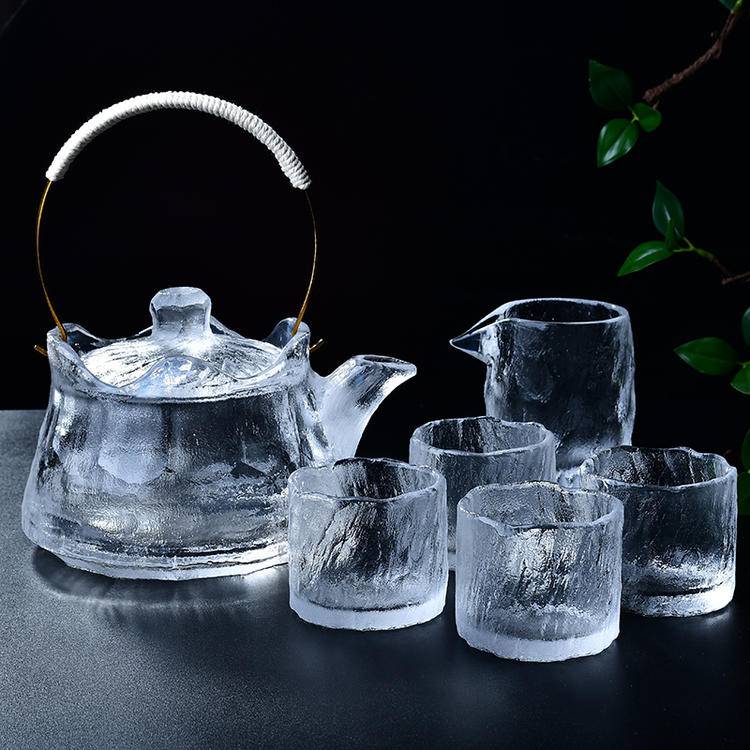
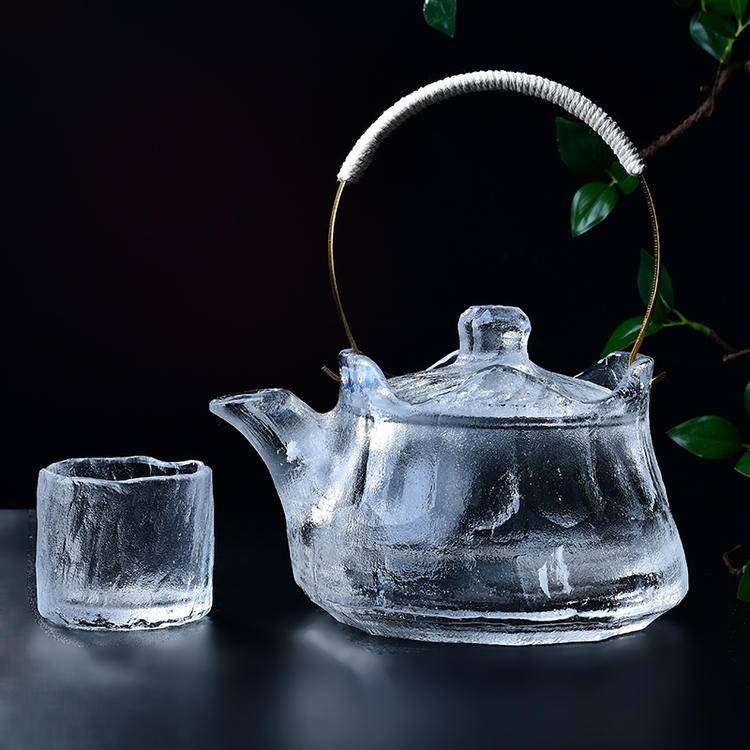
This tea set is presented around a natural crystal melting cup and the idea of a calmer brewing routine. Its short description calls the pieces handcrafted and describes crystal glassware with an elegant appearance. Those are reasons to look closely at the set’s form and finish. The phrase mindful brewing is best understood as a way of paying attention while making tea, not as a promised result from a vessel. The available description does not establish exact materials, capacities, included pieces, or a special effect on flavor, so a thoughtful selection begins by confirming those practical details.
Why the cup matters in the routine
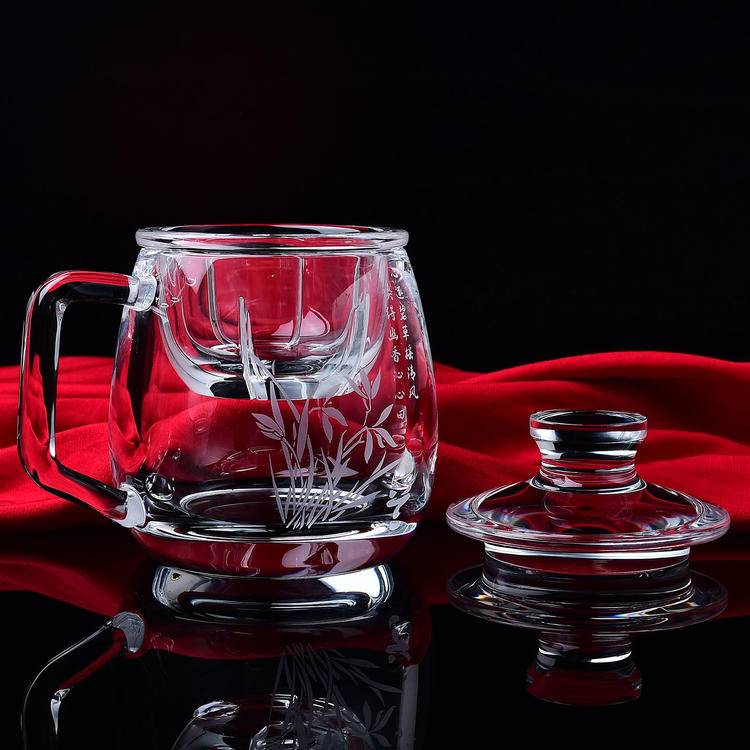
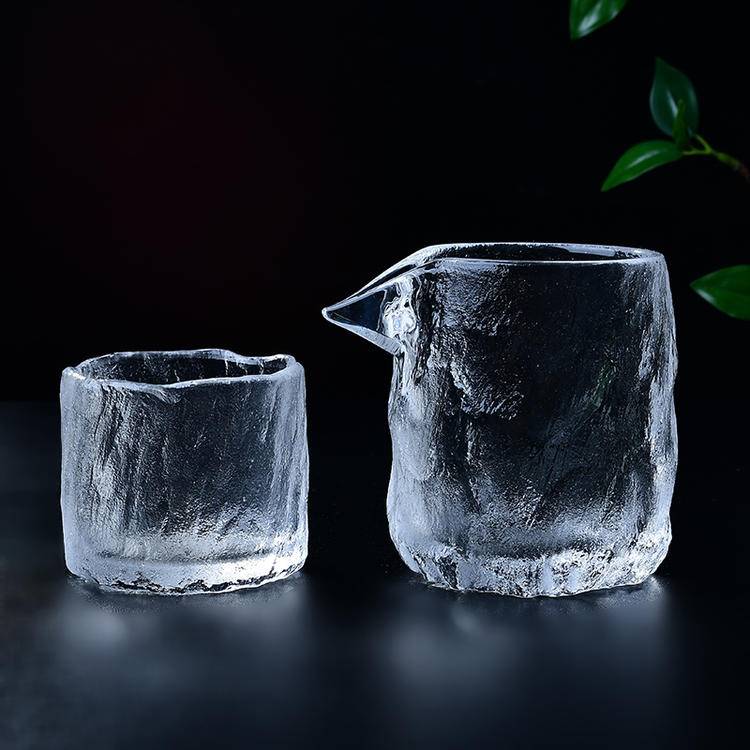
It is easy to focus on tea leaves and water while overlooking the cup used at the end. A cup shapes how a drinker handles a serving, sees its color, and pauses before another pour. The melting cup in this title gives the set a named point of interest. The description does not explain whether melting refers to a visual style, production method, or another characteristic. Rather than assume a process, consider the observable qualities shown for the current item and ask for clarification if the term affects your decision.
The short description says the set enhances flavor. That should be read as an expression of the intended experience rather than a demonstrated change in the tea. A vessel may change how someone perceives a session through appearance, handling, or the pace of serving, but the tea’s flavor also depends on leaves, water, temperature, steeping, and individual taste. The set can give those choices a pleasant setting. It should not be expected to correct a tea that was brewed too long or to produce an identical result for every drinker.
A practical approach to mindful tea
Mindful brewing can be simple. Begin by clearing a little space and choosing the tea you want to drink. Notice its dry appearance and aroma if that is enjoyable. Prepare water using suitable equipment, then pour and steep according to the tea’s guidance as a starting point. When the infusion is ready, notice its color and temperature before taking a sip. You can decide whether to change the next pour. None of these steps requires specialized knowledge, a fixed ceremony, or a claim about personal transformation.
- Set out only the confirmed pieces needed for the session.
- Check that each vessel is clean, intact, and stable.
- Prepare the tea and water with the tea’s own directions in mind.
- Pour at a pace that keeps hot liquid under control.
- Pause long enough to taste before making an adjustment.
- Clean and dry the pieces after they have cooled.
A short, repeatable routine often works better than an elaborate one that is difficult to maintain. Some days, tea may be shared and discussed; on others, it may be a brief break between tasks. The cup can mark that change of pace. It does not need to become a symbol of perfection. If the tea tastes too strong or too weak, change one brewing variable at a time and see what you prefer. This keeps the focus on an enjoyable drink and a manageable practice.
How to use the set with others
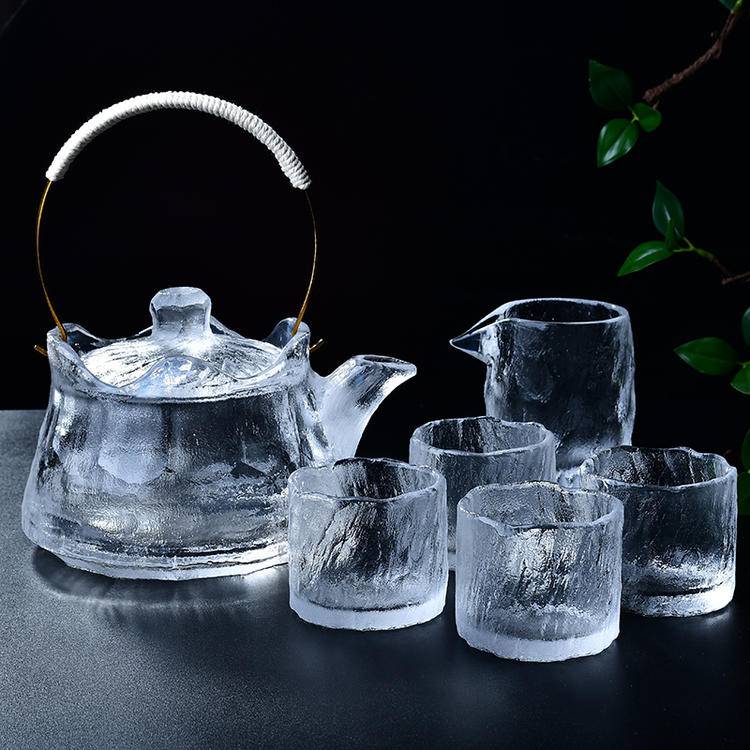
For a small gathering, arrange the tea area so everyone can see the pouring without crowding the hot vessels. Keep cups close enough to serve but far enough apart for comfortable handling. If the set includes several cups, use the confirmed number; if it does not, compatible cups from your own collection can complete the service. The current information does not specify a component count. A host should verify that count and any accessories before planning service for guests.
Mindful service can involve practical courtesy. Ask what tea people would like, provide a place to set a cup down, and let the drink cool to a comfortable temperature. A clear or reflective vessel may draw attention to the liquor’s color, but everyone should be free to drink at their own pace. The pleasure comes from the conversation and tea as much as from the presentation. A premium description can suggest an elevated look; it does not require formality in the way the set is used.
Selection points before purchase
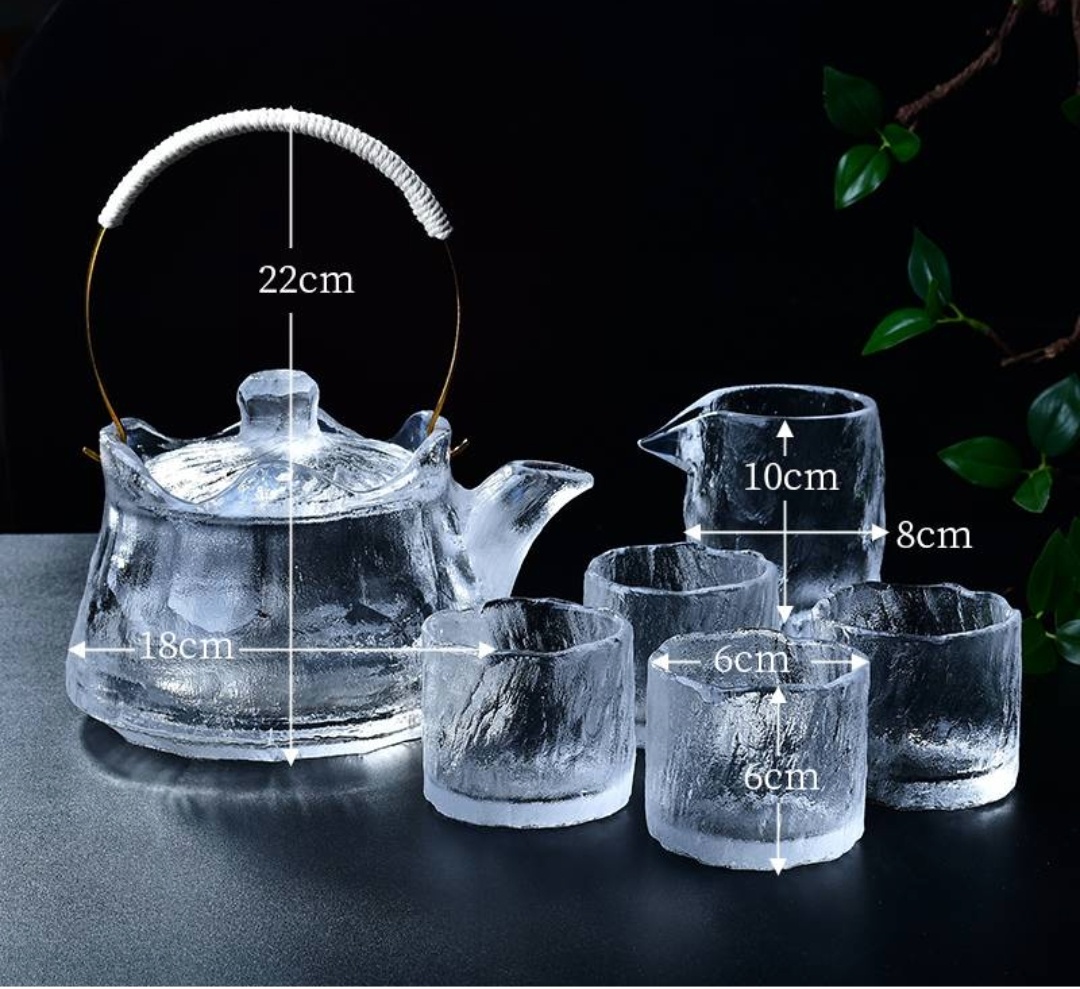
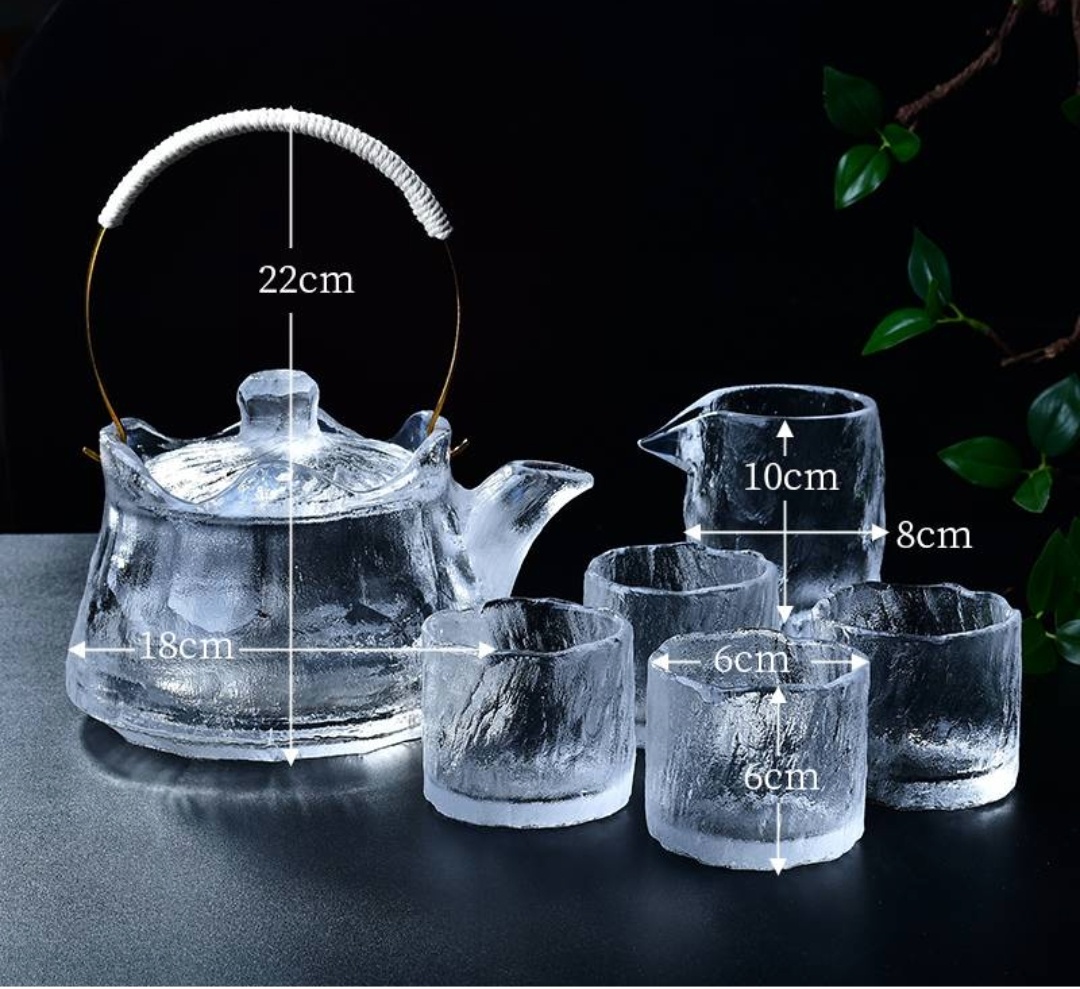
Find out exactly which pieces are included and how the melting cup fits with the rest of the set. Is it the primary drinking cup, one of several cups, or a separate feature of the presentation? The available text does not answer. Confirm dimensions and capacities if you have a preferred brew size. A vessel that feels right for tasting small portions may not fit someone who usually drinks a full mug. There is no universally ideal size; the useful size is the one that matches your routine.
Ask for a precise material description if the distinction between crystal, crystal glassware, and a natural stone matters to you. The wording provided here does not establish a specific mineral or manufacturing process. Material clarity also helps with care. Check what temperatures and washing methods are approved for each piece. The set’s description says durable, but that does not identify a dishwasher setting, direct-heating method, or tolerance for rapid temperature change. These details should be confirmed rather than inferred from broad product language.
Consider how the set will look and feel in your space. A polished or clear finish may show fingerprints and water spots more readily than an opaque one. It can also make the tea’s appearance easier to appreciate. Look at current photographs to judge shape, clarity, color, and the practical surfaces you will touch. If photographs include a tray, tea leaves, or decorative objects, check whether those are included or simply used for styling. The decision is easier when the visual appeal and the actual inventory are separated.
Care that supports regular use
Product-specific care guidance should take priority. If no method has been confirmed, gentle hand washing with a soft sponge is a cautious approach to finished teaware. Allow pieces to cool before cleaning, rinse away tea residue, and dry with a soft cloth if you want to limit marks. Avoid abrasive tools and crowded storage where polished surfaces or rims can hit each other. Do not place a piece into a dishwasher or microwave without an explicit statement that it is suitable for that use.
Take a moment to inspect the cup and any accompanying vessels before pouring hot tea. A damaged rim can be unpleasant to drink from, and a crack may make hot-liquid use unwise. Set aside a damaged piece rather than trying to continue a ceremony around it. For display, choose a stable shelf away from frequent bumps. A set intended for a serene routine works best when it can be used and put away without a fragile balancing act.
Style, symbolism, and limits
Crystal-themed objects are sometimes linked in personal traditions with clarity or reflective attention. Those associations may add meaning to a tea ritual, but they should remain symbolic. The cup does not provide a verified medical, emotional, or supernatural effect. Similarly, the phrase natural should not be treated as proof of a particular origin. The dependable reasons to choose this set are the confirmed design, the included pieces, the way they handle, and the enjoyment of using them.
Some people will find that a dedicated set helps them slow down, while others may prefer an ordinary cup and kettle. Both approaches can support careful brewing. This product may particularly suit someone who enjoys visible tea presentation and likes the idea of setting aside a small area for tea. It may be less suitable for someone who needs specific capacities, machine washing, or direct heating unless those uses are confirmed for the exact pieces.
Questions about the mindful brewing tea set
Does the melting cup change the flavor of tea? No measurable flavor effect is established. Its appearance and handling may change the experience of serving and tasting, while brewing choices remain central to flavor.
What does natural crystal mean here? The available description does not give a precise composition or origin. Ask for that information if it is important to you.
Is the set meant for a formal ceremony? It can be arranged for a deliberate tea session, but the description does not require a particular tradition or sequence.
How many cups are included? The component list is not provided in the available details. Confirm the current contents and quantities before planning for a group.
Can I use boiling water or heat the cup directly? No specific temperature limit or heating method is stated. Follow product-specific guidance and use appropriate equipment to heat water.