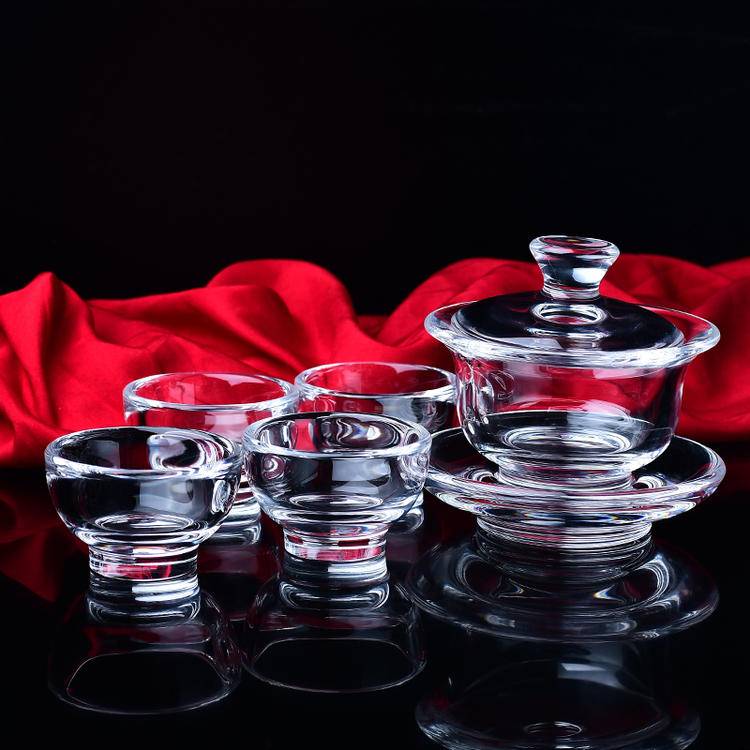
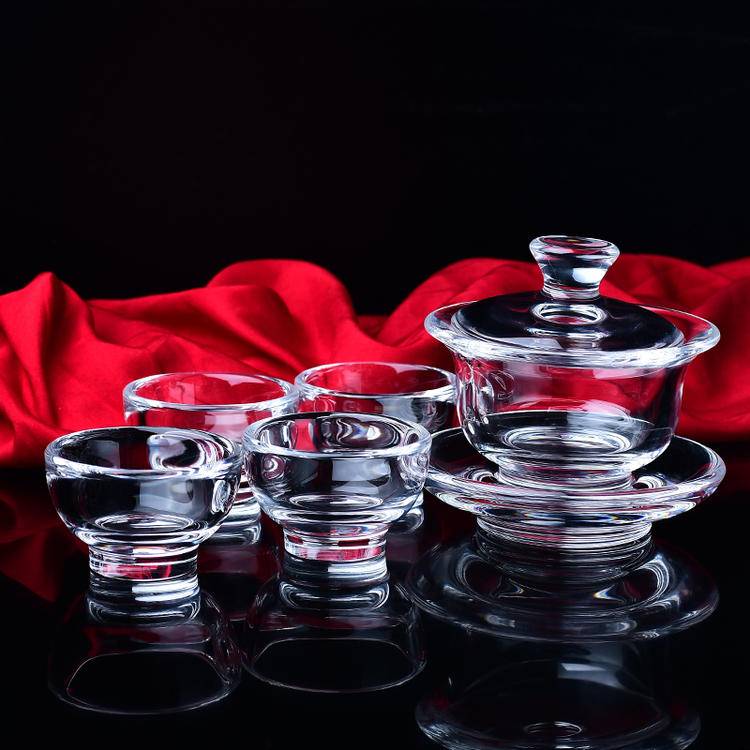
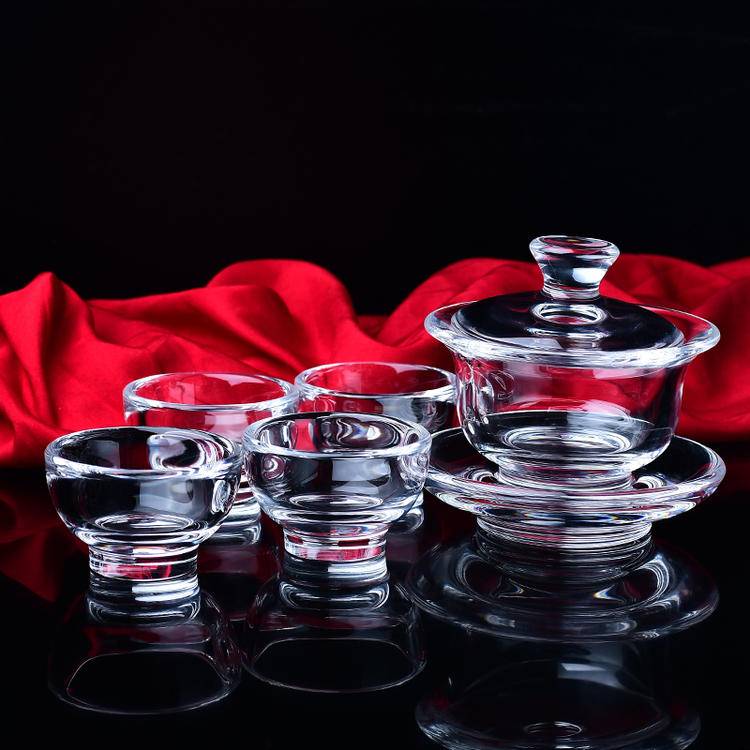
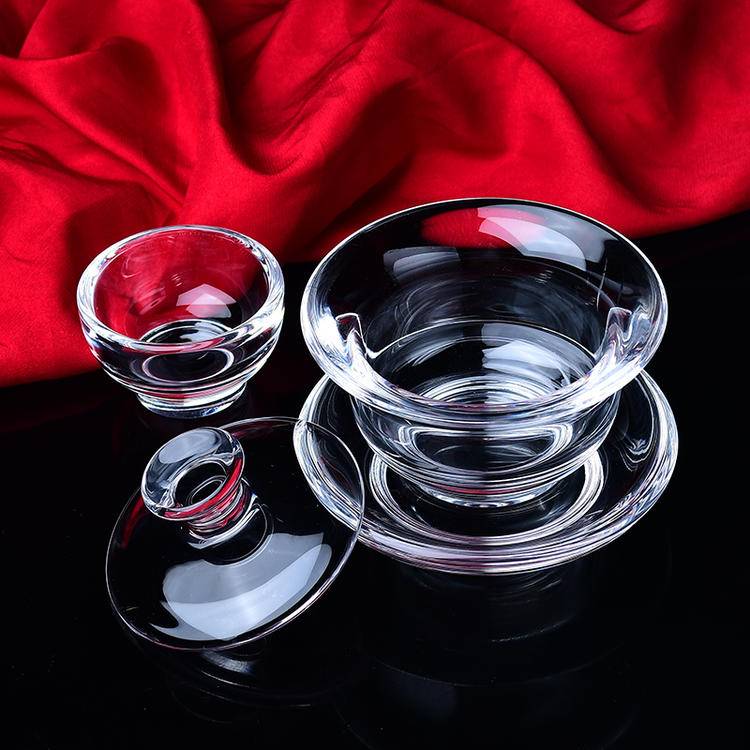
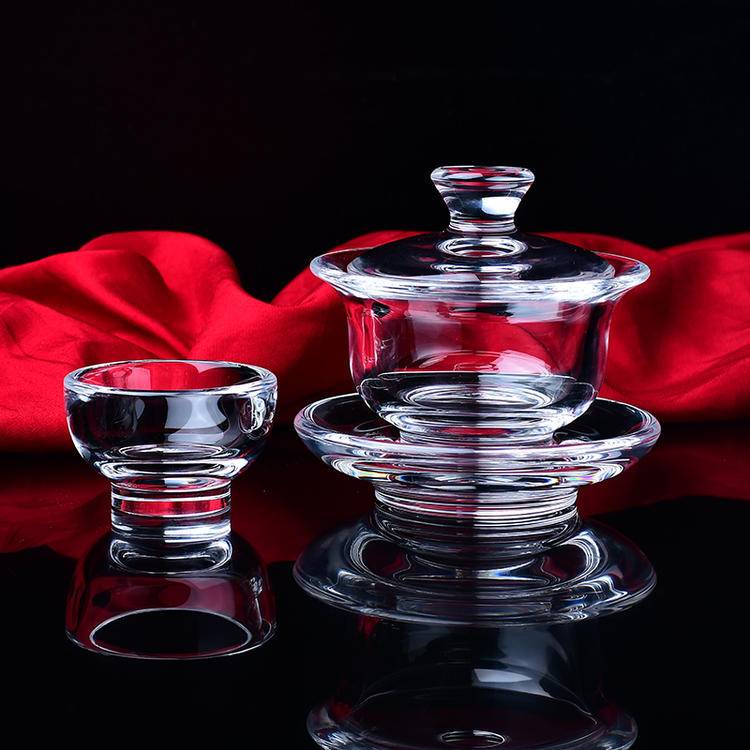
A crystal-style cup alongside a Sancai gaiwan
This product brings two named elements into one tea setting: a natural crystal melting cup and a Sancai gaiwan set. The short description emphasizes a handcrafted presentation and mindful brewing. Those cues suit a tea session where the preparation is visible and the drinker pays attention to each pour. The title identifies a gaiwan, but the available details do not list every included component, establish their sizes, or specify the material composition behind the term crystal. Confirm the current contents before treating photographs or familiar gaiwan conventions as an inventory.
What a gaiwan brings to tea preparation
A gaiwan is a covered tea vessel commonly used to steep leaves and pour an infusion. The name Sancai is often associated in tea culture with a three-part arrangement of lid, bowl, and saucer, and with symbolic readings of their relationship. That tradition can add meaning for someone who enjoys it. The product details here do not independently confirm each included part, so the current listing should be checked for the actual configuration. A buyer who needs a saucer, a matching cup, or a particular number of drinking cups should verify those points directly.
In practical use, a gaiwan invites close attention to the leaves and liquid. A lid can help contain the infusion while brewing and guide a controlled pour, provided the vessel has the expected construction and is used according to its instructions. The method can be satisfying because the tea is prepared in a compact space and tasted in successive portions. It can also require practice: the rim, lid, and bowl may be warm, and pouring smoothly takes coordination. New users can learn with unhurried movements and a setup that leaves enough room for hands.
The role of the melting cup
The melting cup named in the title gives this set a different focal point from an ordinary gaiwan listing. It may serve as a drinking vessel or part of a broader presentation, depending on the actual contents and product guidance. Its natural crystal description is a visual and material claim that deserves precise clarification if composition matters to you. Avoid assuming a particular stone, origin, or manufacturing process from the name alone. The most reliable way to judge its fit is to confirm its shape, capacity, care guidance, and relationship to the gaiwan in the current product information.
A cup can make the final stage of brewing feel distinct. After leaves have been steeped and the infusion poured, the drinker has a moment to notice aroma, color, and temperature before tasting. Those observations do not require the cup to alter flavor or provide a special effect. They come from slowing the sequence enough to pay attention. The visual finish may be especially appealing for tea whose color you enjoy seeing, though lighting and the cup’s actual appearance will affect that experience.
Planning a measured tea session
- Clear a stable surface and arrange the confirmed parts within easy reach.
- Inspect the gaiwan and cup for cleanliness and any visible damage.
- Choose a tea and consult its preparation guidance for an initial water temperature and steeping time.
- Prepare hot water in suitable equipment; do not assume the serving pieces can be heated directly.
- Begin with a comfortable amount of liquid so the vessel is easier to control.
- Pour slowly, keeping fingers clear of hot water and steam.
- Taste, then adjust the next infusion according to your preference.
The sequence is intentionally flexible. Some tea traditions use several short infusions, while other drinkers prefer fewer, longer brews. Neither method can be prescribed from this product description. The vessel’s confirmed capacity, the tea selected, and the drinker’s comfort should guide the session. If the set is used with friends, prepare a pouring path that does not cross hands or require reaching over someone else. Simple organization can make the experience feel more attentive without turning it into a rigid performance.
Choosing for the way you brew
Ask first whether the current set includes the lid, bowl, and saucer you expect from the Sancai name, and whether the melting cup is separate. Confirm any additional cups or accessories shown. The description does not provide quantities. A person who already owns a tea tray or sharing vessel may only need the named core pieces; someone beginning a setup may need to plan for other items. Checking the complete inventory avoids a mismatch between the image imagined and the arrangement that can actually be made at home.
Capacity matters for a gaiwan. A small vessel may favor focused tasting, while a larger one may be easier for a group, but no capacity is provided here. Ask for the measurements if you have a preferred serving size. Consider the shape of the rim and the way the lid rests, using current photographs or additional details where available. These features can influence comfort during pouring. If you have limited hand mobility or are uneasy handling warm vessels, assess whether a gaiwan method feels suitable before making it part of a daily routine.
Then clarify heat and cleaning instructions for both the gaiwan and the cup. A description of teaware for tea ceremony does not establish stove, microwave, or dishwasher compatibility. The cup and gaiwan may also have different handling needs; do not assume that one set of instructions covers every component. Ask about direct contact with boiling water if that is essential to your preferred tea. Until precise guidance is available, use a cautious approach and avoid sudden temperature changes.
Visual style and display
The combination of a cup and gaiwan can look composed even with minimal accessories. Leave open space around the vessels so the movement from brewing to pouring remains clear. A plain cloth or tray can define the tea area, while the finished surfaces provide the visual interest. The product description calls the set elegant, and that is a reasonable aesthetic intention; the exact color, transparency, and texture should be judged from the current item rather than presumed from the word crystal.
When the pieces are not in use, they may sit together as a display of a familiar tea form. Keep them on a secure surface where lids and cups cannot be knocked off. If you use the set frequently, a nearby storage place for tea and a cloth may be more useful than an elaborate arrangement. A good tea space is one you can set up and clear without difficulty. The design can support an occasional ceremonial mood, but it should still work with ordinary cleaning and storage habits.
Care and sensible handling
Follow any product-specific instructions provided with the set. For a polished or delicate-looking surface, gentle hand washing is a cautious default when no other method has been confirmed. Use a soft sponge, rinse thoroughly, and let hot pieces cool before introducing cooler water. Dry them with a clean, soft cloth if you want to reduce water marks. Keep the lid, bowl, saucer, and cup from striking one another during washing or storage, if those are the confirmed components.
Inspect any vessel that has taken a knock before using it with hot liquid again. A chip near a rim or pouring edge can affect comfort and safe handling. Do not try to compensate for damage by changing your grip during a hot pour. Set the piece aside if its condition is uncertain. Careful handling is especially valuable with a gaiwan because the user manages both liquid and a movable lid in close proximity to the hands.
Meaning without promised effects
In traditional interpretations, the Sancai idea can invite reflection on relationships between the tea drinker, the vessel, and the wider setting. Different communities may express that symbolism differently. It is appropriate to enjoy the association as part of a tea practice, while recognizing that the product does not provide a verified personal outcome. The value of a mindful brewing session lies in the attention given to preparation, taste, and company, not in a guaranteed effect from the cup or material.
Questions about the Sancai gaiwan set
Does Sancai mean three pieces are included? The term has a familiar three-part association, but the available product details do not confirm the exact inventory. Check the current contents before relying on that expectation.
Can a beginner use a gaiwan? Yes, if the confirmed vessel suits their hands and they proceed carefully. Start with a small, manageable pour and take time to learn the grip.
Is the melting cup made from a particular natural stone? No precise mineral or composition is identified here. Request that information if it is important to your choice.
Will the cup make tea taste purer? The description does not establish a measurable flavor change. Tea choice, water, brewing, and personal perception all affect taste.
Can I heat the set directly? No approved heat source or temperature limit is stated. Use dedicated water-heating equipment and seek component-specific instructions for any other use.