

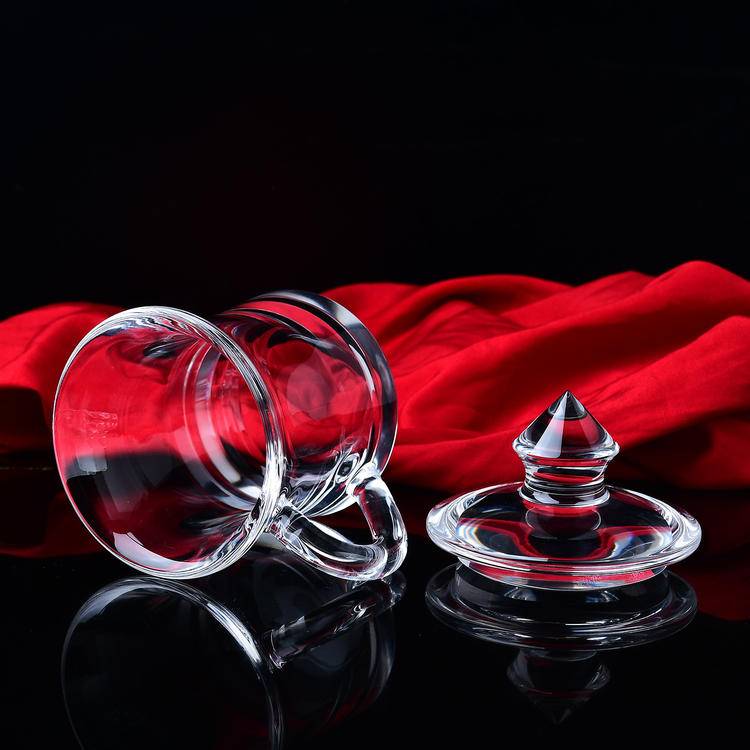
A handled cup for tea and personal rituals
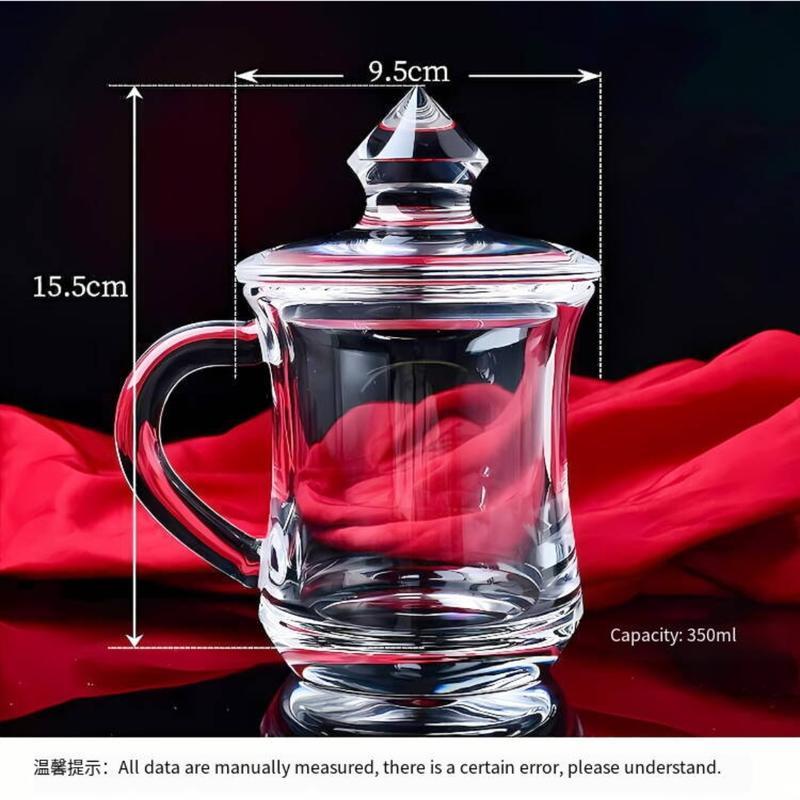
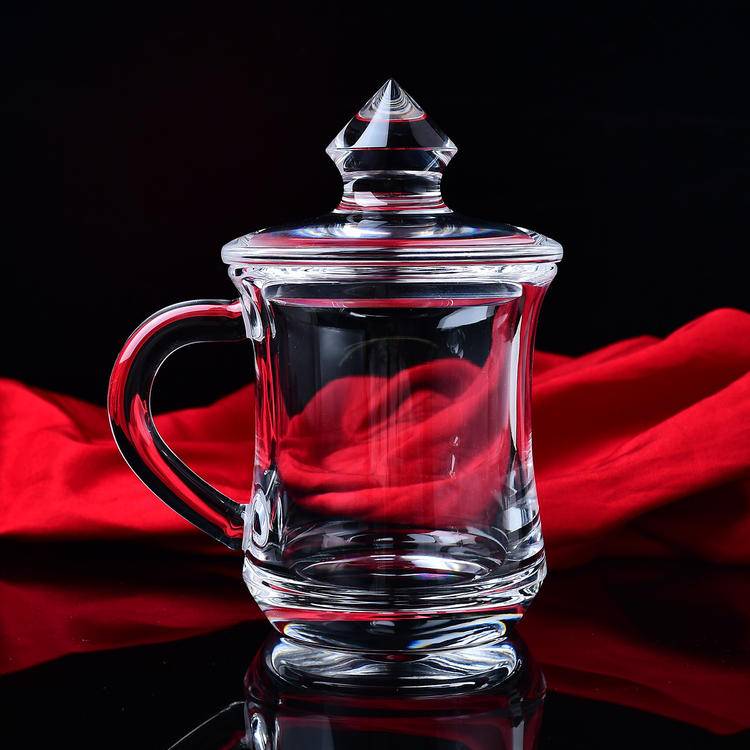
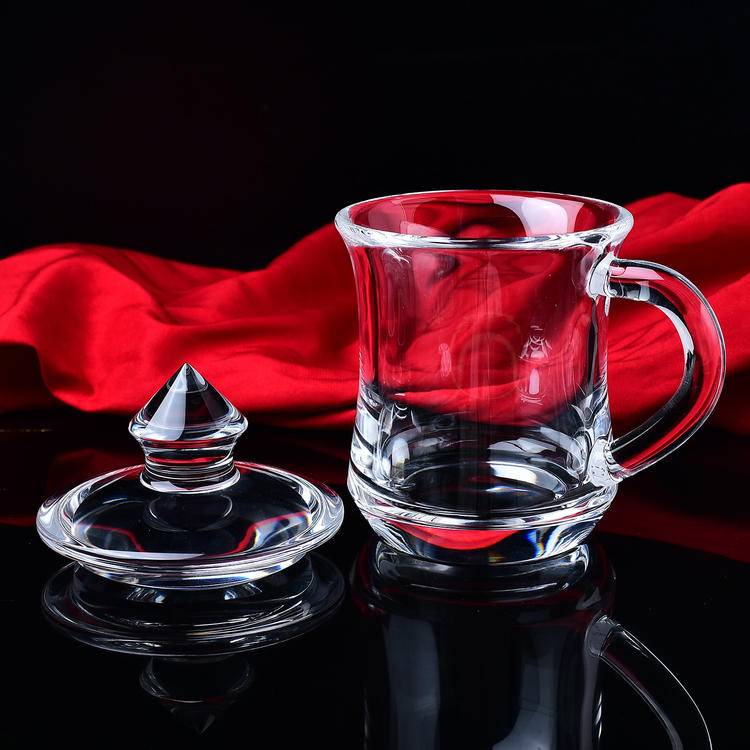
The defining feature of this cup is its handle. The title describes hand-blown quartz glassware, while the short description calls it a handcrafted vessel made from pure quartz crystal glass. It is presented for tea, rituals, and the melting of herbs or incense. Those suggested activities are quite different in practice, so the intended use should guide your choice. For tea, the handle offers a visible place to grip. For any use involving direct heat, smoke, or a burning substance, the product needs instructions and specifications that are not included in the supplied description.
A handle changes how a cup sits in the hand and on a tray. It can help distinguish the vessel from a handleless tea bowl, especially when you want to lift and replace it repeatedly during a quiet routine. It does not make a hot cup safe to touch automatically: the handle itself may become warm, and its strength and attachment method are not specified. When preparing a drink, place the cup securely, pour with care, and check its temperature before lifting it. Use the handle gently rather than treating the word sturdy as a measured load rating.
Making the handle part of the setting
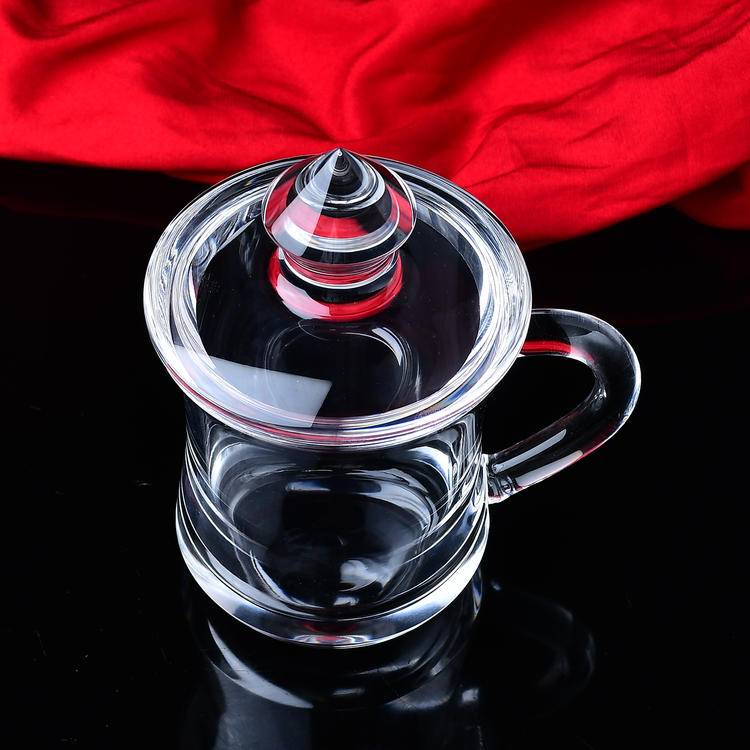
In a tea arrangement, consider which way the handle will face when the cup is set down. A position that feels natural to the user can make a simple pause more comfortable. Leave enough clearance from a teapot, tray edge, or neighboring object to reach the handle without twisting the cup. If you display the vessel between uses, turn it so the handle and the clear body can both be seen. Its outline may be more expressive than that of a straight-sided cup, even without additional ornament.
The description’s hand-blown and handcrafted terms point to a making process, but they do not establish that every finished piece has identical shape or finish. If a precise fit matters, obtain the actual dimensions. If visual character matters more, look for photographs that show the cup from several angles, including the handle connection. The title does not state a capacity, weight, wall thickness, or included accessories. Those details are worth confirming if the cup must work with an existing saucer, infuser, or storage shelf.
Tea use within known limits
The listing presents tea as an intended use. Prepare tea in the manner appropriate to the tea itself, and use the cup according to any care and temperature guidance supplied with the item. The clear material can make the drink’s color visible, giving an ordinary cup of tea another point of interest. It can also show fingerprints and residue easily, so cleaning and drying will matter to its appearance. If you prefer to handle hot tea only with a grip, check the handle’s comfort for your hand before making the cup part of a regular routine.
The description calls the vessel high-temperature resistant, but gives no numerical limit or approved method of heating. Do not infer that it can go on a stovetop, over a flame, inside a furnace, or in any particular appliance. A cup designed to receive a hot drink may face very different conditions when heated directly. Sudden changes in temperature can also be a concern for vessels unless the maker specifically permits them. Confirm the actual instructions before using boiling liquid or applying heat in any other way.
Ritual use as a personal choice
Some people organize a ritual around preparing tea, arranging a space, or pausing with a familiar object. In that context, the handled cup can be a practical vessel and a visual reminder of the sequence you have chosen. There is no prescribed meaning or outcome attached to it. The short description also mentions herbs and incense, but it does not explain how the cup should hold or heat them. Burning materials introduce heat, smoke, residue, and local safety requirements; do not treat a tea cup as a burner without product-specific confirmation that it is suitable.
A simpler ritual need not involve combustion at all. Set out the cup, prepare a drink in a suitable way, and allow time to notice the aroma, color, and feel of the handle. If you prefer a decorative role, keep the empty cup in a place associated with your practice. These are choices about how you use a space, not claims that quartz glass has a particular effect. Select the role that fits the confirmed properties of the item and the atmosphere you want to create.
- For tea, check the cup for damage and confirm care instructions before serving.
- For display, leave room around the handle so it cannot be caught by passing objects.
- For a personal ritual, choose actions that are safe for the confirmed material and design.
- For any proposed melting or burning use, obtain an explicit approved method and temperature range first.
Care, storage, and expectations
Inspect the rim, body, and handle before use. A visible crack, chip, or loosened connection is a reason to set the cup aside. Clean it as directed by the seller or included instructions. Where no method is available, a soft cloth and gentle hand washing are cautious approaches for ordinary tea residue, but confirm whether the product has any surface treatment that requires different care. Dry it before storage, and avoid stacking heavier objects against the handle.
If the cup has ever been used for incense, herbs, or another nonfood substance, keep it separate from drinkware unless a qualified cleaning procedure and the product’s intended use support returning it to tea service. The easiest way to avoid uncertainty is to decide on a role for the cup and keep that role consistent. A handled vessel can support a pleasant routine, but it cannot remove the need to choose suitable ingredients, equipment, and safe practices. Durability describes an aspiration in the short text, not freedom from breakage.
Questions about the handled quartz glass cup
Is the handle guaranteed to stay cool? No such guarantee or temperature information is supplied. Check it carefully whenever the contents may be hot.
Can I put the cup directly over a flame? The available description does not provide an approved direct-heating method. Confirm that use with documented product instructions before attempting it.
Is it intended for tea? Tea is explicitly named in the title and description. Follow confirmed care guidance and inspect the item before drinking from it.
Can it melt incense or herbs? The short description suggests those uses but does not state a procedure or operating limits. Do not infer compatibility with burning or direct heat.
Does hand-blown mean every cup will match a photograph exactly? The supplied text does not define an appearance tolerance. Request photographs or measurements if a particular look or fit matters.
What should I consider when gifting it? Think about whether the recipient wants a handled tea vessel, a decorative object, or an item for a specific practice. Clarify specifications for any demanding use.
Is the cup associated with a particular tradition? No named tradition is documented. It can be incorporated into a personal tea or reflective routine without implying a ceremonial origin.
The handle makes this vessel distinct and potentially convenient for tea service. Its broader title invites other uses, but each should be checked against the item’s actual instructions. Kept within confirmed limits and cared for gently, it can serve as a clear, expressive part of a chosen setting.