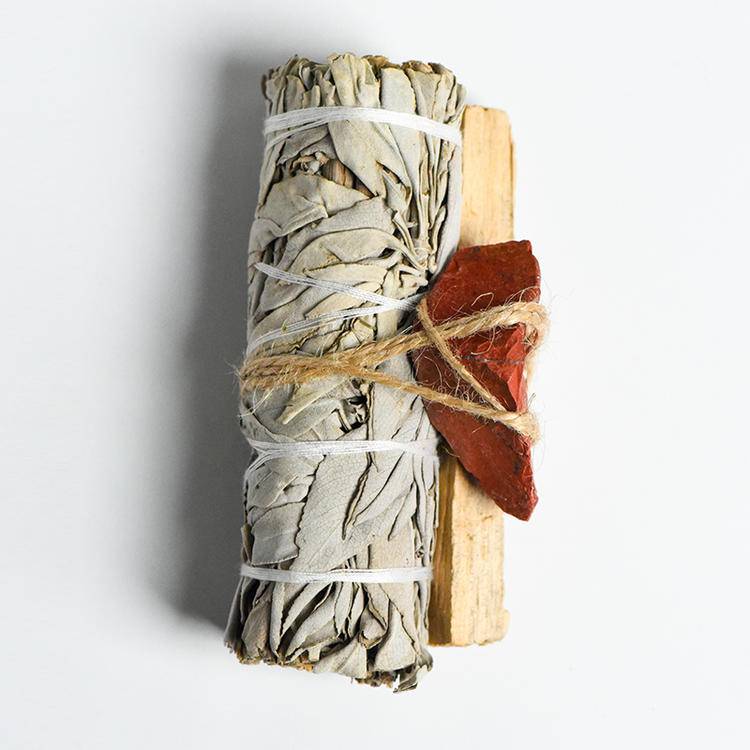
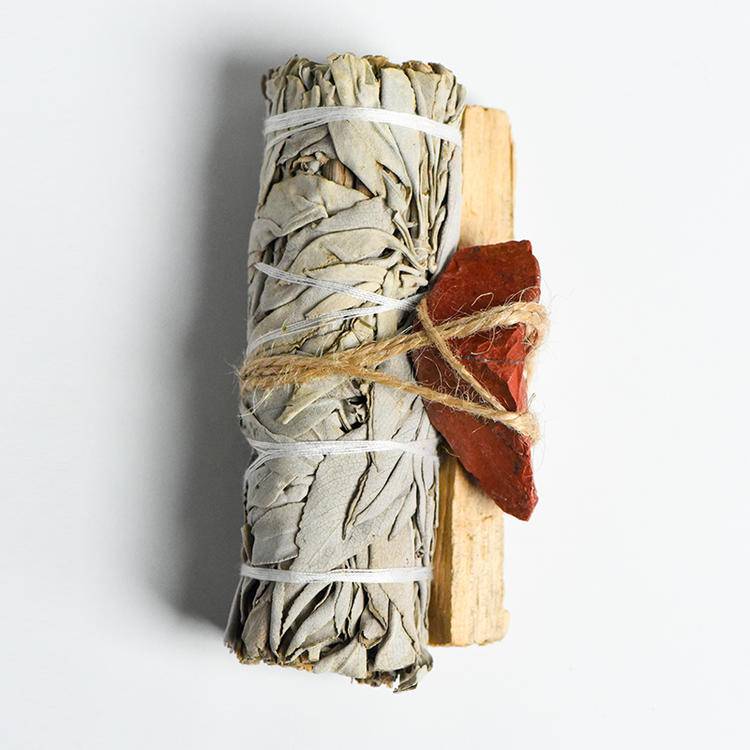
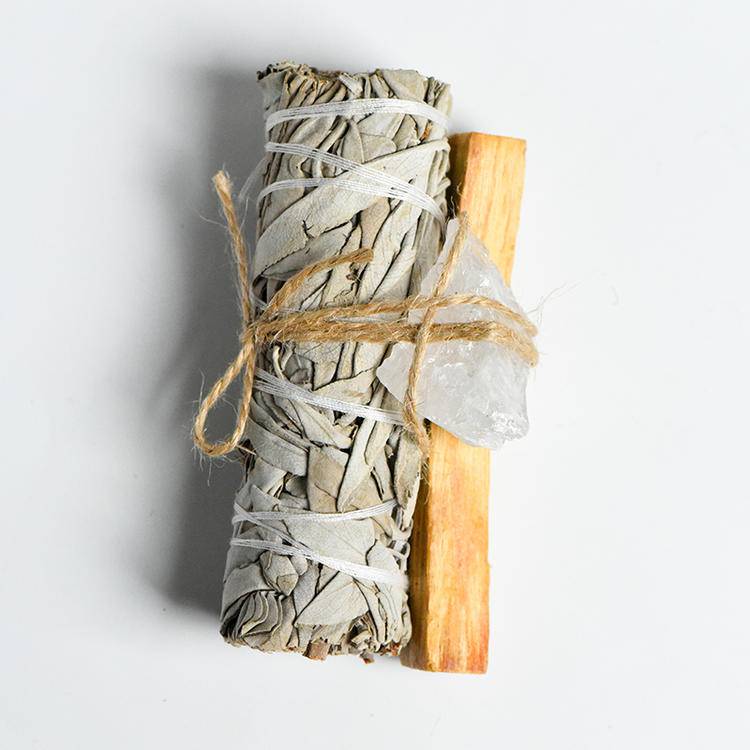
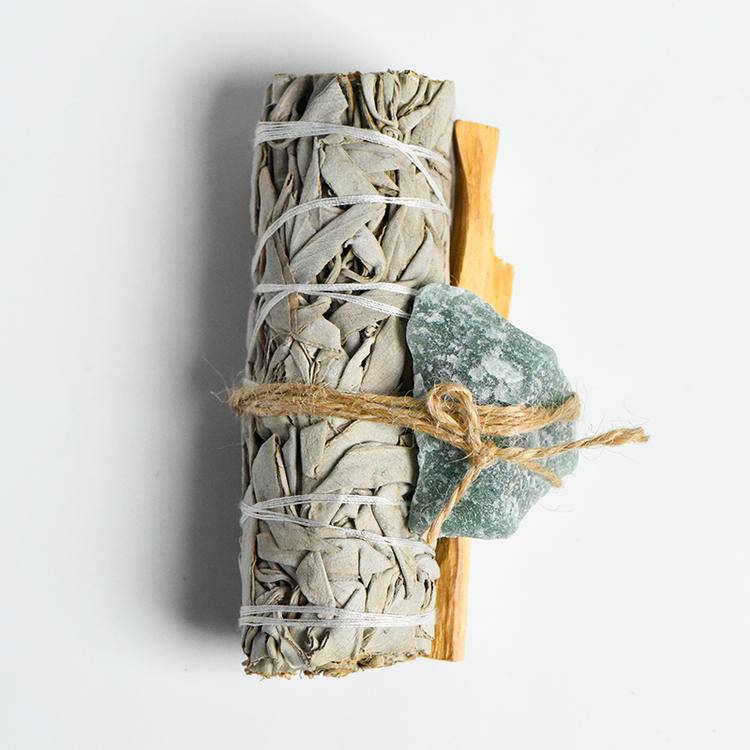
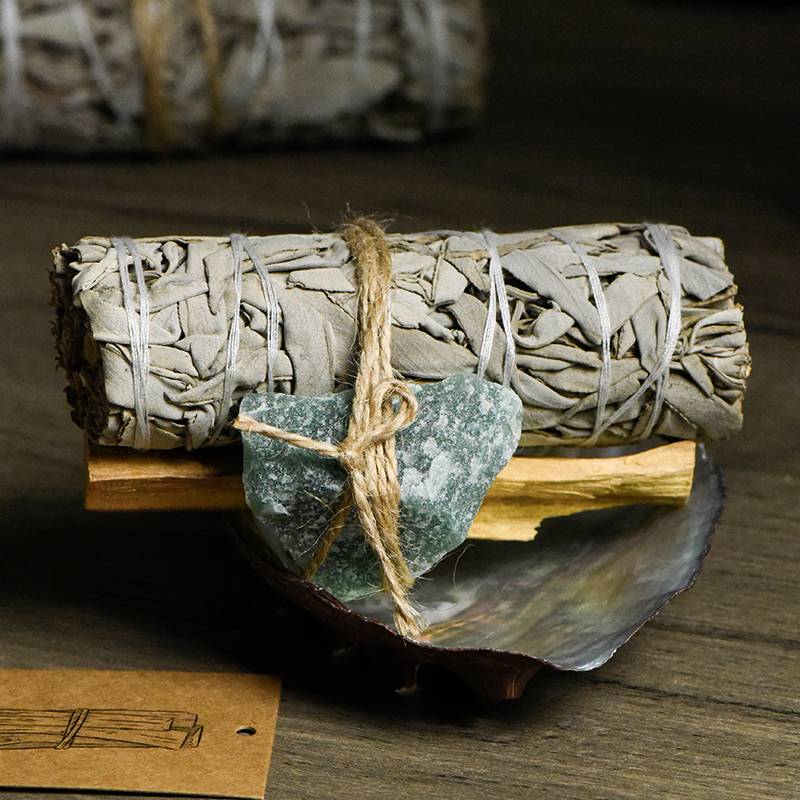
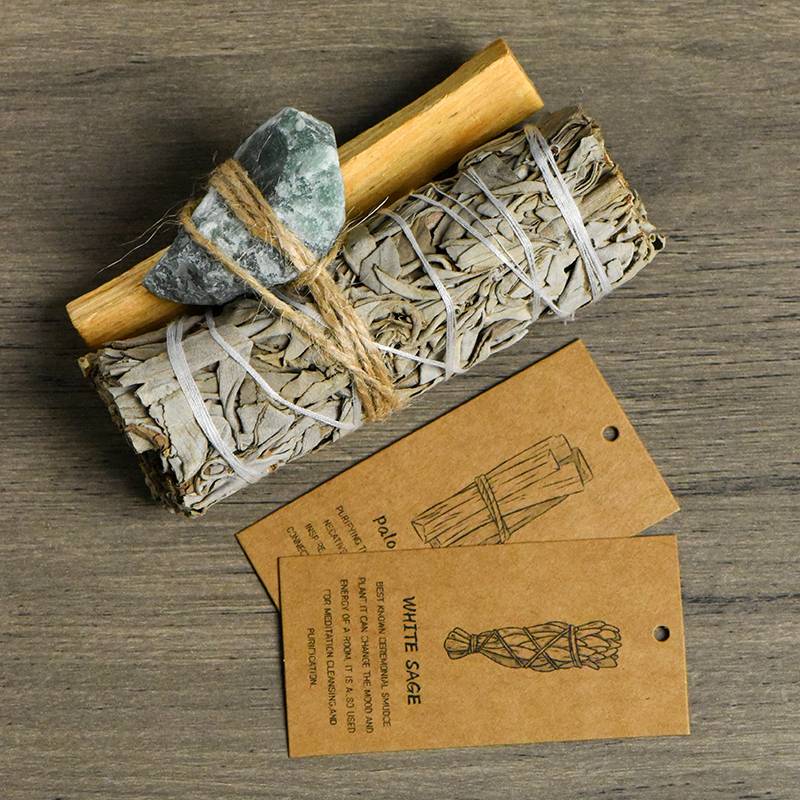
A Reflective Set Built Around Sage, Palo Santo, and Raw Stone
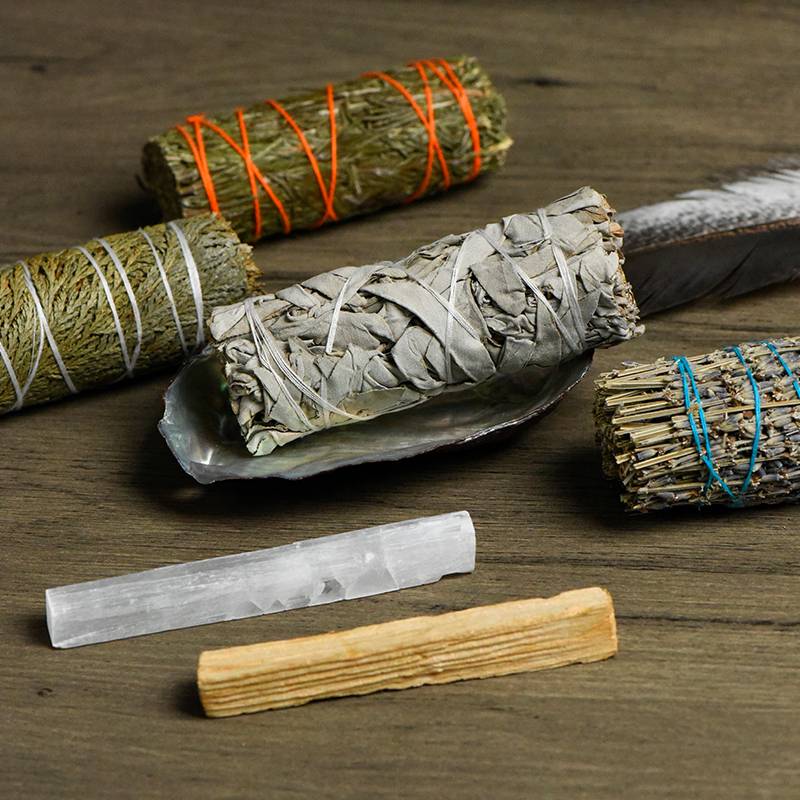
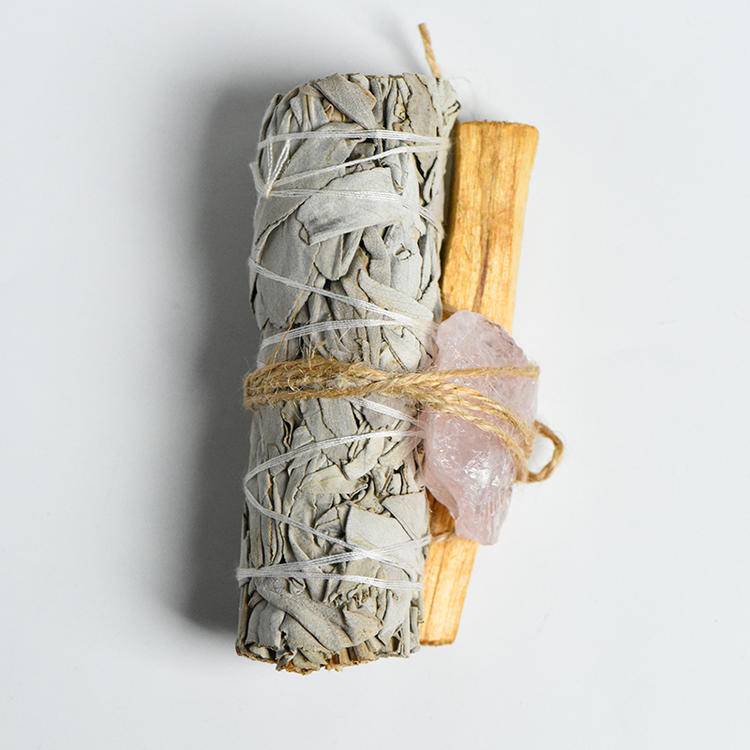
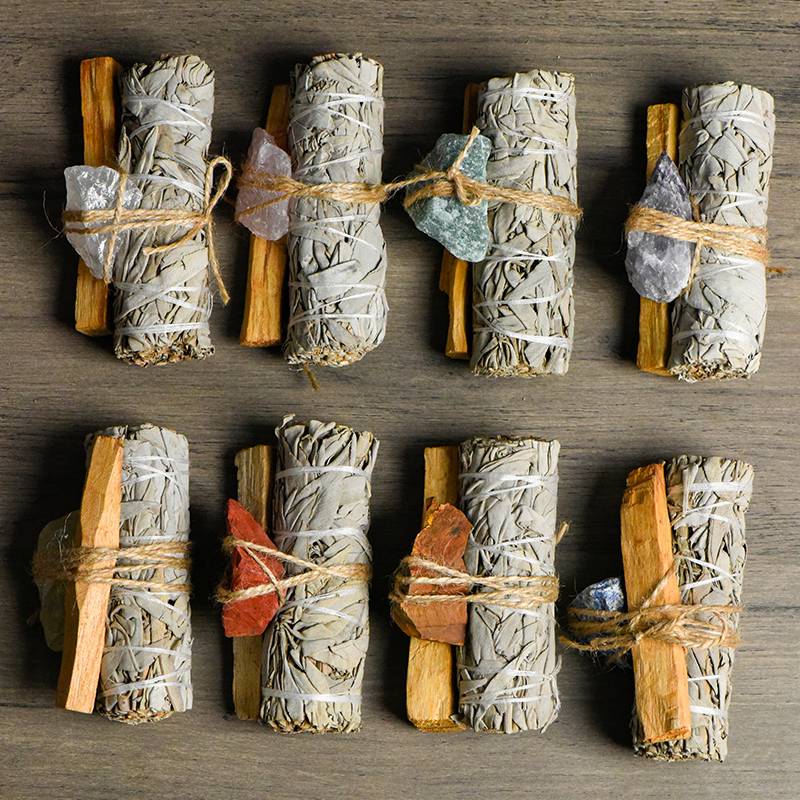
The set is described with dried white sage, Palo Santo wood, and a raw stone for a personal space-clearing ritual. The variation list names eight stone choices: Red Jasper, Clear Quartz, Green Aventurine, Amethyst, Lapis Lazuli, Tiger’s Eye, Citrine, and Pink Quartz. This makes the stone selection a meaningful part of choosing the kit. The title’s words healing and purification describe a spiritual framing; they should not be read as medical effects or as a promise that using the objects will change a room, a person, or an outcome.
Choose the named stone thoughtfully
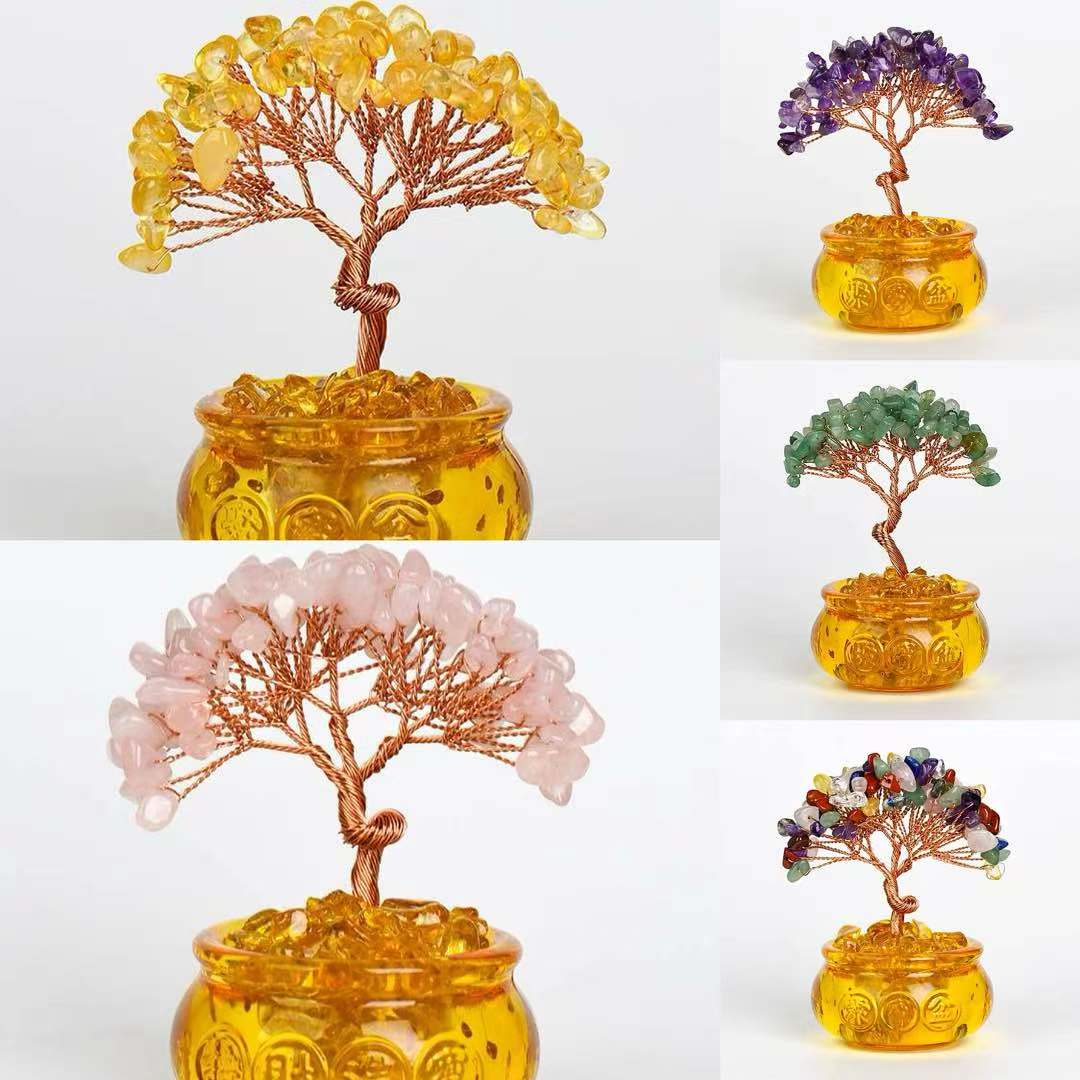
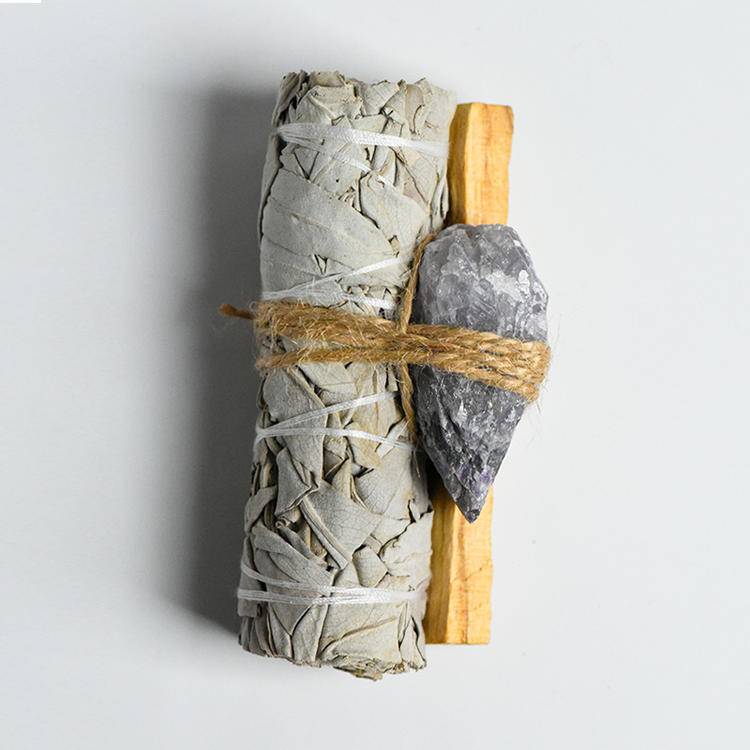
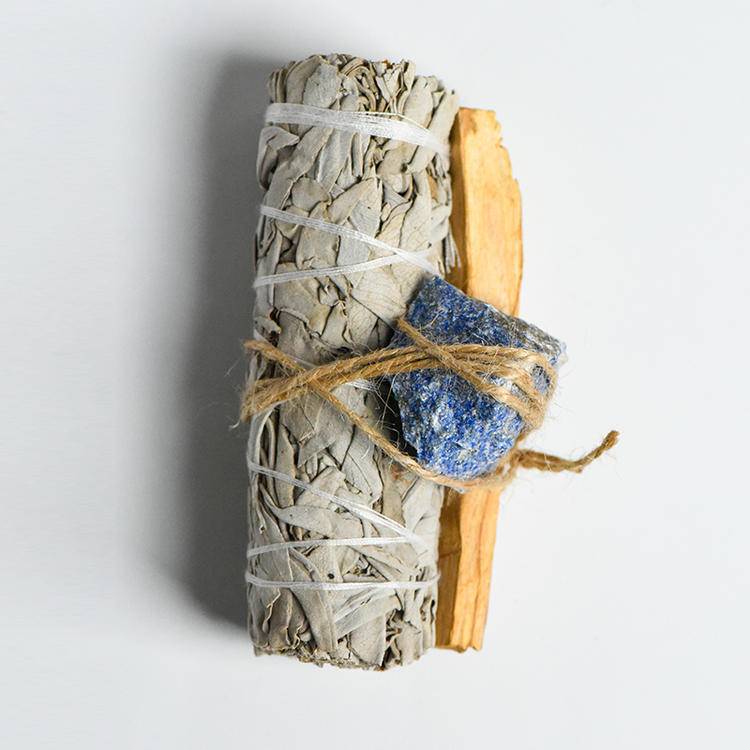
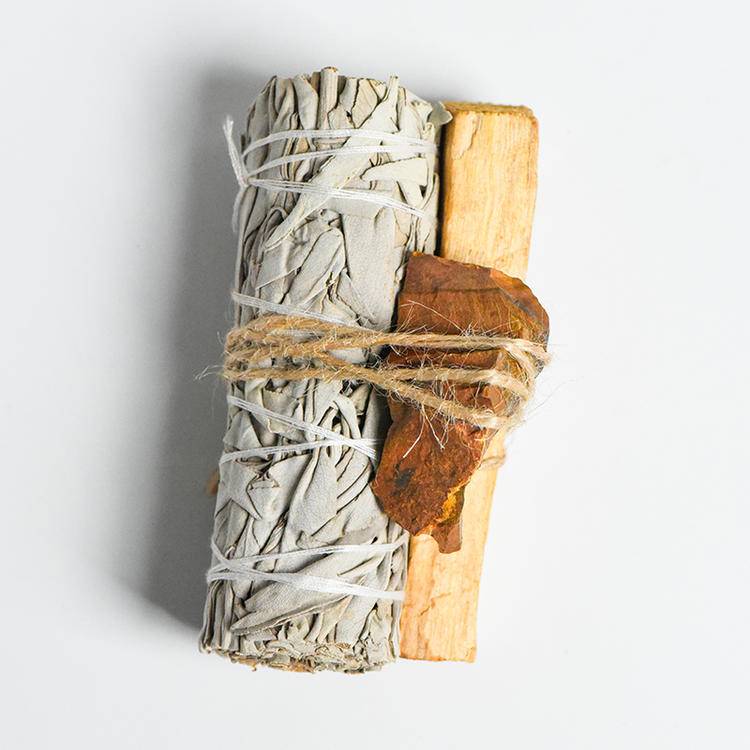
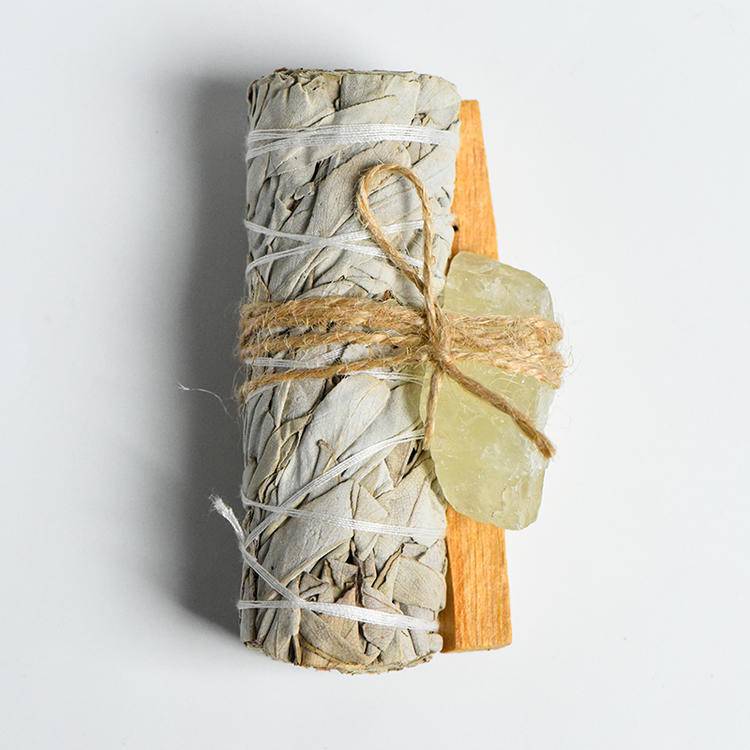
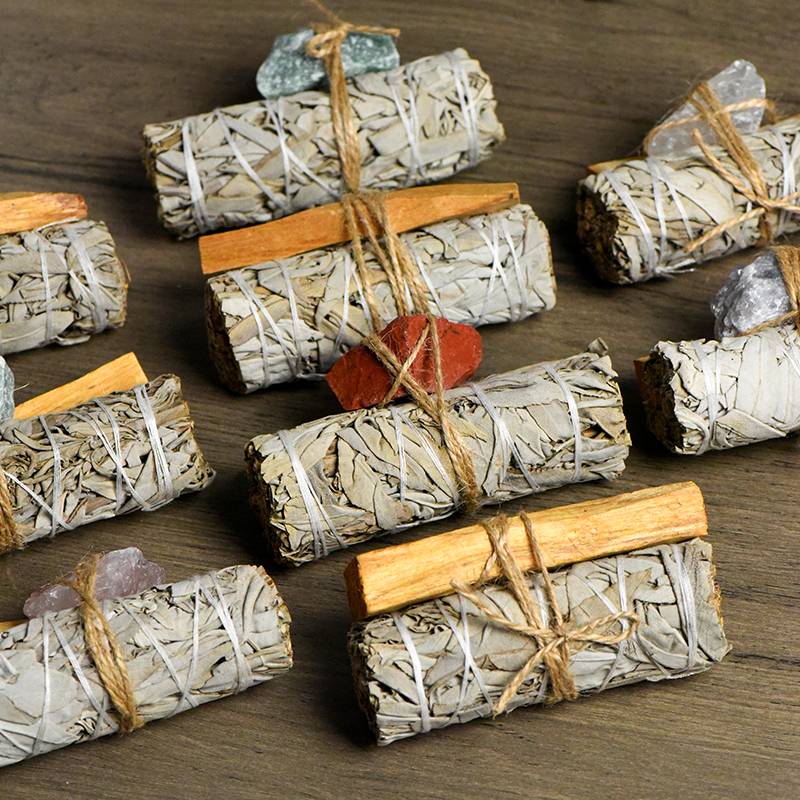
Each listed stone has a different visual identity, although natural specimens can vary. Red Jasper may suit someone drawn to an earthy color theme. Clear Quartz can fit a lighter collection. Green Aventurine gives a green direction, Amethyst a purple one, and Lapis Lazuli a blue one. Tiger’s Eye offers another distinct patterned look, while Citrine and Pink Quartz provide different warm and soft color directions. Use the current photographs for the exact variation when appearance matters. A stone name alone cannot promise a precise shade, pattern, shape, or size.
People also associate these stones with different symbolic themes. You may encounter traditions linking jasper with steadiness, quartz with clarity, aventurine with growth, amethyst with contemplation, lapis lazuli with insight, tiger’s eye with resolve, citrine with optimism, and pink quartz with affection. These associations are interpretive, not properties proven to produce those states. Choose a stone because you like its appearance or because a theme gives you a useful question to reflect on.
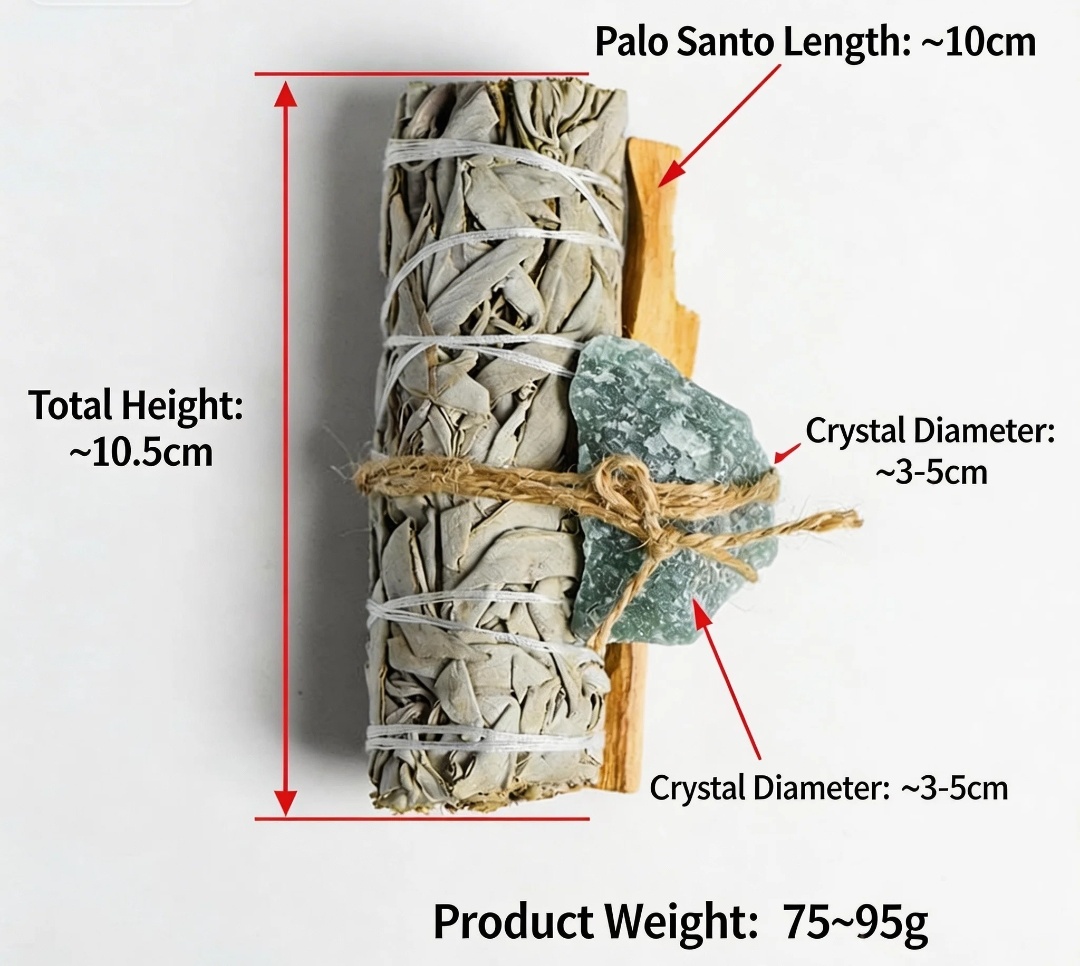
The short description refers to raw Amethyst or Crystal, while the listed attributes provide eight more specific stone options. Select the variation you want rather than assuming every kit includes amethyst, every named stone, or an extra crystal beyond the chosen option. The supplied information does not specify the size or quantity of each component. If the exact contents matter for a gift or planned display, review the current selected variation before purchasing.
Use the kit as a prompt for an intentional routine
A simple routine can be entirely smoke free. Place the chosen stone on a clear, stable surface and spend a few minutes deciding what you want to do with the space. You might tidy a desk, put away unused objects, or write a short note about what would make the room easier to use. The sage and wood can remain unlit as part of the display. This approach gives the kit a role in a deliberate habit without assuming that the materials remove an invisible problem.
If you include smoke in a personal practice, plan for ordinary fire and air safety. Burn only where it is permitted and appropriate, keep lit material under direct supervision, and use a suitable heat-safe holder according to its own instructions. Keep flame, embers, and ash away from curtains, papers, children, and pets. Ventilate the area and consider people who may be uncomfortable around smoke. Extinguish material fully and confirm it is cool before leaving or storing it. The kit description does not identify a burner or establish that any included item can safely hold burning material.
Some people call this kind of activity space clearing or smudging. Such terms can carry distinct cultural histories. If you are drawing on a named tradition, learn its context and avoid assuming that a retail kit reproduces its teachings. You can also describe your own practice plainly: lighting an aromatic material where safe, arranging a stone, and taking time to reset your surroundings. The practical effect you can observe may be a tidier space or a pause in your routine.
Display the components with care
Keep dried plant material and wood away from moisture and heat sources while stored. A dry, orderly place makes it easier to inspect them before use. Keep the raw stone where it will not scrape a delicate surface or be knocked from a shelf. If you display all components together, separate them from candles or other heat sources unless you are actively supervising a safe setup. The kit can be attractive as a collection of contrasting natural textures, even when no ritual is being performed.
For a personal corner, let the stone choice guide a color accent. A blue Lapis Lazuli selection may sit comfortably near darker books or ceramics; a Green Aventurine choice may connect visually with plants; a Clear Quartz choice may work in a restrained arrangement. These are styling suggestions, not instructions tied to the stone’s purported effects. The chosen stone can also be displayed alone if the sage and wood are kept in storage.
Natural materials are not identical. A raw stone may have irregular edges or variations in color and texture. Dried botanical material and wood can vary in appearance as well. Do not assume that the product will match a photograph in every detail. Check the selected variation and any current product information for what is included, especially if buying for someone with strong preferences about scent, smoke, or the appearance of a particular stone.
Realistic expectations for the word healing
The kit can support a personally meaningful pause, but it is not a treatment for illness, distress, or any environmental hazard. A raw stone cannot diagnose a condition, and aromatic smoke should not be treated as a substitute for cleaning, ventilation, or professional help where those are needed. Spiritual interpretations can coexist with practical care when they are understood as beliefs or traditions rather than guarantees.
If someone prefers not to burn sage or Palo Santo, the set can still be used as decor or as a prompt for journaling. A ritual may be as small as choosing a stone, clearing a surface, and naming one action you can take today. You are free to leave the materials unused. The product’s meaning comes partly from the context you give it, and there is no requirement to adopt every claim in promotional language.
Selection and gift considerations
When buying for someone else, start with the recipient’s preferences. Do they enjoy raw stones? Which of the eight named stones or color directions would suit them? Are aromatic materials welcome in their home? A gift can be presented as a collection for display and reflection without suggesting that the recipient needs healing or purification. Avoid making assumptions about their beliefs or health. If they practice a particular tradition, let them decide how or whether the materials fit into it.
Before deciding, confirm the exact variation and the current listing details. The supplied attributes identify stone names, but do not verify component dimensions, sourcing, certifications, or a specific origin. The name Palo Santo identifies the wood described in the short description; it does not establish where it was harvested. Do not infer those details from the title or symbolism alone.
Frequently asked questions
Does the set include all eight named stones? The attributes list eight stone choices. They do not say that every kit contains all eight. Select and verify the specific variation you want.
Must I burn the sage or Palo Santo? No. The materials can remain unlit, and the stone can be displayed or used as a prompt for reflection. If you choose to burn anything, follow appropriate fire and ventilation precautions.
Will the kit heal a health problem or purify a room? No such result is established. Healing and purification are spiritual terms in the listing. Seek appropriate practical or professional care for health or environmental concerns.
How should I pick a stone for a gift? Consider the person’s preferred colors, interest in raw minerals, and the current appearance of the selected variation. Symbolic associations can inspire a note, but they should not be imposed on the recipient.
Is the origin of the sage, wood, or stone documented here? No origin details are provided in the supplied information. Request product-specific documentation if sourcing is important to your decision.