Study life-number combinations and relationship patterns through a structured numerology compatibility course.
Course Overview
This English product guide organizes the available curriculum into a clear learning path for adult students of numerology and number symbolism. It combines definitions, calculation or observation methods, examples and responsible interpretation guidance.
What You Will Learn
- Core terminology and the calculation or observation method used in this resource
- How to organize number meanings without relying on isolated keywords
- How to compare patterns with context, examples and written notes
- How to separate symbolic reflection from factual or scientific claims
Curriculum and Study Notes
Course Collection Overview
This collection brings together first-, second- and third-level life-number study with material on life codes and combined numbers. The sequence moves from core calculations to the interpretation of multi-number patterns.
Learning Path
Foundation: calculation rules and number meanings
Intermediate: combined-number patterns and contextual reading
Advanced: comparing several chart factors without relying on one number
Practice: chart examples, structured notes and interpretation review
Application: using combination patterns as prompts when discussing relationship dynamics
Compatibility material is presented as a framework for comparing symbolic patterns. It does not determine whether a relationship will succeed and should be considered alongside communication, values and real circumstances.
Course Material Preview
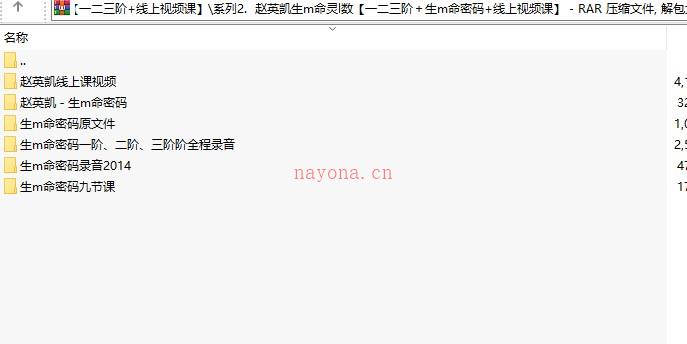
These original course-record images help learners identify the supplied study material and its structure.

Who This Course Is For
This resource is suitable for adult beginners, returning students and practitioners who want a structured reference for numerology study. Start with the calculation rules and definitions, complete the examples, and record uncertainties instead of forcing a conclusion.
Digital Course Format
- Virtual and downloadable educational product
- No physical shipment
- Study materials and access details are supplied after purchase
- Use the curriculum for personal learning and reference
Responsible Interpretation
Numerology is presented as a cultural and symbolic interpretive tradition. It is not scientifically validated and must not replace medical, psychological, legal or financial advice. The course does not guarantee predictions or outcomes.
Frequently Asked Questions
Is this a physical product?
No. This is a virtual, downloadable course resource.
Do I need previous experience?
No. The page identifies the recommended starting method and provides a structured learning sequence.
Does the course guarantee accurate predictions?
No. The material is intended for education, cultural study and personal reflection.
Is personal consultation included?
No, unless the product description explicitly states otherwise.
Continue Your Numerology Learning
Use these related resources to build a broader study path:
- Complete Life Number Energy Foundation Course
- Advanced Life Number Energy Training Course
- Yang Zhenwei Name Numerology and Digital BaZi Course
- Life Number Combinations and Relationship Compatibility Guide
- Wu Yuxin Life Number Holistic Reading Course
- Life Path Numbers: Calculation, Growth and Meditation Course
- Practical Life Number Foundations: Level One Course
- Angel Numbers 101: Repeating Number Meanings Guide
Reading context and study practice
The listing brings together life-number study at three levels, life-code material, and combined-number work. A sensible way to approach this collection is to understand what each component contributes before comparing two people. Compatibility here is a symbolic comparison exercise. Actual agreement, communication, consent, and circumstances remain the relevant evidence when considering a relationship.
Level boundaries
Keep first-, second-, and third-level notes distinct until the terminology has been checked. An advanced description may presume calculations introduced earlier. If a phrase looks familiar but its role changes, document the change instead of treating the two usages as synonyms. The level labels describe the organization of the collection; they do not certify a learner’s professional competence.
Calculation before comparison
Reconstruct each person’s example independently using the calculation rules actually supplied. Copying a final result without checking the input makes later compatibility analysis difficult to audit. When the input or procedure is uncertain, mark the comparison as unfinished. An uncertain foundation cannot be repaired simply by adding more symbolic meanings to the resulting numbers.
Combined-number structure
A combination is more than a list of isolated keywords. Notice whether the material treats a pair, sequence, repeated digit, or derived total as its working unit. Preserve that unit in your notes. An explanation attached to one arrangement should not automatically be transferred to its reverse or to another arrangement with the same constituent digits.
Two individual perspectives
Create a separate description for each example before discussing their interaction. This prevents the relationship story from erasing differences within the individual patterns. The descriptions should remain tentative symbolic summaries, not personality diagnoses. If two interpretations appear contradictory, state both and identify the assumptions that lead to them rather than assigning one person the role of the problem.
Compatibility language
Terms such as harmony, difference, support, and tension are interpretive shorthand in a symbolic system. Translate them into open questions when using them for reflection. For instance, a supposed difference in pace can prompt discussion of scheduling preferences. It does not establish how either person behaves, and it cannot determine whether they are suitable partners.
Contextual examples
An example relationship may contain information that is absent from the numbers themselves. Keep the known circumstances beside the chart explanation. Ask whether the reading depended on a prior description of the couple. This helps distinguish a demonstration of an interpretive style from evidence that the calculation independently discovered the same relationship details.
Shared values and decisions
A numerical comparison cannot replace asking people what matters to them. Discussion of trust, responsibilities, boundaries, and future plans requires direct communication. If the material mentions a difficult combination, do not use it to pressure someone into changing a relationship. The educational task is to understand a tradition’s vocabulary, not to issue instructions about another person’s intimate life.
A balanced comparison record
End an exercise with the calculation, the combination rule, the proposed symbolism, an alternative reading, and a list of unanswered questions. A balanced record allows later revision. It also keeps the scope modest: the collection can be studied for its interpretive framework without turning a symbolic comparison into a relationship score or a prediction of success.
Why isolated labels are weak comparisons
A statement that one number is expressive and another is reserved may sound like an explanation of a relationship, yet it omits how those labels were derived and whether the people recognize them. Restore the missing sequence: input, calculation, combination, symbolic description, and personal response. If the description is used as a conversation prompt, ask each person what fits and what does not. This is different from claiming that the number has revealed their nature. The response can modify or reject the prompt. A comparison that allows disagreement is more respectful than one that treats every objection as confirmation of the original reading.
Order and grouping
Combined-number study raises a practical notation question: are you reading a sequence, an unordered group, or a total? Write that choice at the top of the example. Reversing a sequence may change a method that assigns meaning to position, while it may not change a method that uses only a sum. The supplied collection must define the relevant rule; there is no need to guess. Avoid attaching a new story to every possible arrangement. The educational aim is to understand the combinations actually discussed, including where their interpretation depends on grouping and where the source leaves the relationship unspecified.
A fictional conversation exercise
Imagine two fictional people who disagree about planning a shared activity. A symbolic compatibility theme could suggest asking about spontaneity, preparation, and division of responsibility. A productive exercise then collects their actual preferences: when they need notice, what tasks they enjoy, and what commitments they already have. Notice that the numbers have not answered those questions. They have supplied an optional organizing prompt. This distinction keeps the comparison from becoming a verdict about who should adapt. It also shows how an apparently harmonious chart description can coexist with practical disagreement, because agreement is something people negotiate through actions and communication.
Comparing levels without inventing progression
The listing’s three-level structure invites review, but it does not establish a universal ladder used by every numerology school. When moving into later material, identify the earlier definitions it presumes. If a higher-level passage introduces a different kind of combination, write a new entry rather than retrofitting every beginner example. A learner can revisit an introductory calculation after studying advanced terminology and still leave the original arithmetic unchanged. This prevents complexity from being mistaken for correctness. Additional concepts may broaden an author’s interpretive vocabulary without demonstrating stronger evidence for claims about personality or compatibility.
Finishing a comparison responsibly
A final compatibility exercise should state whose information was used with permission, which convention was followed, and which themes were considered. Include practical questions that remain for the people themselves. Do not attach a percentage, a pass-or-fail verdict, or a guarantee unless a clearly identified calculation is being described purely as the source’s convention. Even then, explain that the score is not a validated relationship measure. The most valuable product of study is a transparent comparison of symbolic patterns and the ability to discuss its limits, rather than a claim that arithmetic can settle a personal relationship decision.