
Learn palm reading through 47 lessons on major lines, hand shapes, mounts, fingers and illustrated case-based interpretation.
Course Overview
This 47-lesson video curriculum starts with the major palm lines, mounts and hand types, then examines relationship, fate, sun and secondary lines. Later lessons compare Eastern and Western naming systems and apply interpretations to examples. The lesson titles are translated from the recorded video directory; symbolic timing and outcome language describes the tradition, not a factual forecast.
What You Will Learn
- Identify life, head, heart, fate, relationship and sun lines
- Compare hand shapes, mounts, fingers and unusual markings
- Follow the recorded 47-lesson sequence and its example-based readings
- Separate traditional symbolic claims from verifiable facts
Course Contents: 47 Recorded Video Lessons
- Lines, eight mounts and finger joints
- Life line: traditional timing methods and types
- Life line: shapes, branches and signs
- Life line: more branches and signs
- Head line: characteristics and traditional timing
- Head line: starting point, character readings and mounts
- Seven hand-shape types
- Hand shape and color
- Nails and fingers
- Mounts, finger length and hand texture
- Head line endings and traditional career interpretations
- Simian crease: distinguishing true and apparent forms
- Simian crease: left and right hands
- Head line forms, branches and signs
- Introduction to the heart line
- Secondary heart line and traditional timing
- Heart line forms and the girdle of Venus
- Heart line branches and signs
- Relationship lines: traditional timing
- Relationship line shapes, part one
- Relationship line shapes, part two
- Relationship line signs and child lines
- Fate and career lines: traditional timing and influence lines
- Career line start and end positions
- Career line shapes, branches and signs
- Sun or success line starting points
- Sun line shapes, branches and signs
- Money line in traditional palmistry
- Intuition lines and unusual markings
- Main, secondary and special lines in Eastern and Western palmistry
- Three hand zones and the eight trigrams
- Yin-yang, five elements and hand shapes
- Finger-based traditional timing
- Twelve regions of the hand
- Thumb shape and traditional personality readings
- Fingerprint patterns
- Which hand to read and Eastern line names
- Symbols and unusual markings
- Rare fish-shaped marking
- Rare character-shaped markings
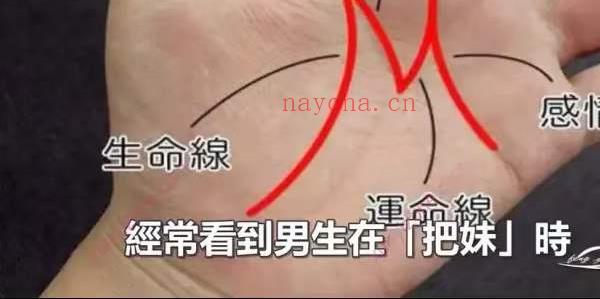
- M-shaped palm markings, part one
- M-shaped palm markings, part two
- Parallel career-line patterns
- Three special lines in traditional readings
- Double life lines
- Double head-line patterns
- Double heart-line patterns
Course Material Images
These original course images are shown in their recorded order to help identify the materials.

Who This Course Is For
Adult learners interested in the history and practice of palmistry or Chinese face reading. No prior training is required for the introductory material.
Learning Format and Digital Delivery
Virtual digital video course; no physical shipping. Digital course files are not yet attached to this listing. Purchasing is available. Automated digital files are not yet attached; contact support to confirm delivery before ordering. No download URL is invented or shown here.
Frequently Asked Questions
Is this a personal reading?
No. This is a recorded learning resource, not an individualized palm or face analysis.
Are traditional predictions guaranteed?
No. These are historical and symbolic interpretation methods, not scientific predictions of health, relationships or career outcomes.
Editorial Note
Karma Kismet translated and organized the recorded curriculum for English-speaking learners. Lesson counts and identified themes are limited to what the course record supports.
Related Courses and Guides
Disclaimer
For cultural and educational study only. Do not use palm or face readings to diagnose illness, make high-stakes decisions or judge another person’s worth or abilities.
Following the Forty-Seven Lesson Map
This palm reading course has a detailed directory, which makes it possible to plan study around the named topics rather than guess at the contents. Its sequence moves among major lines, mounts, hand shapes, fingers, traditional timing conventions, and special markings. The directory is a map of what the recordings discuss. It is not evidence that the symbolic interpretations can determine a person’s future. The study suggestions here focus on learning the vocabulary and comparing explanations while keeping descriptive observation separate from traditional claims.
Make a Line Index Before an Interpretation Index
Begin with the life, head, and heart line lessons and record how the course identifies each line. Add a simple drawing and the terminology used in the recording. At this stage, the task is recognizing what a teacher is referring to, not deciding what a hand says about its owner. When the sequence later introduces fate, relationship, sun, and secondary lines, add them to the same index. This creates a reference that can be checked against the recordings instead of relying on a remembered label that may have changed between lessons.
Use separate entries for a line’s starting point, course, branches, and ending. The directory revisits these features across several line families. Keeping them distinct helps you see whether an explanation concerns the whole line or only one described feature. If the teacher introduces a symbolic conclusion, place that in a separate column labeled traditional interpretation. The distinction is important: seeing a branch in an illustration is one kind of statement, while assigning a career or relationship meaning to it is another.
Compare Mounts, Shapes, and Zones
The listed topics include eight mounts, seven hand shapes, three zones, twelve regions, and associations with the five elements and eight trigrams. These are different organizing schemes within the course. Do not assume that their boundaries or purposes are identical. A study diagram can show one scheme at a time, with a note explaining which lesson uses it. Overlaying every map at once can make the material look more unified than the explanation actually establishes and can make terminology harder to remember.
Hand texture, color, nails, fingers, and thumb shape also appear in the directory. Treat their discussion as part of the source tradition. Ordinary visual differences should not become judgments about a person’s worth, ability, or health. If a photograph is used for study, lighting and camera position may affect what you think you see; note those limits rather than resolving ambiguity through interpretation. A neutral illustration can be enough for learning where a named feature is located without assigning any meaning to an identifiable person.
Keep Timing Conventions in Their Proper Place
Several lesson titles explicitly mention traditional timing, including timing along life, head, relationship, and career lines. Record the convention as a rule proposed within that lesson, not as a calendar of events. If two examples place the same symbolic age differently, note the difference and review the explanation. Do not infer an individual’s lifespan or the date of a relationship event from a diagram. Learning how a tradition constructs a timeline is different from accepting the timeline as a factual forecast.
The course also compares Eastern and Western names. Maintain a small glossary showing which label belongs to which explanation. Similar English names do not necessarily imply identical boundaries or interpretations across systems. Conversely, different names may sometimes refer to visually similar features. Let the course’s actual comparison guide your notes rather than merging terms prematurely. This is particularly helpful when revisiting later lessons about parallel lines or unusual shapes, where a naming mistake can spread through the rest of an interpretation.
Read Special Markings Without Searching for Destiny
The later directory includes fish-shaped, character-shaped, and M-shaped markings, as well as double lines and parallel patterns. Their presence can invite a search for rare signs. A more useful study question is how the teacher defines the pattern and distinguishes it from an approximate resemblance. Record the definition and the illustrated example together. If the recording does not specify a clear boundary, mark the term as flexible rather than treating every vaguely similar arrangement as an instance of the named sign.
For an optional review exercise, choose three lesson topics with different purposes: one major line, one regional map, and one special marking. Summarize each topic in a few sentences, separating visible description from assigned meaning. You should be able to explain which part is a naming convention and which part is a traditional interpretation. This exercise is about understanding the recorded system; it is not a test of your ability to predict events or identify personal qualities from hands.
Use the Directory to Check Fit
The forty-seven named lessons give prospective learners a concrete scope to compare with their interests. Someone seeking a cultural introduction may focus on vocabulary and system comparisons, while someone already studying palmistry may be more interested in how the source organizes its special-line topics. Neither interest requires treating the course as a personal reading service. The listing supplies a recorded curriculum, with delivery details to confirm before ordering. A responsible study outcome is a clearer understanding of the tradition’s structure and the limits of appearance-based interpretation.


