
Study traditional Chinese face reading in 33 video lessons covering facial features, face regions, complexion and case-based observation.
Course Overview
Li Xiujuan's 33-video course introduces traditional Chinese physiognomy and discusses the brows, eyes, nose, mouth and ears alongside facial regions, complexion and interpretive examples. The available file directory identifies lessons 1 through 33 but does not name each lecture topic; the thematic summary is based on the supplied course description.
What You Will Learn
- Learn the traditional vocabulary for facial regions and features
- Observe brows, eyes, nose, mouth, ears, face shape and complexion in context
- Review the cultural use of twelve face palaces and three facial zones
- Practice multi-feature observations without judging a person from one trait
Course Contents: 33 Recorded Video Lessons
The available directory lists video lessons 1 through 33. Individual lecture titles are not supplied, so this page does not assign unverified topics to numbered files.
The course description identifies introductory concepts, facial-feature study and integrated examples as the main study areas.
Course Material Images
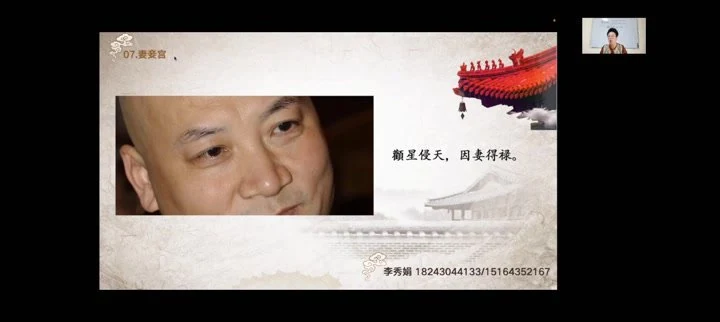
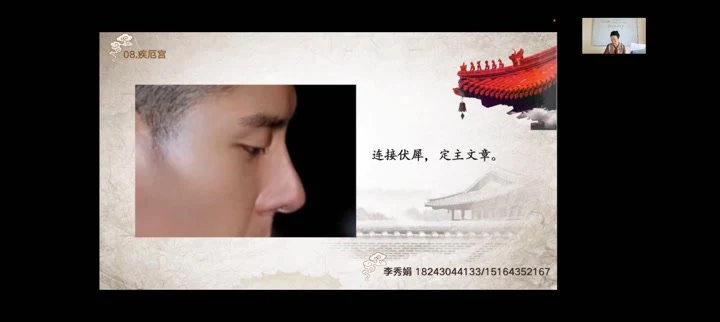
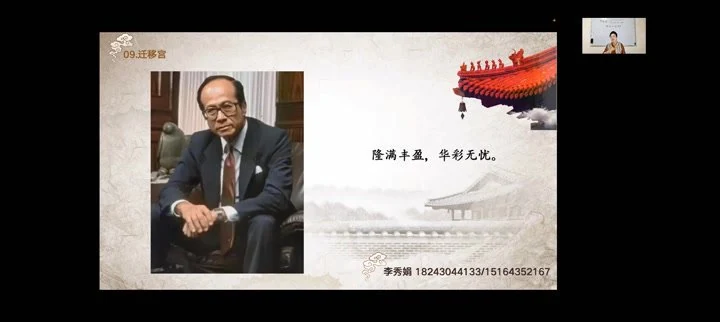
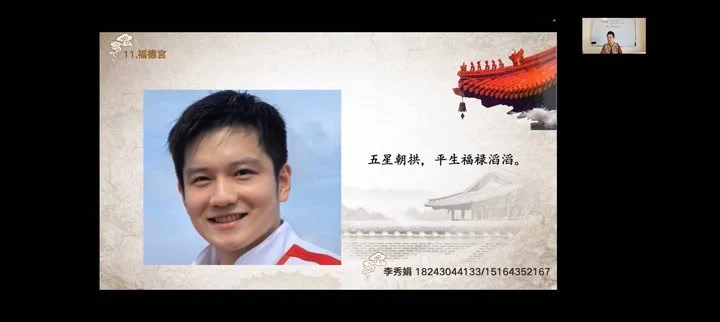
These original course images are shown in their recorded order to help identify the materials.
Who This Course Is For
Adult learners interested in the history and practice of palmistry or Chinese face reading. No prior training is required for the introductory material.
Learning Format and Digital Delivery
Virtual digital video course; no physical shipping. Digital course files are not yet attached to this listing. Purchasing is available. Automated digital files are not yet attached; contact support to confirm delivery before ordering. No download URL is invented or shown here.
Frequently Asked Questions
Is this a personal reading?
No. This is a recorded learning resource, not an individualized palm or face analysis.
Are traditional predictions guaranteed?
No. These are historical and symbolic interpretation methods, not scientific predictions of health, relationships or career outcomes.
Editorial Note
Karma Kismet translated and organized the recorded curriculum for English-speaking learners. Lesson counts and identified themes are limited to what the course record supports.
Related Courses and Guides
- Palm Reading Course: 47 Lessons on Lines, Mounts and Hand Shapes
- Chinese Face Reading Courses
- Contact Karma Kismet
Disclaimer
For cultural and educational study only. Do not use palm or face readings to diagnose illness, make high-stakes decisions or judge another person’s worth or abilities.
Studying a Numbered Face Reading Collection
Li Xiujuan’s listing identifies thirty-three video lessons and describes broad themes, including facial features, regions, complexion, and examples. The available directory numbers the files but does not name the individual lecture topics. This means that the collection has a confirmed count without a fully documented topic sequence. A useful approach is to build your own viewing index from the recordings while keeping the published summary at its stated level. The suggestions below do not assign invented subjects to particular lesson numbers or imply that an unlisted module is included.
Build an Index From What Is Actually Presented
For each numbered file, record the main term introduced, the kind of illustration used, and a timestamp for an explanation you may want to revisit. If a lesson covers several features, list them without forcing the recording into a single heading. If it continues an earlier discussion, note the connection. Over time this creates a practical personal index that is more reliable than assuming the numbered sequence follows a familiar textbook. Keep your index clearly labeled as your own notes rather than a publisher-supplied syllabus.
The broad description names brows, eyes, nose, mouth, and ears. Those terms identify areas of attention, but they do not by themselves reveal which traditional associations the teacher adopts. When watching, write the exact feature being described before the interpretation. For example, a discussion may concern a boundary, a proportion, or an expression. Those are different observations and should not be compressed into a vague statement that a particular face has a particular meaning. Precision in description makes the later interpretive step easier to examine.
Separate Cultural Vocabulary From Personal Judgment
Chinese face reading is presented here as a traditional interpretive practice. Its terms can be studied as part of cultural history without using them to classify people as trustworthy, successful, intelligent, or morally superior. When a recording assigns a character or life association to a feature, identify it as the traditional claim being discussed. Avoid turning the claim into your own factual description of a person. A lesson about how a system organizes appearance is not evidence that appearance establishes the qualities the system associates with it.
This distinction matters especially when examples are memorable. A story about one person can make an interpretation seem intuitive, but the story and the facial observation may have been selected to fit one another. In your notes, ask what was known before the interpretation and what was added afterward. If the order is unclear, preserve that uncertainty. You can understand the teacher’s reasoning while recognizing that a narrated example does not establish a dependable method for judging people you have never met.
Keep the Region Maps Distinct
The course summary mentions twelve face palaces and three facial zones. These labels describe organizing frameworks. Make separate sketches for them, using the boundaries actually shown in the recordings rather than assuming every source draws the same map. Note whether a term refers to an area, a landmark, or a symbolic association. When another course uses a different label, retain both versions with their sources. This practice helps you compare traditions without silently combining them into a system that neither teacher presented.
A simple blank face outline is sufficient for this kind of study. Mark only the landmarks needed to follow the explanation. There is no need to use photographs of colleagues, applicants, family members, or strangers to practice assigning personal qualities. Working with a diagram keeps the learning task focused on vocabulary and spatial organization. It also makes it easier to distinguish a traditional map from an assessment of an actual person, whose circumstances cannot be read from a diagram of facial regions.
Read Complexion and Expression in Context
Complexion is included in the thematic description, but a video image is affected by lighting, camera settings, and display conditions. If the recording uses color as part of an example, record what the speaker says and what the image appears to show as separate observations. Do not treat the screen as a calibrated measurement or use a traditional color association to reach a health conclusion. The listing offers cultural learning material, not a method for assessing a person’s condition from an image.
Expression introduces another distinction. A momentary expression and a stable facial landmark are not the same subject, even if both appear in a face reading discussion. Note which one an explanation concerns. Avoid freezing one captured moment into a permanent description of someone’s disposition. A photograph cannot supply the full social situation in which it was taken, and a traditional interpretation cannot replace a person’s own account of what they were thinking or experiencing at that time.
Review Examples With a Question Sheet
For each case example, ask four questions in ordinary prose. What feature is named? What association does the teacher propose? What additional information is introduced? What alternative explanation remains possible? This is a suggested study method, not a claim that the course includes a printed worksheet. It lets you follow the presentation closely while keeping the difference between description and inference visible. If an example lacks enough detail to answer one of the questions, write unknown rather than completing the story yourself.
At the end of several recordings, compare the language used across examples. Does the teacher use a term consistently? Are multiple features considered together? Is a conclusion qualified or stated absolutely? These questions can reveal how the approach is constructed. They do not require you to adopt its predictions. A careful learner can give an accurate account of a traditional method and still refrain from using it for employment screening, relationship decisions, diagnosis, or judgments about another person’s abilities.
Clarify the Resource Before Ordering
The confirmed scope is thirty-three recorded videos with the broad themes described above. A complete English translation, an individualized reading, a certificate, and ongoing instructor access are not established by that count. Confirm the language and file delivery arrangements if either affects your decision. Treat the original previews as identification material rather than a substitute for a detailed syllabus. The most useful outcome of study is a well-organized understanding of Li Xiujuan’s presented terminology, the examples used to explain it, and the boundaries between cultural interpretation and verifiable information about people.


