A hands on introduction to looking closely at rocks
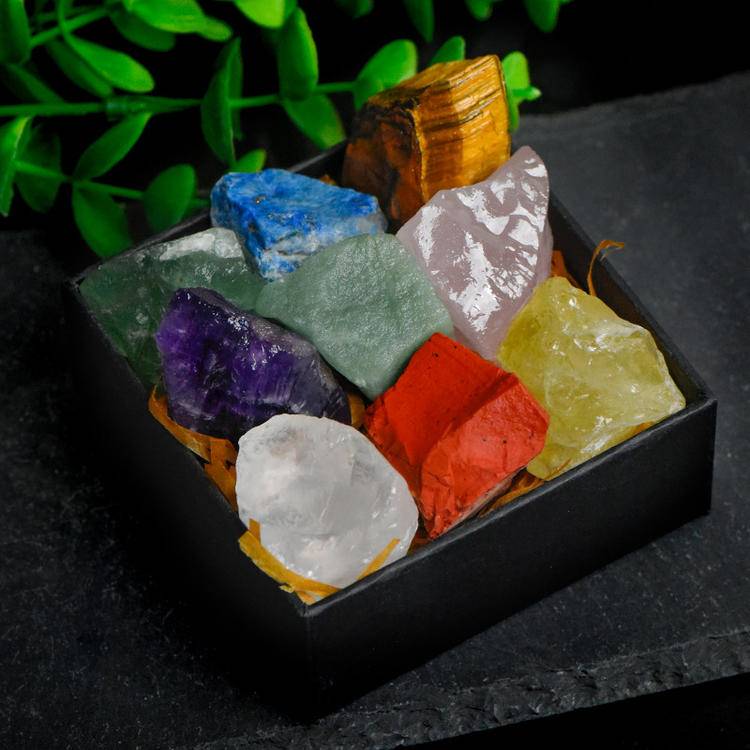
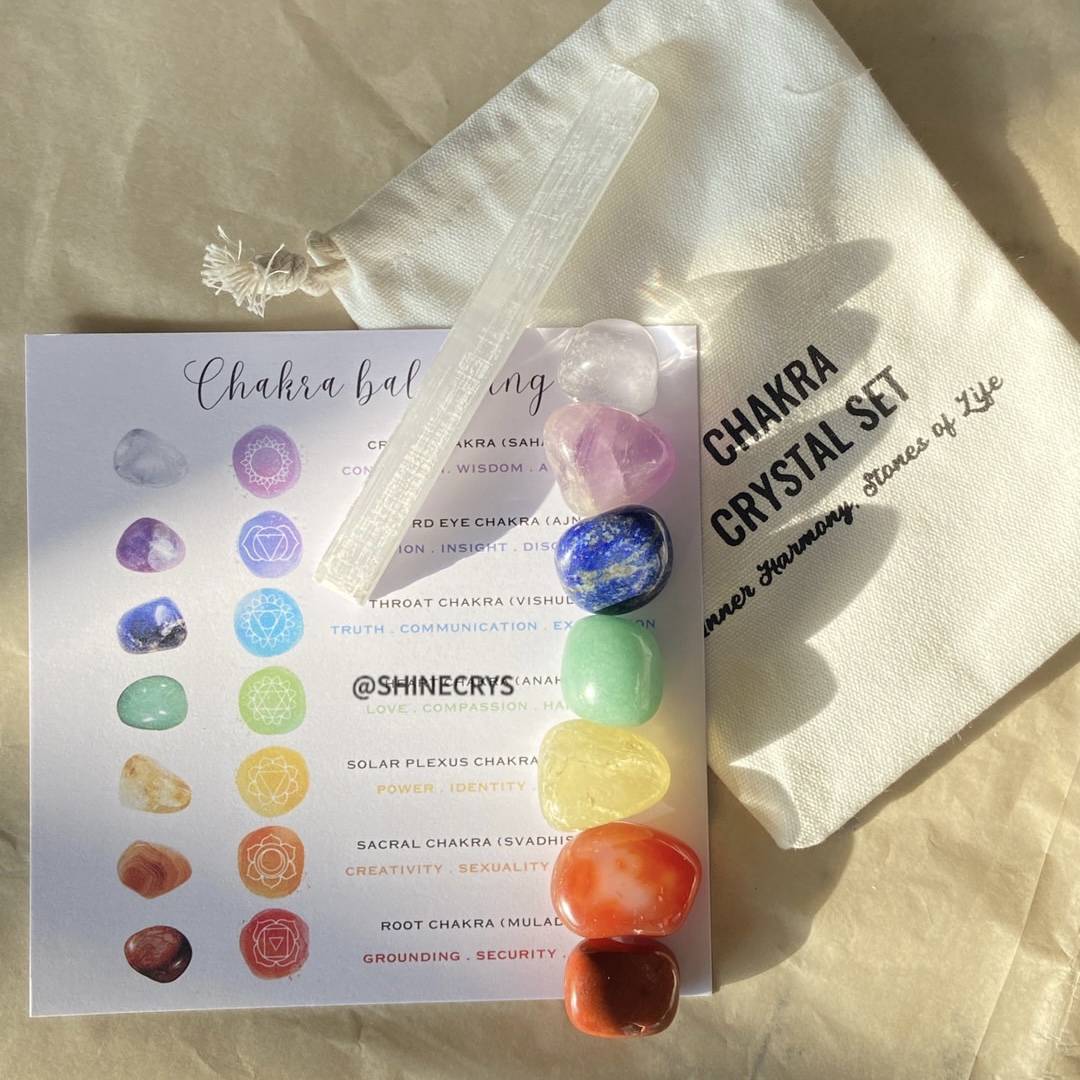
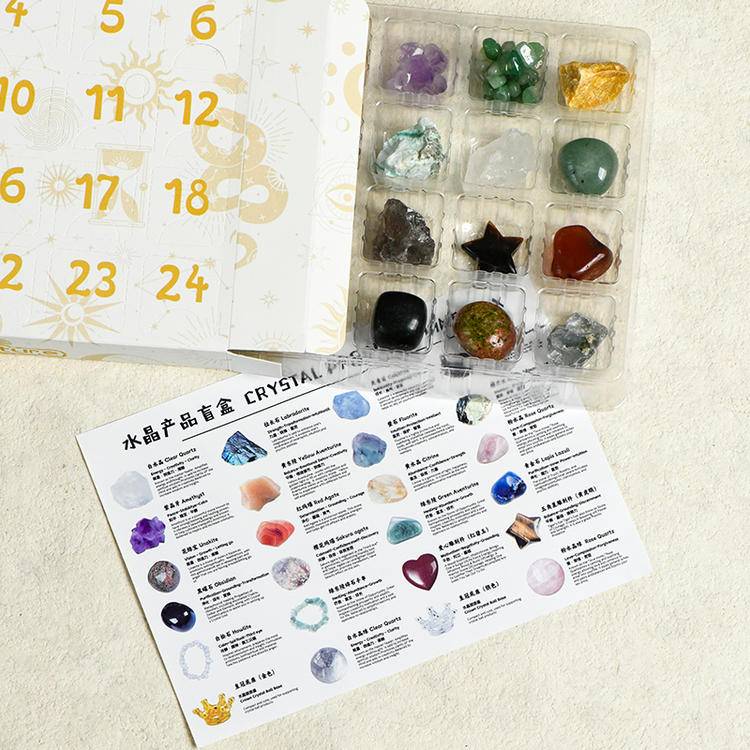
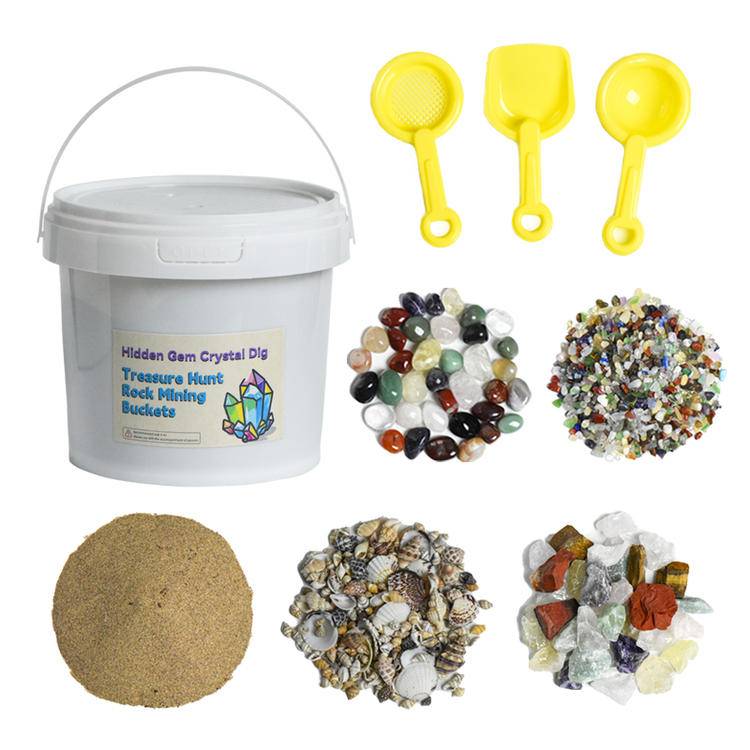
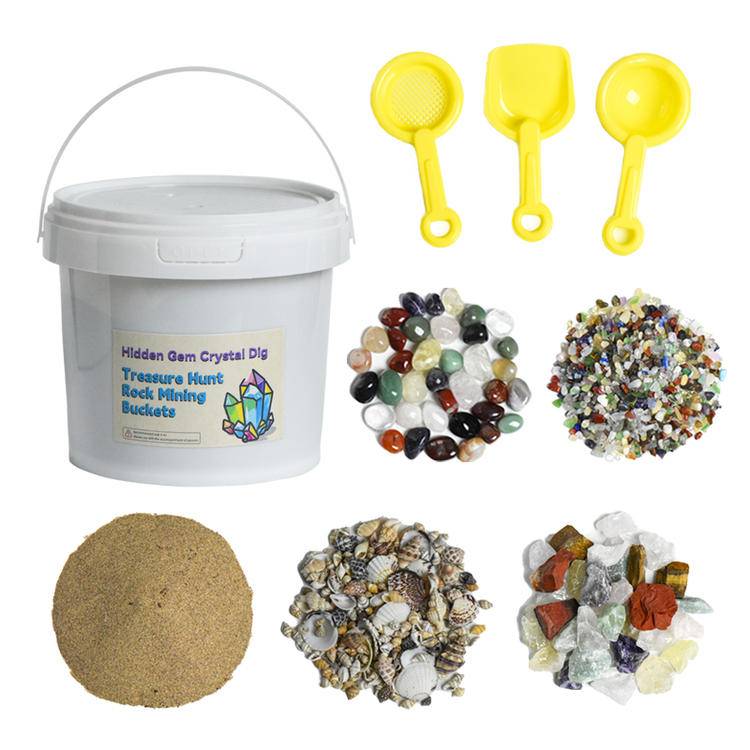
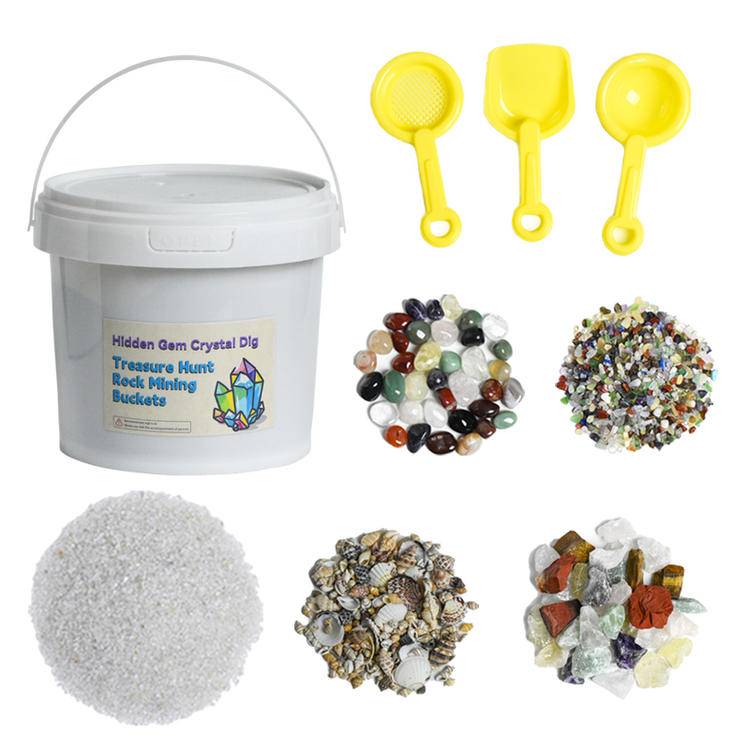
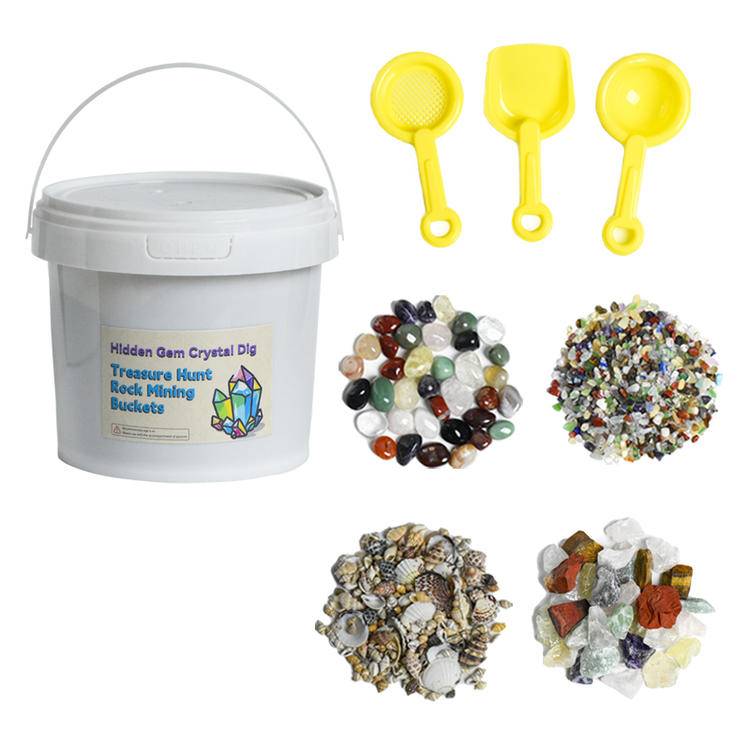
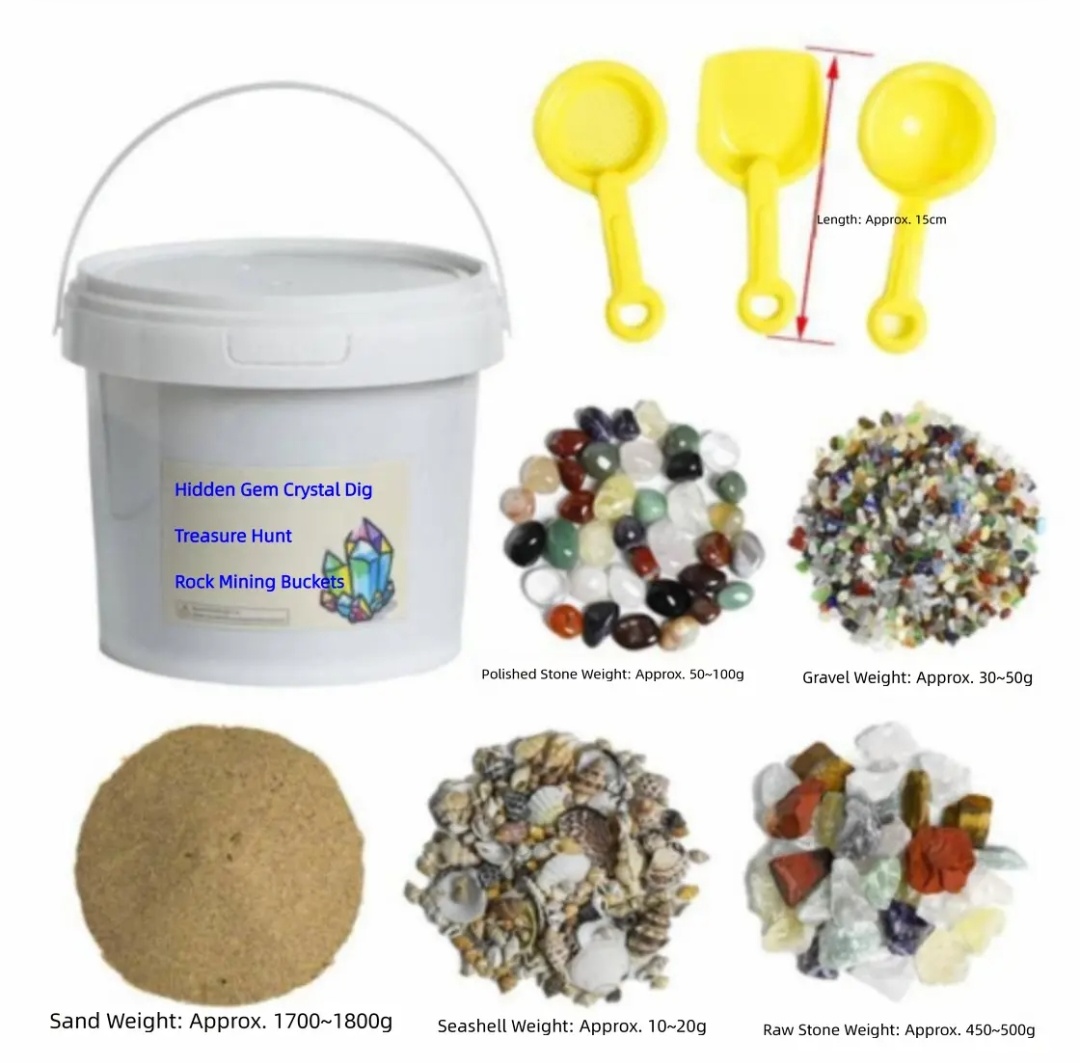
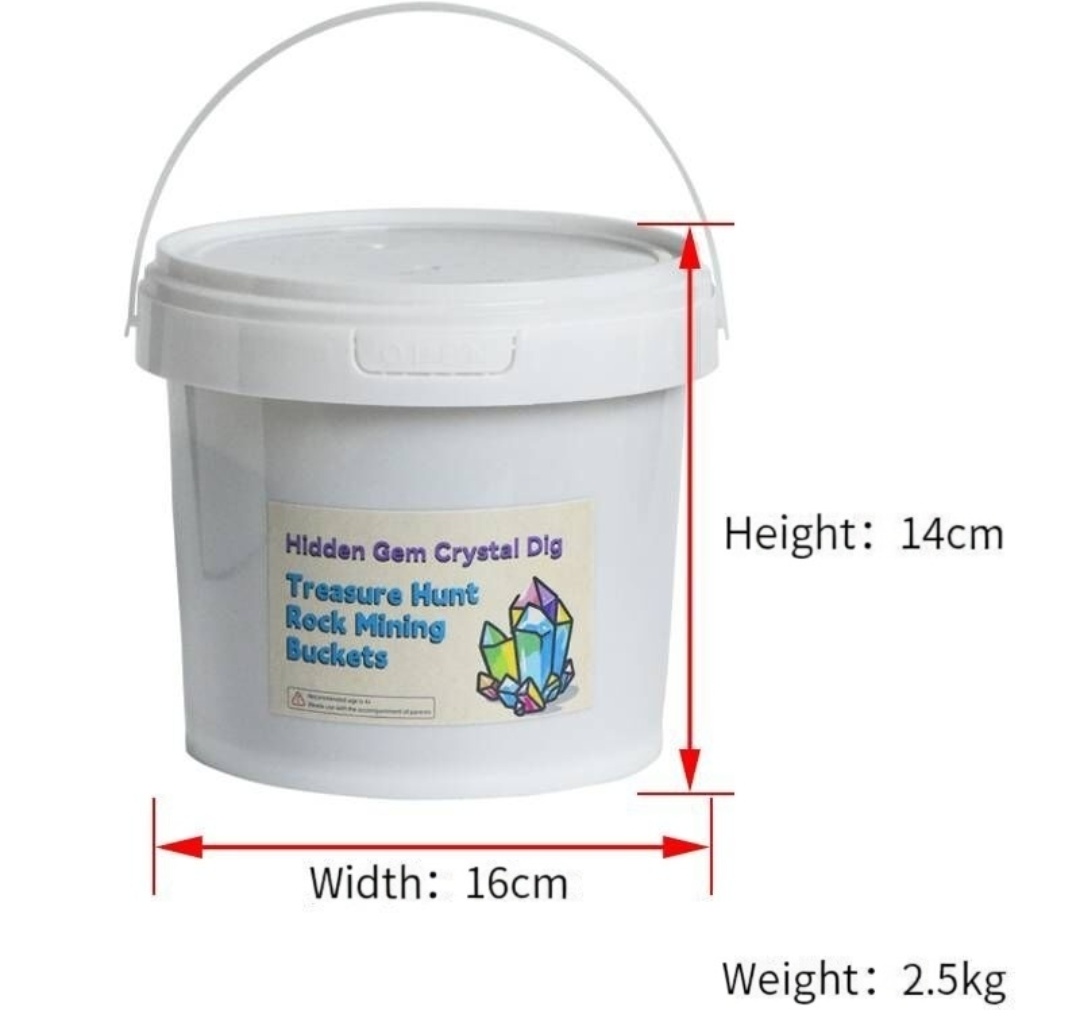
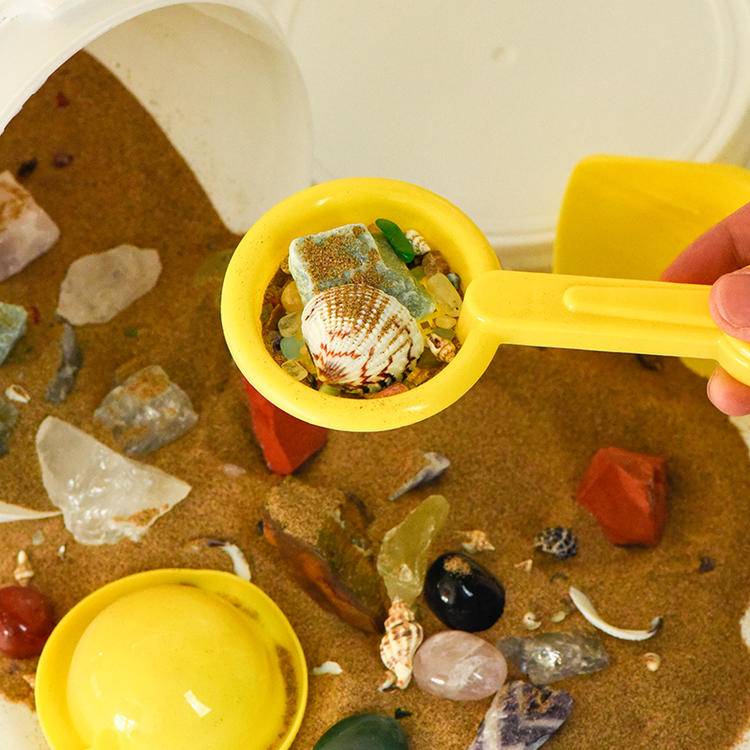
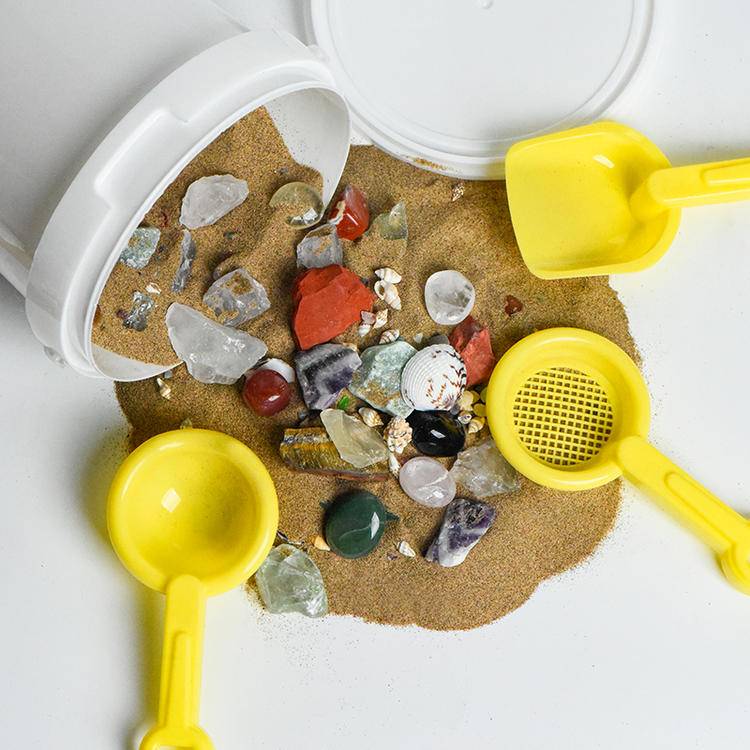
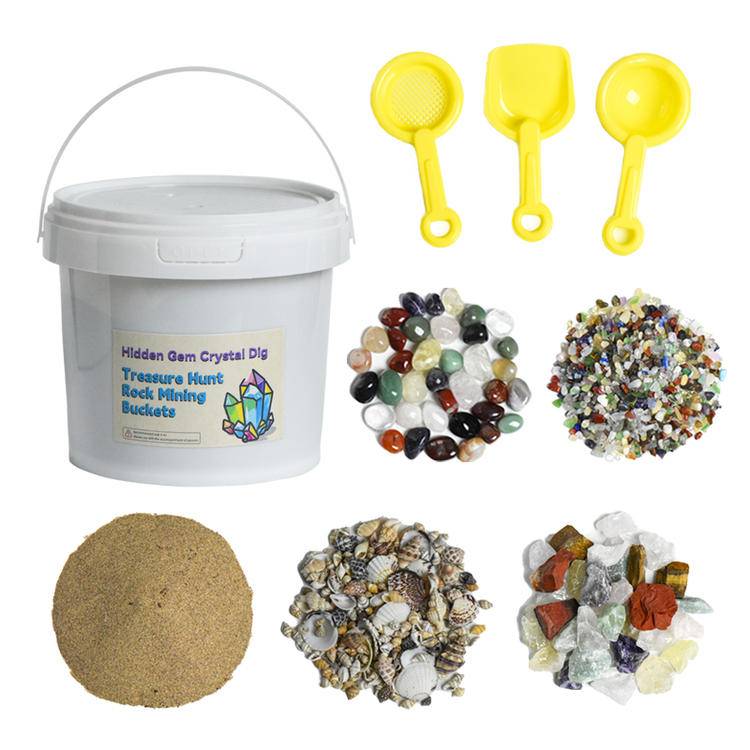
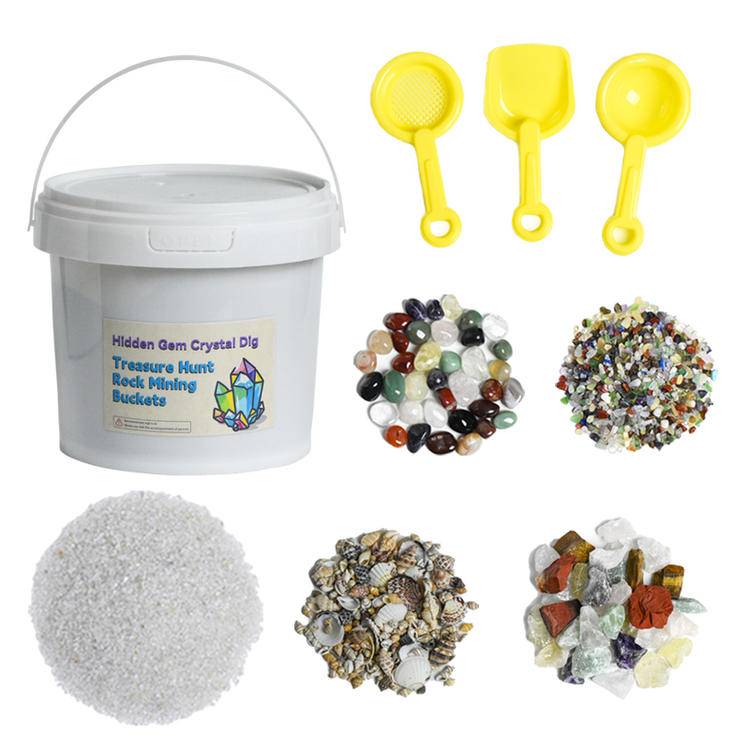
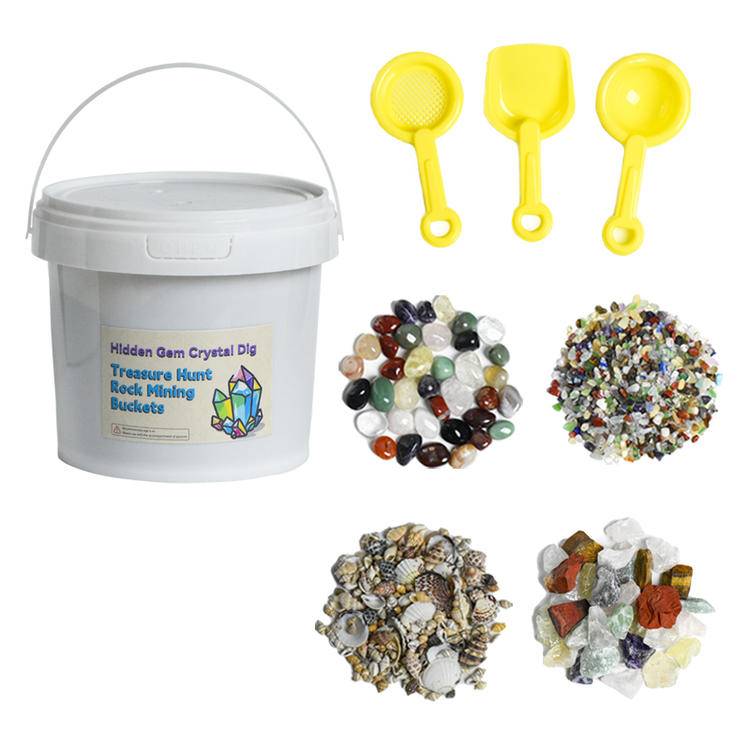
This children’s dig kit is described as a mining bucket activity with sand, rocks, treasures, digging tools, gemstones, shells, and minerals. Its appeal lies in the process of uncovering and examining objects rather than simply receiving a finished collection. A child can notice differences in color, texture, shape, and size, then ask questions about what they have found. The description does not identify the exact specimens, their number, the tools’ construction, or the age range. An adult should check the selected kit and its labeling before planning the activity.
The title uses excavation and science language. In an educational setting, the strongest part of the activity is observation: looking carefully, sorting finds, describing them, and being willing to say when identification is uncertain. A kit can inspire interest in geology, but it does not by itself establish the origin or scientific identity of each piece. Treat names and classifications as questions to investigate using reliable references when needed. That turns the excitement of discovery into a more thoughtful learning experience.
The listed kit options
The attributes name three options: gemstones with sand, gemstones with clear quartz, and gemstones only, without sand or clear quartz. Those labels are the available basis for comparing versions. They do not specify quantities or prove that every option includes the same tools, shells, or other contents described in the general summary. Confirm the contents of the particular version you select. The right choice depends on whether the child is more interested in digging through a medium or in examining the pieces themselves.
A sand based option may make the search process a central part of the play. It will also require a place where loose material can be contained and cleaned up. An option described as gemstones only may suit someone who wants to sort and study pieces without a sand activity. The clear quartz option specifically names that material, but the available text does not say how much is present or what the remaining specimens are. Compare the product photographs and seller details for the selected variant.
Setting up an exploration space
Choose a surface that can tolerate ordinary craft activity, and make room for the bucket, tools, and a place to set discoveries. A tray or washable mat can help contain loose sand if the chosen option includes it. Good lighting makes small visual differences easier to notice. Keep food and drinks away from the dig area so that loose particles are not mixed with them. Check the product’s own safety information before starting, particularly if younger children or pets are nearby.
Adult supervision should match the child’s age and the size and shape of the pieces. Small stones, shells, or tool parts may present a choking risk for young children. The listing does not supply an age recommendation, so an adult should evaluate the actual components and follow any packaging warnings. The activity is best treated as supervised play when a child’s ability to handle small objects or digging tools is uncertain. Wash hands after handling sand and specimens, especially before eating.
A practical sequence for a dig session
- Open and inspect the selected kit with an adult, checking its contents and any instructions.
- Set out a contained work area and a separate space for finished finds.
- Look at the visible surface before using tools, and predict what may be hidden.
- Dig slowly, using only the supplied tools in the way the packaging directs.
- Place each discovery aside and describe what can be observed without guessing its identity.
- Sort pieces by a chosen feature, then compare the groups.
- Clean the work area and store the finds safely after the activity.
Children do not need to finish every step in one sitting. Pausing to examine a single interesting piece can be more useful than rushing to empty the bucket. The exercise can remain playful while encouraging careful attention. If a specimen has a sharp edge or appears fragile, an adult should handle it and decide whether it belongs in the child’s working collection.
Questions that make the activity educational
Instead of immediately naming every find, ask what the child can see. Is the surface smooth or rough? Does light pass through part of it? Are there stripes, spots, or layers? Is its shape rounded or angular? These observations are available without specialized equipment. A child can draw a piece or write a short description, then compare it with another find. Such comparisons help build vocabulary and the habit of supporting an idea with evidence.
Sorting is another useful exercise. One child may group by color, another by texture, and a third by shape. Each system can be explained and revised. If the kit includes shells, those can prompt a discussion about how shells differ from mineral specimens. Do not assume that every object in a dig bucket formed in the same way or came from the same location. The supplied description does not give specimen origins, so any claim about where an individual piece came from would need separate evidence.
Keeping identification honest
Gemstone names are often used loosely in retail settings, while geological identification can require more information than appearance alone. A child can label an item as a blue stone or a striped piece until a trustworthy identification is available. If the selected option includes clear quartz, use that stated name for the relevant piece only when the packaging or seller identifies it. Avoid turning a guess into a fact simply because it sounds exciting. Curiosity is better served by a question that remains open.
Photographs of finds can be useful for remembering what was uncovered and comparing observations later. A notebook can record color, apparent texture, and the child’s own questions. These are optional ways to extend the activity; the listing does not say that a notebook, reference guide, magnifier, or display case is included. Use ordinary household materials if you want to document the dig, and keep any small pieces stored where younger children cannot access them unsupervised.
Play value and realistic expectations
The surprise of a dig kit comes from uncovering objects that are hidden or mixed into the activity. That makes it a good fit for a child who enjoys searching, sorting, and telling the story of what was found. A child who dislikes sand or prefers a ready made collection may be happier with the no sand option. The exact experience depends on the chosen variant and its actual contents. The description does not promise a particular rare specimen, number of finds, or repeatable result.
The phrase mining bucket is a theme for play; it does not make the activity the same as field geology or commercial mining. Real fieldwork involves permissions, safety practices, location records, and careful documentation. A home kit can introduce the habit of observing and asking questions on a smaller scale. If it sparks further interest, books, museums, and supervised nature programs can help a child learn more about rocks and minerals in context.
Choosing among the versions
- Choose the sand version if the excavation process is the main attraction and you have a suitable activity space.
- Consider the clear quartz version if that named specimen is of particular interest, while confirming all other contents.
- Consider the gemstones only version if you want to focus on handling, comparing, and displaying finds without loose sand.
- For any option, check age guidance, component sizes, tool instructions, and the precise contents before use.
A gift buyer should think about the household as well as the child. Available space, tolerance for loose material, and the amount of adult help needed can determine whether the activity feels enjoyable. The kit may be fun for a curious young explorer, but the written description alone cannot establish suitability for every age or setting.
Questions about the crystal dig kit
Does every version contain sand?
No. One listed option is gemstones only and expressly says no sand and no clear quartz. Check the selected option before purchase.
Are digging tools included?
The general description says the kit includes digging tools. Confirm the contents of your chosen variant because the option labels do not list every component.
Which gemstones will a child find?
The available description does not identify the full assortment or quantities. Ask for the current contents if a specific stone is important.
Is the kit safe for very young children?
No age rating is supplied here. Small components may be unsuitable for young children; an adult should follow the product’s safety labeling and supervise appropriately.
Can it teach geology?
It can support observation, sorting, comparison, and questions about specimens. Reliable identification and broader geology concepts need appropriate references beyond the kit.
Does the clear quartz option contain sand?
The option label names gemstones and clear quartz but does not state whether sand is included. Confirm that detail with the seller before selecting it.
This kit is most useful when the digging is treated as a starting point for curiosity. Select the version that fits the child’s interests and the space available, check the actual components, and make room for careful observation as well as the excitement of finding something new.