

Exploring a Mixed Collection of Rough Stones
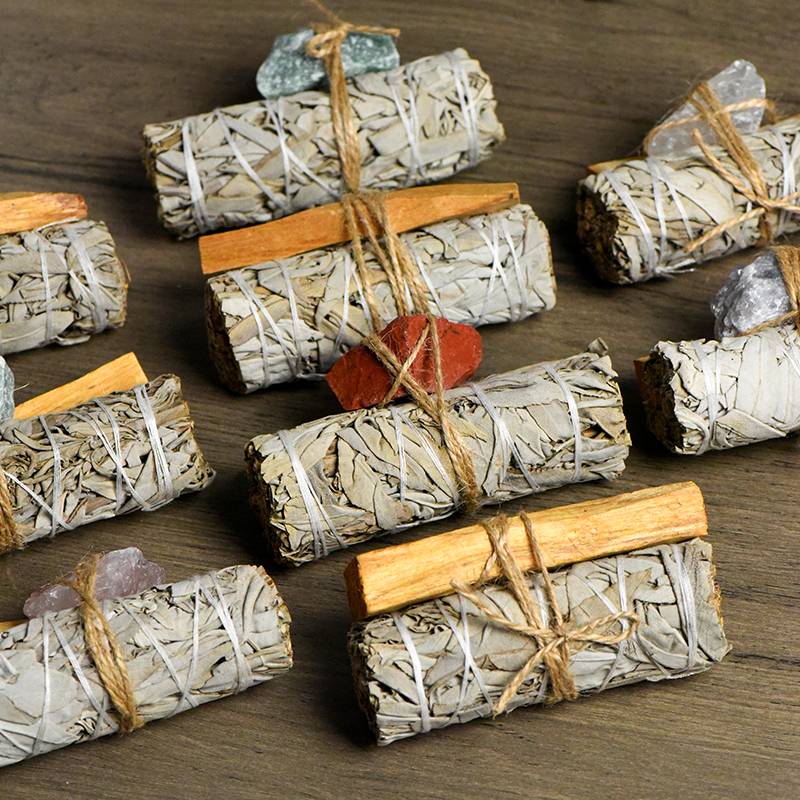
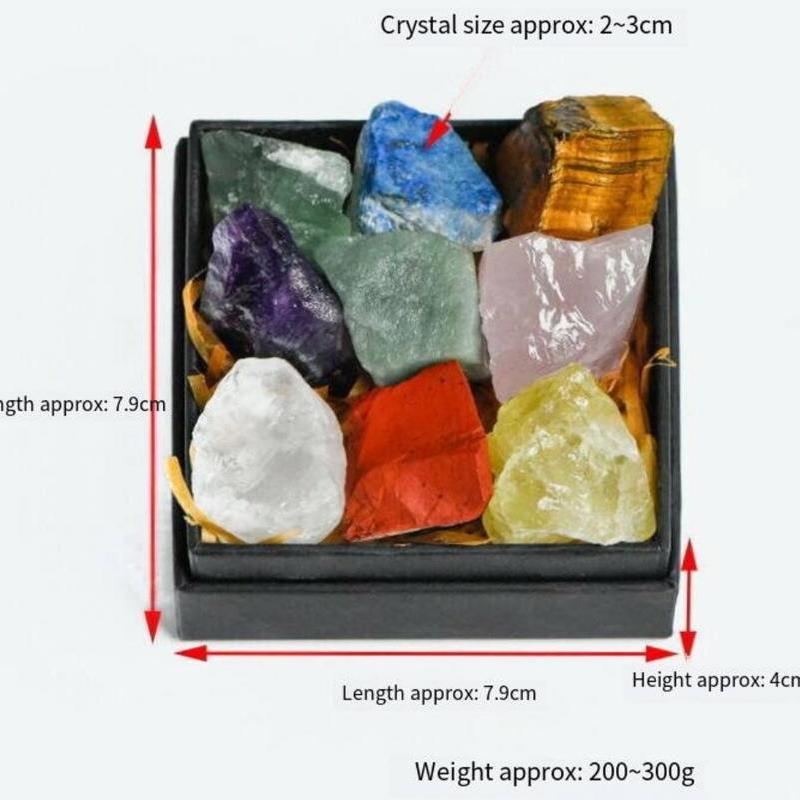
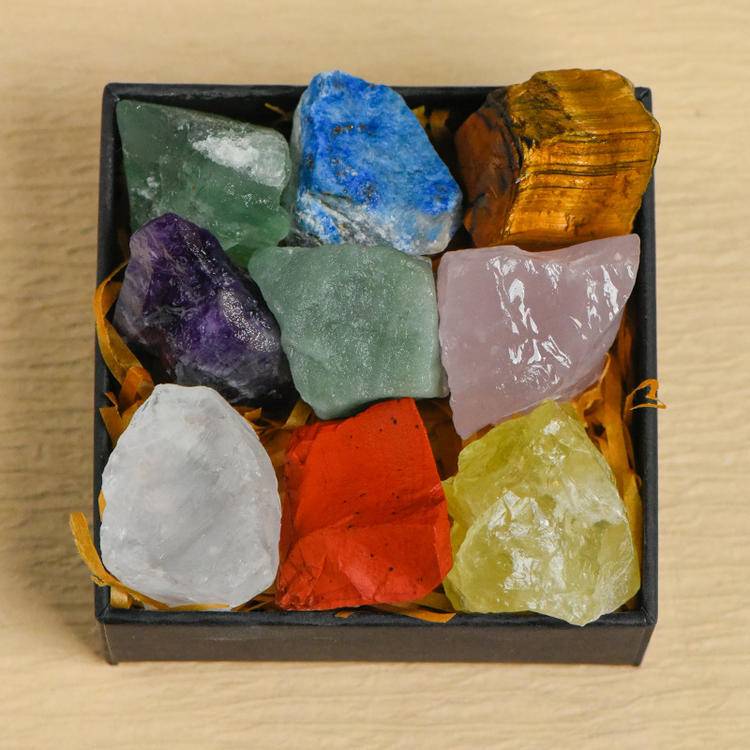
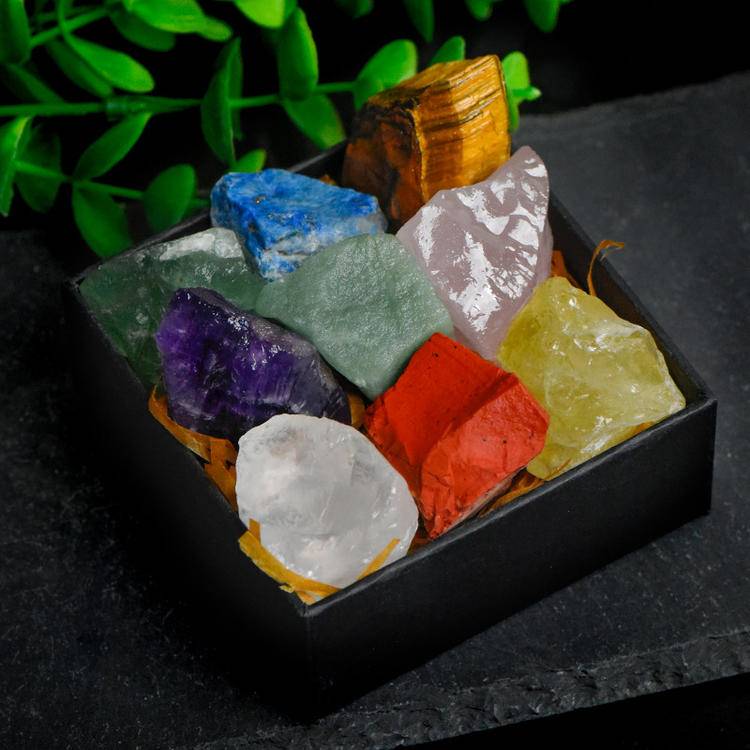
This listing presents a wholesale mix of natural crystal and gemstone rough pieces. The short description mentions Amethyst, Quartz, and Agate as examples and points to collecting and DIY jewelry making as possible uses. The stones are described as raw or unpolished, so the attraction is different from a matched set of finished beads. Rough pieces can show varied outlines, textures, and surfaces. Those differences are useful for study and creative selection, provided a buyer understands that the listing does not specify the exact quantity, proportions, sizes, or individual specimens in a particular mix.
What Makes a Rough Mix Interesting
A mixed group invites comparison. You can look at how stones differ in color, surface texture, translucency, and visible pattern. A collector may enjoy sorting by appearance before seeking confirmed mineral identification. A maker may prefer to spread the pieces out and consider which shapes could work in a design. The word natural describes the stones in the listing, but it does not replace detailed identification or grading. If exact mineral types are important for a project, request a confirmed breakdown rather than assigning a name to every piece by sight.
Rough stone is often appreciated for its irregularity. Some pieces may have edges or surfaces that require more thought when incorporated into a display or accessory. The listing does not promise that every stone is suitable for wire wrapping, drilling, polishing, or any other particular process. The attribute value says “Wire Wrapping Raw Crystals,” which suggests a possible creative direction, but it is not a technical specification of shape or strength. Review the actual assortment and select individual pieces for a project only after considering their form and condition.
Planning for a Bulk Purchase
Wholesale and bulk are useful terms only when paired with concrete order details. Before buying for a class, shop, collection, or repeated project, confirm the quantity or weight represented by the selected offer. Ask whether the photographs show the actual lot or examples of what a mix may contain. Also check how variation is handled from one order to another. These questions help set realistic expectations without assuming uniform stones or a guaranteed percentage of Amethyst, Quartz, or Agate.
Think about how you will use the whole assortment, not just the most striking pieces. A mixed lot may include shapes you would not have selected individually. For a collector, those can become comparison examples. For a jewelry maker, they may inspire experiments in layout or practice with a technique. For display, they can be grouped by color or texture. If your goal requires many nearly identical pieces, an unspecified rough mix may be a poor fit unless the seller confirms that requirement. The value of a mix lies in variety, so clarity about your own needs is essential.
Sorting and Recording the Stones
When the stones arrive, a simple sorting routine can make the assortment easier to use. Lay the pieces on a clean surface and group them first by visible traits rather than presumed names. Note colors, patterns, and shapes that stand out. Keep any seller supplied identification with the group it describes. If you plan to label individual minerals, use a reliable identification process or qualified guidance; appearance alone can mislead. A written inventory can help a maker remember which pieces were chosen for a design and help a collector track what still needs verification.
Photographs are useful when a lot contains many varied stones. Record a few views before separating it, then photograph groups as you sort them. This is an organizational suggestion, not a claim that the listing includes documentation or a particular number of specimens. It can also help you decide whether a piece looks better displayed by itself or combined with others. A neutral background and steady light make surface details easier to compare, even if the final purpose is simply to enjoy the assortment.
Ideas for Display and Craft
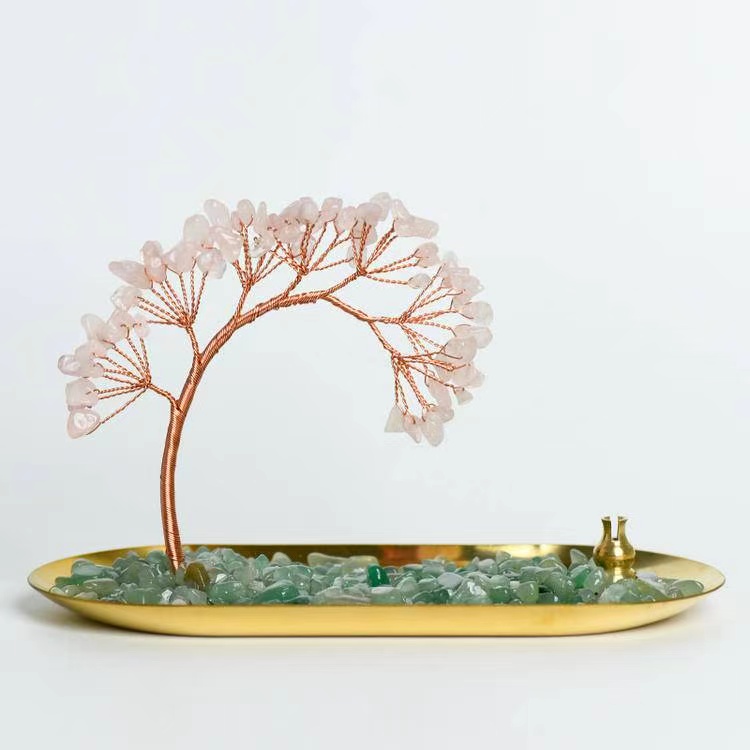
For display, rough pieces can be placed in a shallow container, arranged on a shelf, or grouped with related collecting notes. Give each arrangement enough space so individual textures remain visible. If a stone has an uneven base, choose a secure position where it will not roll. Avoid putting loose small pieces where children or pets can reach them. The assortment can be visually interesting without assigning a healing task to the stones. The title uses that term, but the supplied product information offers no basis for medical claims.
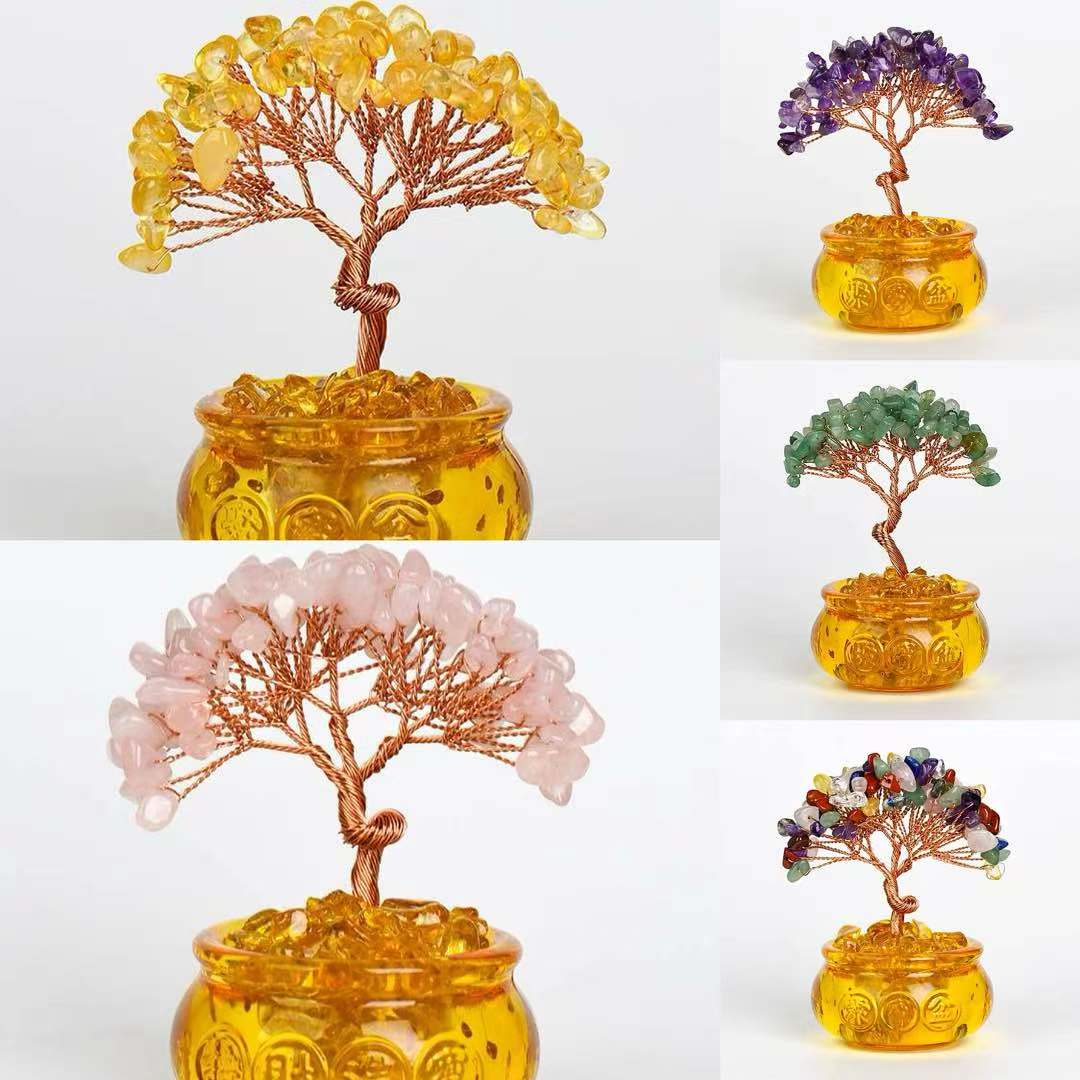
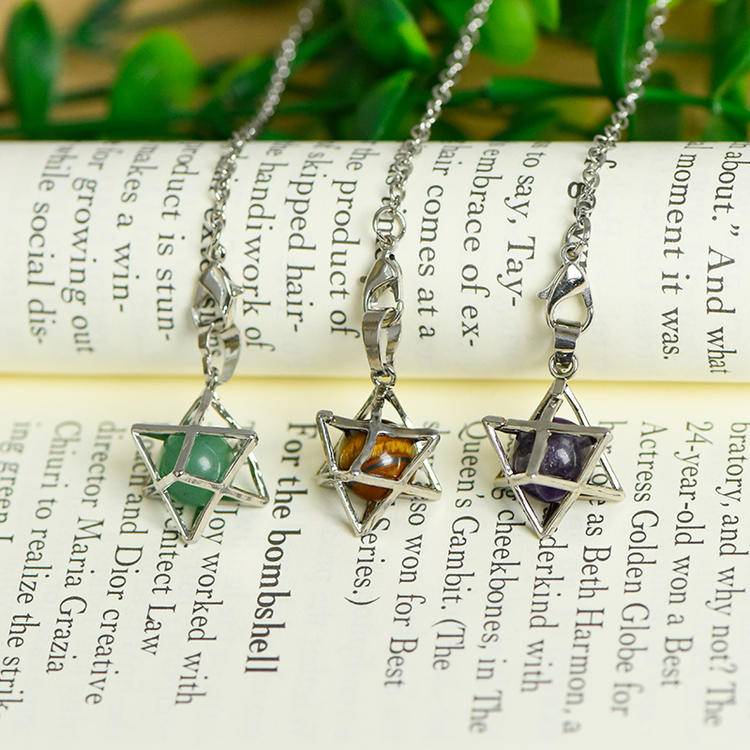
For wire wrapping, begin by examining the individual stone rather than forcing a standard pattern onto every shape. A piece with a broad area, a narrow point, or a fragile looking edge may call for a different plan. Practice with a low stakes piece before committing to one you especially like. Ensure that any finished item holds the stone securely, particularly if it will be worn or sold. Because no measurements or suitability rating is supplied for this mix, treat craft applications as possibilities to assess piece by piece.
A mixed lot may also suit learning activities that focus on observation. Comparing specimens can prompt questions about color, pattern, and the difference between a trade label and a verified mineral identification. If used in a group, explain clearly which names are confirmed and which are tentative. Avoid making claims that a stone’s appearance proves a specific origin, treatment history, or property. The listing names examples of minerals, but it does not provide provenance for individual pieces. Curiosity is most productive when paired with accurate labeling.
Symbolic Use and Responsible Claims
Some people keep rough crystals as personal reminders or include them in reflective practices. Such uses can be meaningful as traditions or preferences. They do not demonstrate that a stone treats an illness, changes another person’s behavior, or produces a guaranteed result. If you are creating gifts or products from this mix, describe the visible stone and your own design work accurately. Do not pass along unverified mineral names or health claims. Buyers can appreciate natural texture, color, and craftsmanship without promises that the stones cannot support.
Handling and Care
Handle rough pieces thoughtfully because edges and surfaces may be uneven. A soft, dry brush can remove loose dust from many display pieces, but the correct cleaning method may differ among minerals and any treatments. Since the mix is not fully specified, avoid soaking the whole assortment or applying chemicals indiscriminately. Store pieces so they do not strike or scratch one another unnecessarily. If you intend to cut, grind, or drill a stone, identify it first and use appropriate equipment and safety guidance for that specific material.
Storage does not need to be elaborate to be useful. Separate groups in small containers or on divided surfaces, label confirmed information, and keep fragile looking pieces from being crushed by heavier ones. If you will bring stones to a workshop, pack them so they cannot collide freely. If you will display them, revisit the arrangement occasionally to dust and check that no piece has shifted toward an edge. These ordinary habits help preserve an assorted collection and make future projects easier to plan.
Questions About the Wholesale Rough Mix
Are Amethyst, Quartz, and Agate guaranteed in every order?
The short description names them as stones included in the broad description of the mix, but it does not specify quantities or proportions for an individual lot. If a project requires a minimum amount of one mineral, ask for confirmation before purchasing. A photograph of an example assortment may not establish the contents of every order.
How many stones are in the bulk mix?
No count or weight is supplied in the provided details. Confirm the sale unit and expected quantity with the seller. That is especially important when comparing this offer with other bulk assortments or budgeting materials for multiple projects.
Can every piece be wire wrapped?
Wire wrapping is mentioned in the attribute information, but each rough piece may have a different shape and condition. Assess stones individually and test whether a secure design is possible. Do not assume that all pieces are equally suited to the same technique.
Are these stones suitable for healing?
They may be used in personal symbolic practices, but no medical effect is established by the listing. Enjoy them as specimens, display objects, or possible craft materials. Seek appropriate professional care for health concerns.
A rough mix is a good choice when variety itself is useful to you. Confirm the order quantity and mineral expectations, then plan time to inspect and sort the pieces. That approach lets the collection’s actual colors, forms, and textures guide how you display or work with it.