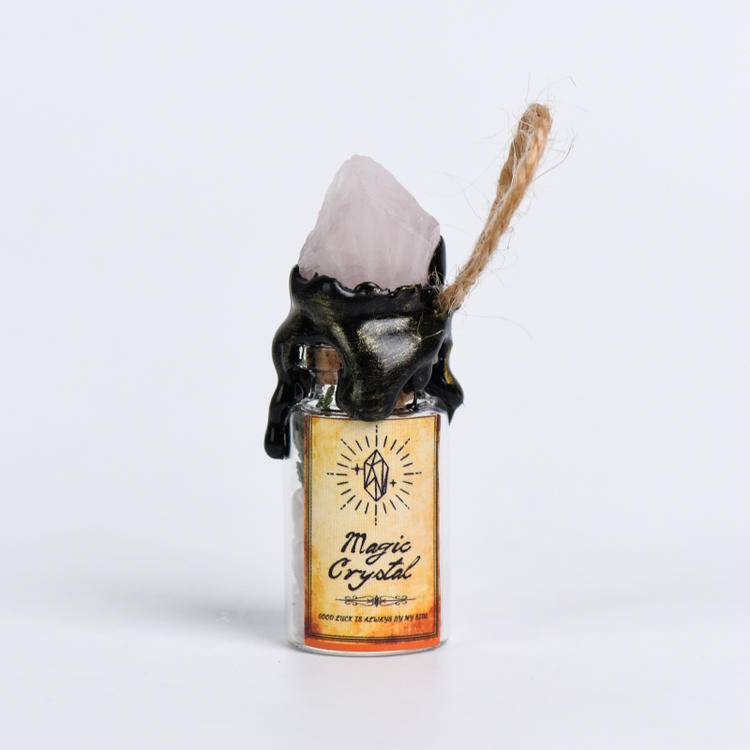
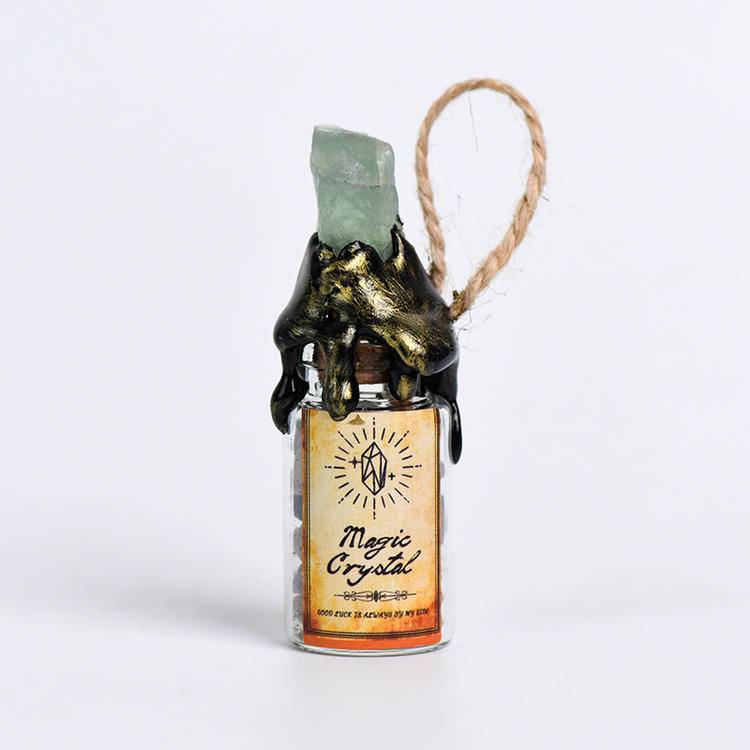
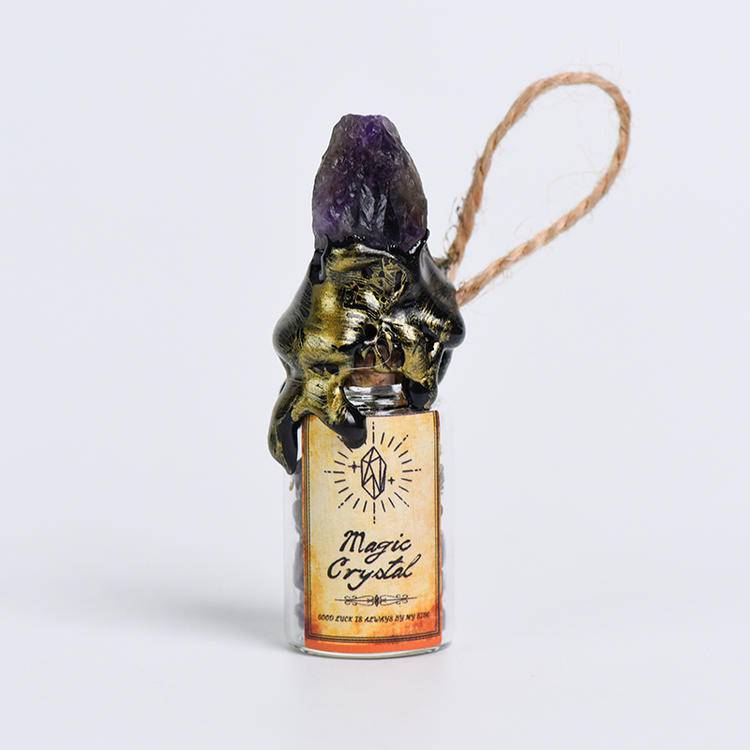
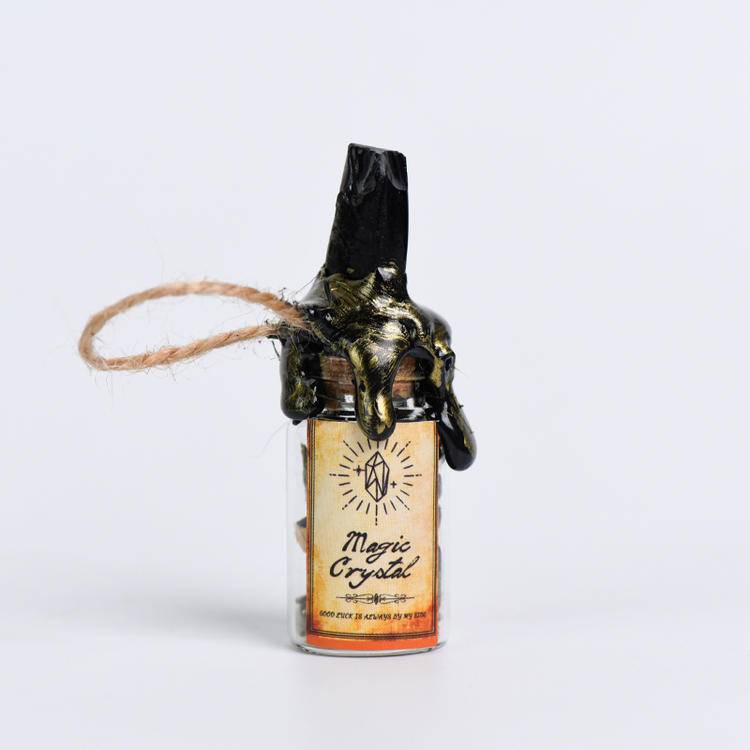
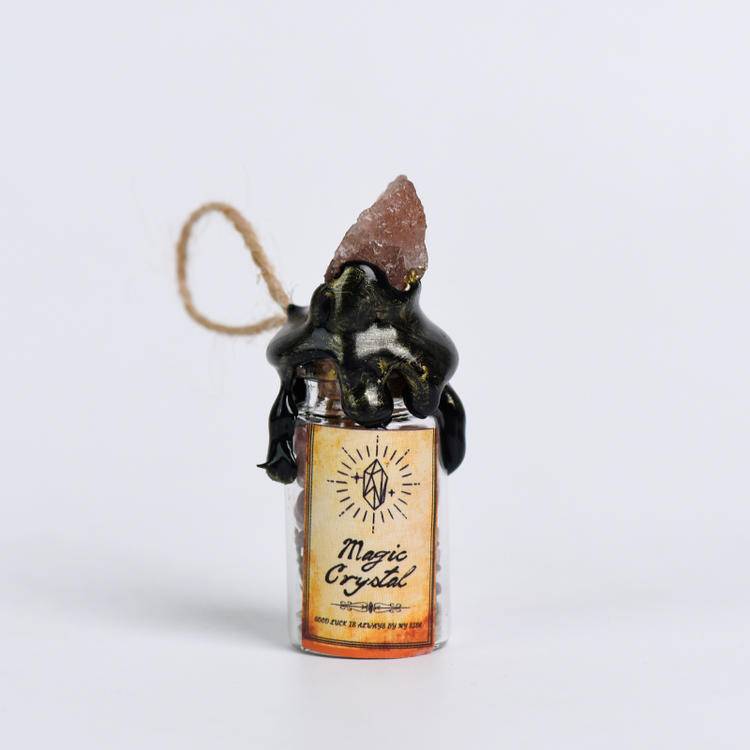
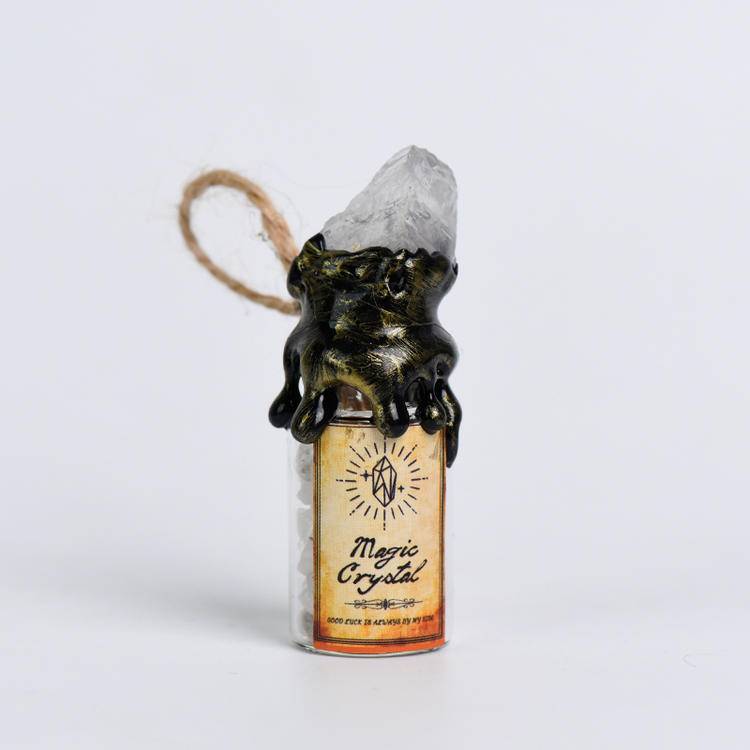
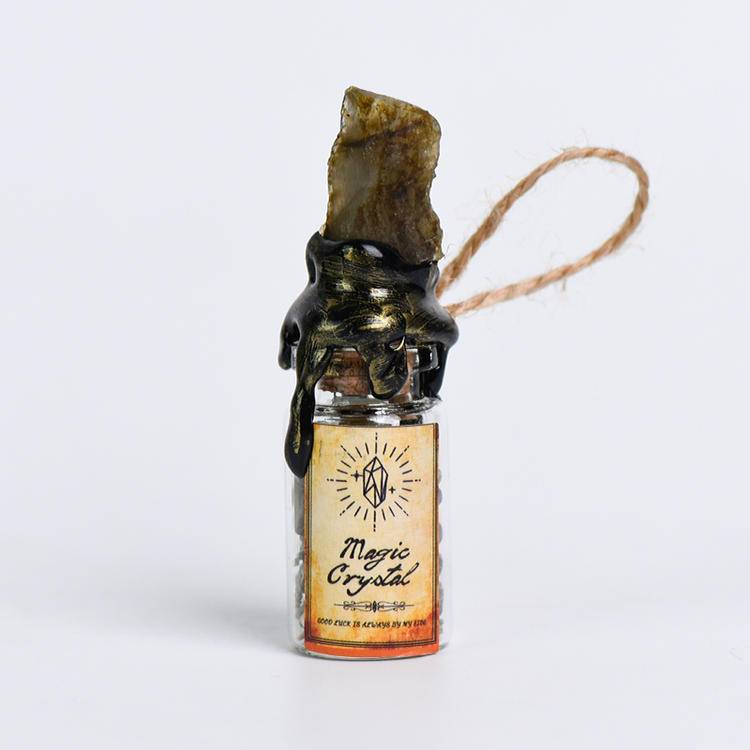
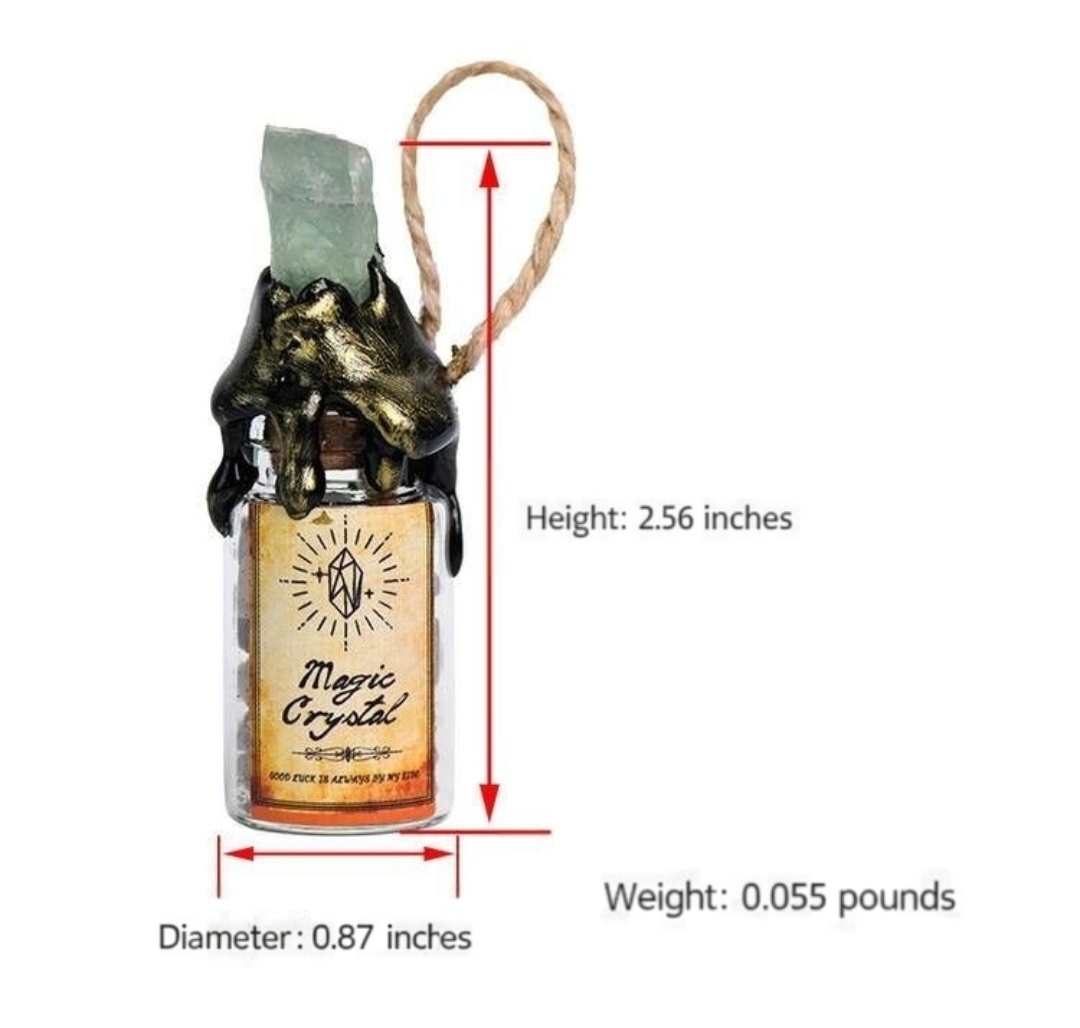
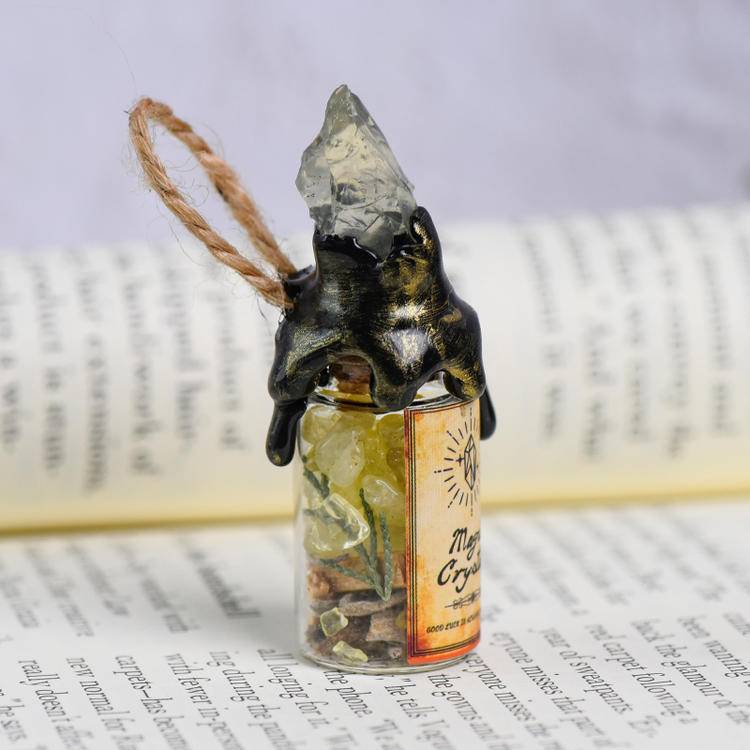
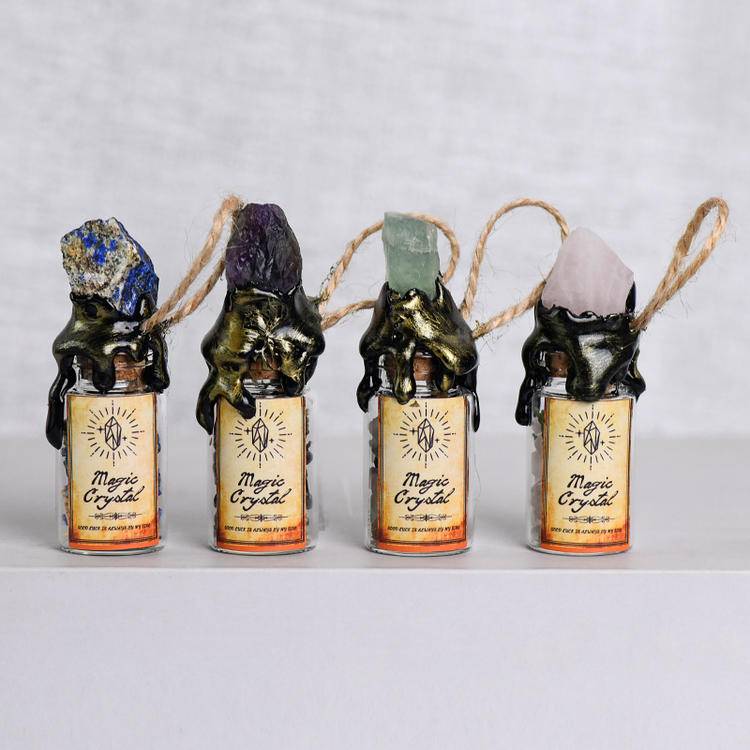
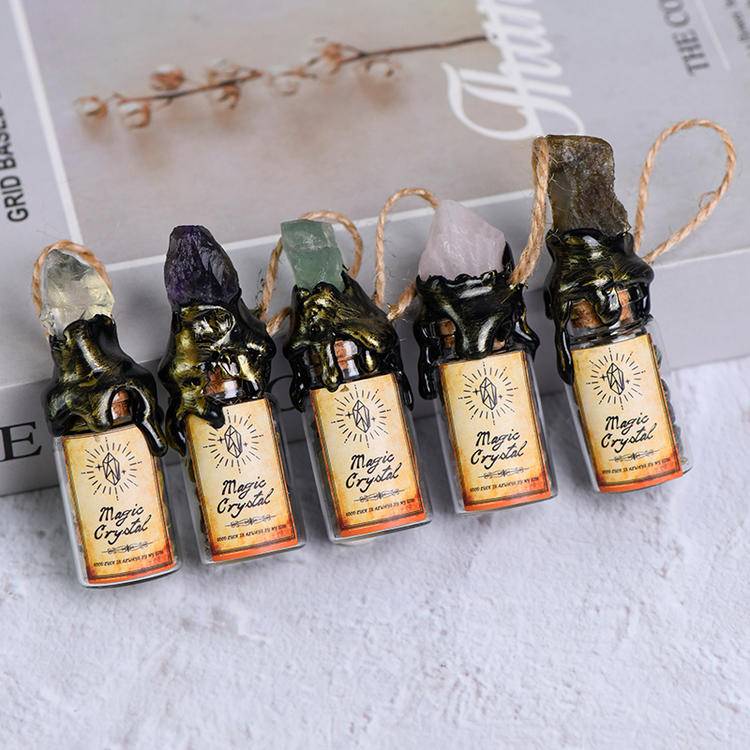
A small visual anchor for a reflective space
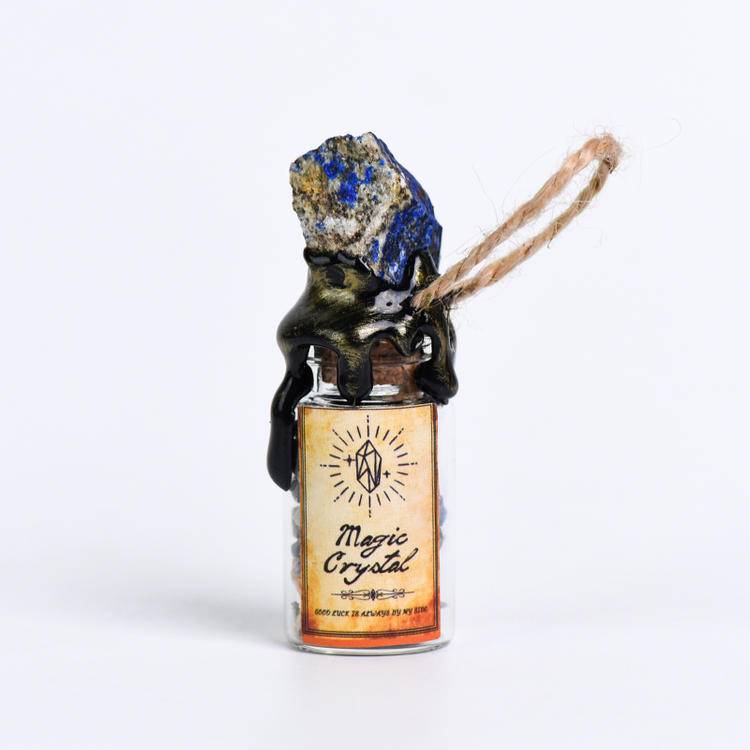
This mini spiritual vial is presented as an aesthetic glass jar for intention setting and energy work. Its short description gives one crucial practical boundary: it is not for holding liquids. Think of it as a display object and visual cue rather than a container to fill. It can occupy a place on a desk, shelf, or personal reflection area where its presence reminds you to pause. The object can help mark a chosen space, but it does not purify a room, alter energy in a measurable way, or create a guaranteed change in mood or circumstances.
The word spiritual describes one way a person might use the vial. Someone who maintains a meditation space may place it among other objects that help them settle into a routine. Someone else may simply like the small glass jar aesthetic. Both uses fit the information supplied. The meaningful part of an intention setting practice is the thought and action that follow it. The vial can be a cue to begin; it cannot do the work on a person’s behalf.
What the available options show
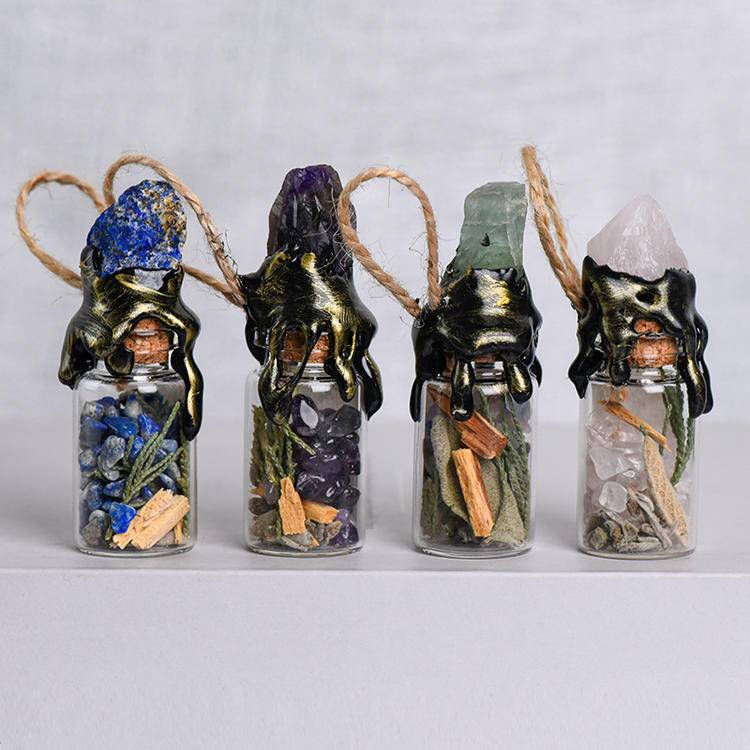
The listed attribute values are Citrine, Lapis Lazuli, Pink Quartz, Fluorite, Amethyst, Obsidian, Strawberry Quartz, Clear Quartz, and Labradorite. These names suggest possible stone related options, but the supplied details do not explain their placement in or on the vial, their quantities, or whether each selected variant has the same construction. Do not assume that the glass jar contains loose stones, that it can be opened, or that any particular arrangement is included. Review the selected variant’s photographs and item information for its actual appearance.
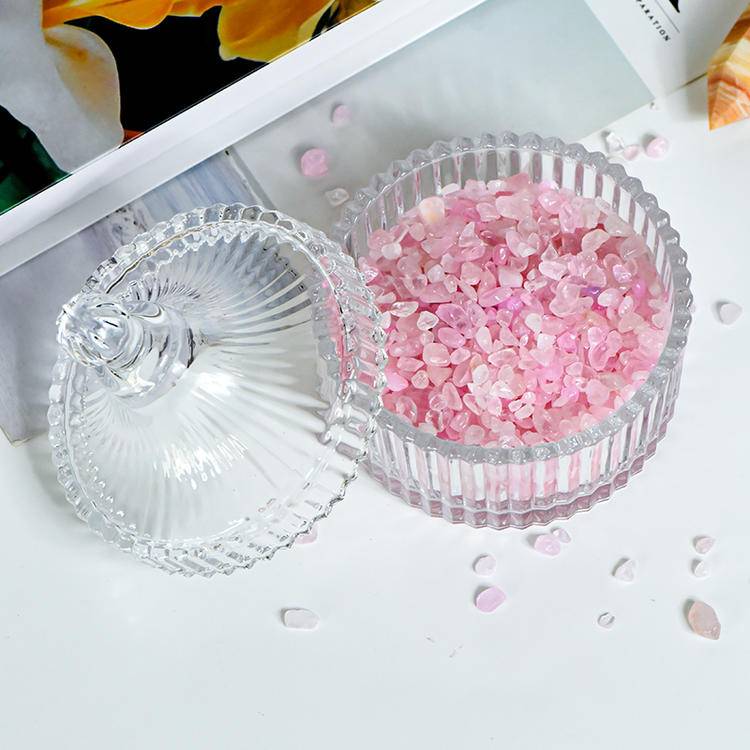
The names offer different visual directions. Citrine suggests a warm color family, while Lapis Lazuli and Obsidian suggest markedly different dark tones. Pink Quartz and Strawberry Quartz imply softer pink associations, and Clear Quartz points toward a pale appearance. Fluorite, Amethyst, and Labradorite may appeal to people who prefer other colors or visible variation. Those are broad guides based on the names, not promises about the exact shade or pattern of an item. Natural materials can vary, and the label alone does not show what the selected object will look like.
How to choose a variant
- Look first at the photograph tied to the particular option.
- Choose a color or appearance that suits the place where you plan to display it.
- Check the item’s specific description for how the named material relates to the glass vial.
- Consider whether the object will be handled often or remain mainly on display.
- Make the choice for its visual and personal appeal rather than an expected supernatural effect.
Creating a place for the vial
A small object can be useful as a landmark within a space. On a desk, the vial could sit where you will notice it before starting a focused task. In a reflection area, it could mark the beginning of a quiet routine. On a shelf, it may serve simply as a decorative reminder of a personal intention. Choose a stable, accessible position where the glass is unlikely to be knocked over. The exact dimensions and construction are not provided here, so check the product details before planning a tight display arrangement.
The short description mentions an altar or desk. An altar can mean different things to different people, from a formal religious setting to a personal collection of meaningful objects. The vial does not require either setting. If you use it on a desk, it can sit beside a notebook or another practical tool connected to your goal. If you place it in a dedicated reflective space, let the surrounding arrangement support attention and comfort. The point is to make the cue easy to notice without claiming that its location changes the environment by itself.
Intention setting as a practical habit
An intention is most useful when it can guide an action. Instead of asking an object to make you calm, you might decide to take a short pause before answering a difficult message. Instead of expecting it to improve focus, you might set aside a period for one task. Looking at the vial can remind you of the choice you made. The action remains yours. This approach allows a symbolic object to play a modest, realistic role in a daily routine.
Some people use the phrase energy work to describe attention to their feelings, surroundings, or spiritual beliefs. Such practices are personal and vary widely. The vial cannot verify, transmit, or control an unseen force. If the object helps you begin a reflective moment, describe that benefit as part of your experience rather than a product guarantee. For concerns involving health, distress, or other serious matters, seek appropriate support rather than relying on a display item.
A simple routine using the vial as a cue
- Place it somewhere stable and visible.
- When you notice it, take a brief pause and name one intention in plain language.
- Choose one action within your control that fits that intention.
- Write the action down if a written reminder would help.
- Review what you actually did later, without attributing success or difficulty to the vial.
Display and style
Glass can bring a light, reflective quality to a small display. The vial’s aesthetic may work with books, a notebook, plants, or other personal objects, provided it has a secure position. A selected stone related option may introduce color into an otherwise simple arrangement. You can coordinate it with the palette of a room or deliberately make it stand out. Its appeal does not depend on a complex setup; even one carefully placed object can give a surface a more personal character.
Avoid overcrowding a place where the vial could be bumped. If you plan to move it frequently, consider whether the actual variant is easy to handle safely. The supplied description does not specify a lid, closure, stand, or attachment, so do not rely on any of those features without checking the item. Treat the vial as a small display object whose exact details must be verified from the selected product presentation. The instruction that it is not for liquids should guide how you plan to use it.
Care and limits of use
Handle the glass gently and place it on a stable surface away from edges. Keep it where accidental knocks are less likely, especially in a busy workspace. For visible dust, begin with a soft dry cloth. If further cleaning is needed, follow care directions for the actual item and its contents or decorative components. Since its construction is not specified here, avoid soaking it, adding cleaning fluid inside, or assuming that parts can be removed. The stated no liquids boundary applies even when the vial visually resembles a functional jar.
If a component appears loose or the glass becomes damaged, stop handling or displaying it in a place where it could be disturbed. Inspect the selected item before use so that its actual form, not an imagined container design, guides your care. Ordinary handling can affect decorative objects over time. A careful location and gentle cleaning are practical ways to enjoy the vial without treating it as indestructible.
Who may appreciate this object?
The vial may suit someone who enjoys small decorative objects, maintains a reflective routine, or wants a visible reminder of a personal goal. It could also appeal to a person who likes the glass jar form or one of the named stone options. If intended as a gift, consider the recipient’s beliefs and preferences. Some may enjoy spiritual language; others may prefer a simple description of the object as a desk or shelf decoration. You can give it personal meaning without suggesting that it has a power the recipient must accept.
It may be a poor choice for someone seeking a functional liquid container, because the short description explicitly rules that use out. It is also not a substitute for a tool that performs cleansing, treatment, or environmental control. The object works best when expectations remain tied to its actual role: an aesthetic item and a possible cue for reflection. If the recipient values exact details about included materials or construction, verify the selected variant before giving it to them.
Questions about the mini spiritual vial
Can I fill it with water, oil, or another liquid?
No. The supplied description specifically says the vial is not for holding liquids. Use it as a decorative visual anchor.
Does it purify a space or change energy?
No measurable or guaranteed effect is established. Some people may place it in a spiritual setting as a personal symbol, but any reflective value comes from their own practice.
Are the named stones inside the vial?
The option list names stones, but it does not explain their placement or how each variant is assembled. Check the selected item’s photographs and details before assuming what is included.
Where should I display it?
Choose a stable spot on a desk, shelf, or personal reflection area where it is unlikely to be knocked over. Consider how visible you want it to be as a reminder.
How can I use it for intention setting?
Let seeing the vial prompt you to name an intention and choose a practical action. Review your actions afterward. The object can support a routine as a cue, but it cannot ensure the outcome.