The Douli form in a single tea cup
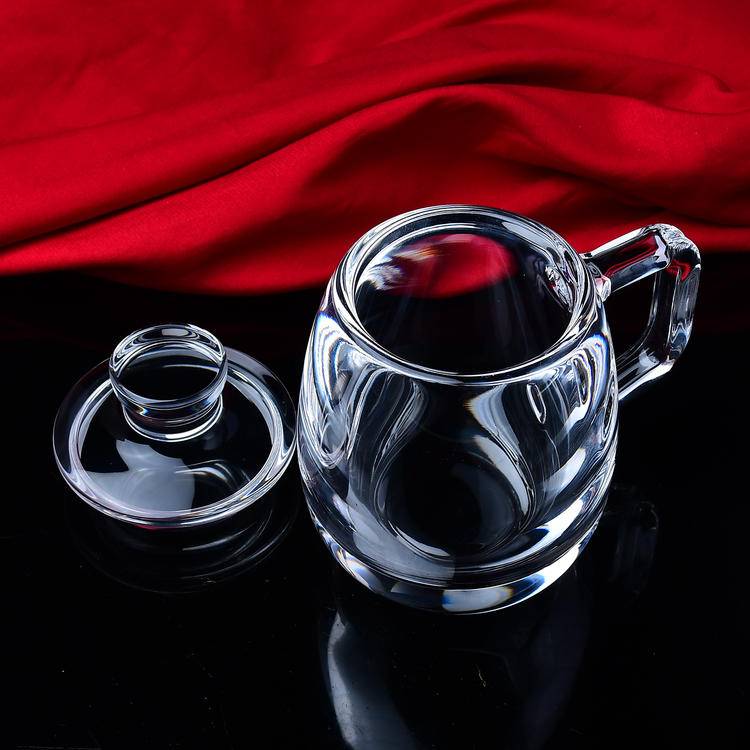
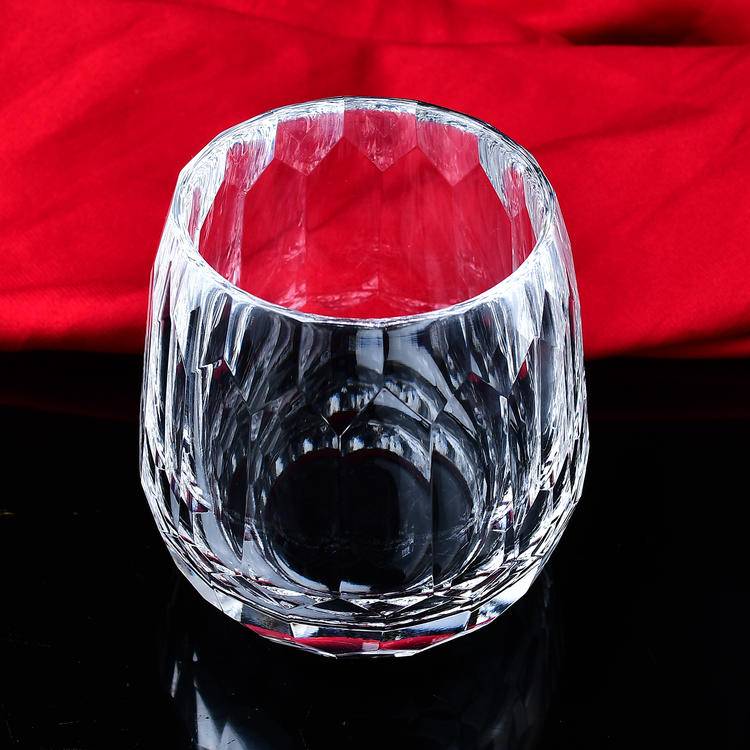
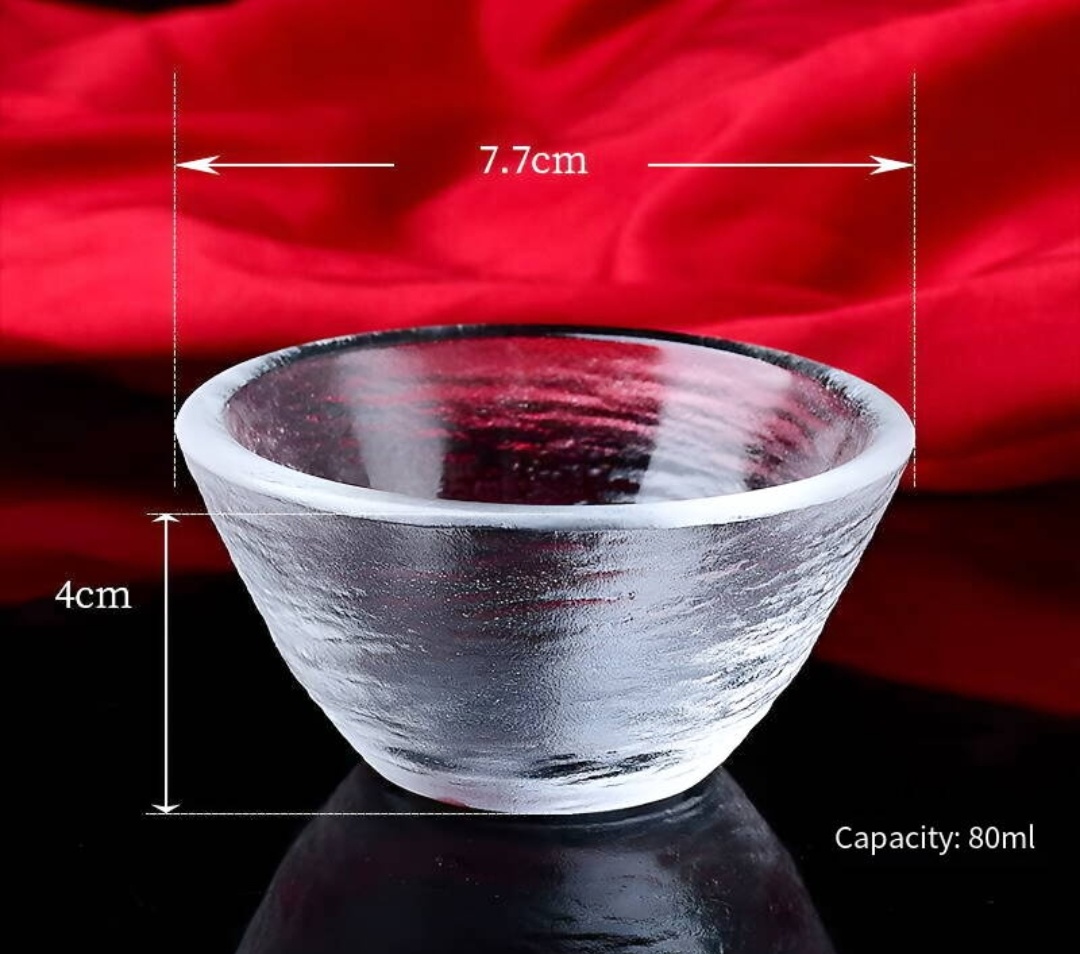
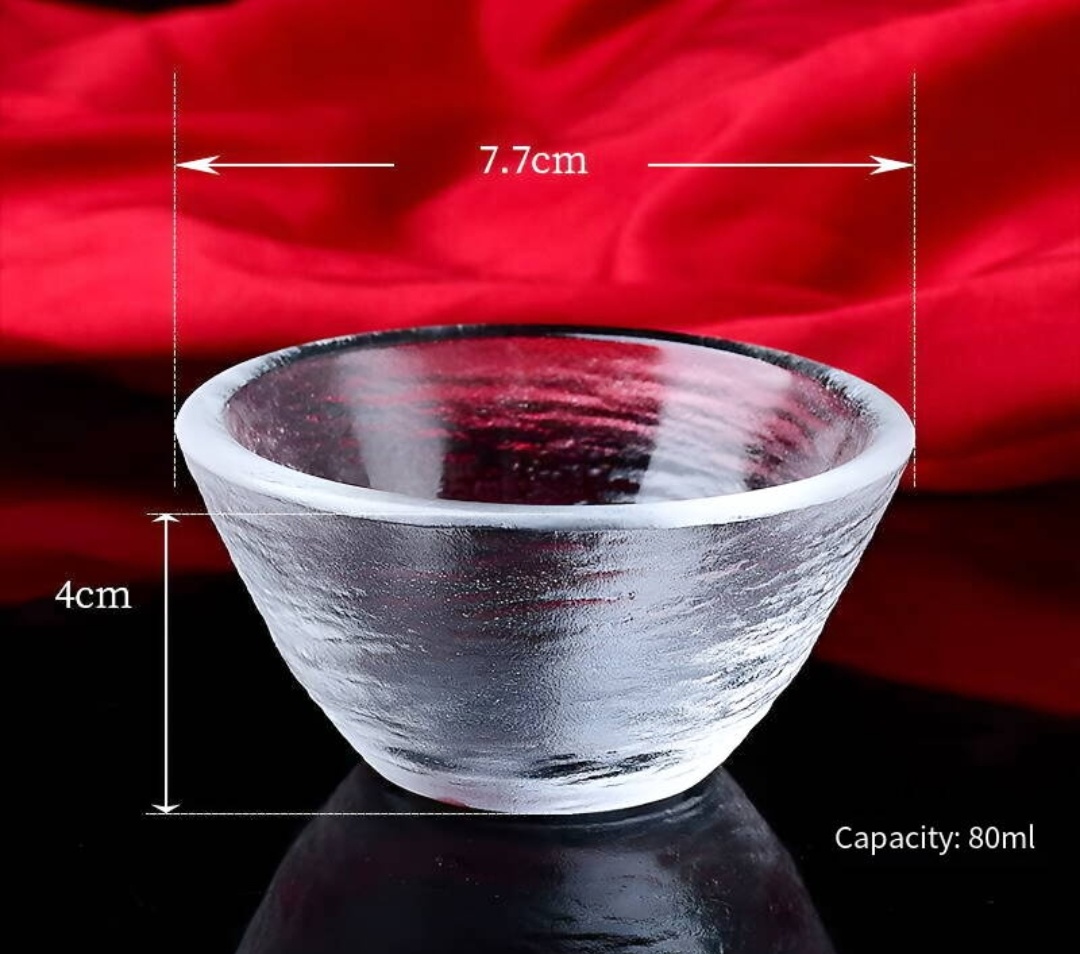
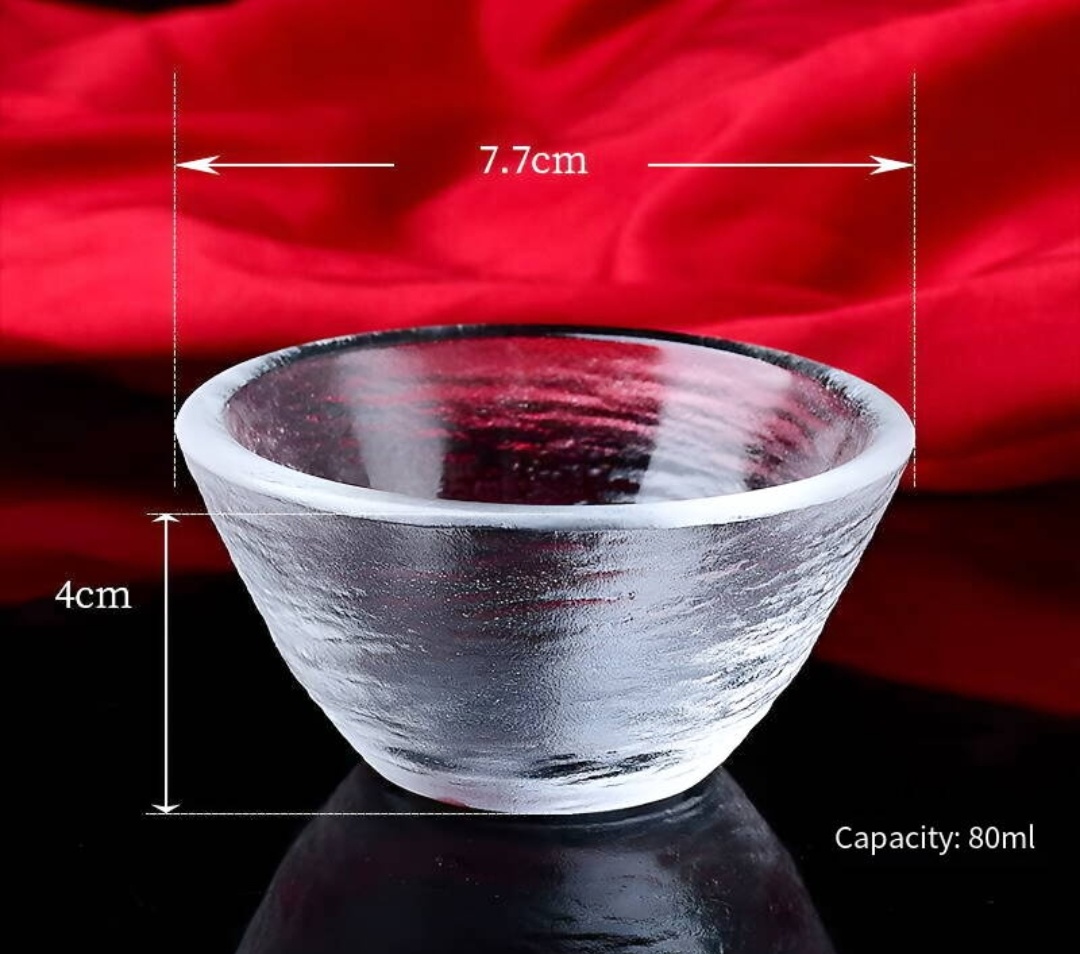
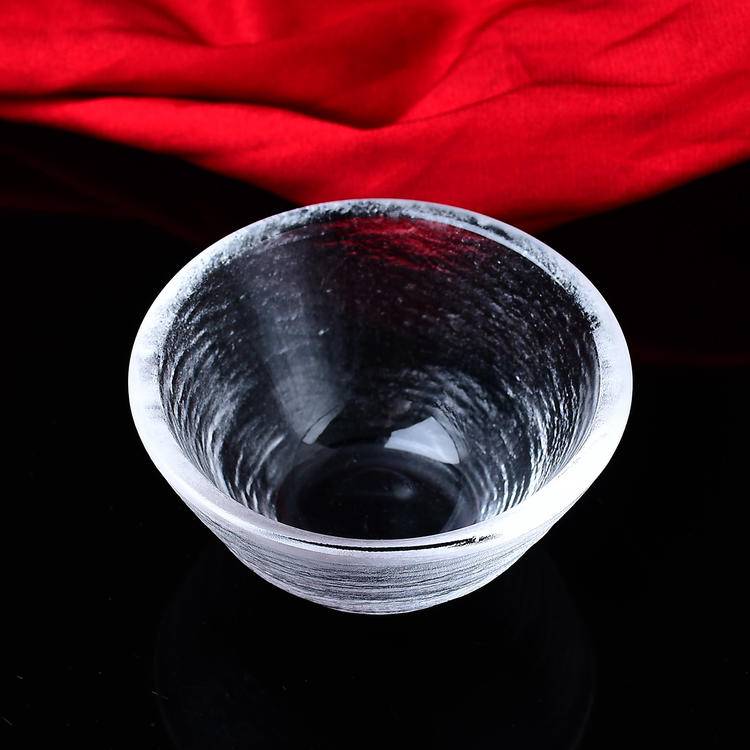
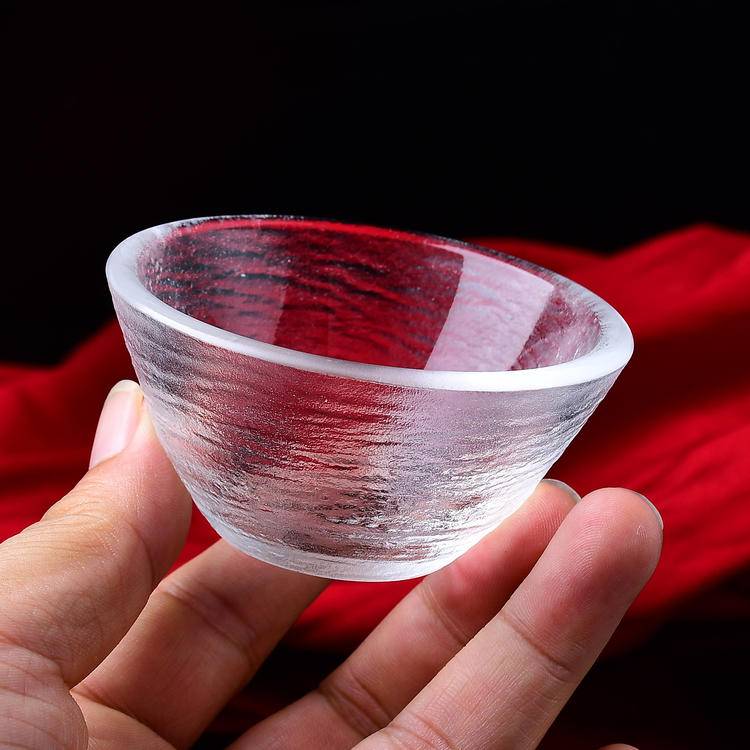
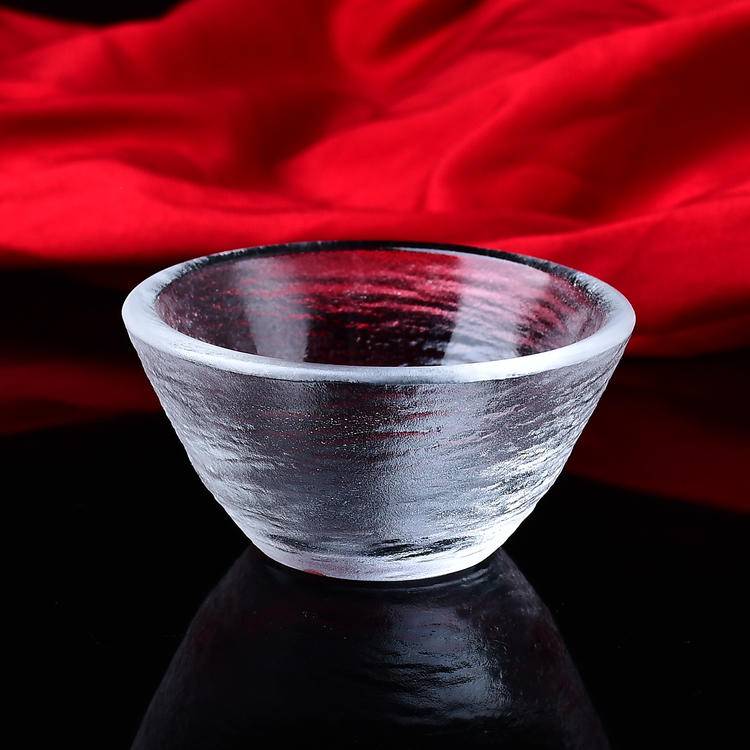
This cup is presented as a handcrafted piece with a Douli design, referring to the outline of a conical hat. That shape gives the single vessel its main visual identity. The listing also calls it a Natural Crystal Melting Cup and describes it as glassware for tea or display. Together, those phrases suggest an object chosen as much for its silhouette as for its everyday function. You can enjoy the form without treating the name as proof of a particular production technique or mineral composition.
A Douli-inspired outline can be especially effective in a restrained setting. When only one cup sits on a tray, its sloping profile becomes easy to notice. Near a teapot, it can provide a change of shape from rounder forms. On a shelf, it can read as a small decorative object even when empty. These uses make sense for a single cup, but they do not imply that other pieces shown in any setting are included with it.
Reading the product description carefully
The supplied attributes say Premium Quartz Material. The short description speaks of natural crystal, while the title uses both crystal and glassware language. Those descriptions do not provide a technical breakdown of the material or establish how every part is made. If quartz content, food-contact suitability, or a particular manufacturing method is central to your decision, request a clear specification from the seller. A material name can guide a question; it should not be stretched into an unsupported claim.
The word melting may evoke a fluid or softened appearance, but the supplied information does not define a special melting process. Judge the actual visual effect from current photographs. Look at how the rim, sides, and base relate to the Douli silhouette. The form is the distinctive feature you can evaluate without inventing dimensions, capacity, or a production story.
How it can fit a tea practice
A single cup can bring attention to one serving of tea. It may suit someone who pours a modest amount, tastes slowly, and enjoys seeing the vessel between pours. The short description mentions tea ceremonies, but no specific ceremony or handling method is given. If you practice a defined tea tradition, compare the cup’s confirmed size and shape with what your own practice requires. If you simply enjoy a quiet tea break, it can be used without any formal ritual.
The shape may influence how you prefer to hold or present it, yet photographs alone cannot establish how it feels in the hand. Ask about measurements and weight if those details matter. A wide-looking opening in an image is not a substitute for an actual measurement, and the term single cup does not tell you its capacity. A person seeking a generous mug should confirm volume before choosing a cup based on its decorative form.
Setting up for use
- Choose a firm, level tray or table with enough room to lift the cup comfortably.
- Inspect the cup for any visible damage before pouring.
- Use the drink and temperature range supported by the item’s actual care instructions.
- Place the cup so the Douli outline can be seen without putting it near a table edge.
- Allow it to cool as needed before cleaning or moving it into storage.
A thoughtful setup is more useful than trying to make the cup perform a role it was never described as having. The listing does not claim insulation, a lid, a handle, or a matching saucer. Check the current purchase details for those features if they are essential. This cup can also be reserved for display rather than regular drinking, depending on the owner’s preference and the specifications supplied with the item.
Styling the conical silhouette
The Douli reference gives this product a specific design language. Try allowing that form to be the central shape in a small arrangement. Plain linens, a simple tray, or a shelf with generous empty space can make its outline clearer. A crowded display may still feel inviting, but it can hide what makes this cup different from an ordinary piece of clear drinkware. Consider where the viewer will stand or sit; a cup’s profile can be more visible from one angle than another.
Tea color may also become part of the presentation if the vessel is transparent as suggested by the glassware wording. A pale infusion and a darker one can create different visual impressions, though no beverage changes the cup’s underlying design. Lighting affects the appearance of clear surfaces as well. Natural daylight, indoor light, and product photography can show different highlights. If an exact appearance matters for a coordinated collection, request current photographs of the actual option available.
As a gift, the cup may suit someone interested in distinctive tea objects, Douli-inspired forms, or small pieces that can be displayed between uses. The recipient’s habits still matter. Someone who prefers an insulated mug or a complete matched set may use a single decorative cup only occasionally. A present feels more considered when its practical role is understood along with its appearance.
Selection questions to settle before purchase
- What is the verified material composition of the cup described as crystal, quartz, and glassware?
- What are the actual measurements and serving capacity?
- Is the cup approved for the temperatures and beverages you intend to use?
- What exactly is included with the single cup?
- What cleaning method does the seller recommend for this item?
These questions are especially useful because several appealing phrases in the listing are broad. Confirming practical details helps you decide whether the object belongs in daily use, occasional service, or a display. It also prevents a photograph or a category label from doing more work than it can reliably do.
Care, handling, and realistic expectations
Handle the cup as a delicate object unless the seller supplies more specific durability guidance. Keep it away from crowded sink areas, sharp impacts, and unstable shelves. Avoid abrupt changes in temperature when the item’s tolerance is unknown. Clean it with a method appropriate to the confirmed material and any decoration, using nonabrasive tools when advised. If you notice a crack, chip, or rough rim, set the cup aside rather than continuing to drink from it.
The supplied description calls the cup pure, but it gives no measurable purity specification. That wording should not be understood as a health benefit or guarantee about the drink. A cup can make a tea moment more enjoyable through its design and handling; it cannot promise a particular physical or emotional effect. Similarly, the Douli inspiration is a design reference. It does not establish a place of origin or a historical lineage for this exact product.
When displaying it, keep the cup on a stable surface and allow room for dusting. Do not stack other vessels inside it without knowing whether that is safe for the rim and surface. If it comes with care instructions, follow those over general advice. If it has no instructions and material questions remain, contact the seller before exposing it to high heat, a dishwasher, or other conditions that could damage it.
Questions about the Douli cup
What does Douli describe here?
In this listing, Douli refers to a conical hat-inspired design. It identifies the visual theme of the cup, not a confirmed origin or manufacturing history.
Is this a whole tea set?
The supplied description identifies a single cup. It does not establish that a pot, tray, saucer, or additional cups are included.
Is it definitely made entirely of quartz?
The attribute says Premium Quartz Material, while other copy calls the item crystal glassware. The exact composition is not specified, so confirm it if that distinction matters to you.
How much tea does it hold?
No capacity is provided in the supplied information. Request a measured volume rather than estimating from photographs.
May I put it in a dishwasher?
No dishwasher guidance is supplied. Follow the seller’s care instructions or ask before using an automatic cleaning cycle.
Must it be used in a tea ceremony?
No. The description suggests ceremonial use, but the cup can also be considered for an ordinary tea break or as a decorative piece, subject to its confirmed material and use guidance.