The character of a faceted teacup
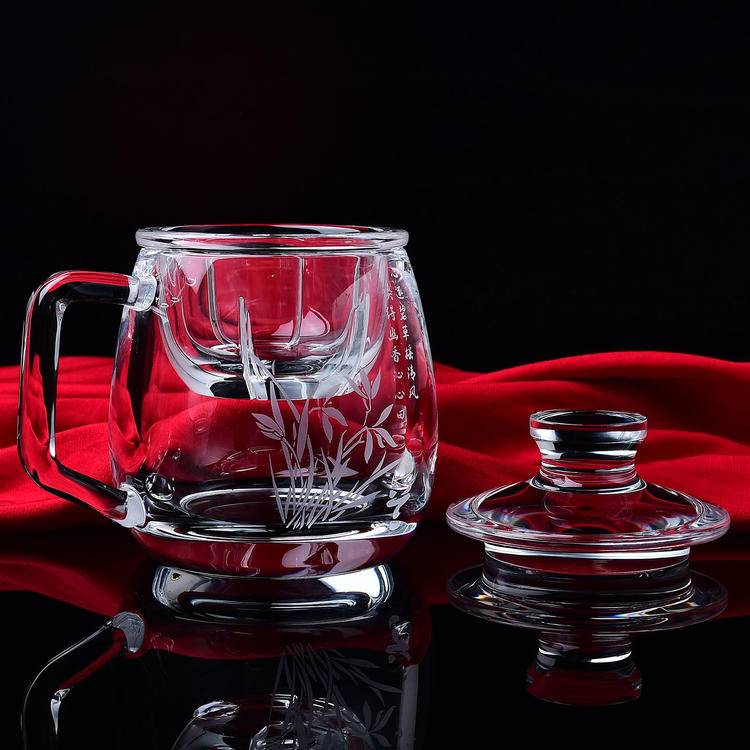
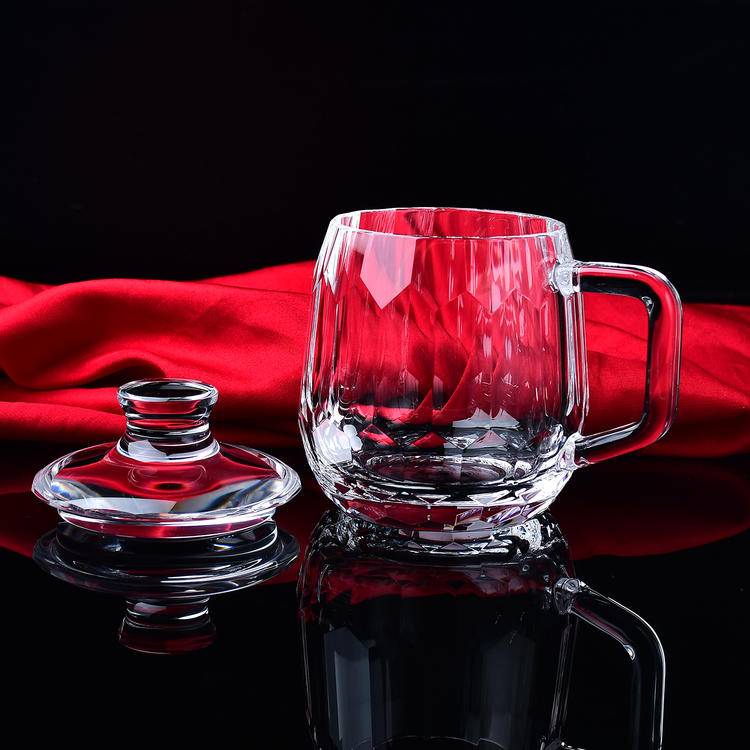
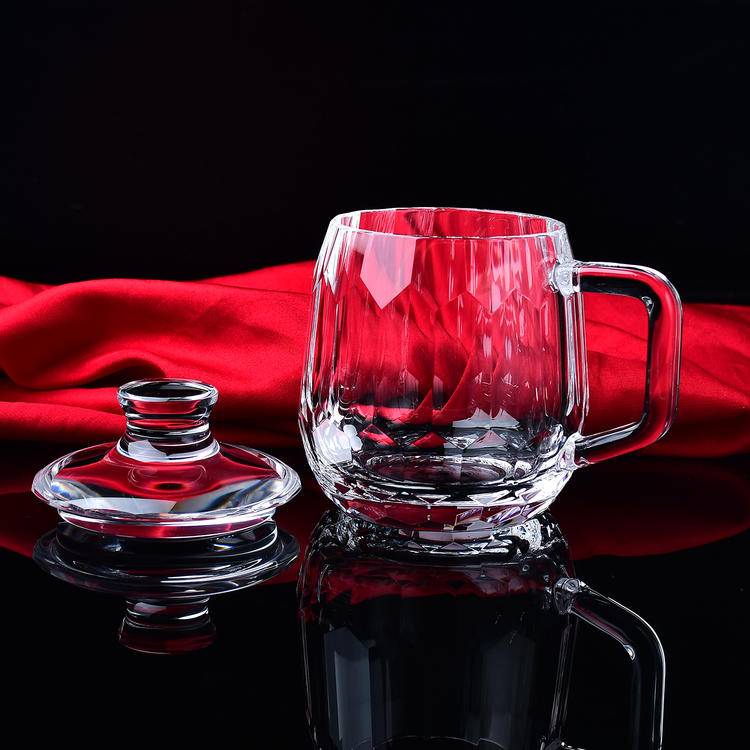
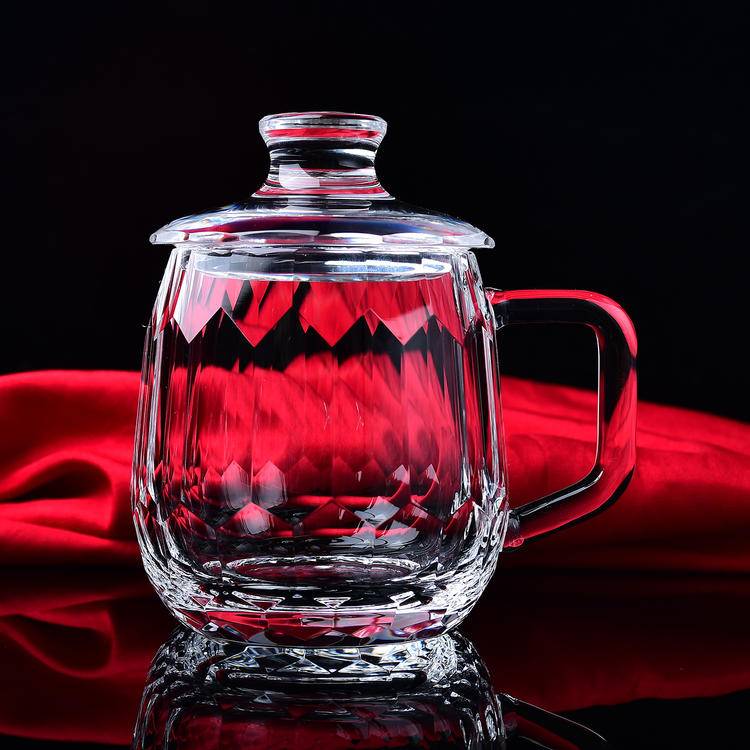
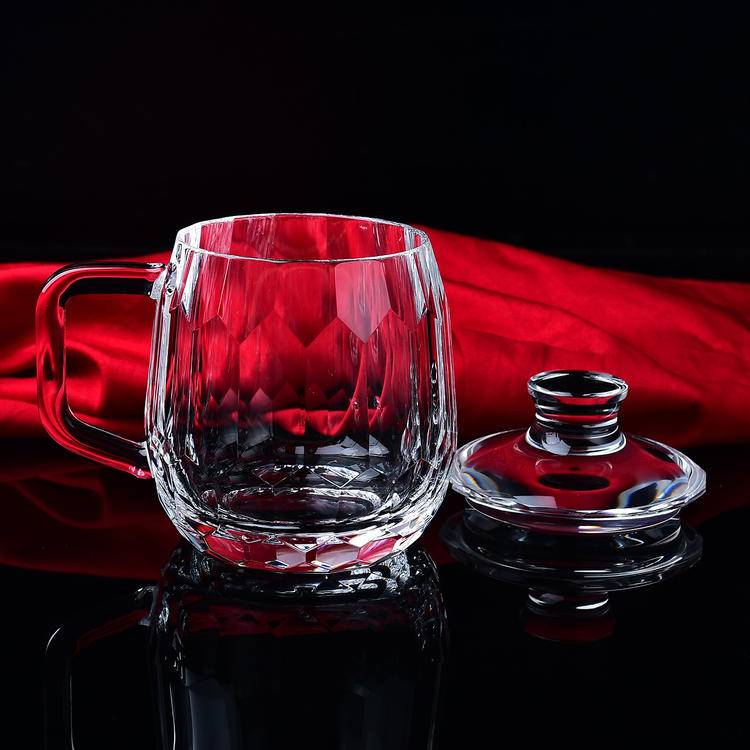
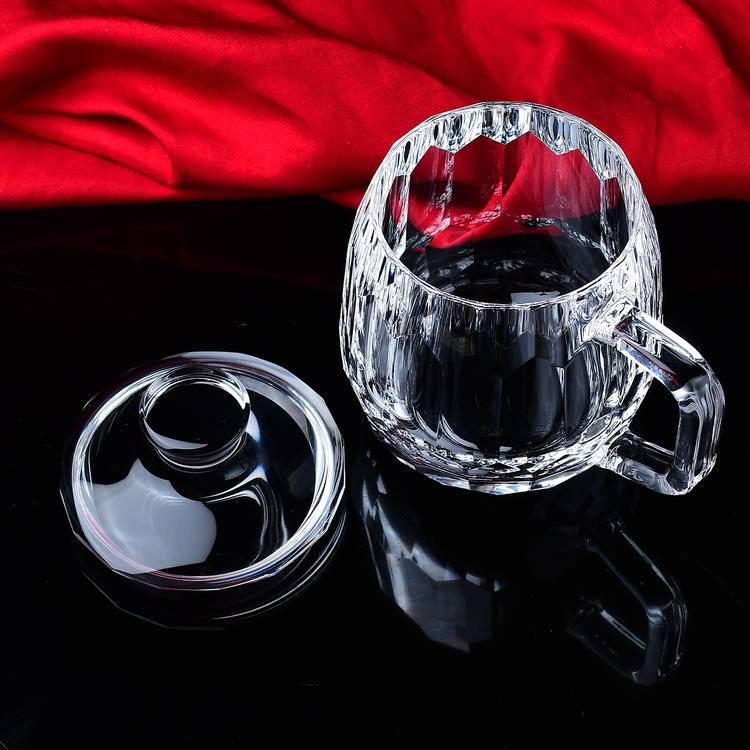
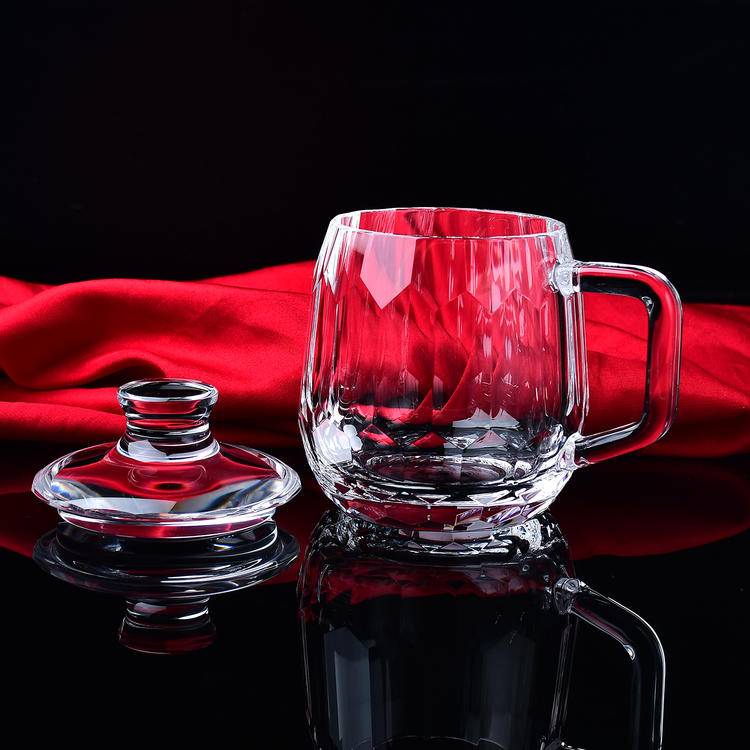
This teacup is described as a handcrafted glass cup with a faceted design. Its appeal is visual as well as practical: the angled surfaces can become part of how a tea setting looks in changing light. The short description suggests tea ceremony, meditation, and decorative use. Those are three ways to place the same object in a room, but they call for different expectations. As a cup, it needs to feel appropriate for the tea you drink. As a display piece, its shape and placement may matter most.
The title uses natural crystal smelted as a product name, while the supplied description identifies the vessel as glass. It does not provide a technical explanation of the phrase or a detailed material specification. If composition is important to you, seek confirmation from the seller. For ordinary selection, focus first on the features that are stated: a handcrafted presentation, a faceted surface, and use as a teacup or decorative object. That approach makes it easier to assess the item on information you can actually verify.
Looking closely at the faceted design
Facets give a cup a different visual rhythm from a smooth, plain wall. Turn the cup in your hand while it is empty and cool to see how its surfaces catch light and how its outline reads from different angles. When filled, the color of tea may become part of that effect. This is an aesthetic observation, not a promise that every angle will look the same in every room. Lighting, background, and the beverage itself affect what you see. Handcrafted character may also mean that a particular piece has its own visual details.
Using it for tea
A single cup can make a tea pause feel intentional. Prepare the tea using equipment suited to that tea, then pour a comfortable amount into the cup. Leave room at the top so it can be lifted and set down without spilling. The listing does not describe a built-in strainer or a lid, so do not assume either is included. If you use loose leaves, brew them in a separate vessel or confirm the exact contents of the product listing before planning to steep directly in this cup.
Whether you drink alone or share a table, the cup can provide a focal point without changing the basic steps of tea preparation. Choose a stable surface, keep hot water within easy reach, and place a cloth nearby for any drips. Notice the tea’s color and aroma before drinking if that adds pleasure to your routine. None of these steps requires a formal ceremony. They simply help you pay attention to the experience and handle a hot beverage with care.
A place in a quiet practice
The title mentions meditation. The cup can sit within a quiet setting, perhaps beside a chair or on a small tray after tea has been prepared. Some people use a deliberate tea pause to mark the beginning or end of a period of reflection. The cup itself does not produce a mental, medical, or spiritual result. If you choose to use it this way, let it be an ordinary object that helps organize your own routine. Keep hot liquid out of the way when closing your eyes or changing position.
A decorative placement is another option. An empty cup may suit a shelf, cabinet, or tea tray where its faceted surface remains visible. Consider the background: a simple surface can make the shape easier to see than a crowded arrangement. Display it where it will not be knocked over and where the rim is protected from contact with heavier objects. If you alternate between display and drinking use, clean it before filling it again, particularly after it has stood uncovered for some time.
Choosing for a particular setting
Before purchasing, think about your current cups. Are you seeking one for a personal tea break, a conversation at a tea table, or a decorative accent? The answer can guide what additional information you need. A buyer interested in daily drinking may want capacity, dimensions, and care guidance. Someone planning a coordinated tea arrangement may want close views of the facets and color under ordinary light. The supplied details do not state capacity or measurements, so check those points if they determine whether the cup fits your plans.
The listed attribute contains the words Elevated Tea Rituals under a field labeled material. That phrase describes a possible use or mood, not a material value. It cannot resolve questions about glass composition, thickness, or heat tolerance. Treat it as an invitation to imagine the cup in a tea routine rather than as a specification. If you need a cup for a particular brewing temperature or appliance, obtain the relevant care instructions. A beautiful design is only useful for drinking when its safe handling matches your intended use.
Care and handling
Let the vessel cool before cleaning it. Wash away tea residue with a method consistent with the seller’s care guidance, paying attention to the edges and recesses created by the faceted form. A soft cloth can help keep those surfaces clear for display. Dry the cup thoroughly before returning it to a shelf. The description does not confirm dishwasher or microwave suitability, nor does it provide a stated heat limit. Avoid making assumptions about those uses from the words teacup or glass alone.
Check the rim and body for chips or cracks before serving a hot drink. Place the cup on a level surface rather than balancing it among other objects on a tray. If it is used during a quiet practice, make sure the place where it rests remains easy to find when you reach for it. Good placement helps protect the cup and makes the moment more comfortable. Care need not be elaborate; regular cleaning, gentle handling, and attention to visible damage are the main practical habits.
Meaning without promised effects
Tea traditions often connect a vessel with hospitality, attention, and the pace of a shared moment. A faceted cup may also invite personal associations with light or clarity. These are cultural or individual interpretations, not measurable outcomes caused by the cup. There is no need to assign it a healing property to enjoy its craftsmanship or its place in a room. If it accompanies meditation, the value of the practice comes from what you do, the setting you create, and the expectations you bring.
Questions about the faceted teacup
Is the cup described as glass or crystal?
The short description calls it a handcrafted glass cup, while the title includes natural crystal smelted. The available information does not explain how those terms relate. Ask for a precise material specification if that distinction matters to your choice.
Does it come with tea-making accessories?
No infuser, lid, tray, or other accessory is identified in the supplied details. Review the specific product option and images to see what is included before relying on an accessory for your brewing routine.
Can it be used in meditation?
It can be placed in a quiet tea or reflection setting, as the title suggests. Keep the cup stable and handle any hot drink before settling into a position where your attention is elsewhere. The object itself should not be expected to create a particular state or outcome.
Will a handcrafted cup look exactly like every product photo?
Handcrafted presentation can make small visual differences relevant, though the description does not specify a range of variation. If an exact facet pattern, color, or finish is essential, request current images or clarification for the piece offered.
What should I verify before using it every day?
Confirm capacity, care directions, and any stated limits for hot liquids or appliances. Those details are not supplied here. Then consider whether the shape, feel, and cleaning routine suit the tea you normally drink.