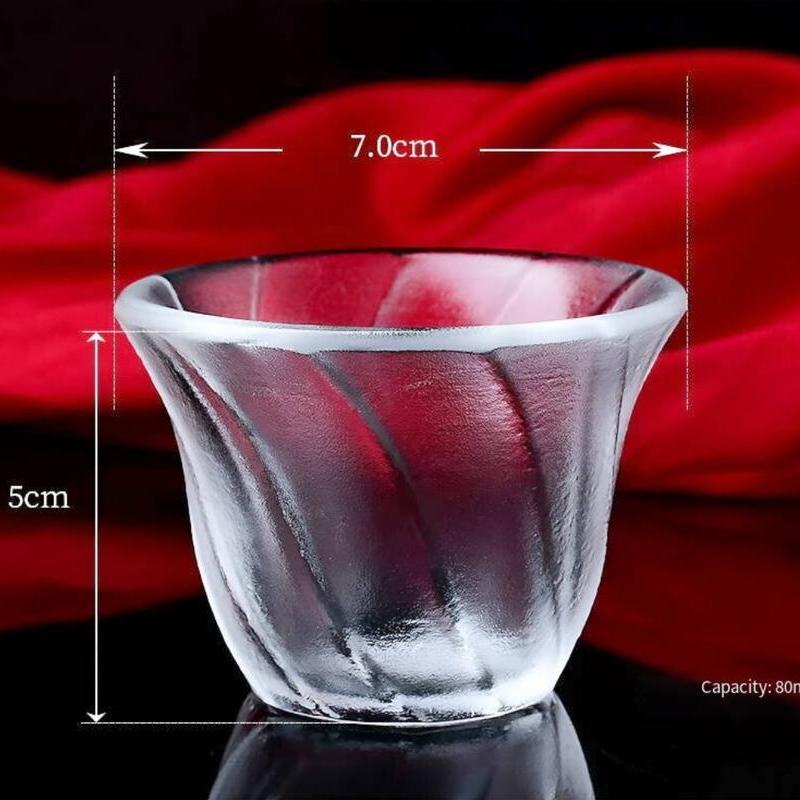


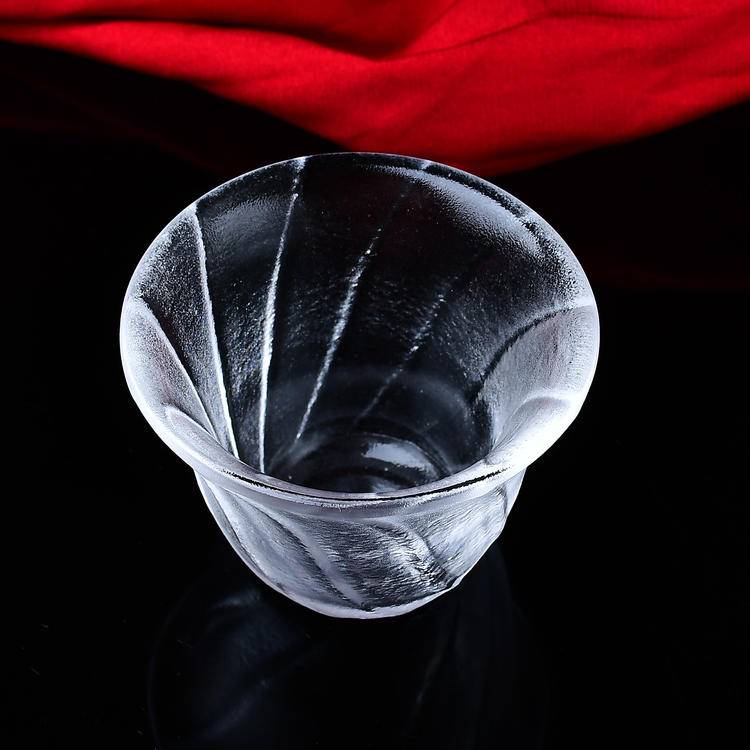
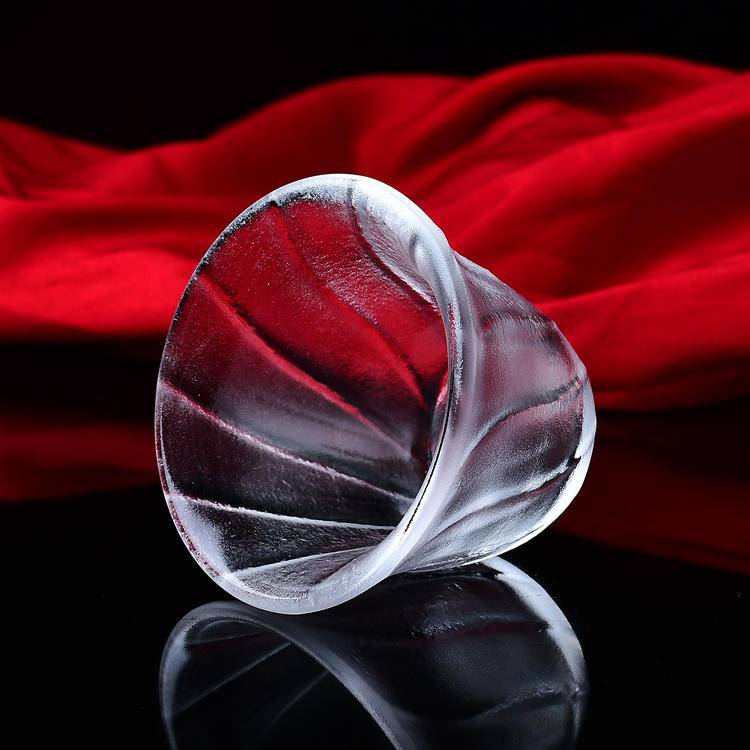
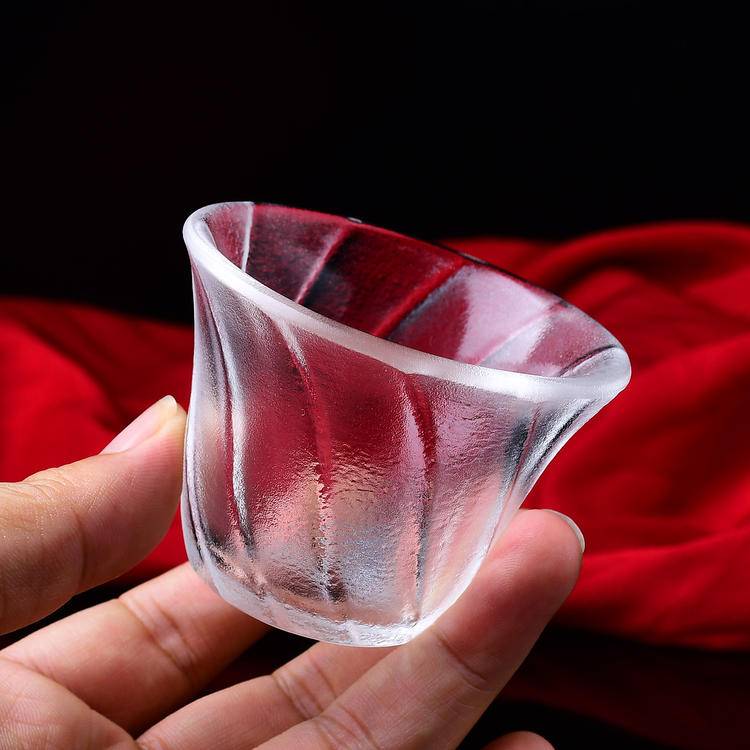
A magnolia detail for a quiet tea setting
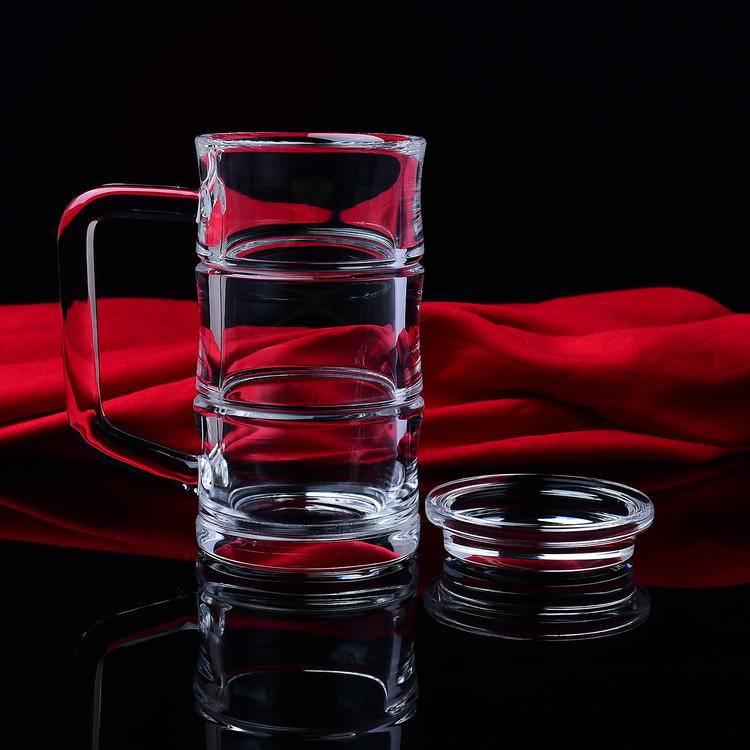
This single teacup brings a magnolia design into the small, familiar ritual of serving tea. Its floral detail can be appreciated before a drink is poured, while the clear appearance described for the cup lets the tea remain part of the visual experience. A flower motif gives the piece a gentle decorative direction without requiring a formal table setting. It can sit beside plain teaware, soften a display of darker objects, or become the one distinctive cup brought out for a guest.
The description presents this as handcrafted crystal glassware and also calls it hand-blown. Those terms describe the listing, but they do not establish a precise crystal composition or a particular manufacturing method for every visible detail. If those distinctions matter to your purchase, check the current product photographs and confirm the specifications with the seller. The most dependable reason to choose this cup is the combination you can evaluate directly: a single drinking vessel, a magnolia design, and an elegant, transparent look.
Why the flower matters to the design
Magnolia imagery often suggests spring and a calm, open form. Here, it gives the teacup an identifiable subject rather than leaving it as an entirely plain vessel. Depending on the light and the tea served, the floral decoration may read as the main feature or as a quieter detail. That flexibility makes the cup suitable for a shelf between uses as well as for a place at the table. Its decorative role remains a matter of taste; the flower itself does not change the properties of the drink.
For a simple arrangement, pair the cup with a plain tray and leave enough space around it for the magnolia detail to be seen. If the table already has a patterned cloth or several ornate accessories, a restrained pairing may allow the cup to stand out. With lighter surroundings, the outline of the vessel and the color of the tea can become more noticeable. These are styling ideas, not requirements for enjoying it.
Using a single cup thoughtfully
A single cup suits an individual tea break, a tasting of one tea at a time, or a carefully arranged setting for one guest. It can also be displayed separately from a larger service. Before buying, consider whether one cup meets your purpose or whether you need a matched group. The listing identifies a single cup; it does not establish that a matching pot, saucer, lid, or additional cups are included. Confirm the package contents if you are planning a complete service.
Think about how you usually make tea. Someone who likes to observe the color of an infusion may enjoy a clear vessel. Someone who prefers a larger mug, an insulated cup, or a covered brewing vessel may find that a small decorative teacup plays a different role. No capacity is supplied here, so avoid judging serving size from the word teacup alone. Check the current listing or ask for a measurement if the volume is important to your routine.
Preparing a tea setting
- Choose a stable, level surface where the cup will not be crowded by a kettle or other hot items.
- Inspect the cup for chips, cracks, or rough areas before use, especially around the rim and base.
- Place it where the magnolia design is visible from the seat at which it will be used.
- Pour and carry the drink at a temperature you can handle comfortably, following any care guidance supplied with the item.
- After use, allow the cup to cool as appropriate before cleaning and returning it to display or storage.
This routine is deliberately modest. It makes the cup easier to enjoy without implying that a special ceremony is needed. If you do practice a tea ceremony, you can decide whether the form and handling of this particular cup fit your own practice. The description suggests tea tasting and elegant serving, but it provides no detailed instructions for a specific tradition.
Choosing the cup for your space
Consider the magnolia motif first. A floral accent may work well in a room with botanical prints, natural colors, or a collection of simple glass objects. In a more minimal setting, it can serve as one point of interest. The cup could also accompany a handwritten note or a selection of tea as a gift, provided the recipient enjoys decorative drinkware. Gift suitability is personal: a person who favors plain, durable everyday mugs may appreciate the design but use it mainly for display.
Look closely at current photographs for the placement of the flower, the shape of the rim, and the way the base rests on a surface. Product photos can help you judge visual fit, although lighting and screen settings can affect how clear surfaces appear. If the exact shade, finish, or visual prominence of the magnolia is essential, ask for current images. A handcrafted description should not be treated as a promise that every cup will look identical to every other one.
The product category includes crystal-themed drinkware, but a category name alone does not tell you whether this cup is intended for every beverage or temperature. Follow any care and use guidance supplied for the actual item. In particular, do not assume that an attractive clear cup is automatically suitable for abrupt temperature changes, a dishwasher, a microwave, or prolonged contact with very hot liquid. Those practical limits depend on specifications that are not given here.
Care and handling
Handle the cup as you would other delicate decorative glassware. Place it on a secure surface, keep it away from crowded edges, and avoid knocking it against harder dishes. Use a gentle cleaning method consistent with the seller’s instructions. If instructions are unavailable, ask before using a dishwasher or abrasive tools. A soft cloth can help you dry accessible surfaces without leaving the piece standing in a busy sink. Store it where the rim and decoration will not rub against other objects.
Natural crystal appears in the title, while the short description calls the cup crystal and hand-blown glassware. Because those labels may be used differently across product listings, request material clarification if you need to know the exact composition. The words alone should not be used to infer a gemstone content, a particular purity grade, or a health effect. A teacup’s meaningful qualities here are its appearance, feel in ordinary use, and compatibility with your way of serving tea.
What to expect from the piece
This is a decorative single cup with a magnolia theme. Its appeal lies in a measured experience: selecting a tea, seeing it in the cup, and making a small pause feel considered. The listing does not provide a capacity, weight, dimensions, heat rating, or a full inventory of included accessories. Check those details before ordering if they determine whether the cup will fit your shelf, hand, tray, or preferred serving style.
Some people associate flowers with renewal or hospitality, and may enjoy bringing that meaning to a tea setting. Such associations are cultural and personal interpretations. They are not properties that the cup can guarantee. It is equally reasonable to choose it simply because you like magnolias or want a floral accent among otherwise plain drinkware.
Questions about the magnolia teacup
Is this sold as a set?
The supplied description calls it a single cup. It does not identify a matching saucer, pot, or additional cup. Confirm the current package contents if you need more than one piece.
Can I use it for hot tea?
The product is presented as a teacup, but no specific heat tolerance is supplied. Follow the item’s care instructions and ask the seller about temperature suitability if that detail matters for the way you prepare tea.
Will the magnolia design look exactly like every photograph?
Photographs can show the overall design, but lighting and screen settings may affect its appearance. The handcrafted description also does not establish that every detail is identical across pieces. Request current images if an exact visual match is important.
Is the cup made from a particular mineral?
The title says natural crystal, while the description also uses glassware language. Neither provides a technical composition. Ask for a clear material specification before treating either phrase as a mineral identification.
Is it suitable as a gift?
It may suit someone who enjoys tea, magnolia imagery, or displayable drinkware. Consider the recipient’s practical habits and confirm the cup’s size, material, and care requirements before choosing it for them.
Does the flower add a special effect to the tea?
The magnolia is a design feature. It can shape the atmosphere of a tea break, but it should not be expected to change the beverage or produce a health outcome.