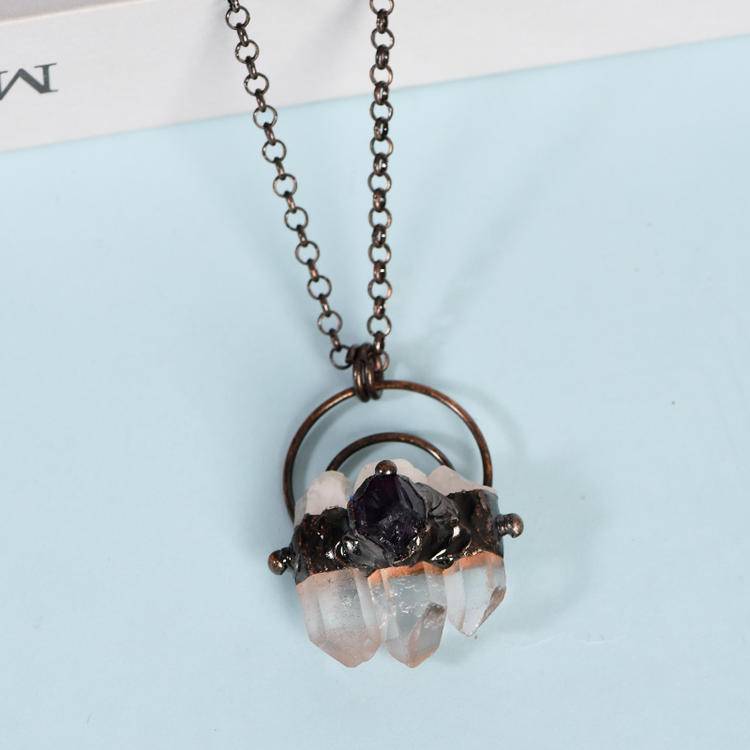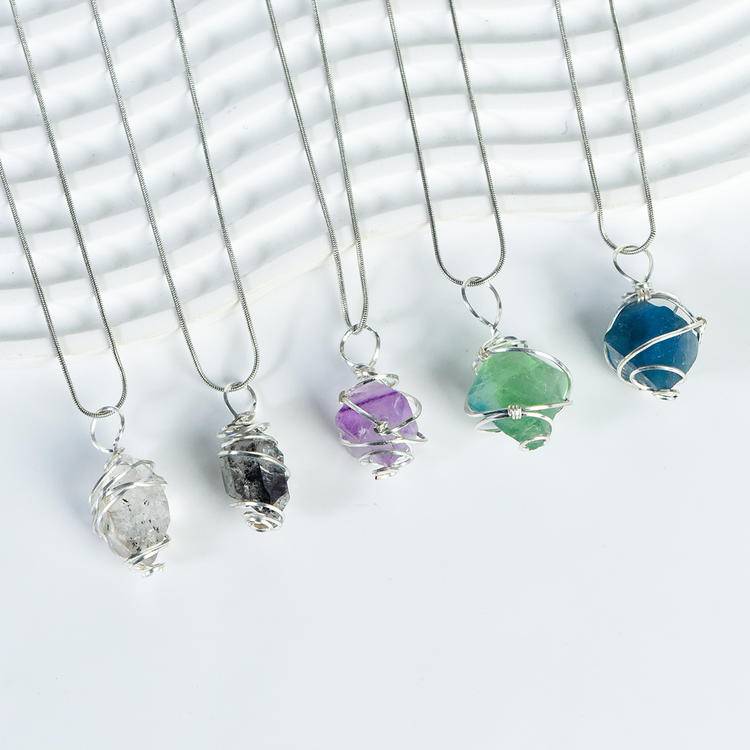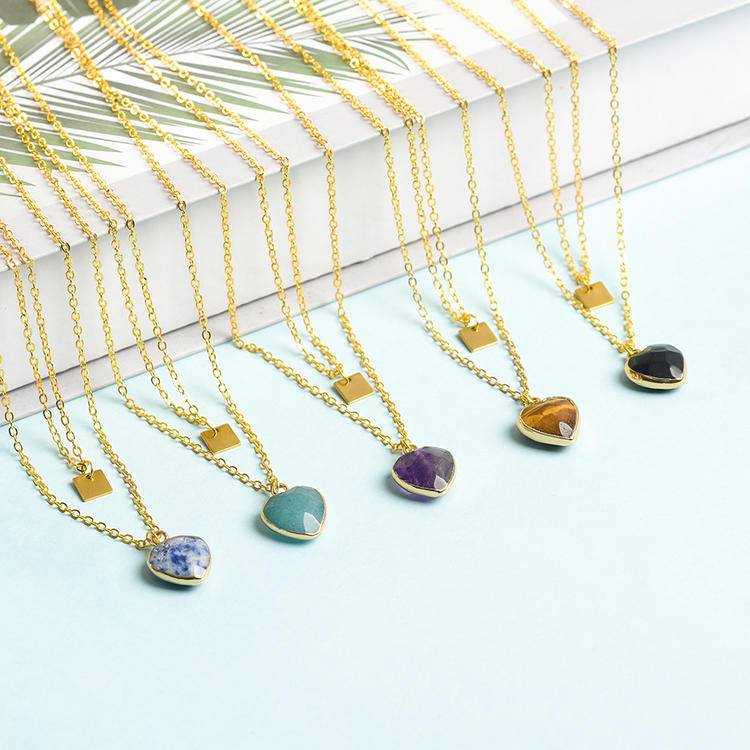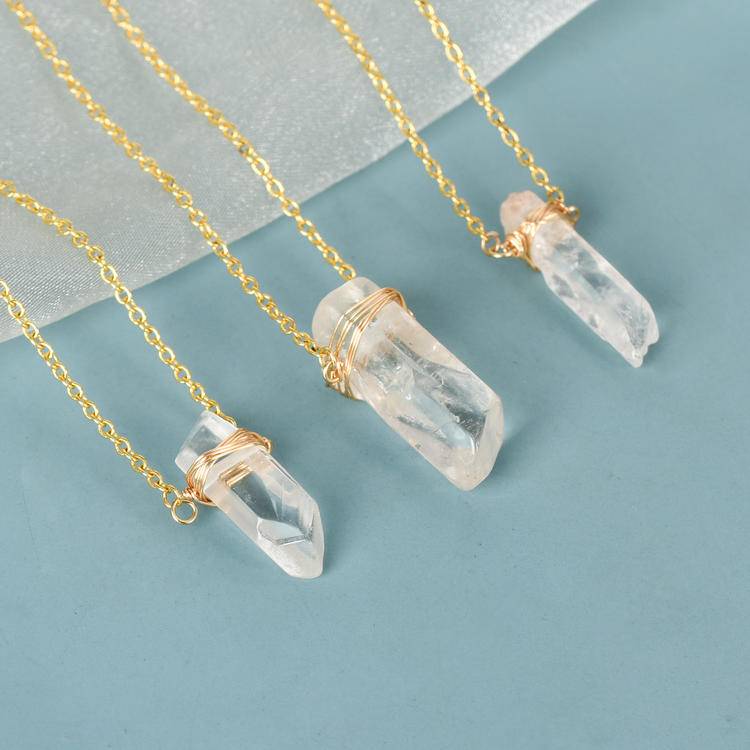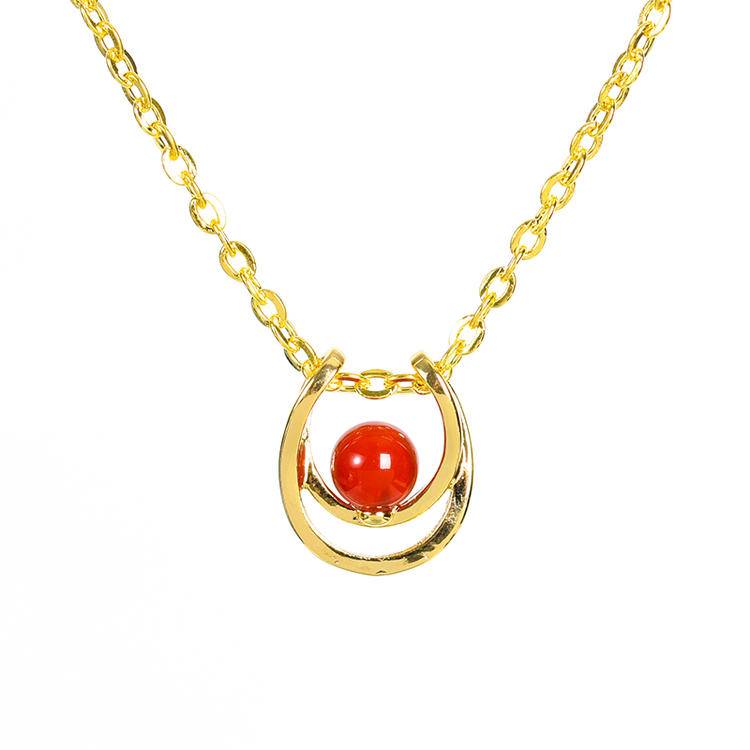
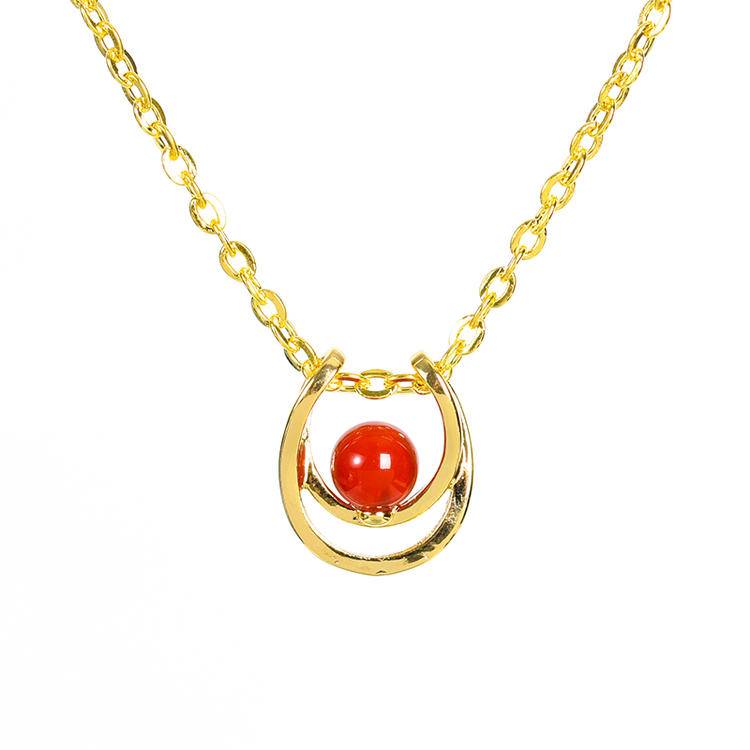
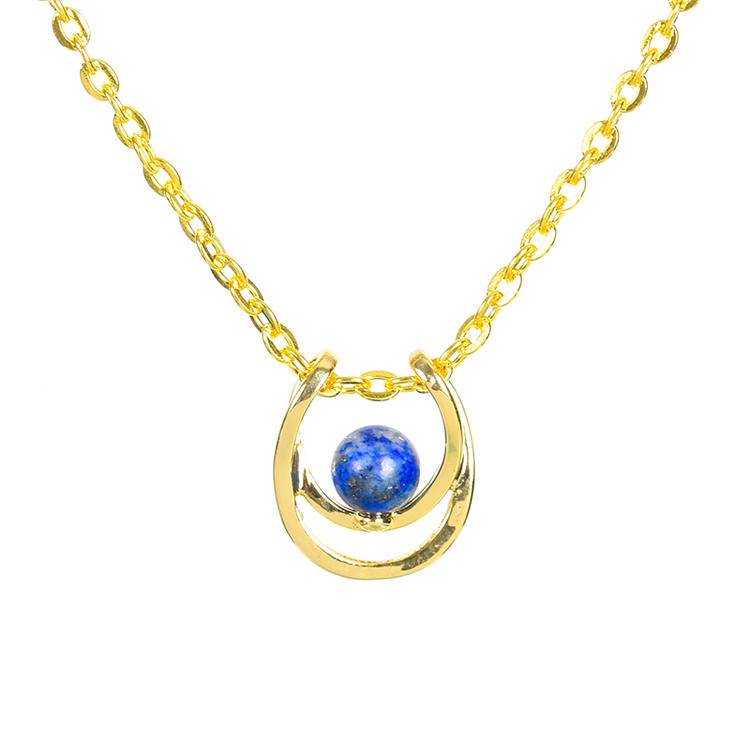
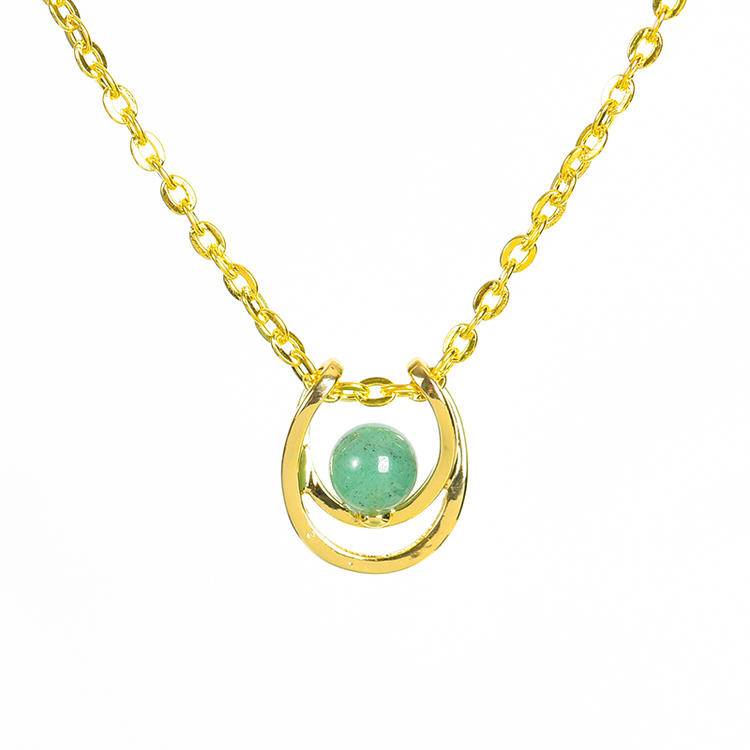
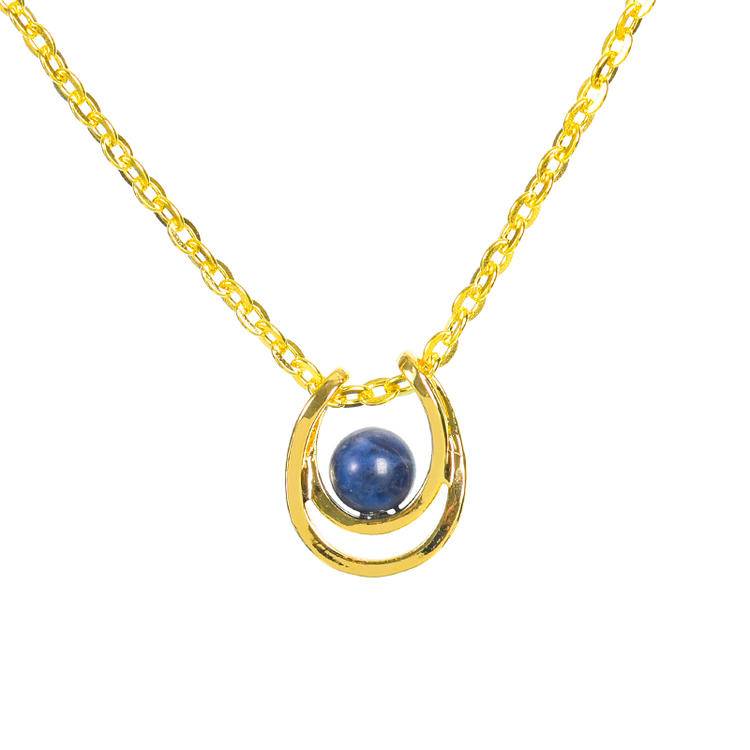
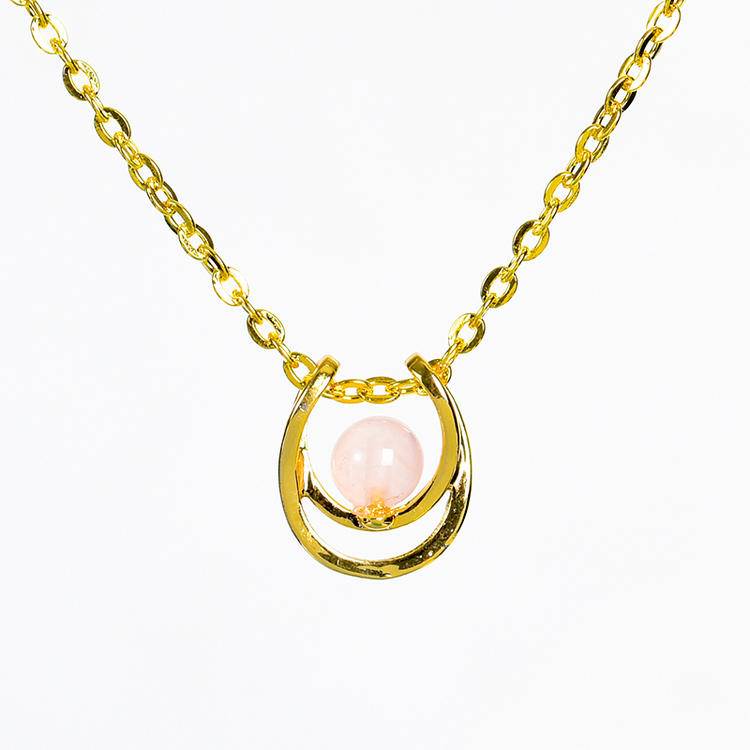
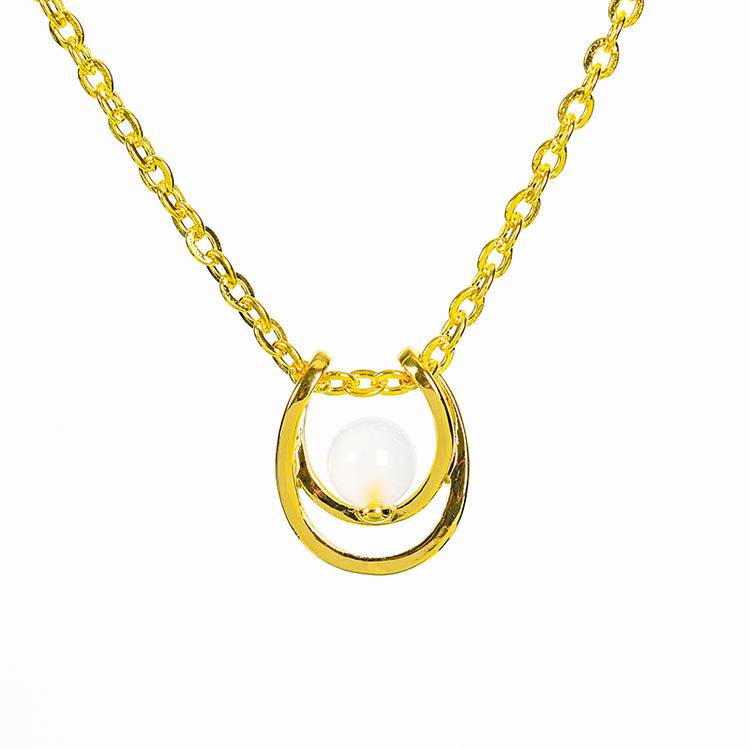
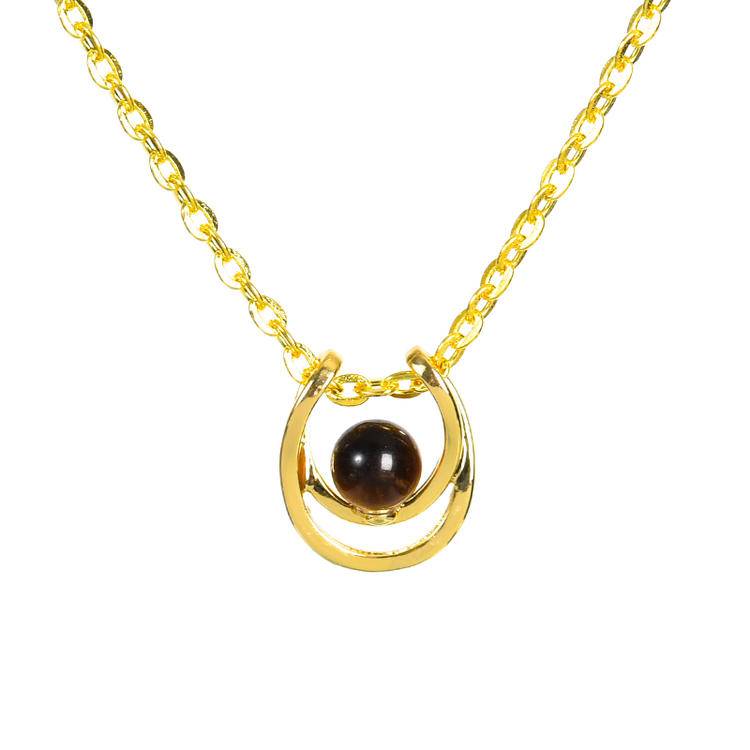
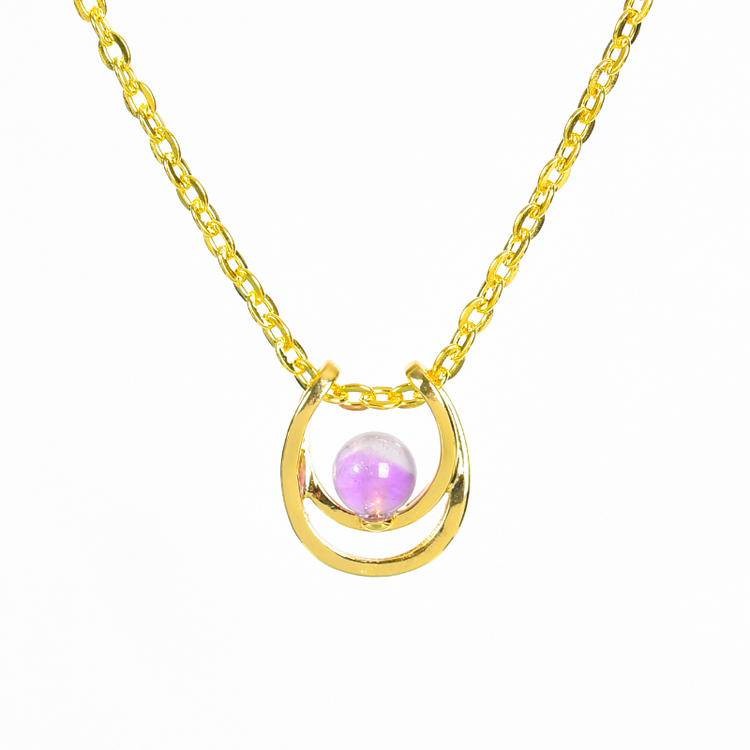
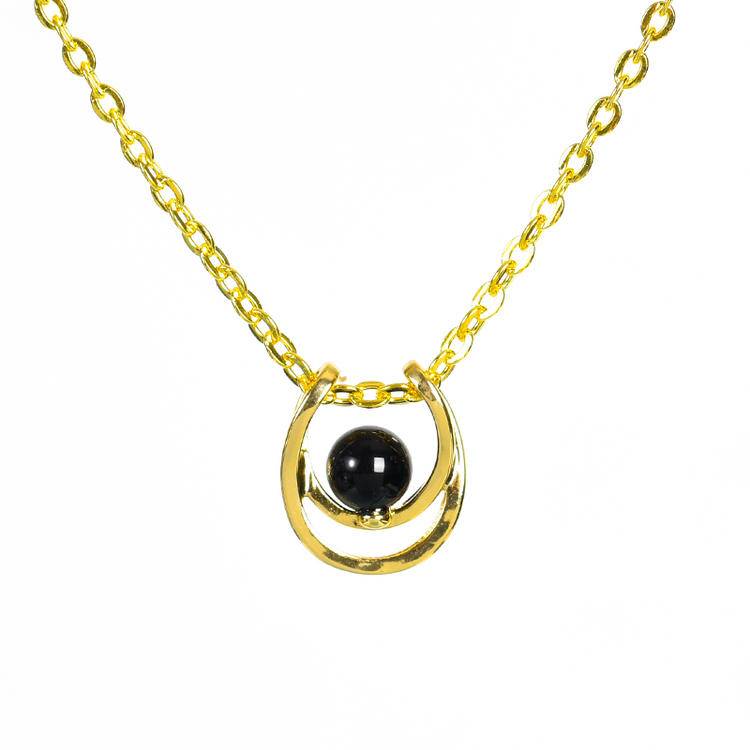
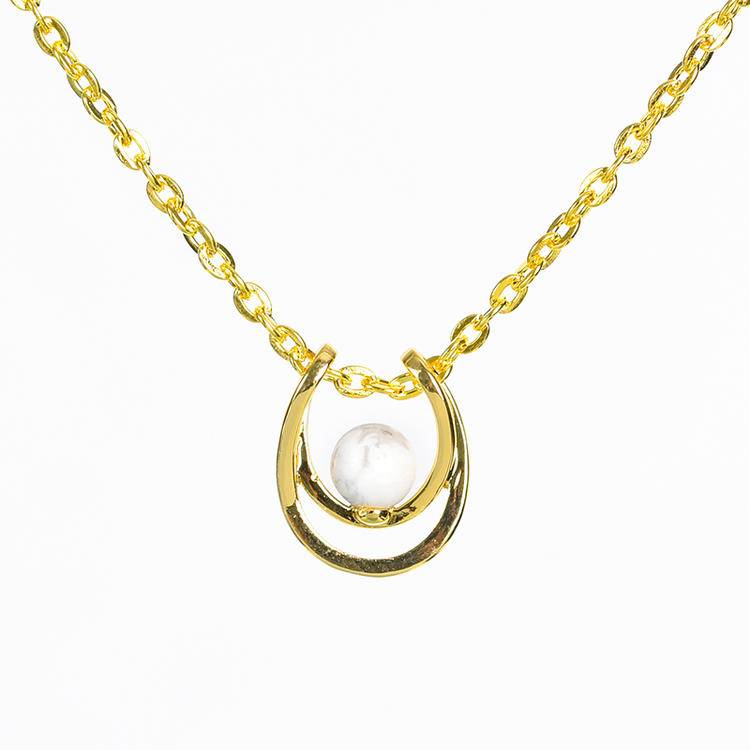
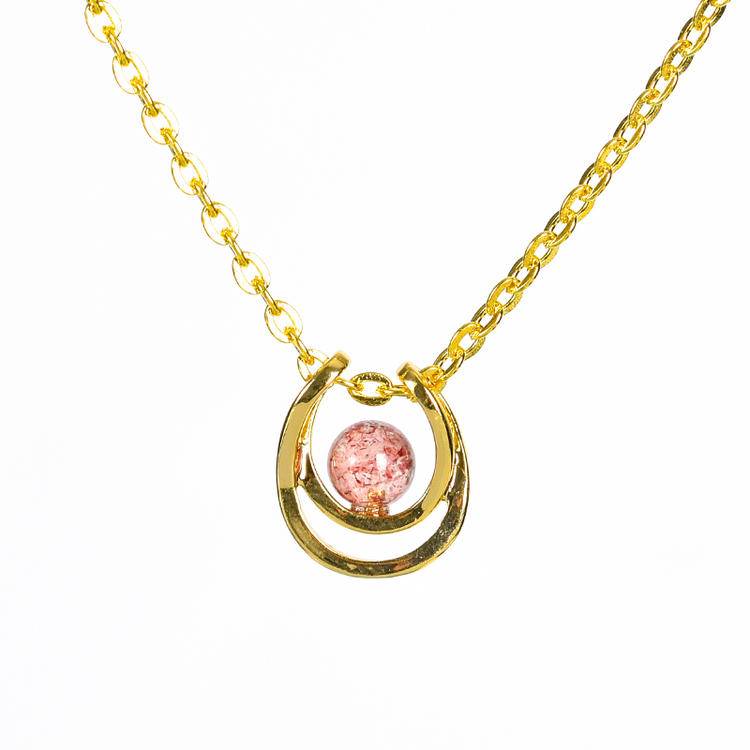
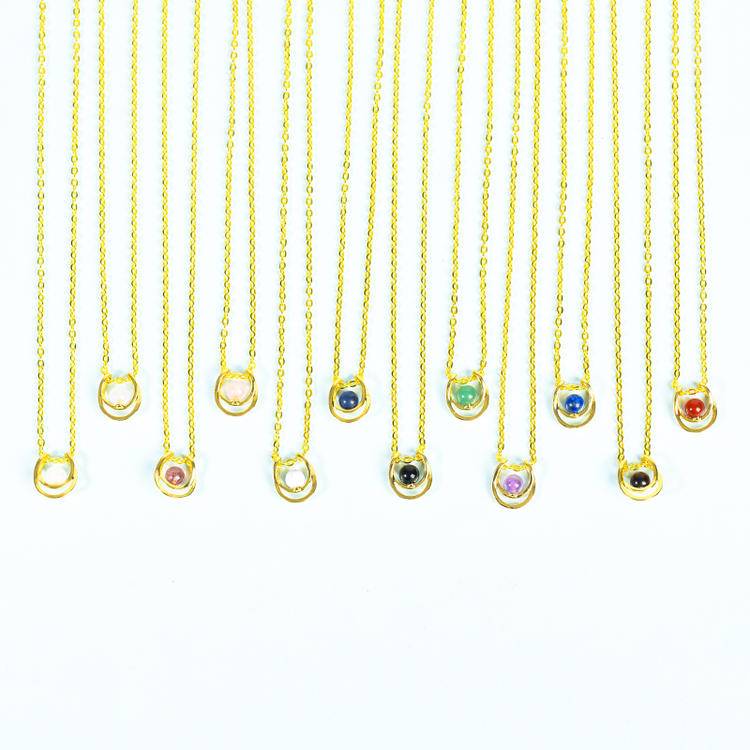
A simple curve with a distinctive focal point
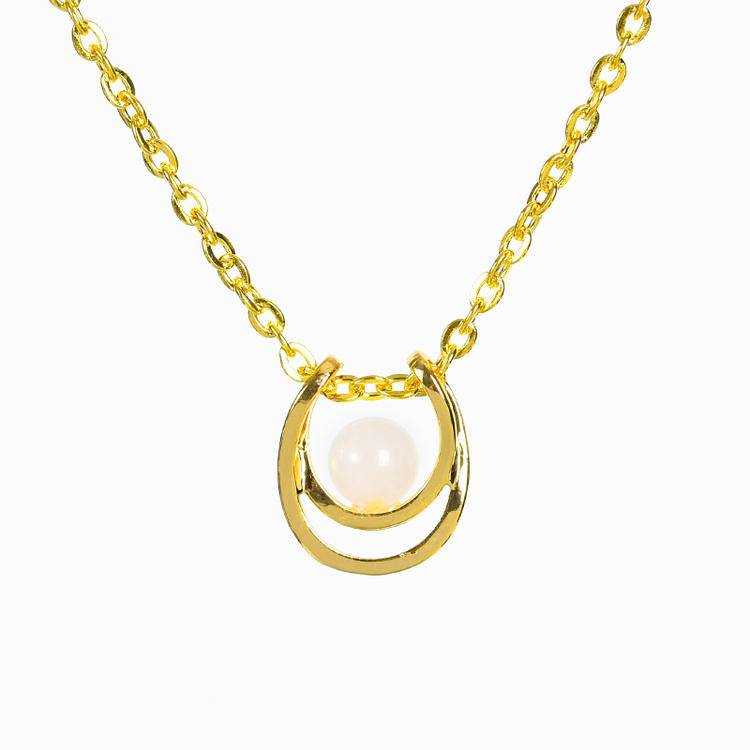
This necklace is presented around a U-shaped pearl drop design. The curve gives the pendant a recognizable outline, while the pearl reference adds a softer visual element. Its minimalist character comes from concentrating attention on that single arrangement rather than filling the neckline with many separate details. The short description calls it a sleek, modern luxury aesthetic. Those words describe its styling, so the best way to judge whether it suits you is to examine the actual shape and finish shown for the selected version.
The product title also calls it a crystal necklace, and the listed options name several stones and colors. The short description does not explain exactly how the pearl, U shape, and chosen stone are assembled in each variant. When selecting one, look closely at the image tied to the option. Confirm which component carries the listed material name and how that choice changes the necklace’s appearance. A material label is helpful, but it is not a substitute for seeing the complete arrangement.
How the U shape changes the look
A U is an open, balanced curve. In jewelry, that shape can frame a central detail and create a sense of space around it. It may look especially clear against a plain neckline, where the viewer can follow the curve without competing patterns. The drop element gives the eye a point to settle on. This is a different effect from a round solitaire pendant, a long bar, or a clustered charm, even when the overall necklace remains understated.
The phrase niche design suggests a less conventional styling choice, but it does not establish that the piece is rare or limited. The necklace can be appreciated for a particular silhouette rather than an assumption about availability. Likewise, a luxury aesthetic describes an appearance; the available details do not establish a price category, construction standard, or precious metal content. If those specifications matter, check the current product details for the exact option.
Exploring the listed stone choices
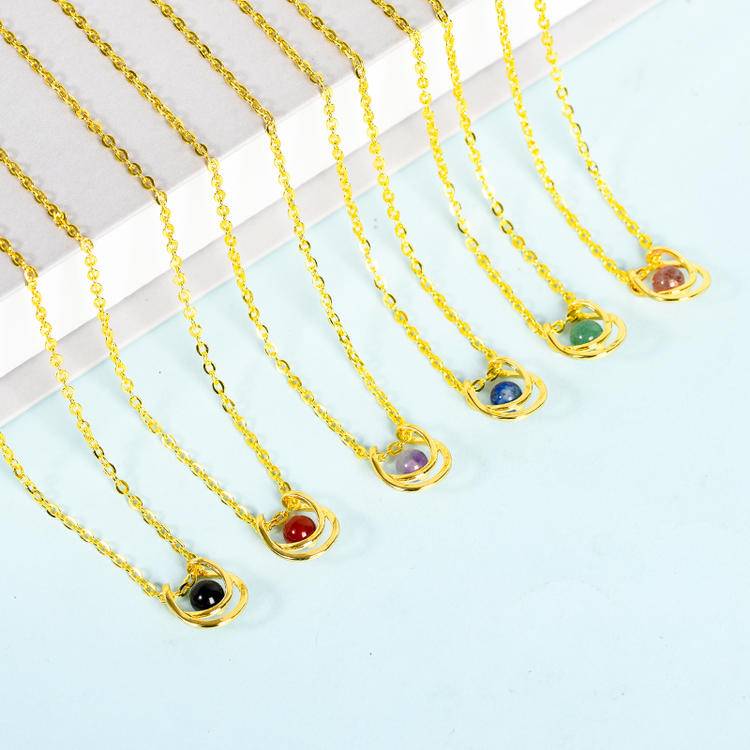
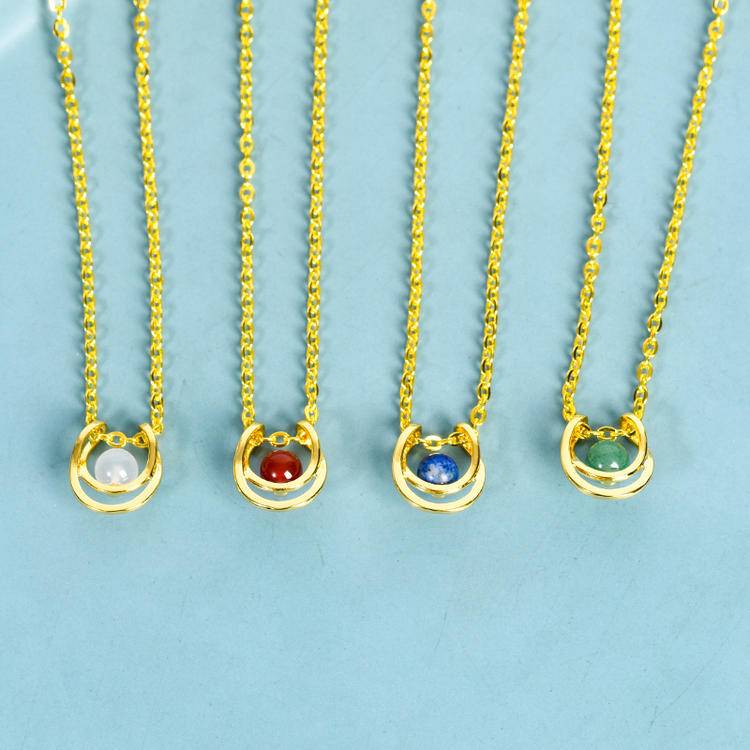
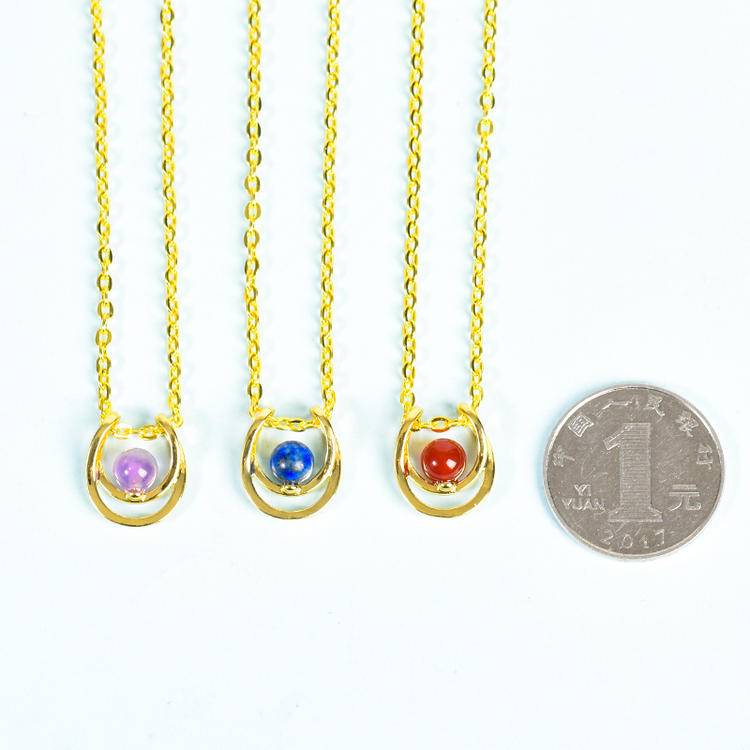
The attributes include Red Agate, Lapis Lazuli, Green Aventurine, Blue Calcite, Pink Quartz, White Agate, Yellow Tiger’s Eye, Amethyst, Black Agate, White Turquoise, Strawberry Quartz, and White Quartz. This broad palette gives different styling directions within the same named necklace. A red choice may become the strongest color accent in a neutral outfit. Blue choices can read cool and calm in appearance. Green, pink, yellow, black, and white selections each change how prominently the pendant stands out against clothing.
Stone names can also carry expectations that a photograph may not fully answer. A pale material may appear warmer or cooler under different lighting; a dark one may show subtle markings only close up. Natural-looking stones can vary in pattern and tone. If you are choosing between White Agate, White Turquoise, and White Quartz, for example, compare the specific listing images rather than treating their shared word white as evidence that they will look alike. The names identify options, while the selected image shows their intended visual distinction.
Lapis Lazuli may appeal to someone who wants a deeper blue accent, while Blue Calcite may suggest a lighter direction. Green Aventurine can work beside earthy colors, and Amethyst offers a purple note. Yellow Tiger’s Eye may suit warmer wardrobes. These are suggestions based on the named color families, not promises about the exact appearance of an individual necklace. Review the current images to see whether the shade, pattern, and relationship to the pearl element match what you want.
Choosing by contrast
Consider the colors you wear most. If your tops are usually dark, a white or pink option may stand out clearly. If you favor light fabric, Black Agate or a deeper blue may create more contrast. Red Agate or Strawberry Quartz can introduce warmth without requiring other red accessories. A quieter selection may be preferable when you want the U-shaped outline itself to lead. None of these choices needs to match a full outfit exactly; a single pendant often works best as a small difference in color or texture.
Think also about how much visual detail you prefer near your face. The combination of a curve, pearl drop, and colored stone may be the only necklace you need for a composed look. With additional necklaces, allow enough separation to keep the U shape visible. The available information does not state chain length or pendant measurements, so confirm those details before planning a layered arrangement or a particular placement on the chest.
Everyday and occasion styling
For daily wear, try the necklace with a solid top, a fine knit, or an open collar. The U shape can add structure to relaxed clothing while the drop keeps the look soft. For an evening outfit, it can sit beside a simple dress or blouse without demanding ornate earrings. If the chosen stone has a vivid color, let that color be the main accent; if it is neutral, you may have more room for another accessory. The same necklace can therefore feel different according to its selected option and surrounding clothes.
The short description connects the design with a social-media-ready, modern aesthetic. A photograph may emphasize a polished angle and controlled lighting. In ordinary wear, the necklace will move with the wearer, and the stone’s appearance may shift with light and background. Choose it for a silhouette and color you like in daily conditions, rather than for one idealized image. If a specific visual effect is essential, compare multiple product views before deciding.
Care and selection checks
Store the necklace in a separate space so the pendant does not scrape against other jewelry. Put it on after fragrance, lotion, and hair products have dried. Remove it before swimming, bathing, vigorous exercise, or tasks that could catch the pendant. Wipe accessible surfaces softly after wear. Since the listing excerpt does not specify the metal, pearl type, finish, or assembly method, avoid assuming that soaking or chemical cleaners are suitable.
Before purchasing, check the chosen stone option, the corresponding photograph, and any available specifications for size, chain, closure, and material composition. The pearl wording in the title and description does not by itself establish whether the pearl element is natural, cultured, simulated, or made by another process. If that distinction matters, obtain a clear specification. This lets the decision rest on confirmed details as well as the appealing design.
Meaning without a promised effect
Some of the named stones have symbolic associations in jewelry traditions. People may connect amethyst with reflection, tiger’s eye with resolve, or a pearl motif with simplicity and elegance. Such meanings can make a chosen color feel personal. They are traditions and interpretations rather than measurable outcomes from wearing the necklace. It is enough to select the option because its shape and color complement your taste.
Questions about the U-shaped necklace
Are all stone choices visually similar?
No. The listed options span several color families, from black and white to red, blue, green, pink, yellow, and purple. Compare the image for the exact selection, since pattern and shade may vary as well as color name.
Is the pearl element confirmed to be a particular pearl type?
The available description calls it a pearl drop but does not specify its composition or origin. Check the current product specifications if the distinction is important to you.
How can I keep the U shape visible when styling it?
Wear it against a relatively plain neckline or give it space from other pendants. A solid fabric often shows the curve and drop more clearly than a busy print. Confirm the chain length if you need it to sit at a particular point.
Does luxury aesthetic describe the materials?
It describes the visual style used in the listing. The available text does not establish precious metal content or a particular construction standard. Base material decisions on explicit specifications for the selected necklace.