A nine-course cultural study collection on Daoist wellness, Yijin Xisui, breathing, movement and historical Fangzhong literature with more than 100 readings.
Course Overview
This English course page organizes a substantial recorded curriculum for adult learners who want a structured introduction to the subject. The source directory, lesson count and supplied visual materials were reviewed before publication so that the listing describes the actual learning package rather than a generic topic page.
The course preserves traditional Chinese terminology while explaining the learning path in clear English. Historical theories are presented as cultural and educational material. They should not be read as promises of medical benefit or as instructions for diagnosis or self-treatment.
What You Will Learn
- Historical Daoist wellness and Fangzhong literature
- Yijin Xisui movement and breathing demonstrations
- Traditional vitality-cultivation concepts
- Recorded lectures, audio sessions and practice notes
- More than 100 historical and modern reference readings
Course Contents
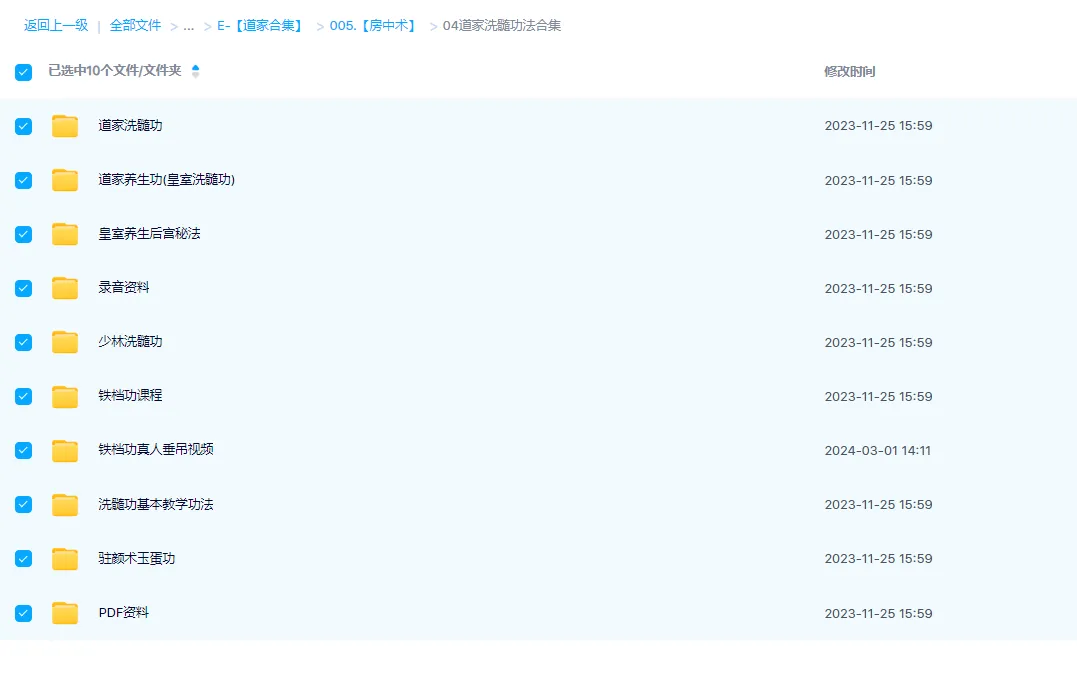
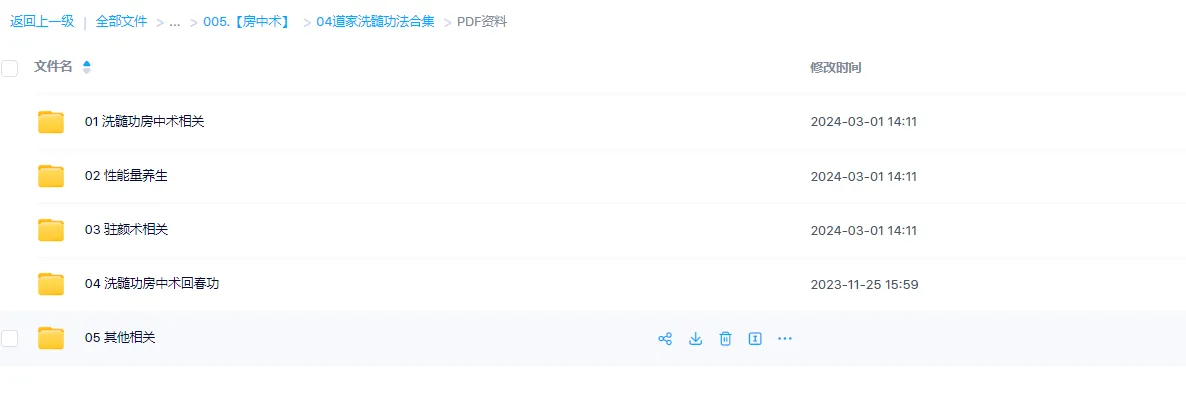
The supplied collection contains a detailed sequence of recorded lessons and supporting materials. Its directory is arranged around the following study areas:
- Historical Daoist wellness and Fangzhong literature. Lessons introduce the vocabulary, demonstrations and review material associated with this part of the curriculum.
- Yijin Xisui movement and breathing demonstrations. Lessons introduce the vocabulary, demonstrations and review material associated with this part of the curriculum.
- Traditional vitality-cultivation concepts. Lessons introduce the vocabulary, demonstrations and review material associated with this part of the curriculum.
- Recorded lectures, audio sessions and practice notes. Lessons introduce the vocabulary, demonstrations and review material associated with this part of the curriculum.
- More than 100 historical and modern reference readings. Lessons introduce the vocabulary, demonstrations and review material associated with this part of the curriculum.
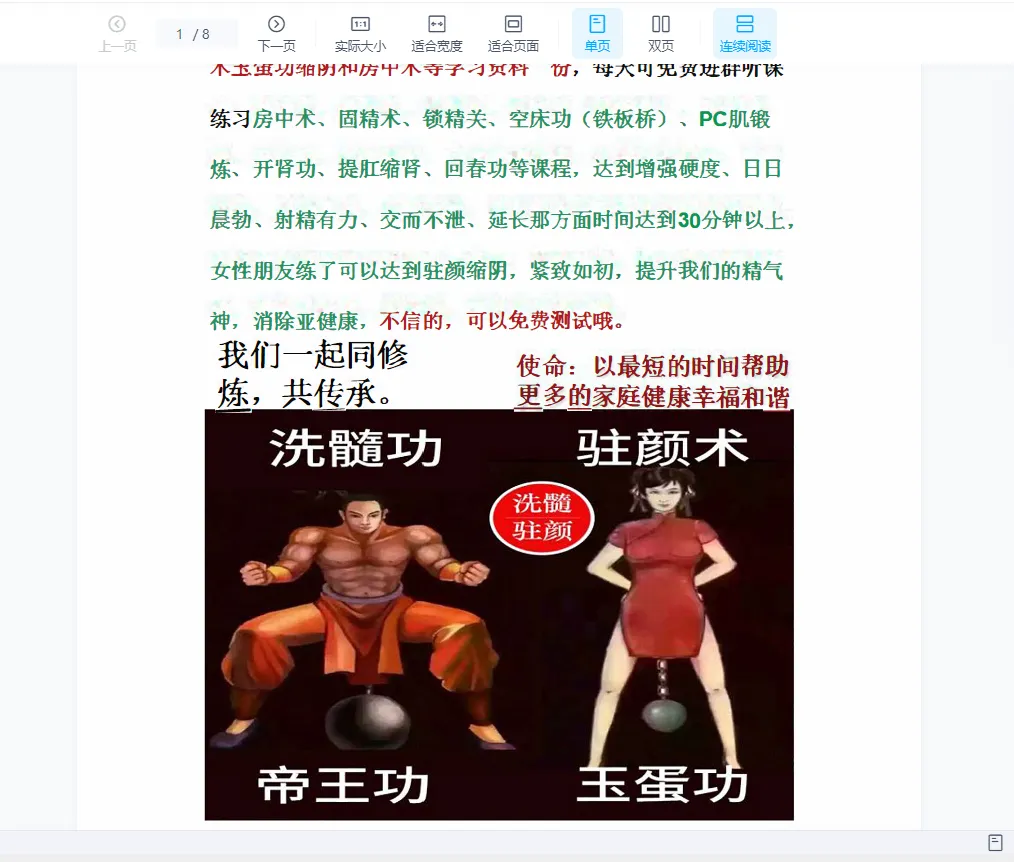
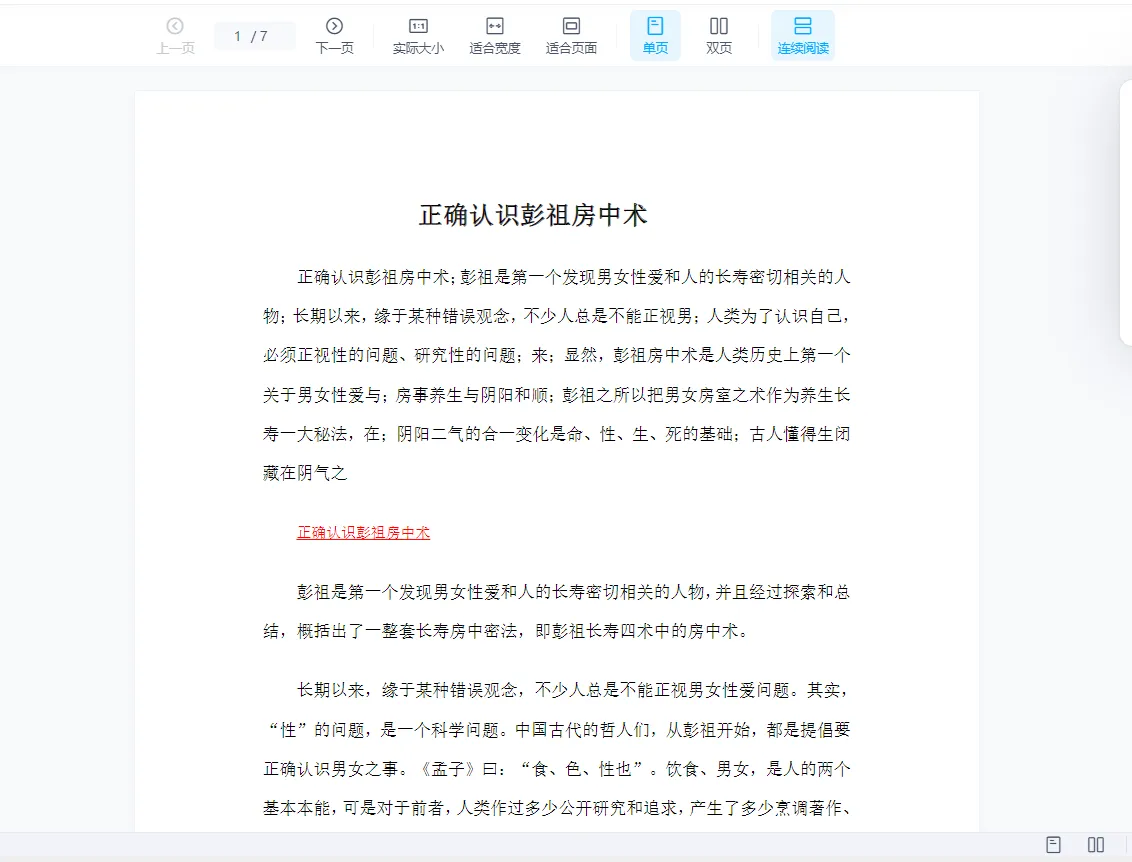
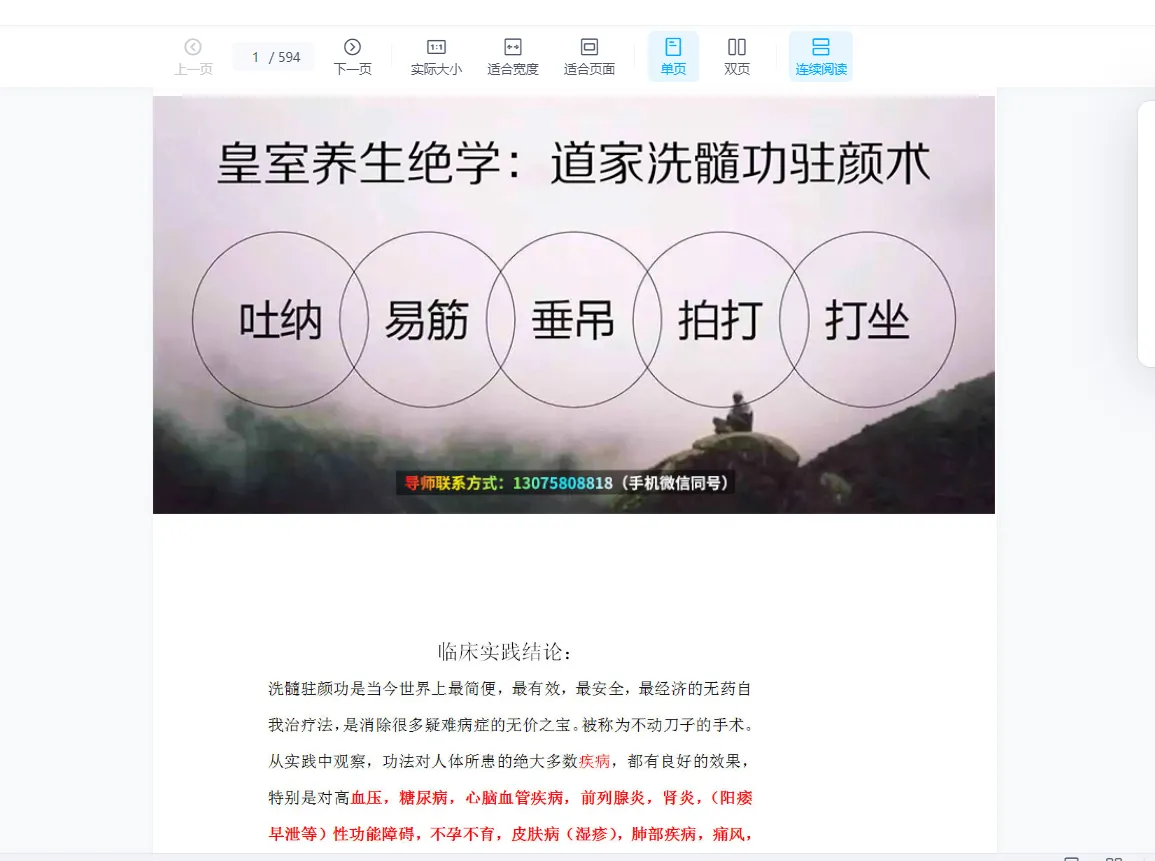
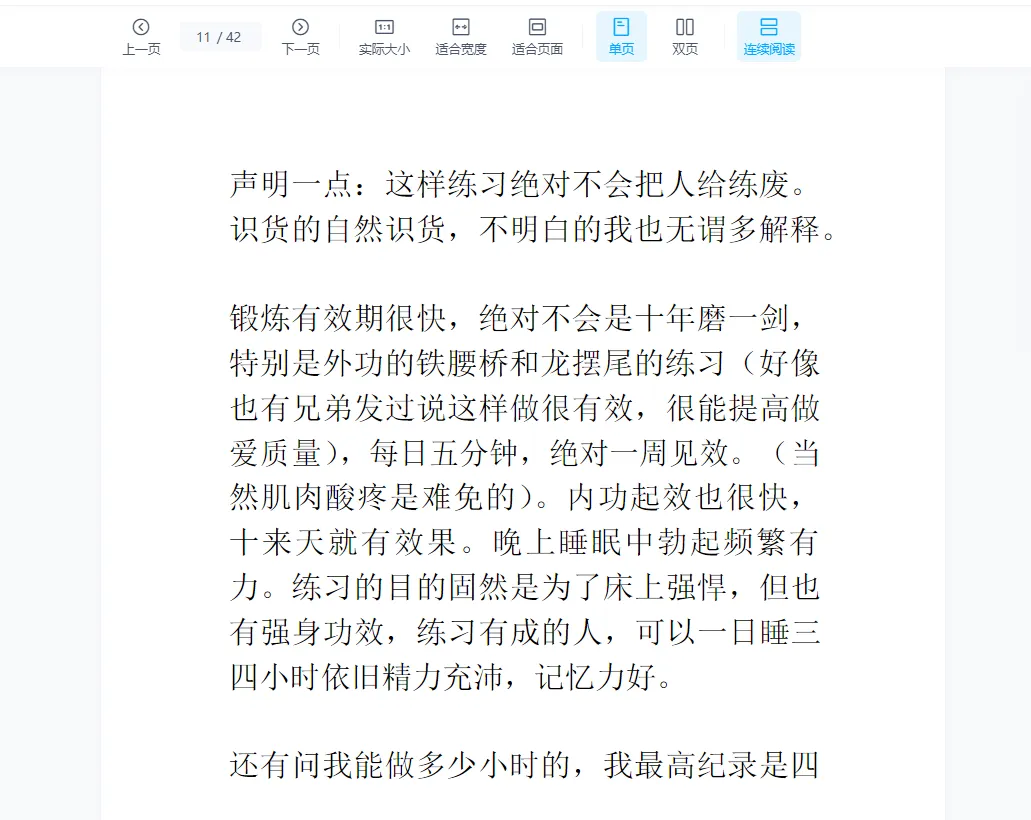
Source-material depth: the reviewed course listing contains approximately 4,775 Chinese characters of directory and descriptive material, with 11 distinct preview images.
Original Course Preview Images
The following supplied images are retained as visual references to the course package.


Who This Course Is For
- Adult learners studying Traditional Chinese Medicine or Daoist wellness history
- Students who prefer a lesson-based digital curriculum with visual reference material
- Researchers comparing terminology, teaching systems and historical practice
- Practitioners seeking continuing cultural education within their lawful scope of practice
Learning Format and Digital Delivery
This is a virtual, downloadable educational product with no physical shipment. The package is organized around recorded video, audio, documents or illustrated reference files according to the supplied course directory. Access details are managed through the product delivery setup.
How to Study This Material
Begin with the foundational terminology, keep a glossary of unfamiliar Chinese concepts, and use the directory to track completed lessons. Pause demonstrations for note-taking and compare related modules before moving to advanced case discussions. Where a lesson describes a health-related technique, treat it as historical or professional education rather than personal medical advice.
Frequently Asked Questions
Is this course presented in English?
This sales and study guide is written in English. The underlying recorded material may contain Chinese-language teaching, so learners should review the product description and curriculum before purchase.
Is this a physical product?
No. It is a virtual and downloadable course product; nothing is shipped.
Does this qualify me to diagnose or treat patients?
No. A digital course does not replace accredited clinical education, supervised practice, professional licensing or individualized medical care.
Can beginners use it?
Motivated beginners can use the overview and foundational lessons, while advanced modules are better suited to learners who already understand basic TCM or Daoist vocabulary.
Related Courses
- Wang Yongli Daoist Sexual Wellness Intensive – 18 Lessons
- Traditional Fangzhong Cultural Study: Video and Reading Course
Browse the complete Daoist Sexual Wellness collection or contact Karma Kismet with a course question.
Editorial and Safety Note
Karma Kismet translated, organized and expanded the supplied curriculum description for English-speaking learners. Traditional claims are identified as subjects of study, not guaranteed outcomes. Do not use this material to delay professional care. Acupuncture, moxibustion, scraping, cupping, herbs and intimate wellness practices can carry risks and may be regulated; consult an appropriately licensed professional and follow local law.
Disclaimer
For adult cultural and educational study only. This product does not diagnose, treat, cure or prevent disease and does not replace medical, psychological, legal or professional advice.
Exploring Yijin Xisui as a Cultural Study Topic
This nine-course collection brings together Daoist wellness themes, Yijin Xisui, breathing and movement discussions, and historical Fangzhong literature. The short description also identifies more than 100 readings. That breadth makes context especially important. A term appearing in a movement discussion may carry a different emphasis in a historical text or a contemporary wellness presentation. Reading the materials side by side can show how an idea is explained, adapted, and sometimes overstated.
Begin With Words Rather Than Promises
Yijin Xisui is often encountered through translated names and evocative language about the body. Treat those expressions as terms to investigate. Record the Chinese term when available, the translation used in a particular lesson, and the specific practice or claim attached to it. Ask whether the speaker is describing a movement, a breathing cue, a symbolic idea, or an expected result. Those categories should not be blended merely because they occur in the same presentation.
The word wellness can also cover many different aims. One item may discuss attention and posture; another may place a technique within Daoist philosophy; a reading may describe an older ideal of cultivation. A learner gains clarity by asking what type of statement is being made. A historical description tells you about a tradition. A personal report tells you what someone says they experienced. Neither is a guarantee that another person will experience the same thing.
Organize the Nine Courses by Question
Rather than treating the collection as a single prescribed routine, build a topic index. You might make separate entries for movement vocabulary, breathing concepts, ideas of cultivation, and Fangzhong texts. Under each entry, note which course or reading uses the idea and how it explains it. This can expose genuine connections while preserving differences between sources. It also helps when the same familiar words, such as yin and yang, appear in several settings with different practical meanings.
For readings, keep a short annotation: what is the apparent subject, what terms need checking, and what is the author’s point of view? Where a text discusses intimate practices, consider its social and historical setting as well as modern expectations of consent and equality. Older material can be studied without adopting its assumptions about gender, relationships, or health. Discussion of a tradition is an opportunity to examine those assumptions openly.
A Measured Way to Review Movement Material
Watching a movement lesson and understanding a movement are separate tasks. A recording may show a visible shape while leaving out individual adjustments, limitations, or signs that a participant should stop. If you are using the course for cultural study, describe the movement in words and examine the explanation attached to it. Do not push through pain, strain, dizziness, or breath discomfort to match a demonstration. Anyone seeking advice about an existing health concern should consult an appropriate professional rather than rely on a general recording.
- Choose one concept that appears in at least two parts of the collection.
- Describe each use of it in its own context before comparing them.
- Separate observable actions from traditional explanations and personal claims.
- Write down any safety or ethical questions the material does not answer.
- Return to the readings to see whether they support the interpretation offered in a video.
This style of study may appeal to readers of Daoist history, people comparing approaches to movement education, and adults interested in how intimate-wellness ideas have been presented. A beginner can start with vocabulary and context. A reader with prior experience may benefit from noticing where seemingly familiar terms shift meaning between courses.
Questions About Yijin Xisui and the Collection
Do nine courses imply one uniform method?
No. The collection groups related subjects, but the title alone does not establish one instructor, one sequence, or a single set of conclusions. Check each item’s description and keep its claims attached to that item.
What should I do with claims about bodily transformation?
Identify whether the claim is symbolic, historical, personal, or presented as a measurable effect. Avoid assuming that traditional language describes a verified physical change. Use reliable professional guidance for questions about health.
How can the readings support video study?
They can provide terminology, alternative explanations, and context for ideas introduced in recordings. Annotating differences is often more valuable than trying to make every source agree.
Is the Fangzhong portion suitable for general audiences?
It concerns adult intimate-wellness literature. Adult learners should approach it with attention to consent, privacy, historical context, and the limits of any health-related claim.