Explore Zhang Xiuqin's holographic Gua Sha framework through a 245-part audio and video study collection with extensive visual reference material.
Course Overview
This English course page organizes a substantial recorded curriculum for adult learners who want a structured introduction to the subject. The source directory, lesson count and supplied visual materials were reviewed before publication so that the listing describes the actual learning package rather than a generic topic page.
The course preserves traditional Chinese terminology while explaining the learning path in clear English. Historical theories are presented as cultural and educational material. They should not be read as promises of medical benefit or as instructions for diagnosis or self-treatment.
What You Will Learn
- Gua Sha foundations, tools and preparation
- Traditional holographic mapping concepts
- Meridian-oriented scraping sequences
- Recorded demonstrations and guided practice sessions
- Safety boundaries, aftercare and responsible educational use
Course Contents
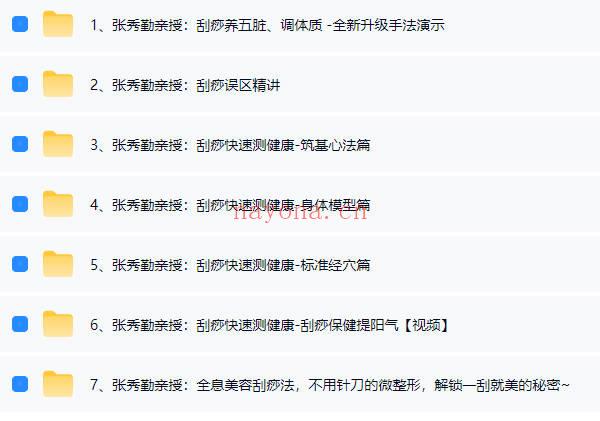
The supplied collection contains a detailed sequence of recorded lessons and supporting materials. Its directory is arranged around the following study areas:
- Gua Sha foundations, tools and preparation. Lessons introduce the vocabulary, demonstrations and review material associated with this part of the curriculum.
- Traditional holographic mapping concepts. Lessons introduce the vocabulary, demonstrations and review material associated with this part of the curriculum.
- Meridian-oriented scraping sequences. Lessons introduce the vocabulary, demonstrations and review material associated with this part of the curriculum.
- Recorded demonstrations and guided practice sessions. Lessons introduce the vocabulary, demonstrations and review material associated with this part of the curriculum.
- Safety boundaries, aftercare and responsible educational use. Lessons introduce the vocabulary, demonstrations and review material associated with this part of the curriculum.
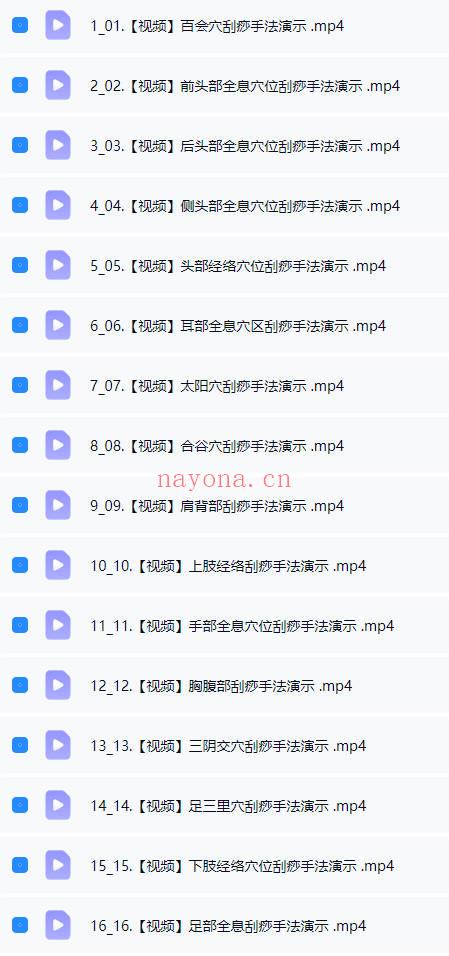
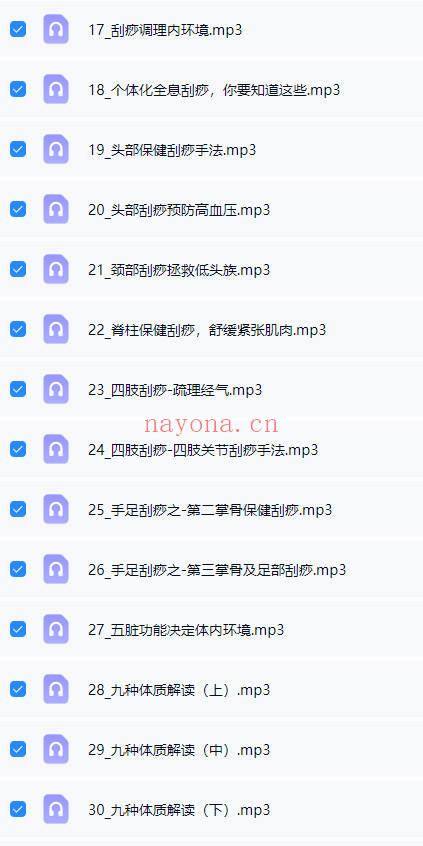
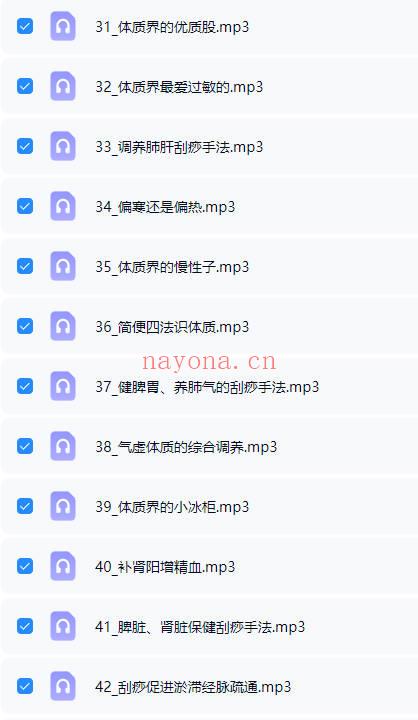
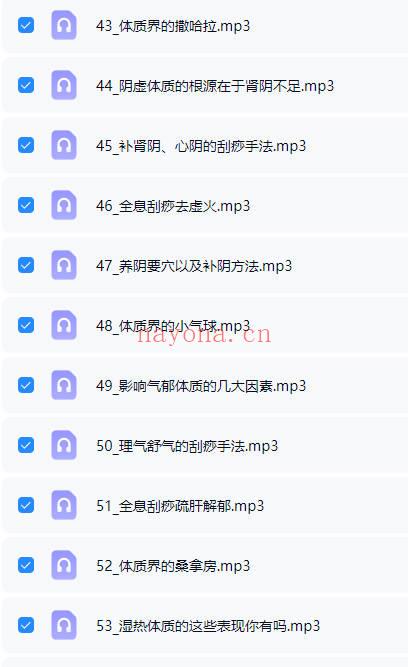
Source-material depth: the reviewed course listing contains approximately 1,665 Chinese characters of directory and descriptive material, with 25 distinct preview images.
Original Course Preview Images
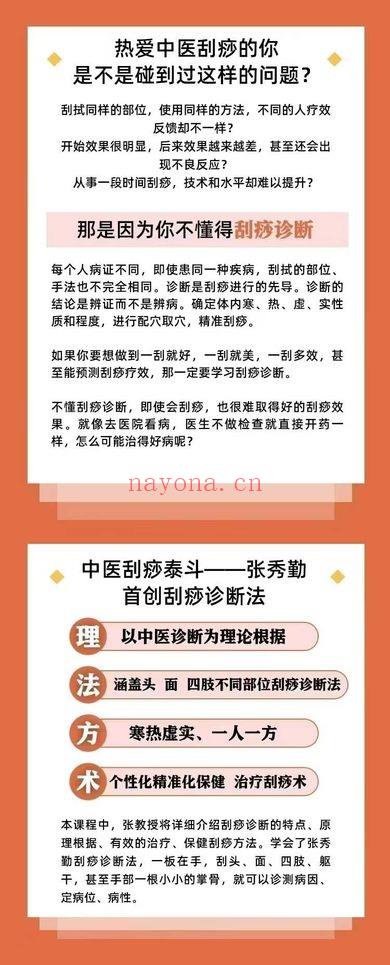
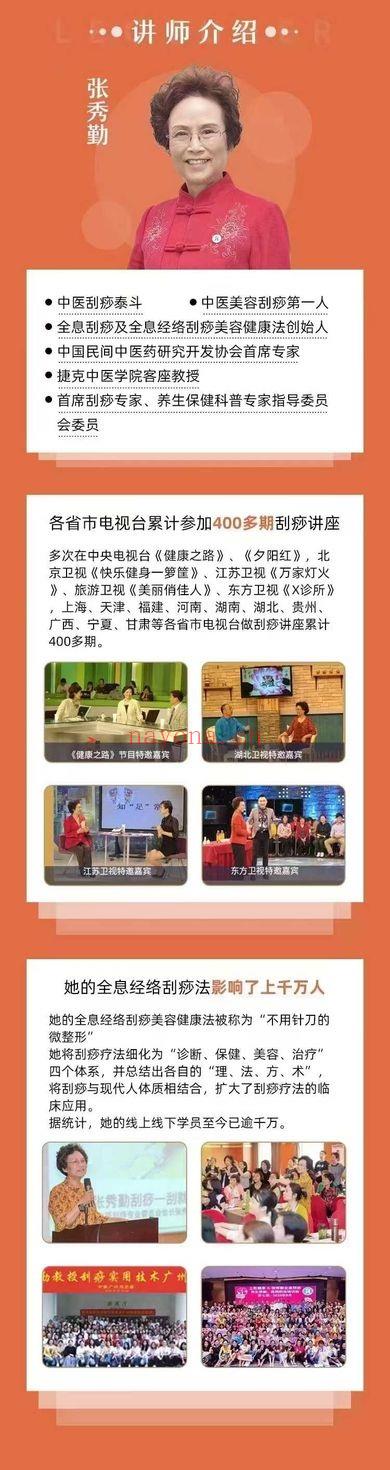
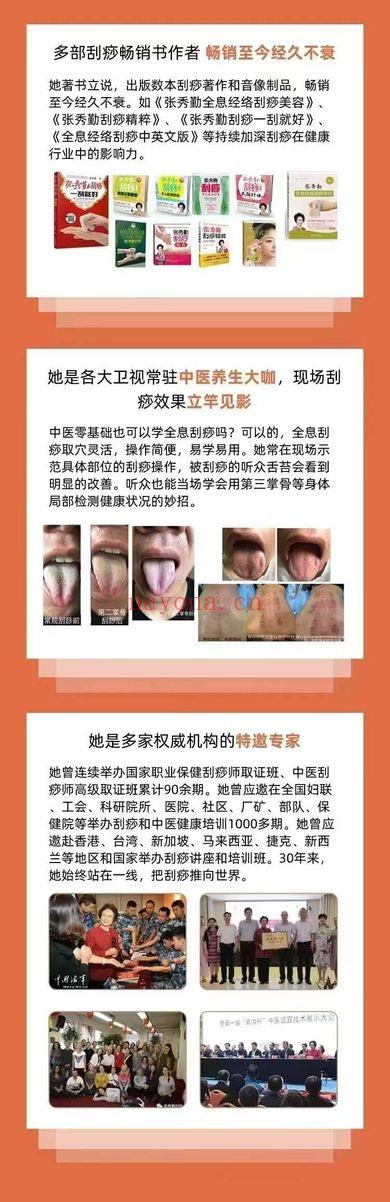
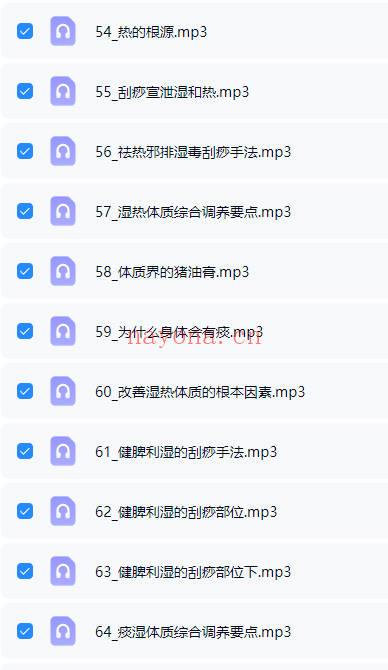
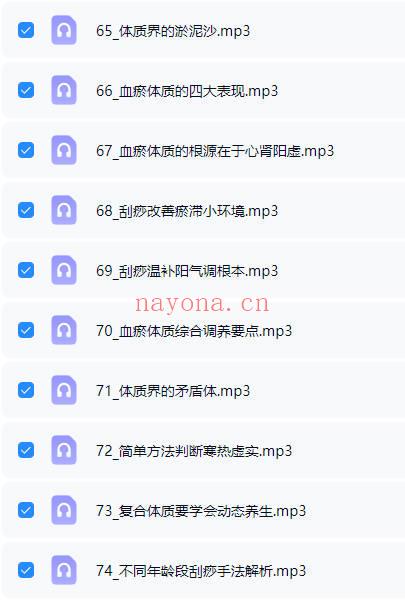
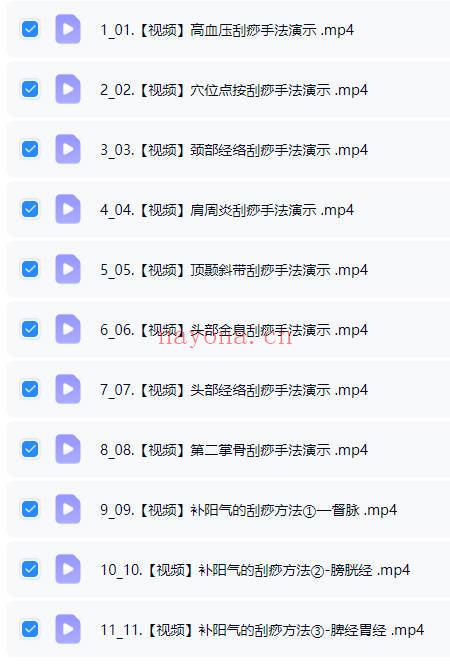
The following supplied images are retained as visual references to the course package.

Who This Course Is For
- Adult learners studying Traditional Chinese Medicine or Daoist wellness history
- Students who prefer a lesson-based digital curriculum with visual reference material
- Researchers comparing terminology, teaching systems and historical practice
- Practitioners seeking continuing cultural education within their lawful scope of practice
Learning Format and Digital Delivery
This is a virtual, downloadable educational product with no physical shipment. The package is organized around recorded video, audio, documents or illustrated reference files according to the supplied course directory. Access details are managed through the product delivery setup.
How to Study This Material
Begin with the foundational terminology, keep a glossary of unfamiliar Chinese concepts, and use the directory to track completed lessons. Pause demonstrations for note-taking and compare related modules before moving to advanced case discussions. Where a lesson describes a health-related technique, treat it as historical or professional education rather than personal medical advice.
Frequently Asked Questions
Is this course presented in English?
This sales and study guide is written in English. The underlying recorded material may contain Chinese-language teaching, so learners should review the product description and curriculum before purchase.
Is this a physical product?
No. It is a virtual and downloadable course product; nothing is shipped.
Does this qualify me to diagnose or treat patients?
No. A digital course does not replace accredited clinical education, supervised practice, professional licensing or individualized medical care.
Can beginners use it?
Motivated beginners can use the overview and foundational lessons, while advanced modules are better suited to learners who already understand basic TCM or Daoist vocabulary.
Related Courses
- Practical Gua Sha Workshop Course – 144 Video Lessons
- Home TCM Wellness Course: Gua Sha, Cupping and Moxibustion
Browse the complete Gua Sha & Cupping Courses collection or contact Karma Kismet with a course question.
Editorial and Safety Note
Karma Kismet translated, organized and expanded the supplied curriculum description for English-speaking learners. Traditional claims are identified as subjects of study, not guaranteed outcomes. Do not use this material to delay professional care. Acupuncture, moxibustion, scraping, cupping, herbs and intimate wellness practices can carry risks and may be regulated; consult an appropriately licensed professional and follow local law.
Disclaimer
For adult cultural and educational study only. This product does not diagnose, treat, cure or prevent disease and does not replace medical, psychological, legal or professional advice.
Understanding the holographic Gua Sha framework
Zhang Xiuqin’s 245-part collection presents Gua Sha through a framework described as holographic. In this context, the word points to a traditional way of relating a local area or observed feature to a broader account of the body. It is useful to learn what the presenter means by that relationship before judging any example. A visual association or a change in skin appearance does not, by itself, identify the cause of a health concern.
The collection combines audio and video study. Those formats support different kinds of attention: spoken explanations allow a learner to follow terminology and reasoning, while visual recordings can show how an instructor describes a tool, a body area or a movement. If a lesson refers to an image that is not visible in an audio segment, note the missing context rather than filling it in from guesswork. The substantial lesson count makes a topic index more useful than attempting to remember every individual recording.
Questions that clarify the theory
- Which observation does the presenter describe, and which meaning is assigned to it?
- Is the explanation a traditional association, a practical demonstration or a claim about health?
- Does another lesson use the same term consistently?
- What information would a qualified professional need before making any individual assessment?
These questions matter because source descriptions of Gua Sha can use confident diagnostic language. Such language should be examined as part of the course’s teaching tradition. Neither scraping marks nor a recorded explanation can replace an appropriate medical assessment. Claims that a single visible sign reveals a particular condition require independent evidence and should not guide personal treatment decisions.
Working through a large mixed-media collection
- Start a glossary for terms specific to the holographic approach. Write each term beside the example in which it first appears.
- Group recordings by theme as you study: framework, observation, demonstration and discussion of applications. Do not assume every item has the same purpose.
- When a video shows a movement, describe what is visible without turning the description into a procedure. Separate the presenter’s explanation from your own observation.
- Use audio segments to revisit conceptual points, then check a related visual segment if an explanation depends on placement or appearance.
- End each study session with a short note on uncertainty. Record any claim that needs corroboration and any safety question the lesson leaves open.
A learner may also compare the use of a term early and late in the collection. If it changes, look for a stated reason rather than assuming that one version is definitive. A long series can contain introductory summaries, detailed examples and answers to different classroom questions. Following a theme across those contexts often gives a clearer view of the framework than treating each recording as a stand-alone rule.
Who the collection may suit
Adults studying the history and presentation of Gua Sha may appreciate the opportunity to examine one named framework in depth. Visual learners may find demonstrations helpful for understanding the vocabulary used in the recordings, while readers interested in health communication can study how traditional observations are explained. The collection is a poor fit for someone expecting a skin mark to provide a diagnosis or seeking instructions to manage a condition without professional input.
Gua Sha involves contact with the skin and can cause discomfort, irritation or injury. A video does not show every factor that determines whether a particular action is appropriate. Avoid using recordings to scrape yourself or another person, especially in response to symptoms. Qualified, individualized advice is needed for health concerns and for any hands-on practice.
Questions about this series
What does “holographic” mean here?
It names the course’s traditional interpretive framework. Learn the definition given within the lessons and distinguish that model from an independently established clinical finding.
Why study both audio and video items?
Audio can help with repeated listening to an explanation; video can provide visual context for a demonstration. Neither format, alone or together, verifies a health claim.
Can visible Gua Sha marks identify a condition?
No reliable individual diagnosis follows from a mark alone. Skin appearance can have many influences, and a recorded lesson cannot assess a particular person.
Is a 245-lesson collection a practical qualification?
No. The number of lessons describes the collection, not a professional standard. Safe practice requires appropriate training, supervision and attention to applicable requirements.