
A 35-book PDF collection on historic architecture across Chinese regions. The source directory names regional volumes including Beijing, Yunnan and Shanxi.
Resource Overview
Chinese Historic Architecture: 35-Book PDF Collection is a digital learning resource about Chinese Architecture & Gardens. The English description summarizes the available source listing; the underlying recordings or books are in Chinese. An English translation of the full material is not confirmed.
What You Will Learn
Use the sequence and preview material below to identify the course’s scope, terminology and teaching approach. Check each topic against the original lesson rather than treating a short listing as a complete transcript.
Course Contents
- Regional architecture
- Historic building documentation
- 35-book PDF directory
Original Course Images

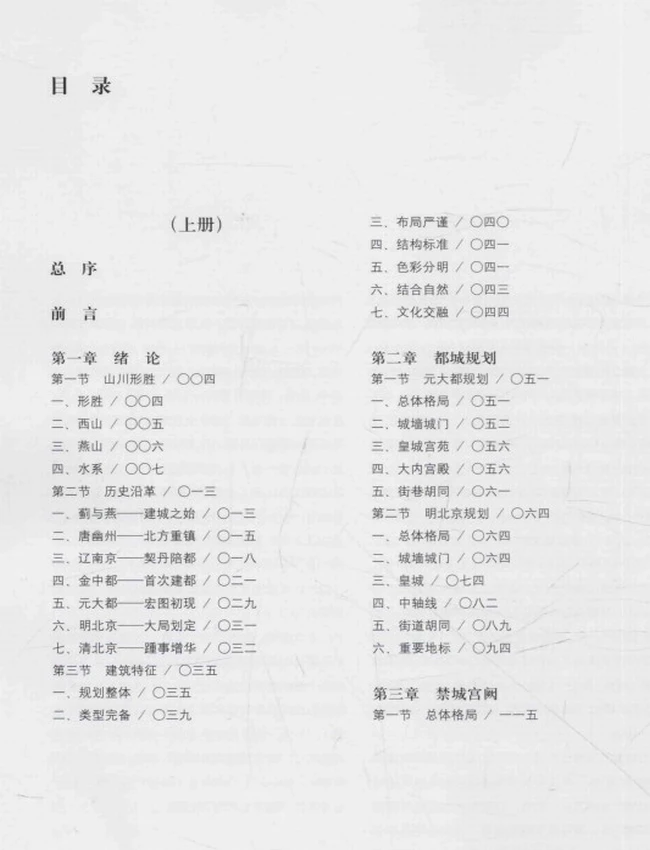
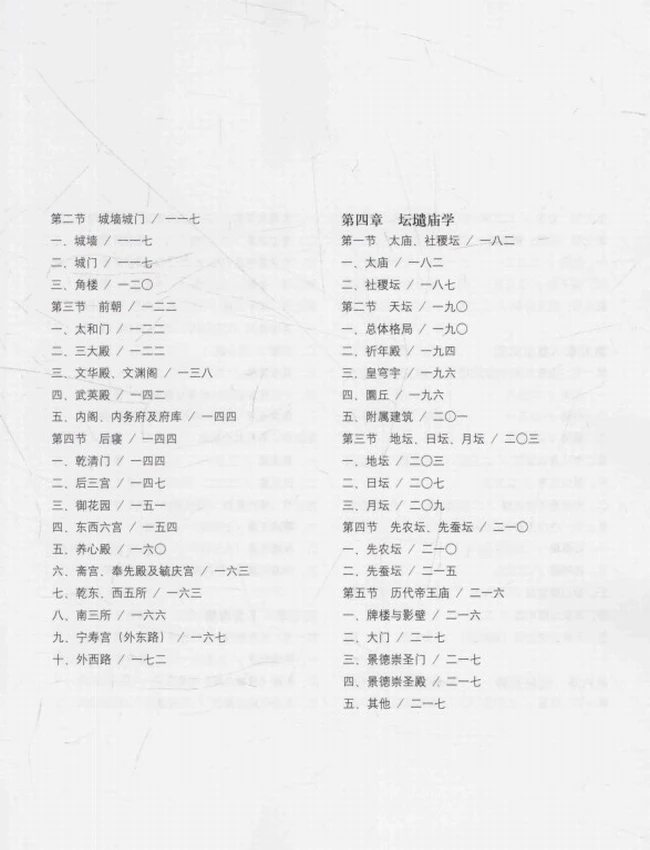
Who This Resource Is For
This resource is for readers or learners who can use Chinese-language materials and want a named resource on Chinese Architecture & Gardens. Compare the stated scope and previews before ordering; a fixed level of prior experience is not assumed unless the source directory says so.
Learning Format and Digital Delivery
35 Chinese-language PDF books Virtual and downloadable; there is no physical shipment. Price: USD 9.00. A file link is not yet attached to this product. Please contact Karma Kismet before ordering to confirm delivery arrangements; immediate automated access is not promised.
Frequently Asked Questions
Is the full material in English?
No English edition, recording or subtitle track is confirmed. The source material is Chinese-language.
Is a personal consultation included?
No individual consultation is listed with this resource.
Does this resource guarantee an outcome?
No. It is for educational and cultural study, not a guaranteed result or substitute for professional advice.
Editorial Note
Karma Kismet translated and organized the course facts and original previews for English readers. Lesson counts and formats follow the available source listing; unspecified contents, certificates and instructor credentials are not asserted.
Related Courses
Browse Chinese Architecture & Gardens and read digital delivery information.
A regional library of Chinese historic architecture
The source directory lists thirty-five PDF books organized around historic architecture in Chinese regions. It includes Beijing, Yunnan and Shanxi in upper and lower volumes, together with entries for Shanghai, Inner Mongolia, Taiwan, Sichuan and other regions. Several files combine localities, such as Tianjin and Hebei or Hainan, Hong Kong and Macao. This arrangement offers a geographical route through architectural study, but it does not prove that each region is represented by a uniform type of building or the same historical period. Use the directory to select a question, then let the individual book establish the evidence.
Region is a starting category
A regional title helps locate a study, but regional architecture is not one unchanging style. Begin with a building actually described and record its type, the date or period stated and the evidence used. Then ask which feature the author connects with the region. Materials, layout, construction and ornament may each lead to a different comparison. Do not collapse them into a single label such as northern or southern without examining the cases. A useful regional argument should explain how several examples support it and how local variation fits within the account.
Choose a second building in the same volume and compare one feature. If the buildings differ in type or date, state that difference before interpreting the contrast. A temple and a residence can vary because of function, not simply because one stands in another part of the region. Likewise, a later rebuilding may complicate a description of an early foundation. The comparison becomes stronger when the learner can identify what is held constant and what changes. This is more informative than collecting attractive images under a geographical heading.
Plans, elevations and photographs
Inspect the visual material the selected volume actually supplies. A plan describes spatial relationships from one viewpoint; an elevation presents another; a photograph preserves a particular view and moment. Each can clarify a feature while leaving other information outside its frame. Do not infer a complete building from one image. Read captions, scale information and the corresponding text before making a claim. If the image type or date is unclear, preserve that uncertainty. The source confirms a regional book collection, not a standard set of drawings for every site.
A small exercise pairs two views of one building when they are available. Identify a relationship visible in both and a feature clarified by only one. For instance, a spatial connection may be clearer in a plan while a surface treatment is more visible in a photograph. The particular observation must come from the selected pages. This exercise develops visual literacy and shows why architectural description requires more than a quick impression of a facade. It also helps a reader understand how the author moves from illustrations to an explanation of the building.
Materials and structural reasoning
When a book describes materials or a structural feature, distinguish what is visible from what the text explains. A roof’s appearance may not reveal every detail of its supporting system. A material identification may require information unavailable in a photograph. Record the author’s description and the evidence attached to it. Then ask what the feature does in the building: carries load, encloses space, directs movement or contributes to another function established in the account. Function should be explained rather than inferred solely from visual prominence.
Technical vocabulary is best learned through a specific example. Keep a Chinese term, a provisional English explanation and a reference to the figure or paragraph that makes it intelligible. Avoid translating a traditional element into a familiar Western architectural term as if the two were exact equivalents. A comparison can be useful if its limits are stated. The aim is to understand the element in the building described, not to build a universal glossary before seeing how the terms operate in real cases.
Chronology within a building
A historic building can contain layers from different periods. The date of an original foundation is not necessarily the date of every surviving component. Read carefully when a volume distinguishes construction, repair, rebuilding or later alteration. Put those actions on a small timeline. If the account does not distinguish them, do not supply a single confident date for the whole visible structure. A chronology that preserves several stages can explain why a building combines features that a simplified period label would make seem inconsistent.
Compare the wording of a caption with the fuller discussion. A short caption may use one date for convenience while the text explains a more complicated history. Retain the complexity in a summary when it matters to the interpretation. This is especially important for cross-regional comparisons: two buildings assigned to the same broad period may preserve different kinds of evidence. The comparison should identify whether it concerns an original design, a surviving component or a later form. Without that distinction, geographical variation can be confused with chronological change.
Comparing Beijing, Yunnan or Shanxi volumes
The named upper-and-lower volumes provide clear starting points for selecting a region. Verify how each pair is divided before assuming that the split is chronological or thematic. For a comparison between regions, choose similar building types and a manageable historical range where the books permit it. Describe one shared feature and one difference, then investigate the explanations the authors offer. A difference in climate, material or institutional setting may be relevant, but it should be supported by the selected accounts rather than supplied as an automatic explanation.
Buildings as spaces of use
Architecture can be studied through movement and activity as well as form. When the book describes how a space was used, identify the source of that information and its historical setting. A modern visitor’s route is not necessarily the route of an earlier user. Nor does a present photograph prove an unchanged function. Ask how the account links spatial arrangement with the activities it describes. This creates a useful bridge between a plan and cultural history without treating every architectural feature as a symbol with one fixed meaning.
End with a regional comparison sheet containing the chosen buildings, their stated chronology, a visual reference and the feature compared. Add a note about documentation limits and any question requiring a later source. The thirty-five-book library can support many such projects, but it is distinct from the separate fifty-four-book architecture-and-gardens collection. Keeping the collections’ identities clear makes references easier to follow. The educational result is a more precise way to read architectural evidence across places and periods, without assuming that a regional title supplies a complete current inventory of surviving monuments.