A collected Shenbao yearbook resource in a Republican-era documents series. It is archival reference material, not a contemporary course.
Resource Overview
Shenbao Yearbook Collection: Republican-Era Documents is a digital learning resource about Republican Era Books & Archives. The English description summarizes the available source listing; the underlying recordings or books are in Chinese. An English translation of the full material is not confirmed.
What You Will Learn
Use the sequence and preview material below to identify the course’s scope, terminology and teaching approach. Check each topic against the original lesson rather than treating a short listing as a complete transcript.
Course Contents
- Shenbao yearbooks
- Republican-era documentation
- Archival collection format
Original Course Images
Who This Resource Is For
This resource is for readers or learners who can use Chinese-language materials and want a named resource on Republican Era Books & Archives. Compare the stated scope and previews before ordering; a fixed level of prior experience is not assumed unless the source directory says so.
Learning Format and Digital Delivery
Chinese-language digital document collection; item count not confirmed Virtual and downloadable; there is no physical shipment. Price: USD 9.00. A file link is not yet attached to this product. Please contact Karma Kismet before ordering to confirm delivery arrangements; immediate automated access is not promised.
Frequently Asked Questions
Is the full material in English?
No English edition, recording or subtitle track is confirmed. The source material is Chinese-language.
Is a personal consultation included?
No individual consultation is listed with this resource.
Does this resource guarantee an outcome?
No. It is for educational and cultural study, not a guaranteed result or substitute for professional advice.
Editorial Note
Karma Kismet translated and organized the course facts and original previews for English readers. Lesson counts and formats follow the available source listing; unspecified contents, certificates and instructor credentials are not asserted.
Related Courses
Browse Republican Era Books & Archives and read digital delivery information.
Context for reading and study
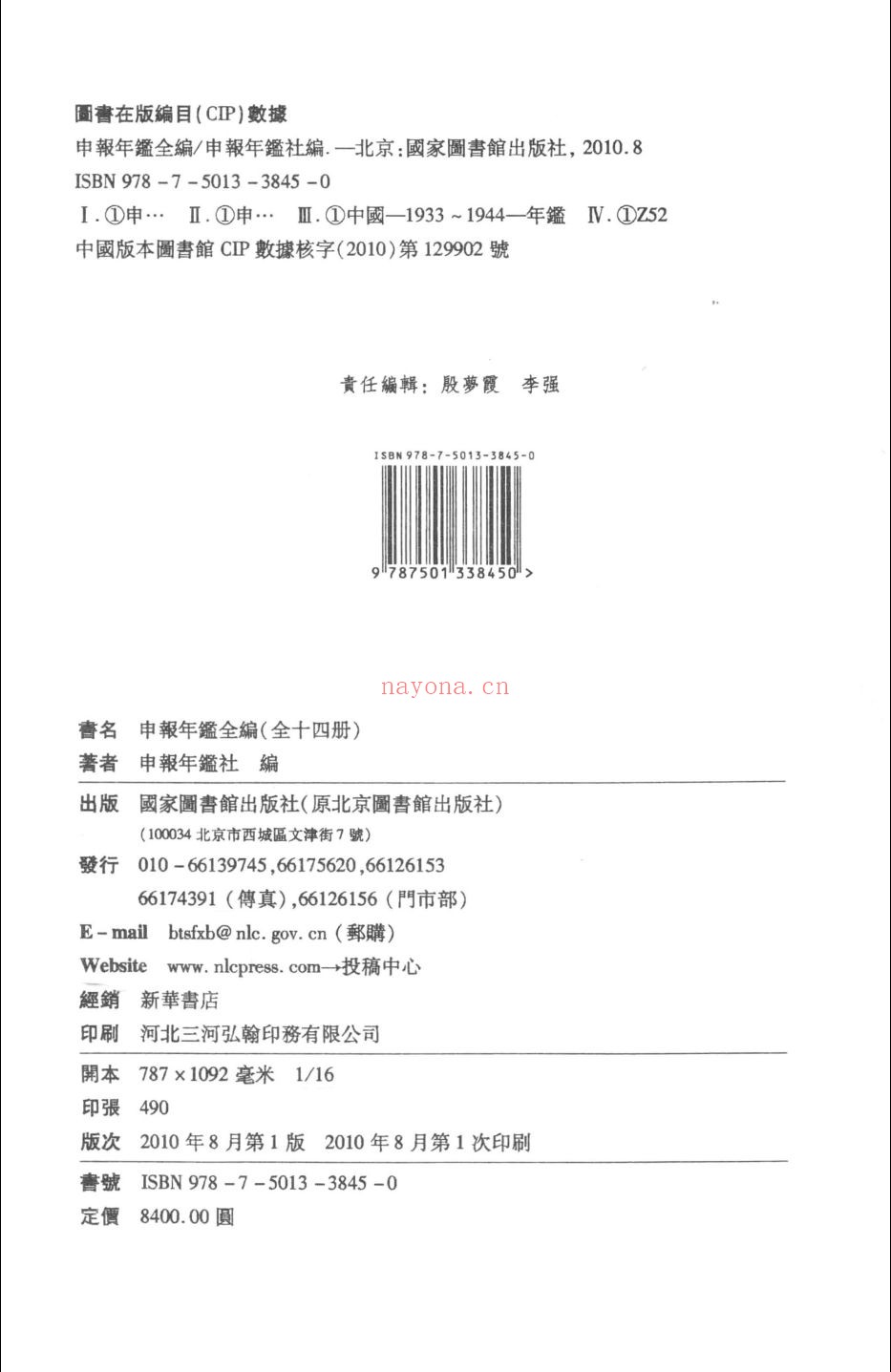
The source identifies a fourteen-file Shenbao Yearbook compilation and gives a 2010 publication reference. It also describes five historical yearbook issues, including four published in 1933–1936 and a 1944 revival under occupation. The modern file count and the historical issue count describe different things. This distinction is central to reading the collection as archival reference.
Historical issue and modern volume
Fourteen modern PDFs should not be treated as fourteen original annual issues. The source’s account distinguishes the original yearbook publication history from the later compilation’s packaging. Before citing a passage, identify the original issue or year represented, the modern volume, and the printed page reference. If the scan spans a historical division, record that division explicitly. This prevents a modern file number from being mistaken for a date. The existing page gives a broad archival description; the detailed directory provides a more specific inventory to verify against the files actually supplied, without assuming that every scan is complete.
Why a yearbook differs from a newspaper
The source explains the yearbook as a complement to daily and monthly publication, emphasizing organized statistics and historical tables. That is a useful genre distinction. A daily report records an event close to its occurrence, while a yearbook may select, arrange, and summarize material afterward. Neither form is automatically neutral or complete. When using a yearbook entry, ask what period it covers and what sources the editors relied on. A summary can make information easier to compare while also introducing selection and classification choices. The archival reader should preserve those choices rather than treating the volume as a transparent view of the past.
The editors’ stated limitations
The source paraphrases editorial concerns about incomplete coverage, conflicting materials, uncertain statistics, restricted space, and rapidly changing events. These are not reasons to discard the yearbook; they are reasons to read it critically. Keep the compiler’s qualification beside the figures or statement it limits. If two tables differ, investigate their sources and definitions before declaring one a mistake. A contemporary compilation can reveal both information and the difficulties of collecting it. Recognizing the editors’ limits produces a stronger historical argument than treating every printed number as equally reliable simply because it appears in a substantial reference work.
Population figures and source differences
The source highlights population data drawn from several kinds of administrative collection, including provincial, postal, and customs-related records. These sources may differ in coverage, date, and definition. When comparing their figures, record the unit, territory, reference period, and reporting body. Do not average them automatically or choose the most convenient value. A discrepancy may show a difference in collection method rather than a simple numerical error. The yearbook’s presentation can help a researcher see those differences, but interpretation requires attention to the notes and headings. A copied total without its context is weak historical evidence.
Occupation-era publication context
The source singles out the 1944 revival as a publication under occupation and describes a propaganda purpose. Keep that issue’s context separate from the earlier issues. A familiar yearbook title does not make editorial conditions identical across time. Read the framing, terminology, selection, and institutional references with that difference in mind. The issue can still be valuable as evidence of how information was presented under those conditions. Its value is not the same as unrestricted confirmation of every claim it contains. Context should shape the questions asked of the document and the way its statements are attributed in a research summary.
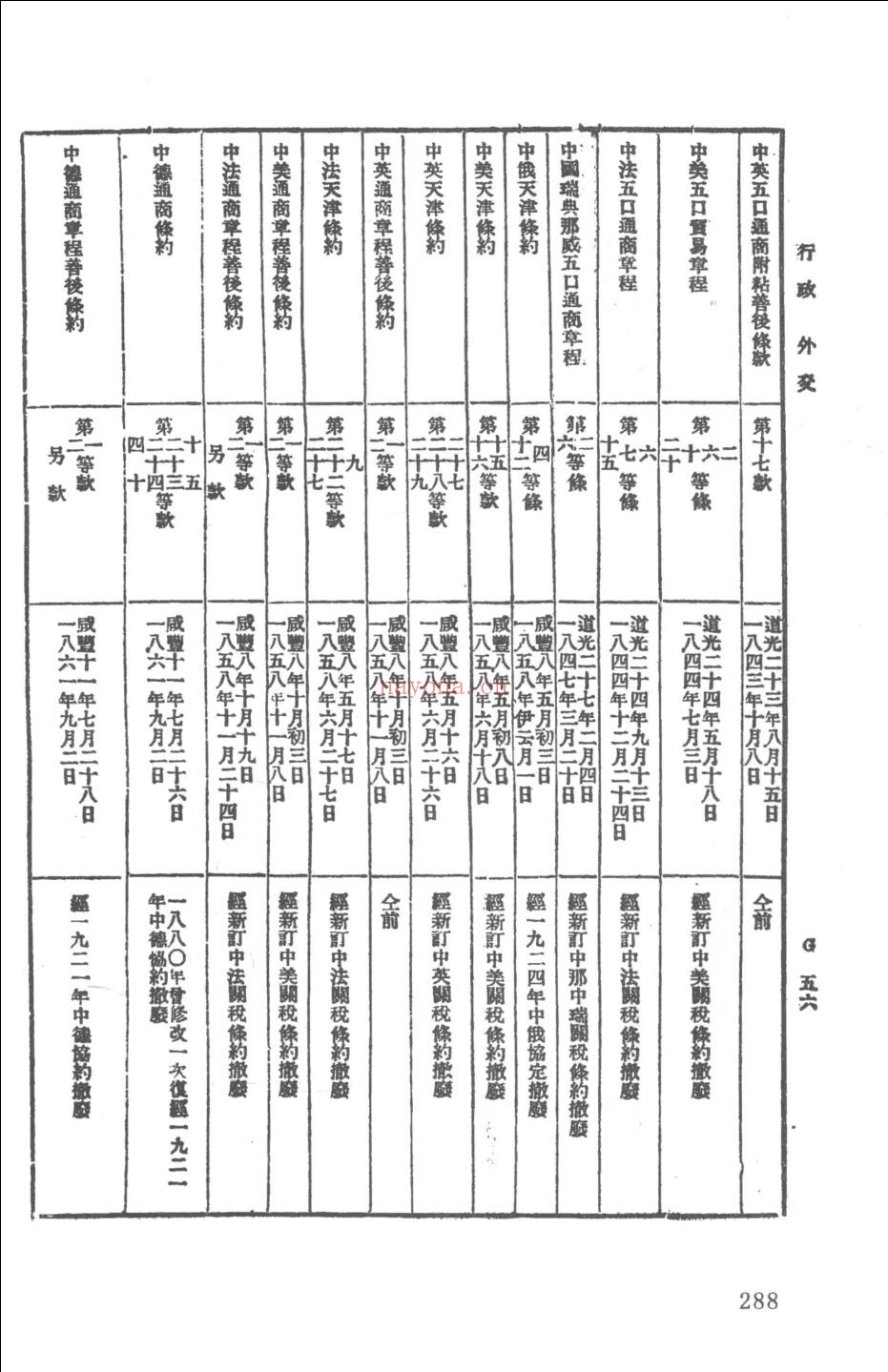
Tables as structured arguments
A table appears compact and factual, but its headings organize the evidence. Identify what is counted, what is excluded, and how categories are defined. Check whether the table presents a stock at one date, a total over a period, or a comparison assembled from several sources. A printed number can be faithfully transcribed while misunderstood. Keep the title, footnotes, units, and source reference with the extracted data. This makes later comparison possible and prevents a statistic from becoming a decontextualized claim about the whole country when it may concern only a particular territory or reporting network.
Publication date and reported period
A yearbook’s publication year need not match every event or statistic it discusses. Separate the edition date from the period covered by a passage. The source identifies the first issue as appearing in 1933, but a researcher should still inspect the actual headings before dating the material inside it. A modern compilation date is another layer. Record all three when relevant: original publication, reported period, and modern edition. This layered citation is more informative than a single year attached to a modern file name. It also helps prevent false trends created by comparing data with different reference periods.
Cross-reference without false completeness
The source describes the yearbook’s use of official publications, scholarly writing, and other reference works. If a passage identifies one of those sources, follow the reference where available and compare the wording or figures. Do not assume that the modern collection supplies every work cited by the historical editors. A bibliography points outward; it is not an inventory of included files. Cross-reference can reveal what the yearbook condensed or changed. It can also show where the original source is unavailable. A research note should preserve that limitation rather than making a stronger claim than the accessible evidence supports.
Scans and transcription
A PDF scan can contain difficult typography, tables, or damaged characters. Verify transcription against the image, especially for names, dates, and numerals. An OCR result is a reading aid rather than a guaranteed text. Preserve the printed page number and the digital location if they differ. When a character remains uncertain, mark it in your notes instead of silently choosing a plausible replacement. This is particularly important for quantitative research, where one misread digit can alter a comparison. The listing identifies archival material, not a fully corrected searchable database or an authenticated machine-readable dataset.
A narrow archival question
Begin with a question limited enough that the yearbook’s evidence can be checked. You might compare one category across two identified issues or examine how an editor frames a particular subject. Record the selection rule and the passages used. Distinguish the document’s claim from your conclusion about it. If the available issue history has gaps, retain those gaps rather than implying a continuous annual series. The compilation can support historical investigation through careful citation and comparison. It does not confirm a contemporary teaching course, an English translation, a ready-made research dataset, or an exhaustive record of Republican-era life.