A thirty-video Fu Peirong series on the Analects, one of the Four Books. The course should not be mistaken for coverage of all Five Classics.
Resource Overview
Fu Peirong Analects Lectures: Thirty Videos is a digital learning resource about Four Books & Five Classics. The English description summarizes the available source listing; the underlying recordings or books are in Chinese. An English translation of the full material is not confirmed.
What You Will Learn
Use the sequence and preview material below to identify the course’s scope, terminology and teaching approach. Check each topic against the original lesson rather than treating a short listing as a complete transcript.
Course Contents
- Analects
- Four Books context
- Thirty-lecture sequence
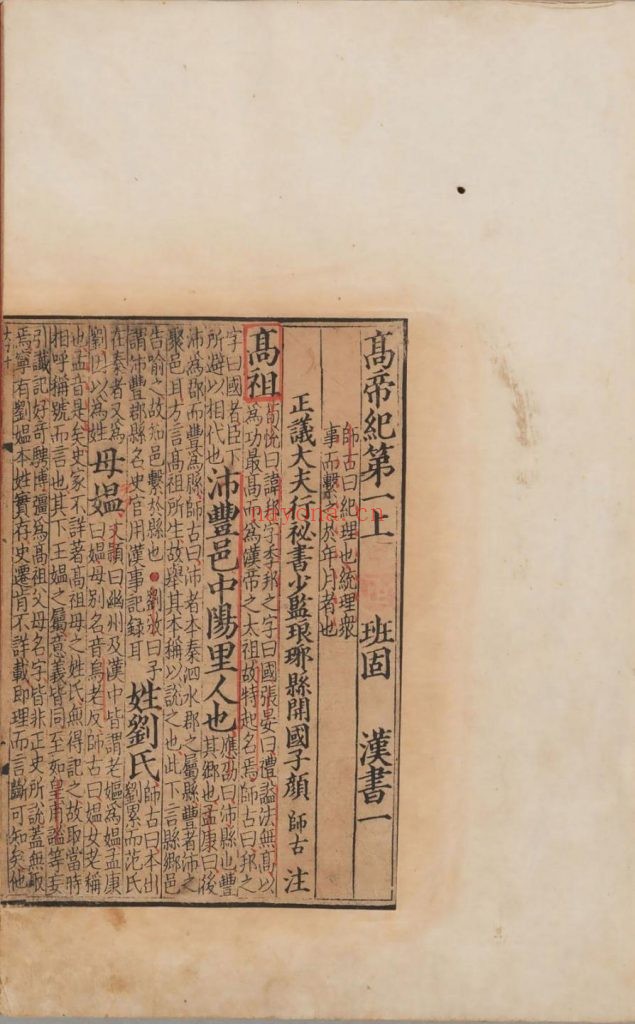
Original Course Images

Who This Resource Is For
This resource is for readers or learners who can use Chinese-language materials and want a named resource on Four Books & Five Classics. Compare the stated scope and previews before ordering; a fixed level of prior experience is not assumed unless the source directory says so.
Learning Format and Digital Delivery
Thirty Chinese-language videos Virtual and downloadable; there is no physical shipment. Price: USD 9.00. A file link is not yet attached to this product. Please contact Karma Kismet before ordering to confirm delivery arrangements; immediate automated access is not promised.
Frequently Asked Questions
Is the full material in English?
No English edition, recording or subtitle track is confirmed. The source material is Chinese-language.
Is a personal consultation included?
No individual consultation is listed with this resource.
Does this resource guarantee an outcome?
No. It is for educational and cultural study, not a guaranteed result or substitute for professional advice.
Editorial Note
Karma Kismet translated and organized the course facts and original previews for English readers. Lesson counts and formats follow the available source listing; unspecified contents, certificates and instructor credentials are not asserted.
Related Courses
Browse Four Books & Five Classics and read digital delivery information.
Reading the Analects through Fu Peirong’s explanations
The resource is identified as thirty Chinese-language videos associated with Fu Peirong and the Analects. The source discussion connects its interpretation with ren, yi, li and zhi, historical background and reflection on contemporary relationships. These are useful points of entry into the collection, but the available listing does not supply a dependable episode-by-episode syllabus. Approach a recording as an explanation of a particular classical passage, then locate that passage in a text you can read. The encounter between the wording and the explanation is where the most productive learning begins: a familiar English moral term may initially seem obvious, yet become less simple when placed inside a conversation between particular people.
Ren as a relational question
Ren is often introduced through English words such as humanity or benevolence. For an independent reading exercise, resist reducing it to a pleasant feeling. Examine what the speaker asks someone to do, notice whom the action concerns and consider whether the passage emphasizes intention, conduct or the quality of a relationship. A sentence about care toward another person may involve obligations that differ from those in a sentence about self-cultivation. When Fu Peirong’s explanation offers a contemporary example, put the example beside the classical statement. Identify the connection he draws and ask what has changed between the two social situations.
A helpful exercise is to imagine two responses to a small interpersonal problem: one that appears generous and one that attends carefully to the other person’s actual circumstances. These responses may coincide, but they need not. Use the passage under study to investigate the difference instead of deciding in advance that kindness has only one expression. This does not establish a universal formula for ethical behavior. It gives the reader a concrete way to test whether an interpretation of ren has sufficient attention to relationship, situation and responsibility. Record the action recommended by the passage separately from the response you personally prefer.
Yi, li and zhi in a shared situation
The source names yi, li and zhi alongside ren. A learner can use that grouping to ask different questions about the same example. Yi directs attention toward what is fitting or right; li raises questions about patterned conduct, roles and forms; zhi invites attention to judgment and understanding. These introductory glosses are aids for reading, not complete definitions that settle every occurrence. Take a passage actually discussed in the recordings and ask how each relevant term functions there. Does the explanation describe an action, a disposition, a social convention or an ability to distinguish alternatives? The answer should come from the selected passage rather than from a memorized English label.
Consider, for instance, an independently constructed situation in which a person must deliver difficult news respectfully. The decision to speak honestly, the way the conversation is arranged and the judgment about timing are distinguishable features. Such a situation can help a modern learner formulate questions about the concepts without claiming that it is an example supplied in a particular video. Return to the ancient text after making the comparison. If its wording does not support the analogy, revise the analogy. Contemporary relevance becomes more convincing when the reader can state both the resemblance and the limits of the comparison.
Conversation rather than isolated quotation
The Analects contains short statements that are easy to detach from their surroundings. A reading habit worth developing is to identify the exchange around a memorable sentence. Who raises the question? Is an answer directed to a particular person? Does another nearby passage offer a different emphasis? The same English paraphrase can conceal differences in audience and occasion. Before adopting a saying as personal advice, look at the interaction that gives it force. A lecturer’s extended explanation can be valuable here, but the expansion remains an interpretation; the reader should still be able to distinguish the short classical statement from the explanatory material built around it.
For a small study session, choose one exchange instead of several unrelated quotations. Write a plain description of the situation, a paraphrase of the answer and a question that the answer leaves open. Then revisit the relevant part of the recording to see which aspect Fu Peirong emphasizes. Perhaps the explanation focuses on personal character, perhaps on conduct toward others, or perhaps on why a seemingly simple answer requires background. These are possibilities for listening, not claims about an unverified lesson. The exercise develops attention to the lecturer’s reasoning and prevents the learner from mistaking recognition of a phrase for understanding of its use.
Ancient roles and contemporary applications
The source presents modern life as one area of interpretation. Use that invitation carefully. An ancient statement about learning, family or public responsibility arises within social arrangements that should not be assumed identical to a contemporary household or workplace. Ask which element travels well across the comparison: attentiveness, restraint, reciprocal consideration or a particular rule of conduct. Then ask which element depends on an older hierarchy or institutional setting. A useful application may preserve a question about responsibility while revising the form through which it is expressed. This is a reasoned translation between contexts, rather than proof that every ancient arrangement should be reproduced.
Learning with another person can make these differences visible. Give each participant the same short passage and ask for a contemporary example that seems relevant. Compare the examples before comparing conclusions. If one person sees a question of politeness and another sees a question of justice, locate the words that support each emphasis. The discussion need not produce one authorized moral answer. Its purpose is to uncover how a reader moves from an expression in the text to a proposed response in life. Avoid using the recording as a substitute for explaining that movement in your own words.
A manageable route through thirty recordings
A thirty-video collection can be approached in small thematic returns. Begin with the actual ordering of the files, establish which passage is being discussed and retain a reference to the recording position. After several sessions, group notes by the concepts that genuinely recur rather than by an imagined curriculum. Revisit one earlier passage when a later explanation changes your understanding of a term. This creates a cumulative reading practice without promising that the collection covers every chapter or all of the Five Classics. The named focus remains the Analects, one of the Four Books, and the scale of the available recordings should be kept separate from the scope of the classical canon.
At the end of a study cycle, explain one idea to someone unfamiliar with the text using a passage and a bounded example. Include a point at which the English wording is approximate and a point at which historical context matters. If the explanation consists only of praise for ancient wisdom, return to the details of the exchange. A more useful outcome is the ability to show why a particular answer is interesting, how Fu Peirong reads it and what alternative interpretation remains possible. That combination of close reading and reflective discussion makes the collection usable as cultural education without treating it as a promise of personal transformation.