Clarity shaped by facets
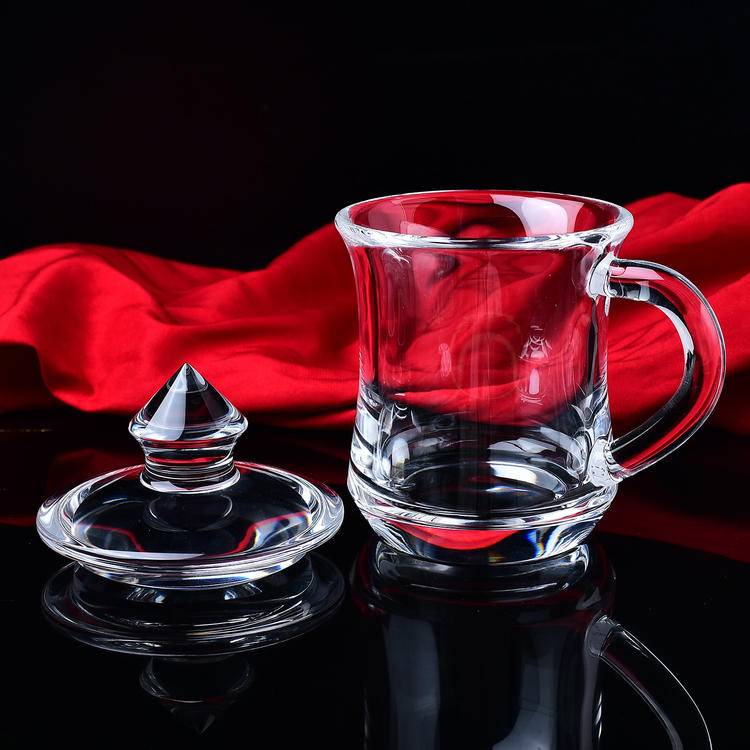
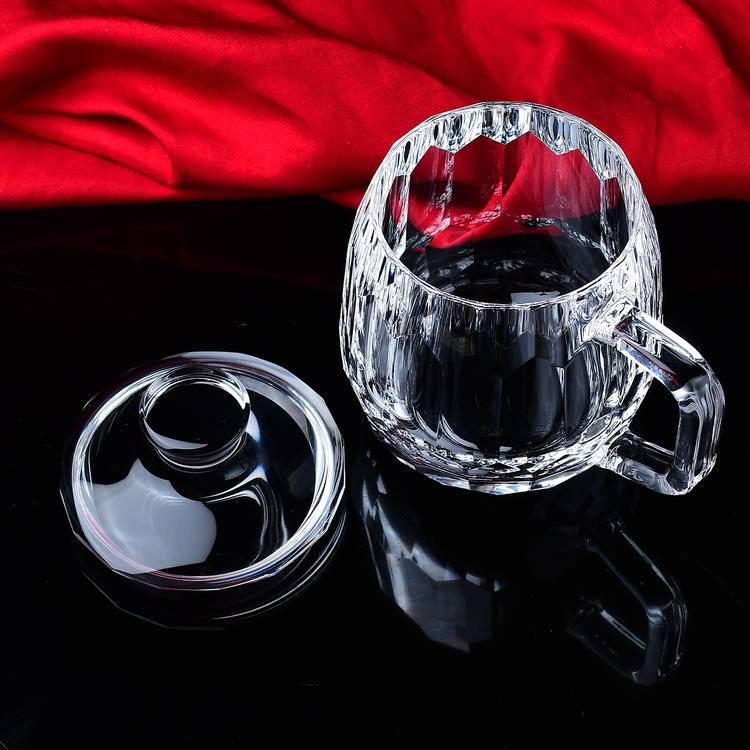
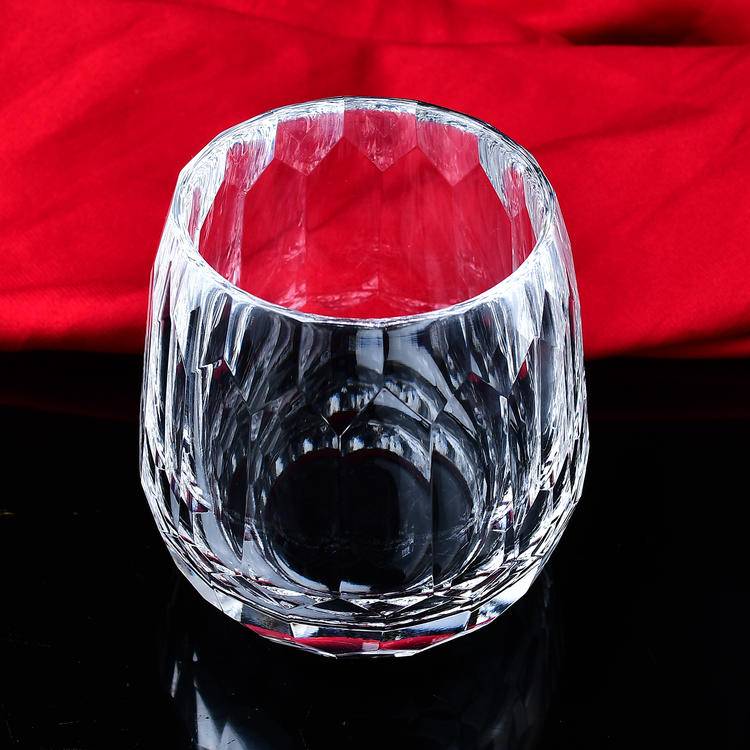
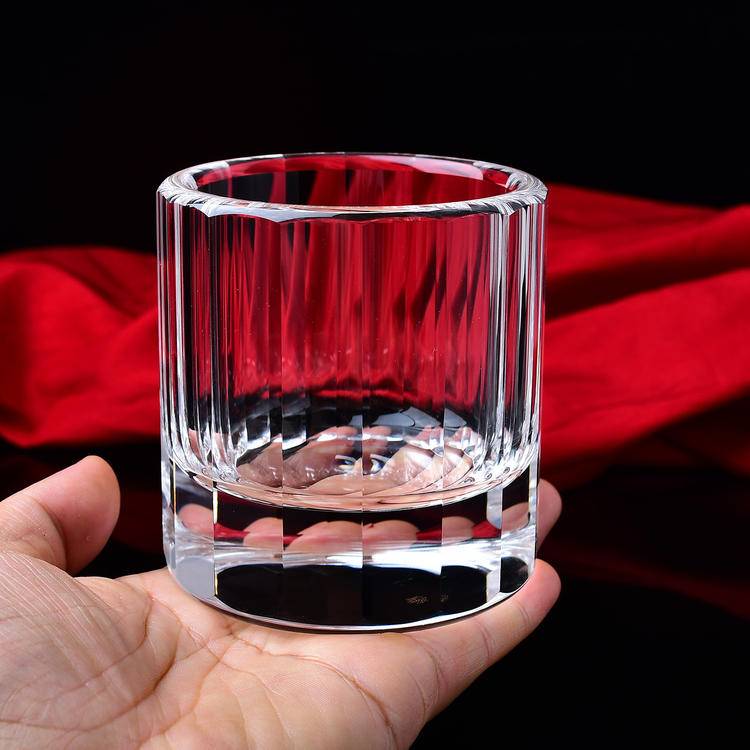
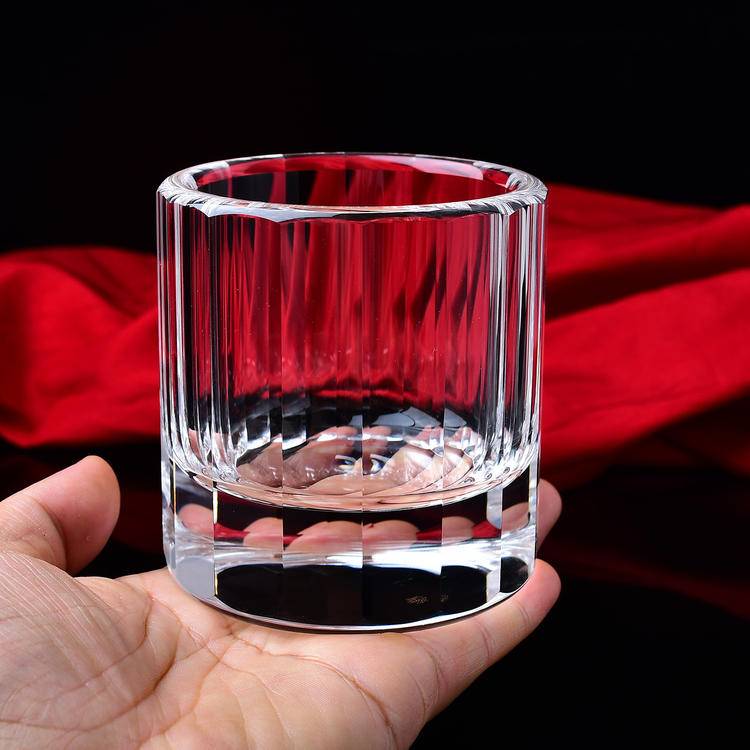
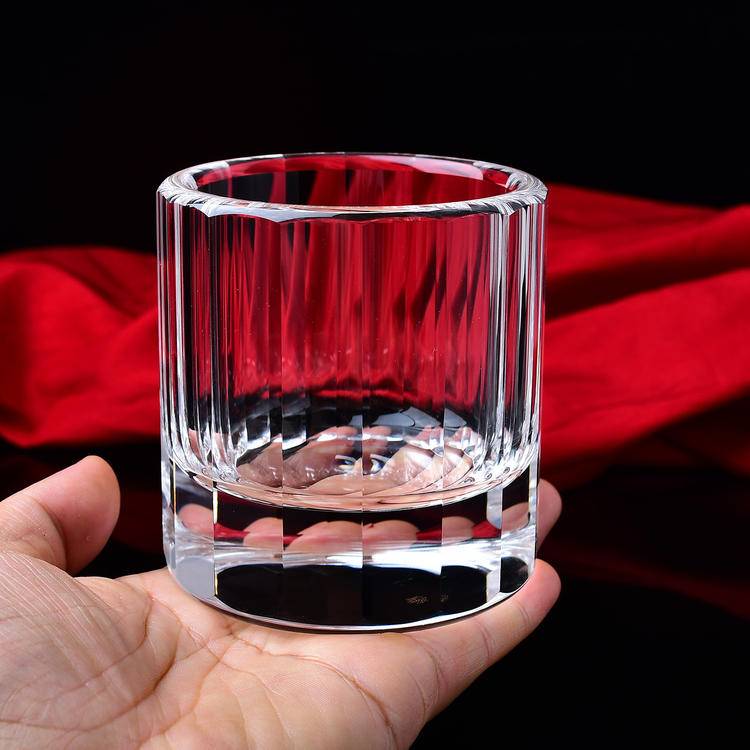
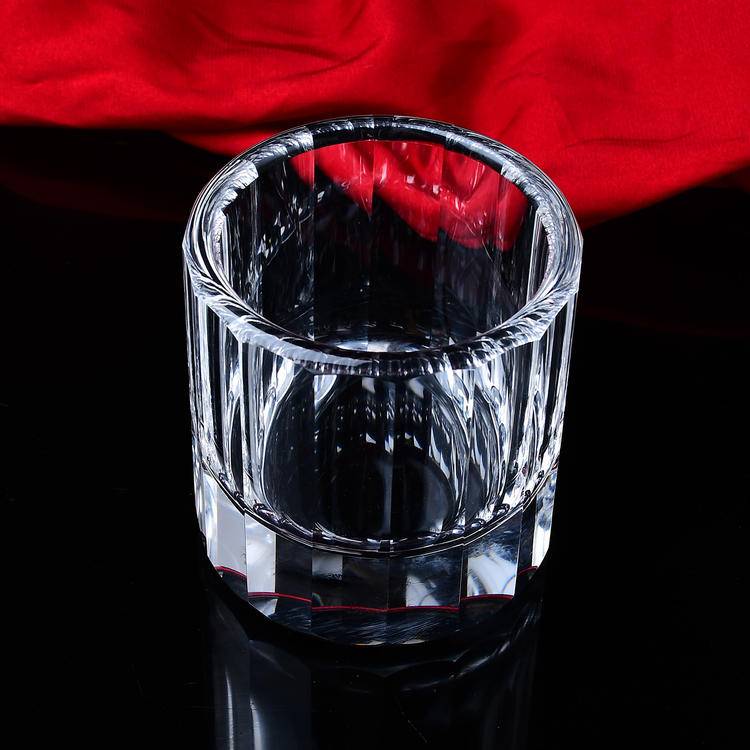
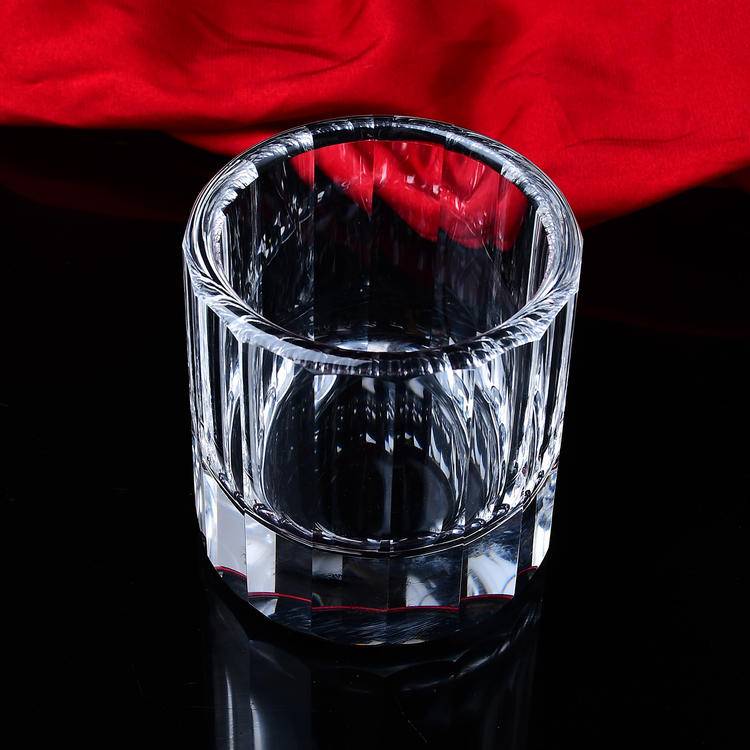
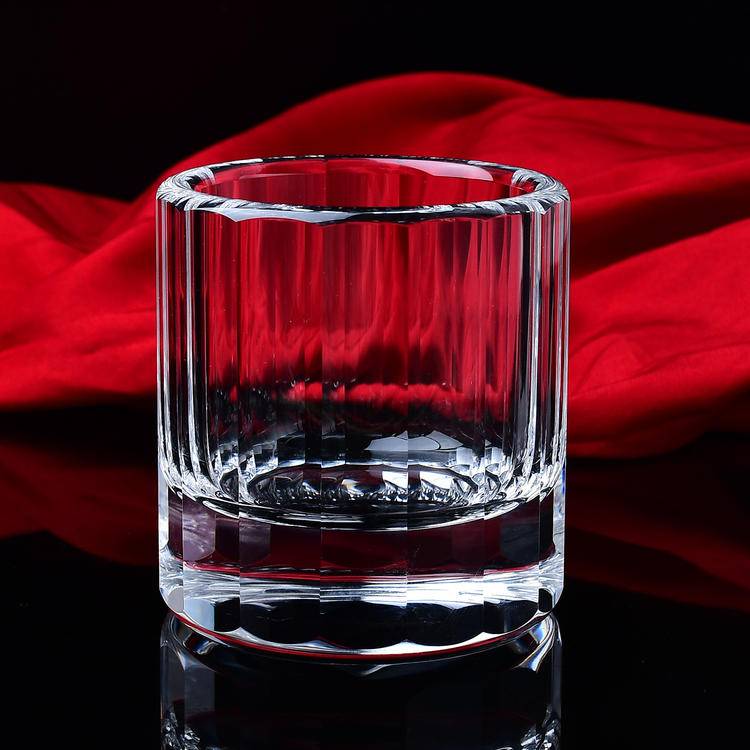
The defining feature of this Natural Crystal Melted Cup is its faceted single-cup form. Facets give the surface a sequence of planes rather than one uninterrupted curve. As light reaches those planes, the cup can reveal changing highlights and shadows. The result is a restrained design with enough detail to reward a closer look. Its title emphasizes elegance and a clear appearance, while the short description suggests tea service or decorative use.
A single cup can feel more personal than a matched set. It may be the cup chosen for a quiet tea break, the distinctive piece on a serving tray, or a small object displayed where its shape catches light. Those possibilities do not require an elaborate ceremony. They begin with noticing how the vessel looks and how it fits the space or routine around it.
What the facets contribute
A facet is a plane cut or formed into a surface. Repeated around a cup, such planes create an ordered rhythm. This design detail is different from an applied image or symbol: it belongs to the cup’s overall shape. From one angle the outline may look simple, while another angle can make individual faces more visible. A neutral background often gives those edges room to show clearly.
The listing describes a natural crystal cup with clarity and brilliance. It does not identify an exact mineral grade, capacity, number of facets, wall thickness, or manufacturing process beyond the language of the title and description. The attribute value Pure Crystal Clarity is a descriptive phrase, not a measurable optical specification. Choose on the basis of the stated design and verified product details, especially if you need the piece to meet a particular practical requirement.
In a display, the faceted shape can relate to geometric ceramics, angular picture frames, or simple architectural lines. It can also provide structure among softer objects such as folded fabric or a branch in a vase. Avoid crowding it with too many reflective pieces if you want the facets themselves to remain the focal point. A little negative space can make a small cup more visible.
Using one cup for tea
The short description suggests tea as a possible use. A single serving gives you a chance to observe the drink’s color and pace your tasting. You might place the cup on a tray, prepare tea in a separate vessel, and pour an amount that feels comfortable to handle. The shape offers a visual experience; it does not alter the inherent quality of the tea or guarantee a particular flavor.
Before serving hot liquid, confirm the cup’s care and temperature instructions. The available wording does not establish its resistance to heat or sudden temperature changes. That matters for any material described as crystal. A gentle approach is sensible: avoid assuming that a decorative vessel can take the same treatment as an everyday ceramic mug. If no reliable guidance is available, use it for display or for an approved serving purpose only.
Because it is a single cup, it need not match every other item on the tea table. A plain tray or simple teapot may allow its facets to stand out. For an informal afternoon drink, it can be the one unusual element in an otherwise familiar setting. If serving a guest, consider whether the cup’s size and handling suit that person’s comfort; no capacity is specified here.
Display ideas grounded in the design
Light has a practical role in showing a faceted surface. A shelf with indirect daylight may reveal the planes without placing the cup where it can be bumped. An evening lamp can give it a different look. Check the stability of the surface and keep the cup away from a ledge or a crowded area. The best display location makes the object easy to see and unlikely to fall.
One approach is to place it alone on a small tray. The tray defines its space and can make the display feel intentional. Another is to group it with two or three objects of different heights, such as a book and a modest vessel. Keep the arrangement simple enough that the cup’s geometry remains legible. The title’s elegant and pure language points toward visual restraint rather than a crowded composition.
The cup may also appeal to someone collecting varied tea vessels. A collection can be organized by shape, material, or the experience of using each item. A faceted cup offers a shape-based contrast to rounded pieces. When displayed together, leave enough room to lift each cup safely, and avoid stacking items unless their instructions expressly permit it.
How to choose this particular design
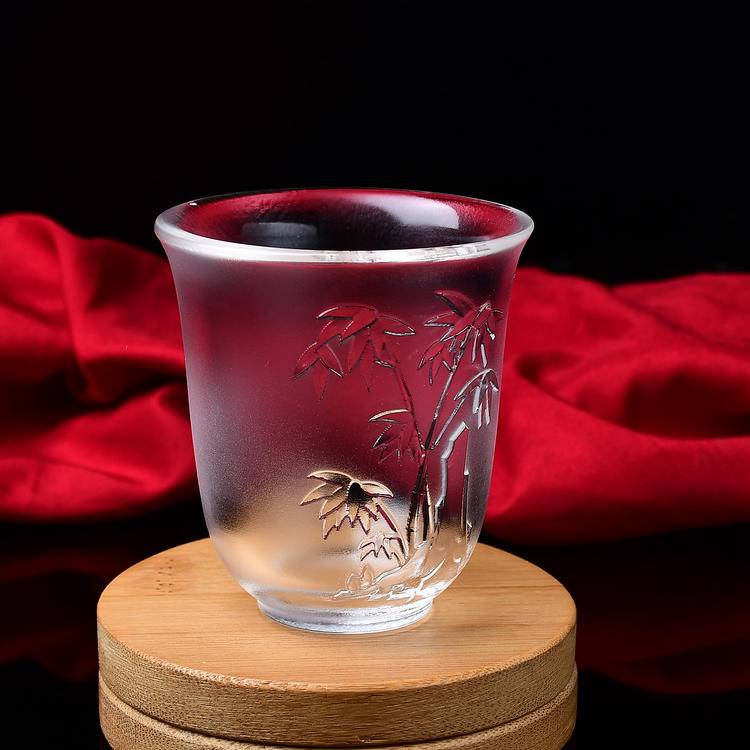
Start with the feature you are seeking. If you want a cup with a carved character or an animal motif, this is not described that way. Its visual focus is the faceted form and clear appearance. That simplicity may be ideal when the surrounding tea tools already have patterns. It can also suit someone who prefers design details that come from shape rather than decoration.
Look closely at current product images for the overall silhouette, rim, base, and degree of transparency. Images can help you judge style, but lighting and screen settings can change how clarity appears. Ask for confirmed measurements if the cup must fit a tray, cabinet, or serving routine. The description does not provide those figures, so guessing could lead to disappointment.
Realistic expectations also leave room for variation in an item described as natural crystal. The wording does not promise an entirely uniform interior or a precise level of optical clarity. Decide whether the broad look appeals to you, then verify any specific feature you regard as essential. A clear decision is easier when aesthetics and practical requirements are considered separately.
Handling and care
Care for the cup as an object that may be vulnerable to impact. Set it down gently on a stable surface and avoid letting it strike other tea ware. Follow any instructions supplied for cleaning; if none are available, seek them before using a dishwasher, abrasive brush, or strong cleaner. A soft cloth can help remove ordinary dust from a display piece without obscuring its facets.
When cleaning the exterior, pay attention to edges where residue or dust could remain. Dry the cup before storing it, and give it enough room that nearby objects do not knock against it. Inspect the rim and body before any drinking use. If you notice damage, do not continue serving from it until its safety for that use is clear.
The word crystal can carry symbolic associations for some owners. You may enjoy those associations as personal or cultural meaning, but they are separate from the cup’s observable design and practical function. This product does not need a claim of healing or special energy to be appreciated as a faceted vessel.
Questions about the Faceted Single Cup
What makes this cup visually distinct? Its faceted single-cup shape is the named design feature. The planes can create changing highlights as the cup or surrounding light moves.
Does the listing specify its capacity? No capacity appears in the available description. Confirm the measurement before choosing it for a particular style of tea service.
Can it hold very hot tea? The provided information does not state a temperature limit. Check the product’s handling guidance before introducing hot liquid or a sudden temperature change.
Is Pure Crystal Clarity a material certification? It appears as a descriptive attribute value. It does not provide a technical grade or independent certification.
Would it work as a display piece? The short description explicitly suggests decorative use. A secure shelf or tray with room around the cup can show the facets well while helping protect it from knocks.