Study Qi Men chart reading course through an English digital resource organized from the original curriculum, course record and reference images.
Course Overview
This English resource organizes the original Chinese curriculum for structured study of Qi Men Dun Jia divination and strategic timing traditions. It presents the source material as a cultural and educational system rather than a scientific prediction or guaranteed outcome.
What You Will Learn
- Core Qi Men terminology and chart-reading approaches used in the source material
- How the course connects palaces, doors, stars, spirits and stems with chart interpretation
- The lesson sequence, examples and study exercises supplied in the original record
- How to distinguish symbolic interpretation from factual or scientific claims
Course Contents
Vertical professional tutorial
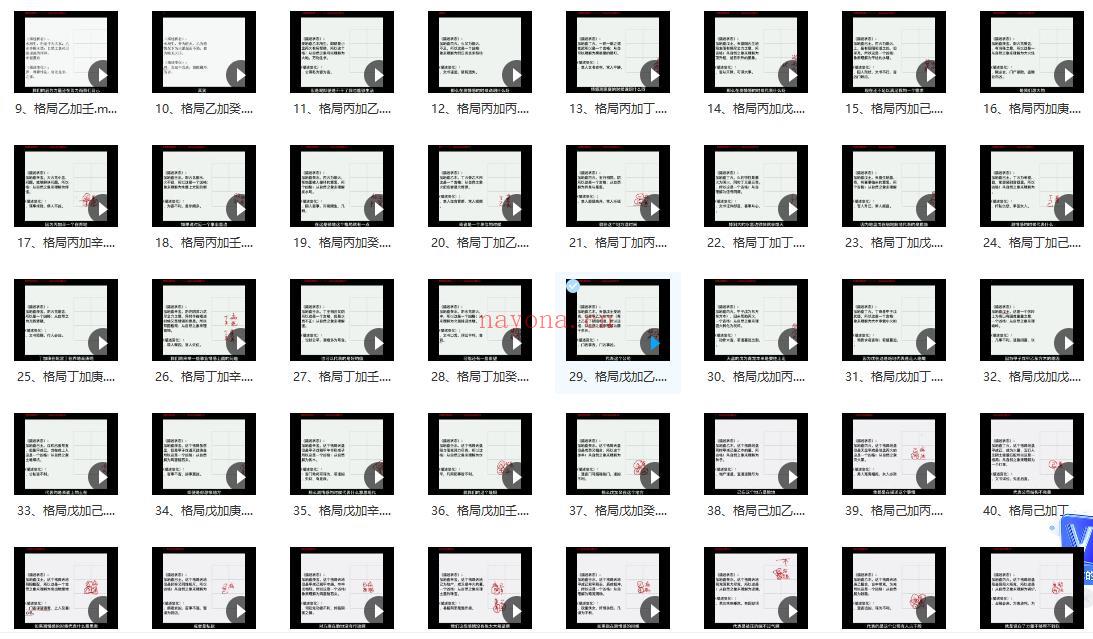
Catalog screenshot
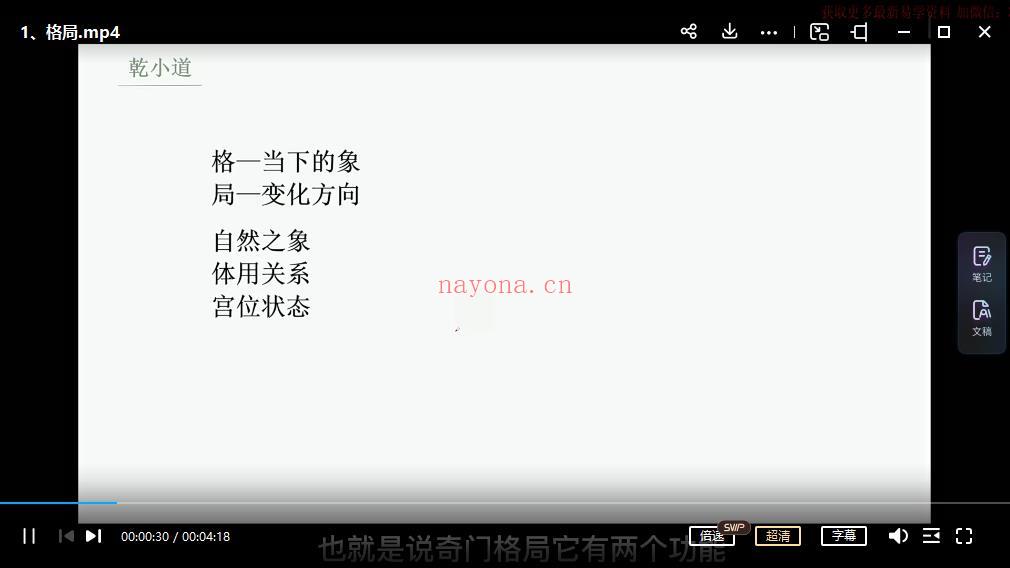
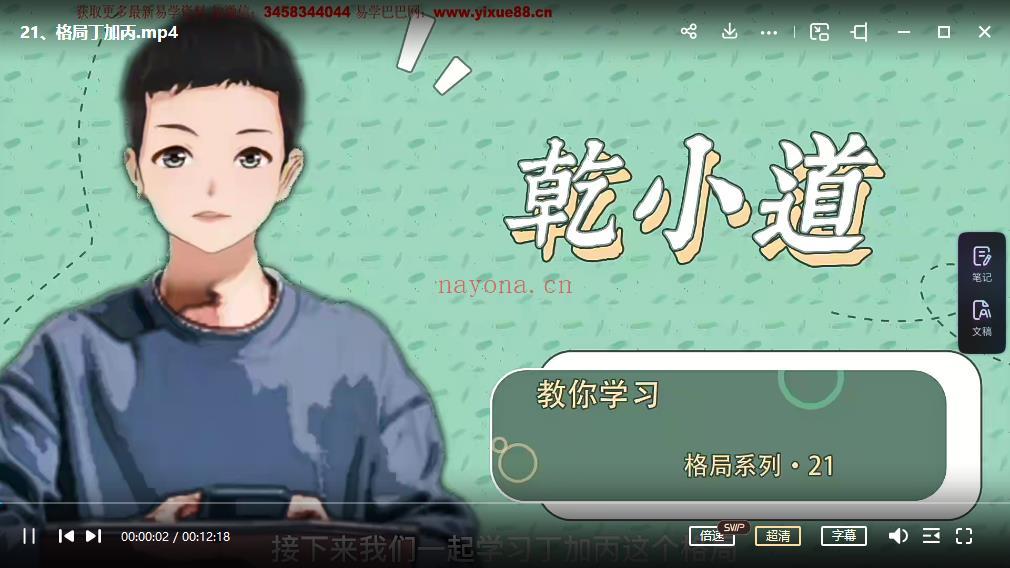
Video screenshot
Original Course Material Images
The following images are retained from the original nayona.cn course record for material identification and reference.
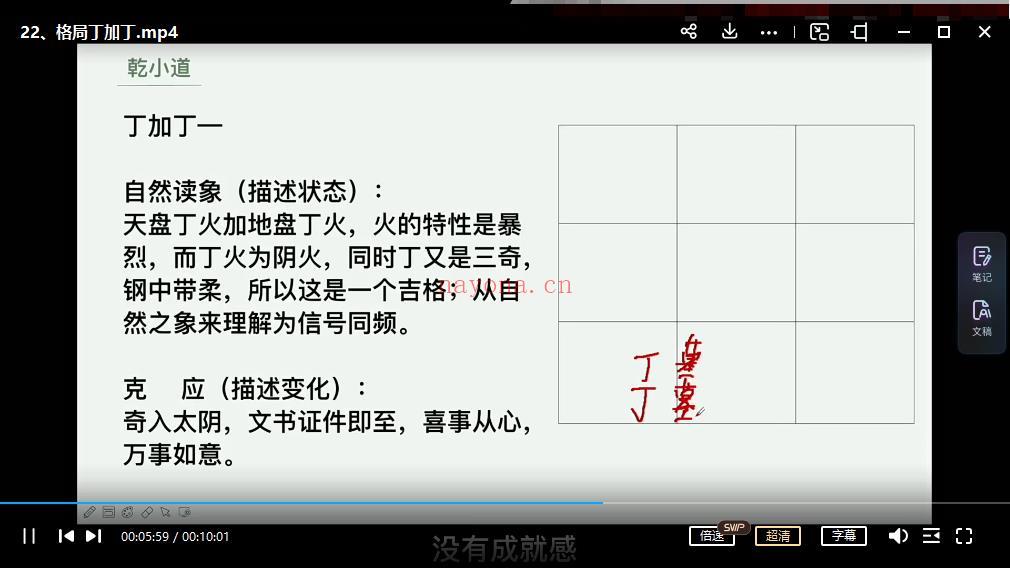
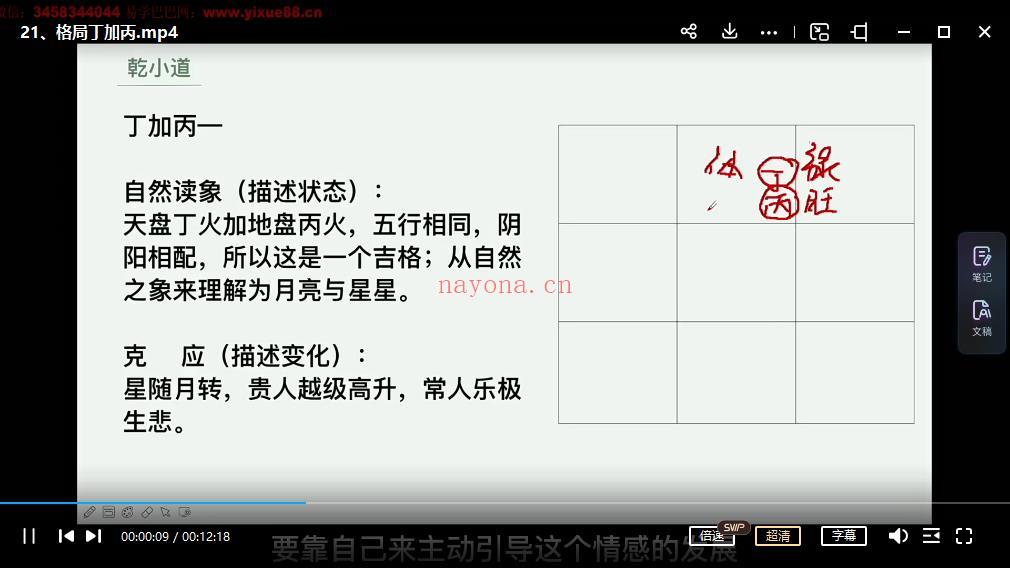
Who This Resource Is For
This material is suitable for adult learners exploring Qi Men Dun Jia, Chinese divination, chart reading or traditional timing and strategy methods. Beginners should start with definitions and calculation rules before attempting interpretive exercises.
Learning Format and Digital Delivery
- Virtual digital resource; no physical shipment
- Course files and access instructions are supplied after purchase
- Lesson counts and file types follow the available source record
- Use the materials for personal study and reference
Source and Editorial Method
The curriculum facts and original material images are adapted from the source record at nayona.cn. Karma Kismet translated and reorganized the available information without inventing credentials, lesson counts or promised outcomes.
Frequently Asked Questions
Is this a physical product?
No. It is a virtual, downloadable educational resource.
Is Qi Men Dun Jia scientifically validated?
No. Qi Men Dun Jia is presented here as a symbolic and cultural interpretive tradition, not as scientific diagnosis or prediction.
Does this product include a personal consultation?
No, unless the product description explicitly states that a consultation is included.
Related Qi Men Dun Jia Courses and Guides
- Yi Zheng Qi Men Dun Jia 108-Lesson Complete Course
- Zhu Yuanxi Nine Palaces Qi Men Course and Study Guide
- Chen Youming Qi Men Date Selection and Timing Course
- Taigong Qi Men 100 Divination Case Studies
- Shuimu Qinglong Professional Qi Men Training: 200 Lessons
Qian Xiaodao's named pattern emphasis
The original source identifies a seventy-three-part course by Qian Xiaodao on Yang-plate, hour-based Qi Men and direct pattern reading. It mentions contents screenshots and video screenshots, but the supplied text does not reproduce the individual lesson names. These details support a more specific description than general chart-reading study, while they do not establish a detailed numbered syllabus. The English companion focuses on the identified emphasis and offers a way to organize learning from the actual material. It does not invent lessons, durations, or qualifications from the brief listing.
The source also describes a teacher relationship. That statement is part of the listing rather than independent verification of a lineage or credential. You can study the recordings without using lineage language as proof that a method gives reliable forecasts. Pattern reading should be understood as a traditional interpretive approach. Its direct-reading label does not mean a learner can responsibly leap to conclusions without understanding chart construction, conditions, or the question being examined. Precision comes from following the explanation, not from repeating the most confident phrase in a product title.
Clarify the kind of chart being studied
The Yang-plate and hour-based naming indicates the source's chosen approach. Record the construction conventions actually explained in the material before comparing examples with other Qi Men resources. Different conventions can produce different arrangements or use the same term in a different way. Your notebook should keep the source-specific method visible. If a calculation rule is not clear in the available material, label it as unresolved rather than silently adopting a rule from another course and treating the resulting chart as this teacher's example.
When an example provides a chart, copy its visible components before interpreting them. Keep the time reference, question, and construction notes separate if they are supplied. Do not infer an omitted location or date to make the record look complete. A learning chart with marked uncertainties is more useful than an invented reconstruction. It lets you identify which parts of the explanation you understand and which parts depend on information not available to you. This is particularly valuable when later returning to a pattern after the recording is no longer fresh in memory.
Make pattern conditions explicit
For each named pattern you actually encounter, write the components used to identify it and any conditions attached to its interpretation. A pattern name is a shorthand within the tradition, not a complete argument by itself. Ask whether the source distinguishes the appearance of a combination from its relevance to the question. Does position, timing, or another chart factor qualify the conclusion? Those are useful reading prompts. The brief source listing does not answer them, so your notes should be based on the actual explanation rather than a presumed universal rule.
Keep the pattern's identification and thematic use on separate lines. This makes it possible to review whether you classified the visible arrangement correctly without also assuming the final interpretation is an established fact. It also prevents a memorable label from absorbing several different uses. If one pattern appears in multiple examples, compare the conditions rather than concluding that every occurrence predicts the same outcome. A course focused on direct patterns can still require careful attention to why an interpretation is considered relevant in a particular chart.
Translate component vocabulary consistently
Qi Men discussions commonly use vocabulary translated as palaces, doors, stars, spirits, and stems. Maintain a glossary from the material you study, with the original Chinese terms beside the English names. Do not treat a word such as spirit as a factual claim about a supernatural being, or a door name as an ordinary physical doorway. The translated labels serve functions in the symbolic chart system. Understanding those functions makes the explanation clearer and avoids letting an English word's emotional associations replace the technical meaning.
If the teacher uses a term differently from a resource you already know, record both definitions separately. Comparison is useful only when the source of each explanation remains visible. The supplied recommendation lists do not establish that other courses are included in Qian Xiaodao's package or that their methods can be blended with it. Your notebook can contain outside background, but it should label that background. This protects the course-specific study from becoming a compilation of familiar rules attributed to a single teacher without evidence.
Follow the question through an example
A practical study sheet can begin with the question as actually stated. Then record the chart details the teacher selects, the pattern or relationship discussed, and the conclusion attributed to the source. If no question is supplied, note that rather than inventing one. A pattern may be used differently across questions, and an example's reasoning can become distorted when detached from its original subject. Keeping the question visible helps you understand the argument and avoids interpreting a chart as if it answers every possible concern at once.
For a case with a known outcome, mark whether that outcome was presented before the analysis. A retrospective explanation demonstrates one way a traditional framework is applied to supplied information. It does not automatically demonstrate a forecast made in advance. This distinction allows you to appreciate the case's internal logic while reporting its evidential limits accurately. Do not add event details, precise dates, or impressive success claims that are absent from the recording merely to make your summary more persuasive or more complete.
Study the screenshot clues without overreading them
The listing's contents and video screenshots can help identify the material and its presentation, but they are not a substitute for inspecting a full explanation. A cropped image may omit headings, conditions, or the chart layer under discussion. When referencing a preview, describe what is visible and what is not. Avoid extracting a complete syllabus from an unreadable image. The source text confirms a count and an approach; detailed organization should be established from actual readable filenames or the recordings themselves.
Once the package is available, build a personal index from the seventy-three-part sequence. Preserve the original numbers and add a short verified subject note to each item you study. This creates a navigable reference without claiming an official module structure. For a pattern you want to review, include an actual timestamp. Good indexing is especially useful when a course covers many related combinations, because it helps you find the supporting explanation instead of relying on a phrase copied out of context weeks earlier.
A realistic pattern-study outcome
Choose one pattern and collect its definition, conditions, and uses in examples you can actually locate. Write a short synthesis that preserves any differences among the examples. If a condition remains unexplained, keep it as a question. This project gives the named course emphasis a practical learning goal without requiring predictive claims. You can assess whether your description is faithful to the material and whether another reader could follow the evidence, even when the traditional interpretation is not treated as scientifically established.
The resource can support cultural study of Qian Xiaodao's identified Qi Men pattern approach. Its source count and method label are useful facts, while the recordings must support detailed claims about content. Read direct-pattern language with care, retain chart and question context, and distinguish symbolic inference from observation. That makes the course more understandable without implying a credential, an included consultation, or an assurance about money, relationships, health, or future events based on a memorable chart arrangement.