Study Qi Men timing and date selection course through an English digital resource organized from the original curriculum, course record and reference images.
Course Overview
This English resource organizes the original Chinese curriculum for structured study of Qi Men Dun Jia divination and strategic timing traditions. It presents the source material as a cultural and educational system rather than a scientific prediction or guaranteed outcome.
What You Will Learn
- Core Qi Men terminology and chart-reading approaches used in the source material
- How the course connects palaces, doors, stars, spirits and stems with chart interpretation
- The lesson sequence, examples and study exercises supplied in the original record
- How to distinguish symbolic interpretation from factual or scientific claims
Course Contents
Vertical professional tutorial
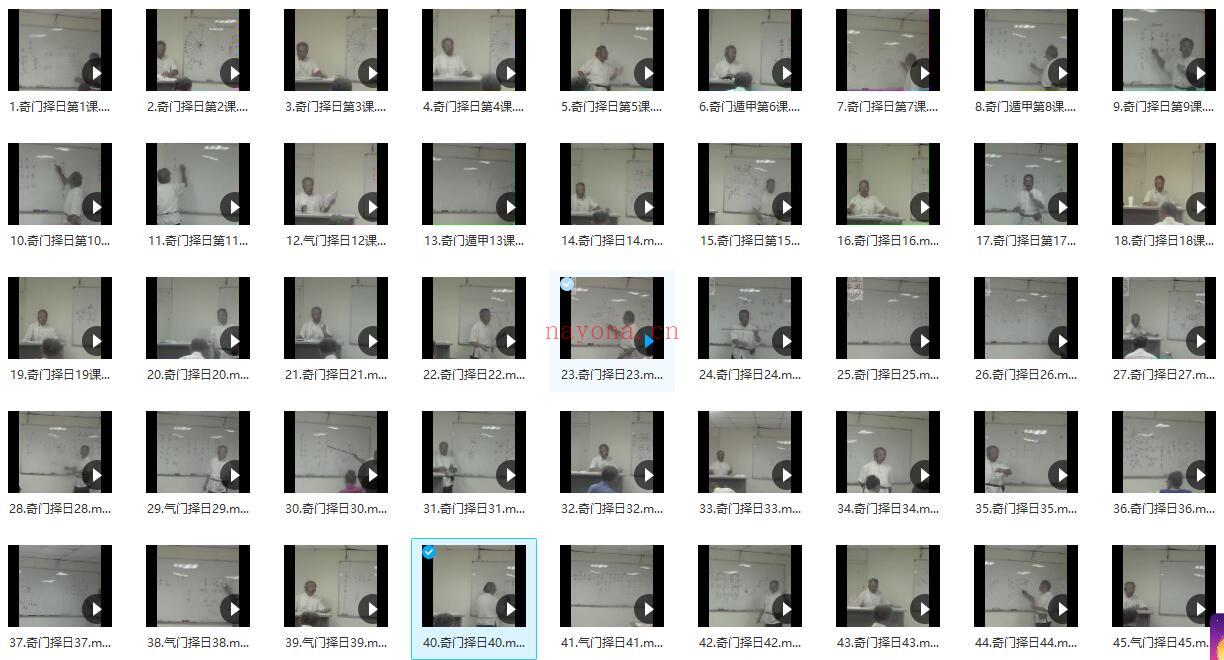
Table of contents screenshot
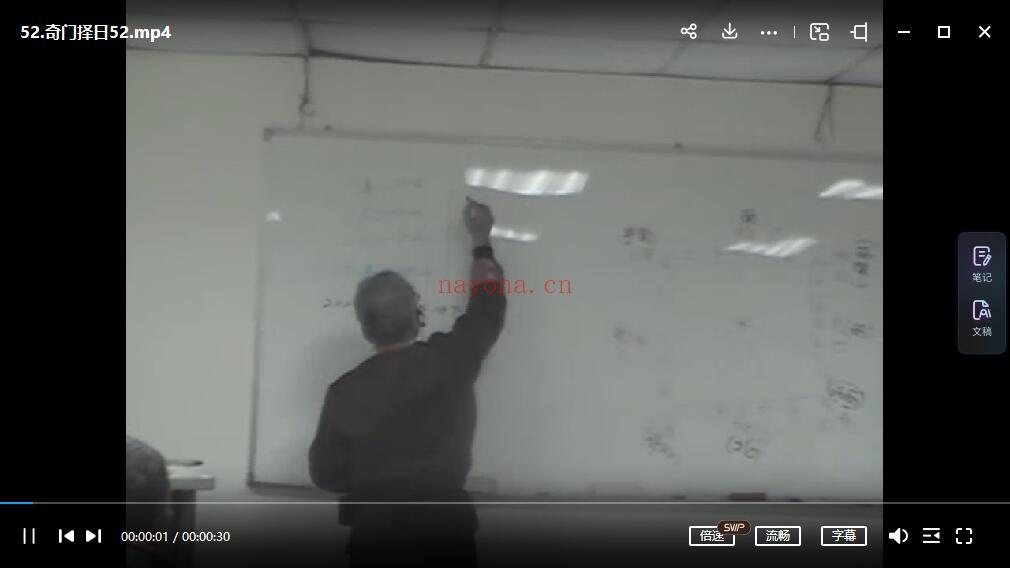
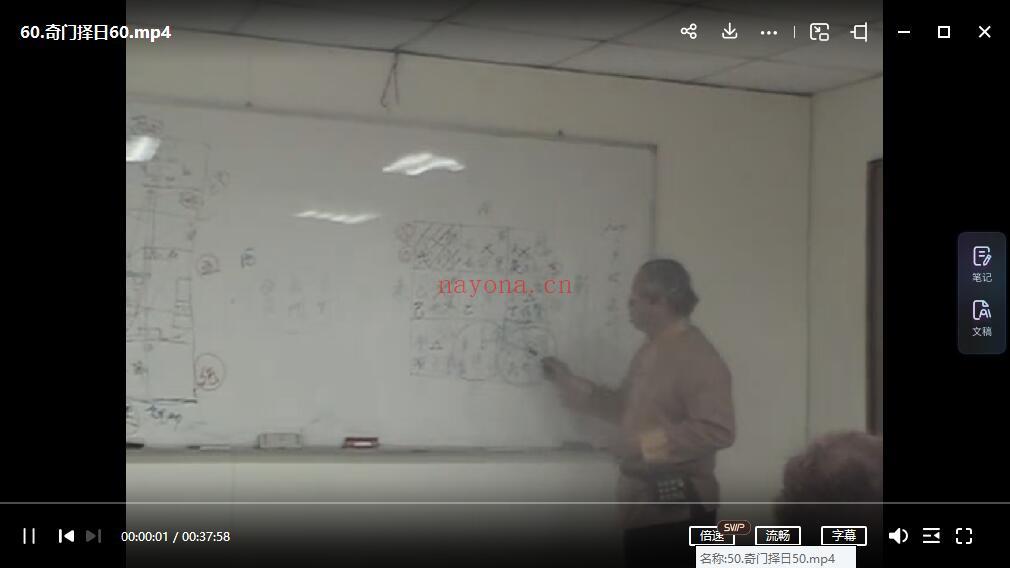
Video screenshot
Contact via WeChat if needed; contact via website pop-up if needed.
Various astrology, tarot, crystal, and magic materials available; professional consultation.
Original Course Material Images
The following images are retained from the original nayona.cn course record for material identification and reference.
Who This Resource Is For
This material is suitable for adult learners exploring Qi Men Dun Jia, Chinese divination, chart reading or traditional timing and strategy methods. Beginners should start with definitions and calculation rules before attempting interpretive exercises.
Learning Format and Digital Delivery
- Virtual digital resource; no physical shipment
- Course files and access instructions are supplied after purchase
- Lesson counts and file types follow the available source record
- Use the materials for personal study and reference
Source and Editorial Method
The curriculum facts and original material images are adapted from the source record at nayona.cn. Karma Kismet translated and reorganized the available information without inventing credentials, lesson counts or promised outcomes.
Frequently Asked Questions
Is this a physical product?
No. It is a virtual, downloadable educational resource.
Is Qi Men Dun Jia scientifically validated?
No. Qi Men Dun Jia is presented here as a symbolic and cultural interpretive tradition, not as scientific diagnosis or prediction.
Does this product include a personal consultation?
No, unless the product description explicitly states that a consultation is included.
Related Qi Men Dun Jia Courses and Guides
- Yi Zheng Qi Men Dun Jia 108-Lesson Complete Course
- Qian Xiaodao Qi Men Pattern Reading Course
- Zhu Yuanxi Nine Palaces Qi Men Course and Study Guide
- Taigong Qi Men 100 Divination Case Studies
- Shuimu Qinglong Professional Qi Men Training: 200 Lessons
Chen Youming's timing-focused source
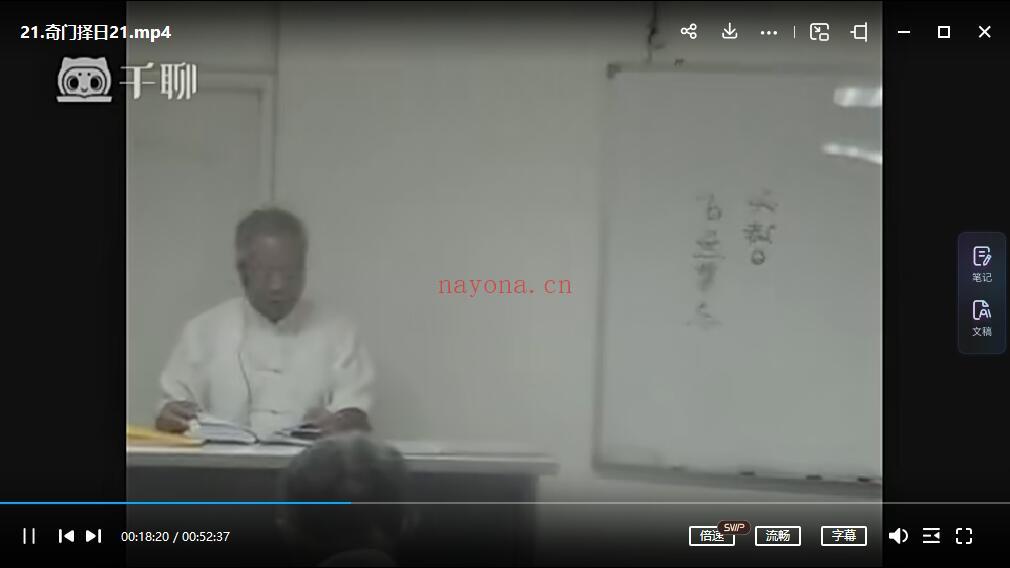
The original listing describes Chen Youming's in-person class material on Qi Men date selection and choosing auspicious times. It also notes an important presentation limitation: the video is described as blurry, while the sound is described as clear with a slight Taiwanese accent. These are source-reported characteristics, not an independent review of every file. They matter for learning because timing material may depend on chart notation that is harder to read in a blurred recording. The excerpt mentions contents and video screenshots but does not provide a lesson count or detailed topic inventory.
The timing category should therefore be approached with a practical note-taking plan. Listen for the convention and condition being explained, then check visible notation wherever it can be read. Do not infer a missing character simply because a familiar pattern would make the argument easier. If the image remains unclear, mark the uncertainty. A source can offer cultural study value while still having limitations in presentation. Honest acknowledgment of those limits is more useful than describing the recordings as high-definition or inventing supplementary transcripts that the listing does not establish.
Date selection begins with a clearly stated purpose
When the actual material discusses selecting a date, record the purpose as stated. A date chosen symbolically for one activity should not be treated as a universally favorable date for every activity. The question and the context are part of the argument. Keep them at the top of your study page along with any time reference supplied. This makes it easier to understand which chart features the teacher considers relevant. It also prevents a timing example from being detached and presented as a general calendar recommendation.
If a passage names an auspicious or inauspicious condition, preserve its qualifications. Those words belong to a traditional interpretive system rather than an independent guarantee of safety, success, or failure. A learner can examine why a condition is named that way without assuming it determines an event. Your notes should state that the source interprets a relationship in a particular context. This phrasing maintains accuracy and avoids converting a course about symbolic timing into a promise about what will happen on a chosen date.
Keep calendrical assumptions visible
Record the calculation conventions actually explained in the recordings. A time-based chart depends on how the date and hour are interpreted, and differing conventions can produce confusion when examples are compared across sources. If the material does not explain a convention clearly, note the gap. Do not silently supply a rule from another Qi Men course and then attribute the resulting chart to Chen Youming. A personal notebook can use outside background, but it should label that background so that the original explanation remains distinguishable.
The same care applies to local time or incomplete dates in examples. Copy the information available and preserve its precision. An example described only by a day should not acquire a specific hour in your summary without evidence. If you construct a personal practice example, label it as constructed and record your assumptions. This is a study exercise, not a case claimed to appear in the class. Keeping these boundaries visible prevents a polished-looking record from hiding information that was guessed rather than supplied.
Use audio clarity without neglecting visual uncertainty
The source's description of clear sound suggests that listening may help follow explanations even where images are difficult. However, sound does not necessarily resolve every chart symbol or layout. When a teacher refers to this position or that component, the meaning may depend on the screen. Make a timestamp note and revisit the image rather than completing the reference from memory. If the notation cannot be established, summarize only the part of the explanation you can follow and leave the unresolved component visibly marked.
An accent can affect comprehension differently for different learners. The listing's mention of a slight Taiwanese accent does not imply that an English translation or subtitle track is included. The English page explains the resource, while the material remains a Chinese-language learning source unless explicit documentation shows otherwise. If a technical phrase is difficult to hear, keep a question note instead of choosing an English interpretation that happens to fit the surrounding story. Accurate terminology is more important than making a first-pass summary read smoothly.
Compare symbolic selection with practical scheduling
A useful personal exercise is to keep two separate columns when studying a timing example. One records the traditional symbolic criteria the teacher discusses. The other records ordinary scheduling constraints actually mentioned, if any. Do not invent logistical details absent from the case. This separation makes it clear that symbolic selection does not establish availability, legal deadlines, weather, health, or another person's consent. Those practical facts need their own information. A timing course can be studied culturally without allowing its framework to displace them.
For your own reflection, you can ask what a symbolic timing preference means to you while recognizing that it remains a preference. It should not delay urgent care, override a contractual deadline, or serve as proof that a risky decision is safe. These are practical boundaries around the topic, not claims about specific lessons in the source. They help keep the English explanation proportionate to the evidence and make it possible to appreciate a traditional date-selection framework without promising measurable improvements in outcomes.
Read cases for the reasoning they provide
When a case appears, record the date or interval, the stated purpose, the symbolic criteria, and the conclusion attributed to the teacher. Then note whether the outcome was already known in the presentation. A retrospective explanation is different from a forecast documented before an event. This distinction helps you understand what the case demonstrates. Do not add a successful result, precise timeline, or personal story to make the example more persuasive. The study record should preserve the material's evidence rather than improve it with invented details.
Ask whether the teacher compares alternatives and explains why one is selected. If alternatives are not shown, do not manufacture them and attribute the comparison to the course. You may create a separate practice comparison for learning, but it should remain labeled as yours. The purpose is to understand selection reasoning, not to imply that every symbolic preference has been proven superior. A clear account of conditions and uncertainty offers more educational value than a list of apparently lucky dates without the context that gave them meaning.
Build an index despite the sparse directory
The supplied text does not reproduce readable lesson names, so create an index from the actual files and explanations you encounter. Preserve original filenames, add verified topic notes, and record timestamps for passages needing review. Where a chart image is too blurred to read, mark that limitation beside the reference. This gives the source a useful study structure without inventing a formal syllabus. It also makes your notes more reliable when an audio explanation can be followed but its visual evidence cannot be checked fully.
An appropriate learning outcome is understanding how this source frames Qi Men date selection, what assumptions its examples use, and which parts of the presentation remain uncertain. The original description supports the timing emphasis and its reported audiovisual limitations. The actual recordings must support detailed claims about method. Read with consistent terms, retained conditions, and honest references, and keep symbolic timing separate from guarantees about events or practical decisions that require direct evidence and ordinary judgment.