
Study Shang Han Lun interpretation, classical formula reasoning and recorded case discussions through a 268-lesson video and document collection.
Course Overview
This English course page organizes a substantial recorded curriculum for adult learners who want a structured introduction to the subject. The source directory, lesson count and supplied visual materials were reviewed before publication so that the listing describes the actual learning package rather than a generic topic page.
The course preserves traditional Chinese terminology while explaining the learning path in clear English. Historical theories are presented as cultural and educational material. They should not be read as promises of medical benefit or as instructions for diagnosis or self-treatment.
What You Will Learn
- Shang Han Lun passages and classical formula structure
- Traditional pattern differentiation and formula comparison
- Recorded lectures on difficult and chronic case discussions
- Formula selection reasoning in historical TCM education
- Supporting documents for review and reference
Course Contents
The supplied collection contains a detailed sequence of recorded lessons and supporting materials. Its directory is arranged around the following study areas:
- Shang Han Lun passages and classical formula structure. Lessons introduce the vocabulary, demonstrations and review material associated with this part of the curriculum.
- Traditional pattern differentiation and formula comparison. Lessons introduce the vocabulary, demonstrations and review material associated with this part of the curriculum.
- Recorded lectures on difficult and chronic case discussions. Lessons introduce the vocabulary, demonstrations and review material associated with this part of the curriculum.
- Formula selection reasoning in historical TCM education. Lessons introduce the vocabulary, demonstrations and review material associated with this part of the curriculum.
- Supporting documents for review and reference. Lessons introduce the vocabulary, demonstrations and review material associated with this part of the curriculum.
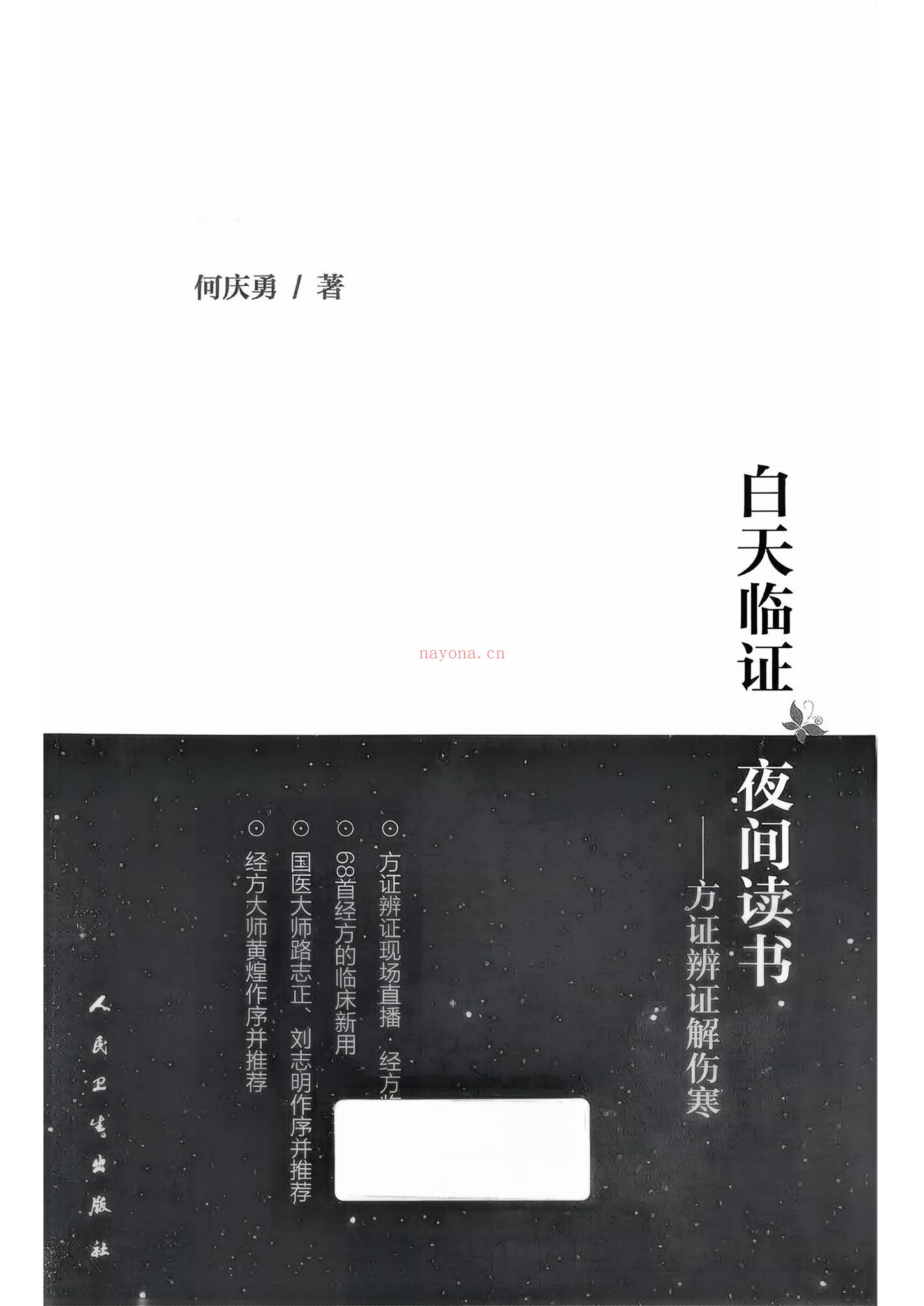
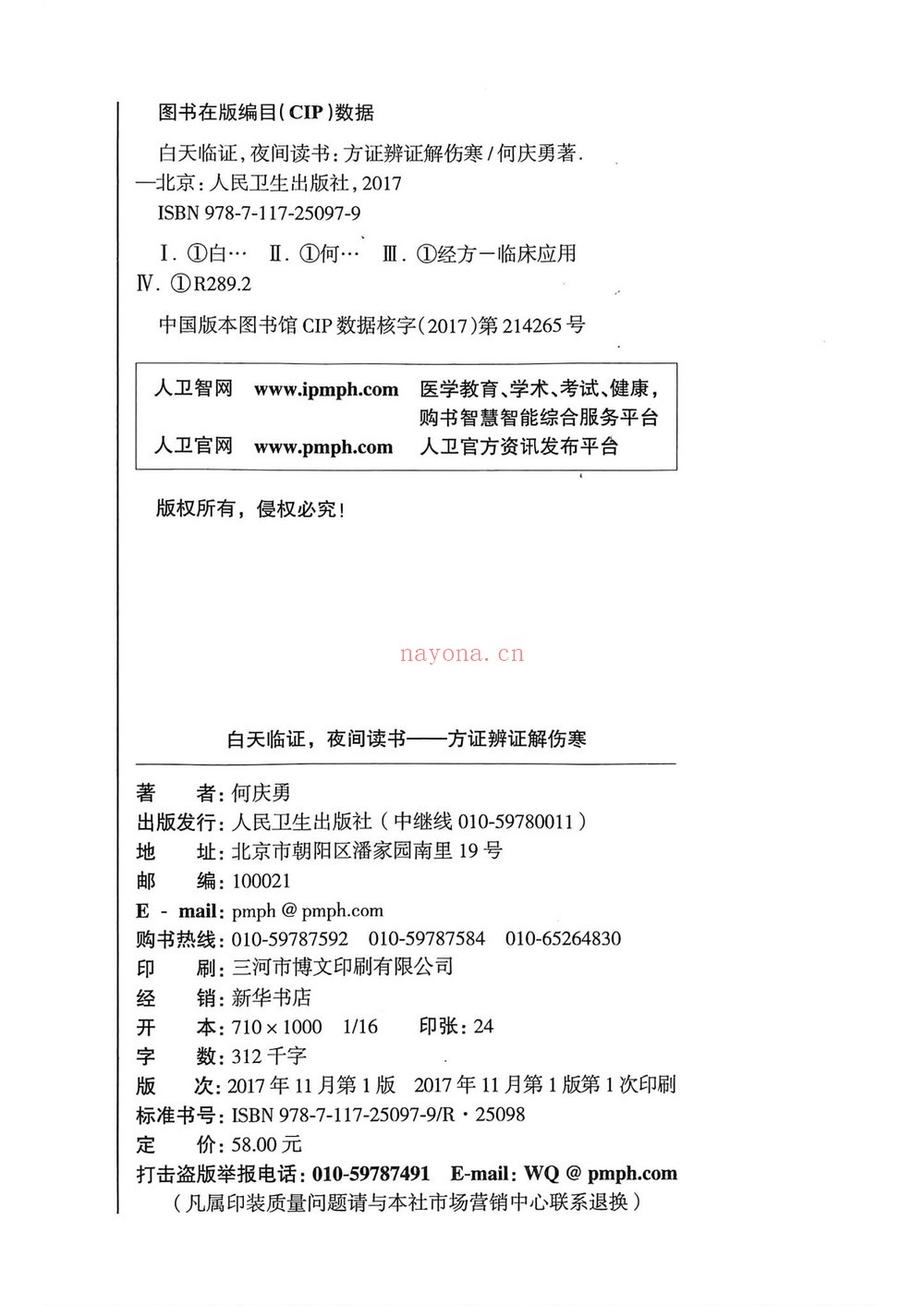
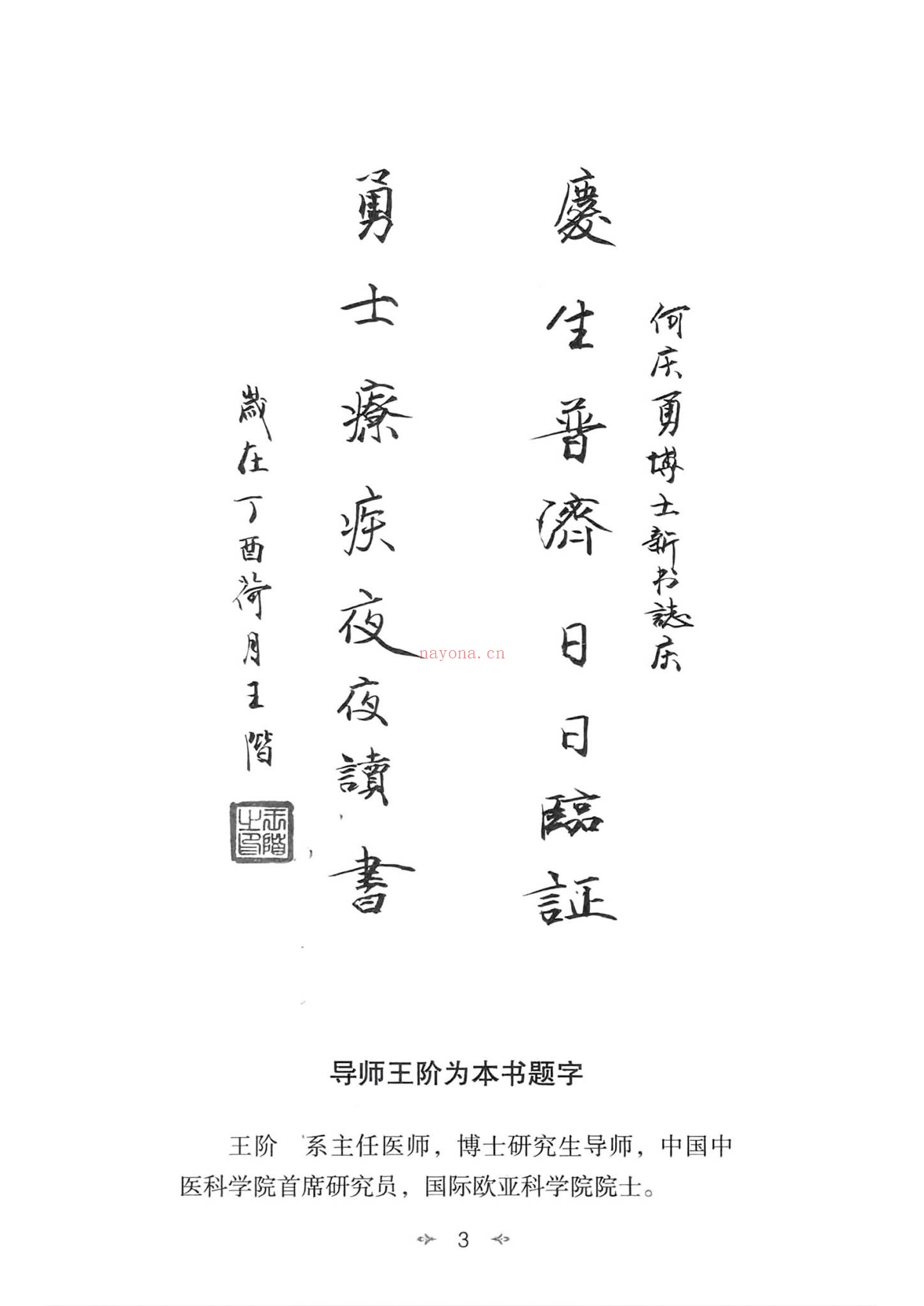
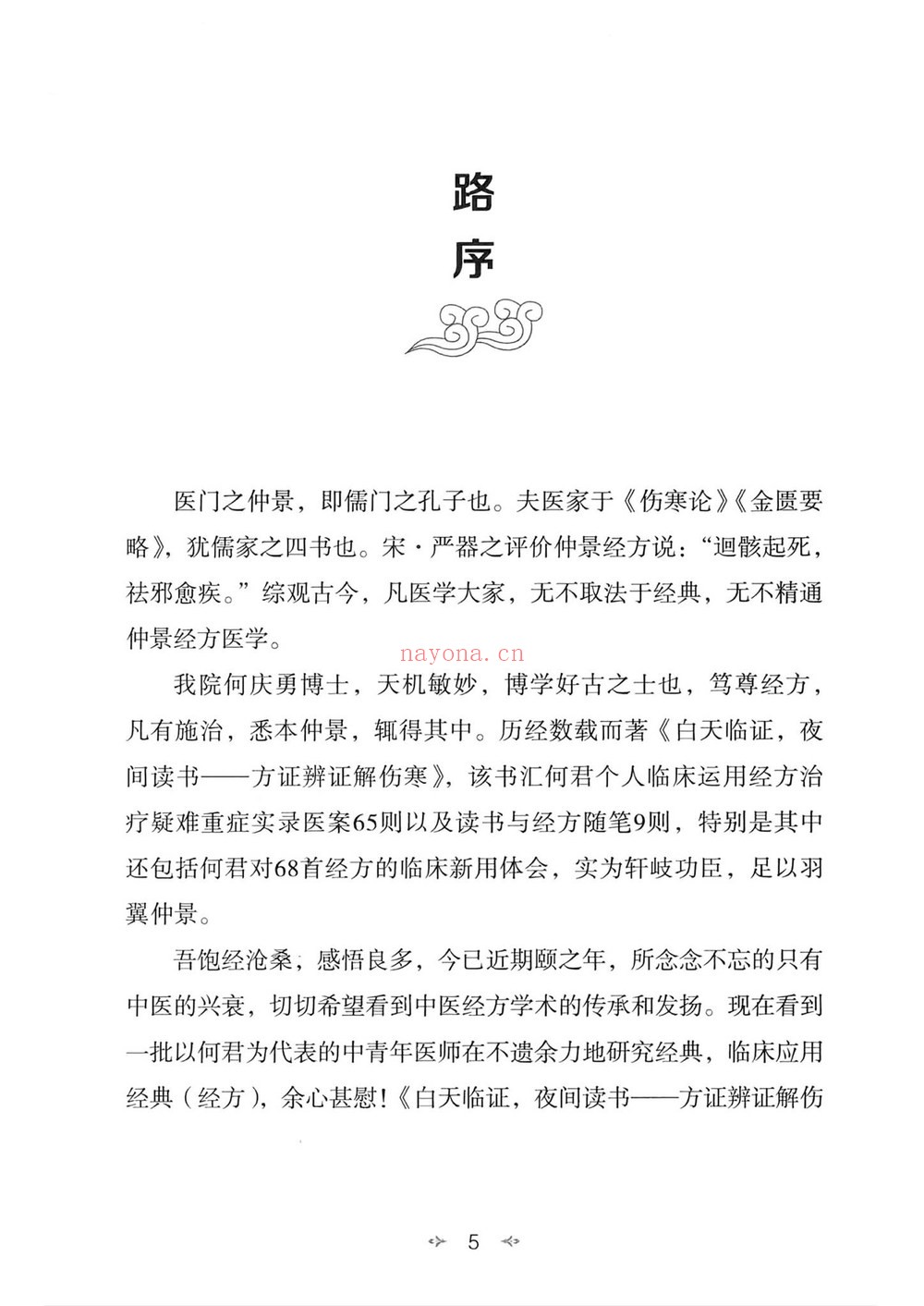
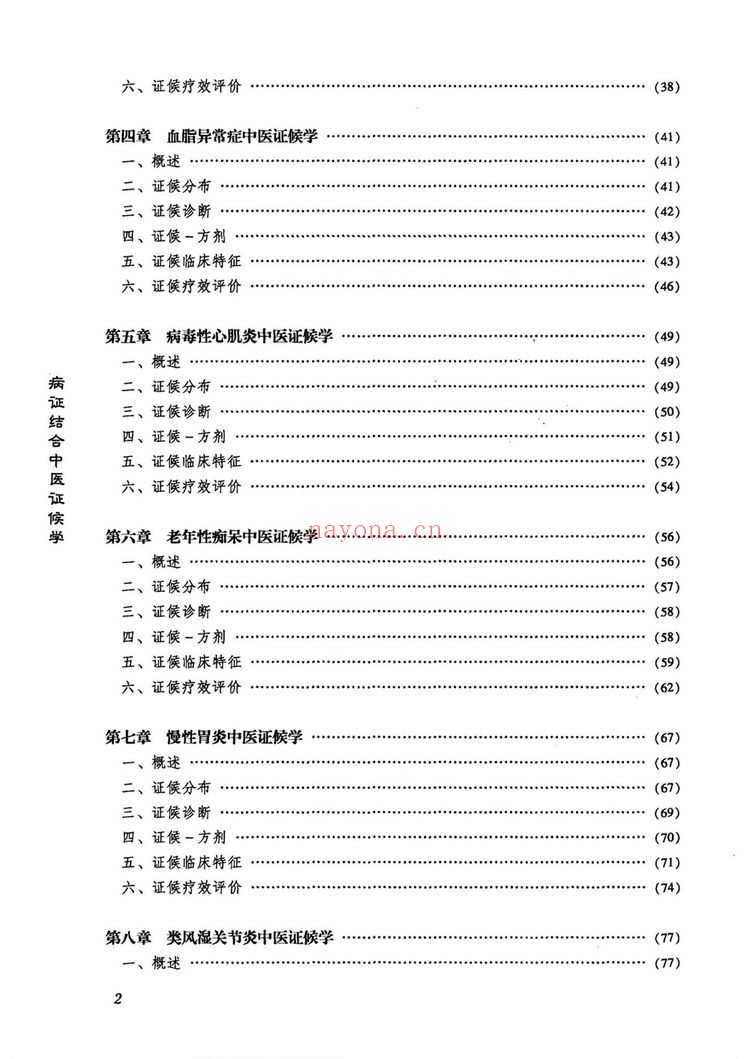
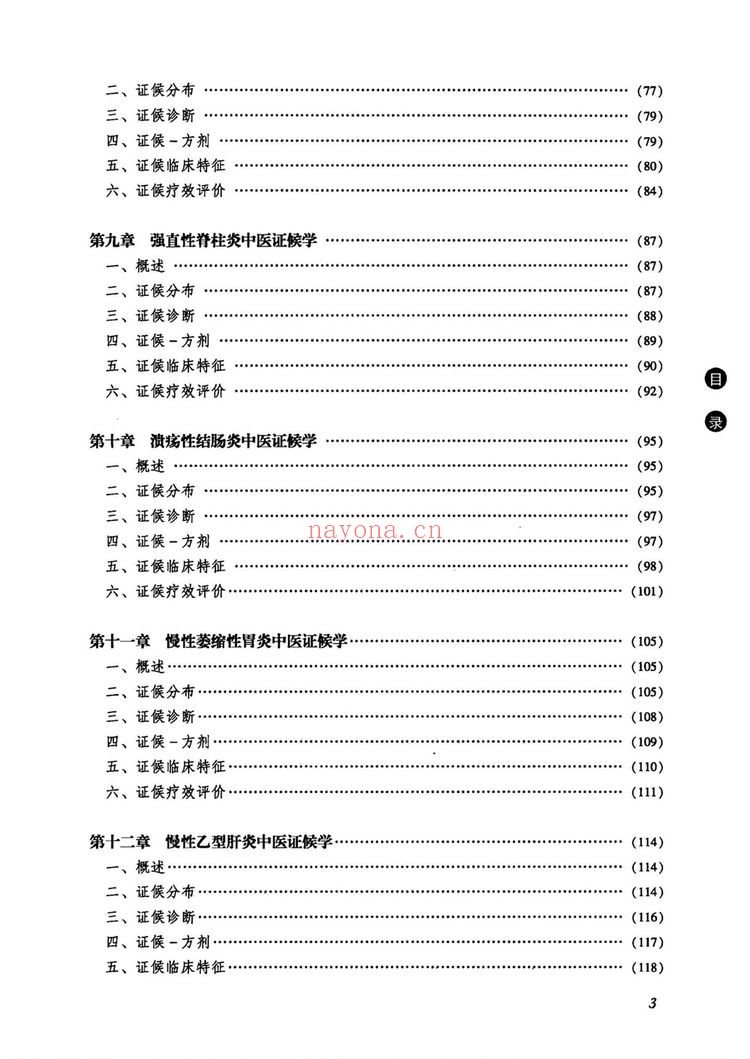
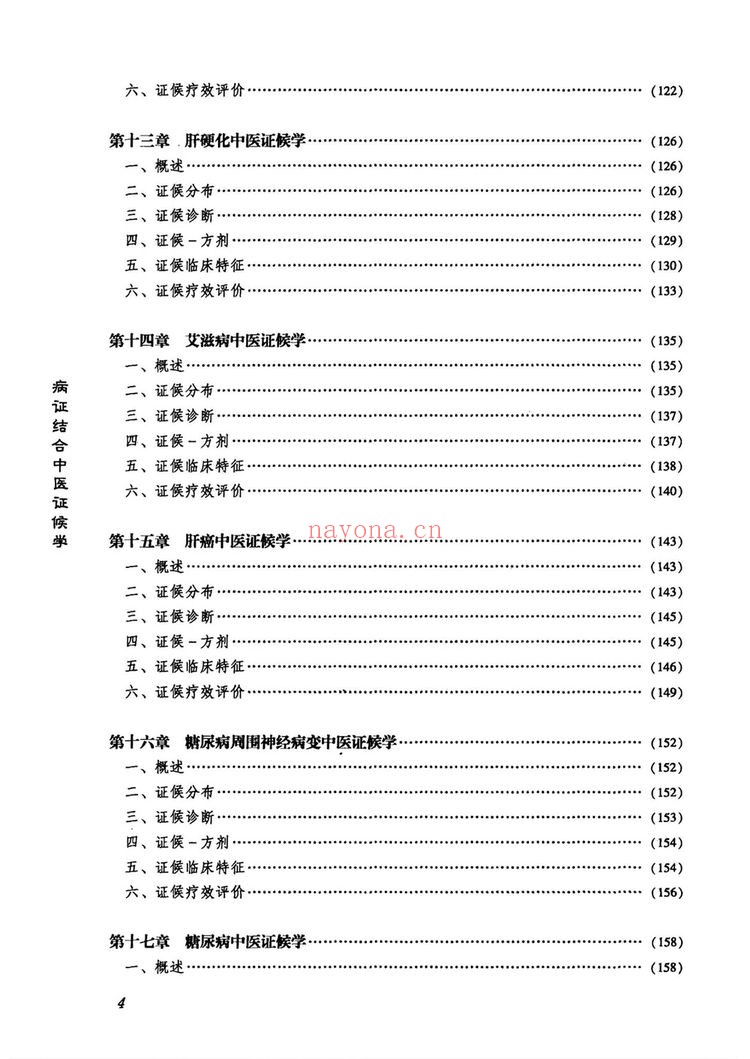
Source-material depth: the reviewed course listing contains approximately 12,624 Chinese characters of directory and descriptive material, with 12 distinct preview images.
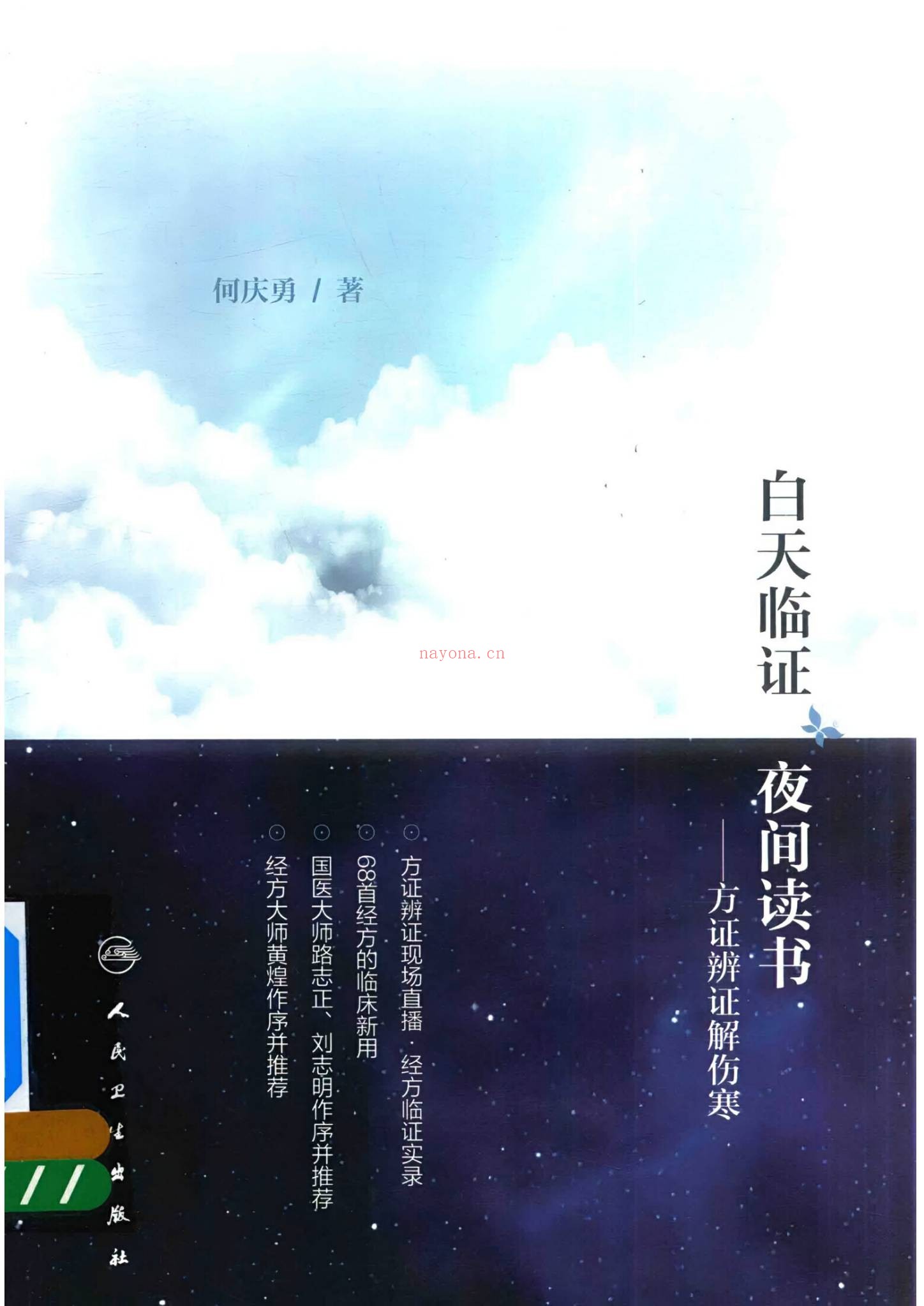
Original Course Preview Images
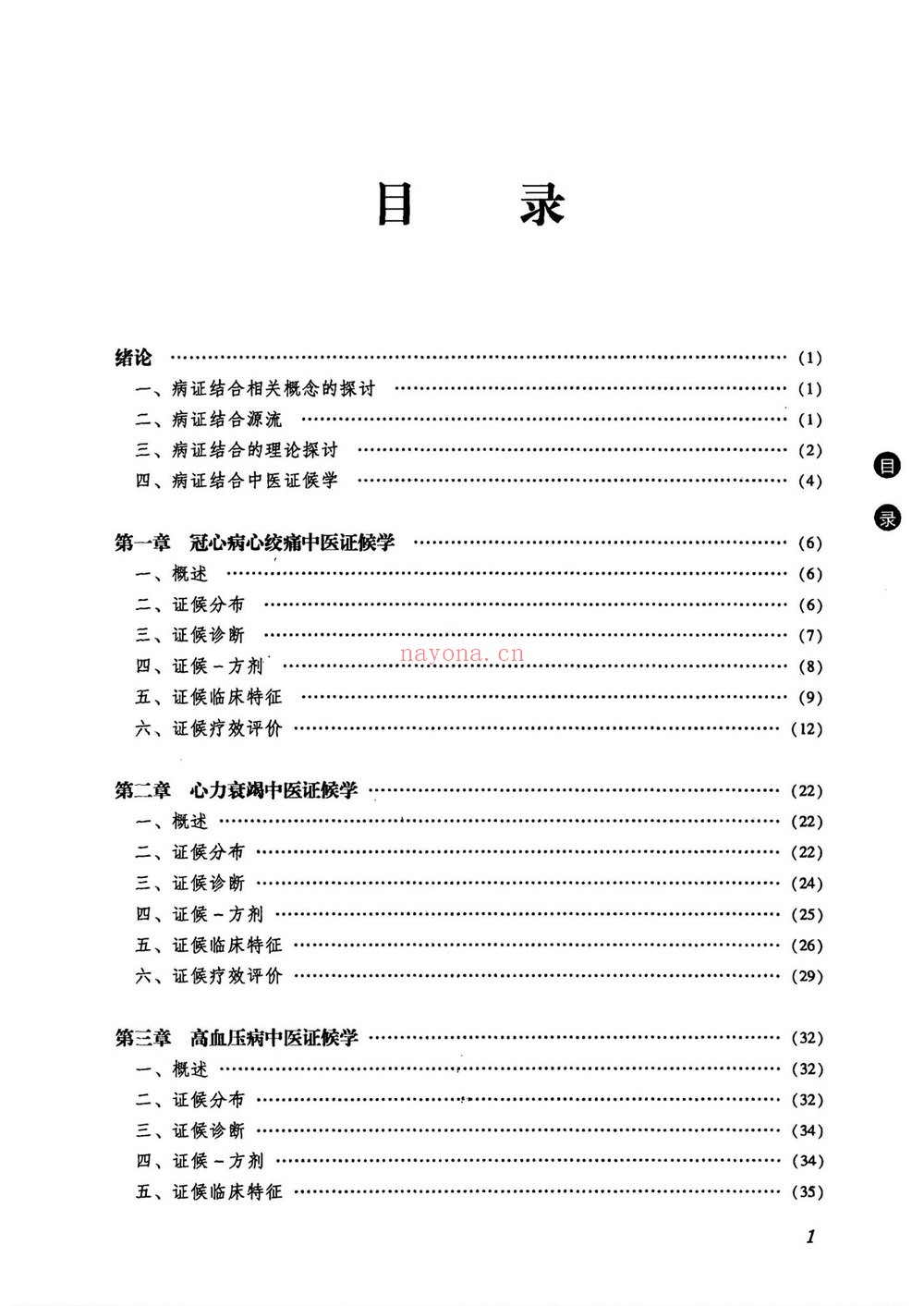
The following supplied images are retained as visual references to the course package.
Who This Course Is For
- Adult learners studying Traditional Chinese Medicine or Daoist wellness history
- Students who prefer a lesson-based digital curriculum with visual reference material
- Researchers comparing terminology, teaching systems and historical practice
- Practitioners seeking continuing cultural education within their lawful scope of practice
Learning Format and Digital Delivery
This is a virtual, downloadable educational product with no physical shipment. The package is organized around recorded video, audio, documents or illustrated reference files according to the supplied course directory. Access details are managed through the product delivery setup.
How to Study This Material
Begin with the foundational terminology, keep a glossary of unfamiliar Chinese concepts, and use the directory to track completed lessons. Pause demonstrations for note-taking and compare related modules before moving to advanced case discussions. Where a lesson describes a health-related technique, treat it as historical or professional education rather than personal medical advice.
Frequently Asked Questions
Is this course presented in English?
This sales and study guide is written in English. The underlying recorded material may contain Chinese-language teaching, so learners should review the product description and curriculum before purchase.
Is this a physical product?
No. It is a virtual and downloadable course product; nothing is shipped.
Does this qualify me to diagnose or treat patients?
No. A digital course does not replace accredited clinical education, supervised practice, professional licensing or individualized medical care.
Can beginners use it?
Motivated beginners can use the overview and foundational lessons, while advanced modules are better suited to learners who already understand basic TCM or Daoist vocabulary.
Related Courses
- Chinese Materia Medica Course: 100 Common Herbs in 153 Video Lessons
- Zhang Yunfei Traditional Chinese Medicine Course Collection – 10 Programs
Browse the complete TCM Courses collection or contact Karma Kismet with a course question.
Editorial and Safety Note
Karma Kismet translated, organized and expanded the supplied curriculum description for English-speaking learners. Traditional claims are identified as subjects of study, not guaranteed outcomes. Do not use this material to delay professional care. Acupuncture, moxibustion, scraping, cupping, herbs and intimate wellness practices can carry risks and may be regulated; consult an appropriately licensed professional and follow local law.
Disclaimer
For adult cultural and educational study only. This product does not diagnose, treat, cure or prevent disease and does not replace medical, psychological, legal or professional advice.
Reading Classical Formula Reasoning Closely
The 268-lesson collection centers on interpretation of the Shang Han Lun, relationships between classical formulas and traditional patterns, and recorded case discussions. Its length makes selective study more useful than simply playing every recording in order. A reader can choose one passage or formula question, follow how it is discussed across lessons, and then return to the underlying wording. This approach keeps a lecturer’s interpretation distinct from the classical text and from a modern clinical decision.
Start With the Passage, Then the Commentary
When a lesson refers to a Shang Han Lun passage, write down the wording or passage reference if it is available in the supplied material. Summarize the lecturer’s reading in your own words. Ask which terms carry the argument: a description of symptoms, a sequence of change, a pattern name, or a relation between formulas. A translation may make an ambiguous term appear settled, so retain the Chinese where possible and note alternative readings instead of forcing an early answer.
The source description also connects the collection with the Jin Gui Yao Lue and with discussion of formula quantities, ingredient combinations, preparation, and case records. These are suitable topics for textual comparison. They are not a basis for preparing or taking a formula. A recorded explanation cannot account for a person’s medical history, current medicines, allergies, or the quality and identity of ingredients.
What Does a Formula Comparison Actually Compare?
Two formulas can look similar by name or by shared ingredients while serving different roles in a traditional argument. In your notes, compare the features the lecturer emphasizes, the pattern each formula is said to address, and the reasons given for distinguishing them. Record uncertainty openly. The useful question is not merely which formula was chosen, but how the choice was justified within that teaching framework and what information the explanation requires.
A case discussion adds another layer. Separate the reported signs from the teacher’s interpretation, the proposed formula, and the reported result. If the recording omits a timeline, prior treatments, or independent follow-up, mark those omissions. A compelling story may illustrate a line of thought, but it cannot establish general effectiveness. This habit allows you to learn from the structure of a case without treating it as proof.
Use the Scale of the Collection Carefully
With 268 lessons, it helps to work in small thematic groups. Choose a classical passage, a formula pair, or one kind of reasoning question and review several related recordings. After each group, produce a short page containing key terms, disagreements you noticed, and a question to bring to a reputable reference or qualified instructor. Revisit earlier notes after encountering a different use of the same term. The collection’s supporting documents can be used to check spellings and organize references, subject to what the actual files contain.
- Identify the text or formula under discussion.
- State the lecturer’s argument without turning it into personal advice.
- Mark which details come from a classical source, which come from commentary, and which come from a modern case.
- Look for an alternative interpretation or a missing piece of context.
- Write a brief explanation that another student could question and verify.
This method may suit students who already know basic traditional terminology, readers of Chinese medical history, and practitioners studying intellectual approaches within their professional scope. Newcomers can participate by focusing first on the language of passages and the shape of an argument. They need not master the entire archive before gaining insight from a carefully chosen group of lessons.
Questions for a Shang Han Lun Learner
Must I finish all 268 lessons to understand a formula comparison?
No. A focused comparison can begin with a small related set. The full collection offers additional context, but a clear question and careful notes matter more than a fast completion schedule.
Does a historical formula name identify a safe remedy?
No. A name identifies a subject for study. Actual use raises questions of diagnosis, ingredients, preparation, interactions, and professional oversight that a course page cannot resolve.
How do the case recordings help if they are not clinical proof?
They show how a presenter connects observations with a classical interpretation. You can evaluate that reasoning, identify what was left unstated, and compare it with other accounts without assuming the same reasoning fits a different person.
What if a translation differs from the lecturer’s reading?
Keep both readings visible, return to the Chinese wording where possible, and investigate the term’s context. The disagreement may reveal a genuine interpretive choice rather than a simple mistake.