A broad home-learning collection covering Gua Sha, cupping, moxibustion, meridian study, ear-point methods and traditional wellness routines.
Course Overview
This English course page organizes a substantial recorded curriculum for adult learners who want a structured introduction to the subject. The source directory, lesson count and supplied visual materials were reviewed before publication so that the listing describes the actual learning package rather than a generic topic page.
The course preserves traditional Chinese terminology while explaining the learning path in clear English. Historical theories are presented as cultural and educational material. They should not be read as promises of medical benefit or as instructions for diagnosis or self-treatment.
What You Will Learn
- Gua Sha and cupping foundations
- Moxibustion and meridian-study modules
- Ear-point and tongue-observation lessons
- Traditional women's wellness and family-care topics
- Guided exercises and recorded home-learning sessions
Course Contents
The supplied collection contains a detailed sequence of recorded lessons and supporting materials. Its directory is arranged around the following study areas:
- Gua Sha and cupping foundations. Lessons introduce the vocabulary, demonstrations and review material associated with this part of the curriculum.
- Moxibustion and meridian-study modules. Lessons introduce the vocabulary, demonstrations and review material associated with this part of the curriculum.
- Ear-point and tongue-observation lessons. Lessons introduce the vocabulary, demonstrations and review material associated with this part of the curriculum.
- Traditional women's wellness and family-care topics. Lessons introduce the vocabulary, demonstrations and review material associated with this part of the curriculum.
- Guided exercises and recorded home-learning sessions. Lessons introduce the vocabulary, demonstrations and review material associated with this part of the curriculum.
Source-material depth: the reviewed course listing contains approximately 8,070 Chinese characters of directory and descriptive material, with 2 distinct preview images.
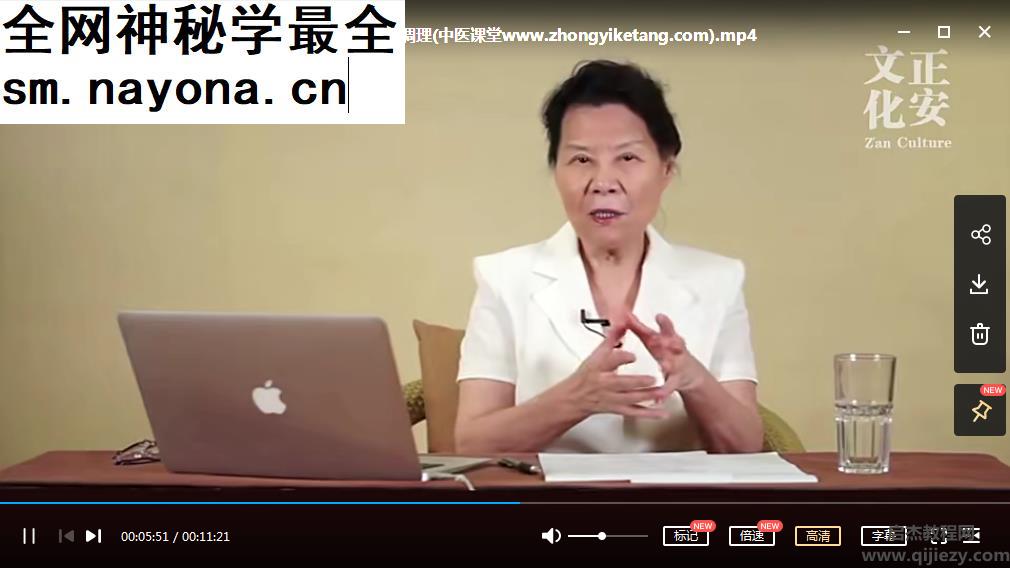
Original Course Preview Images
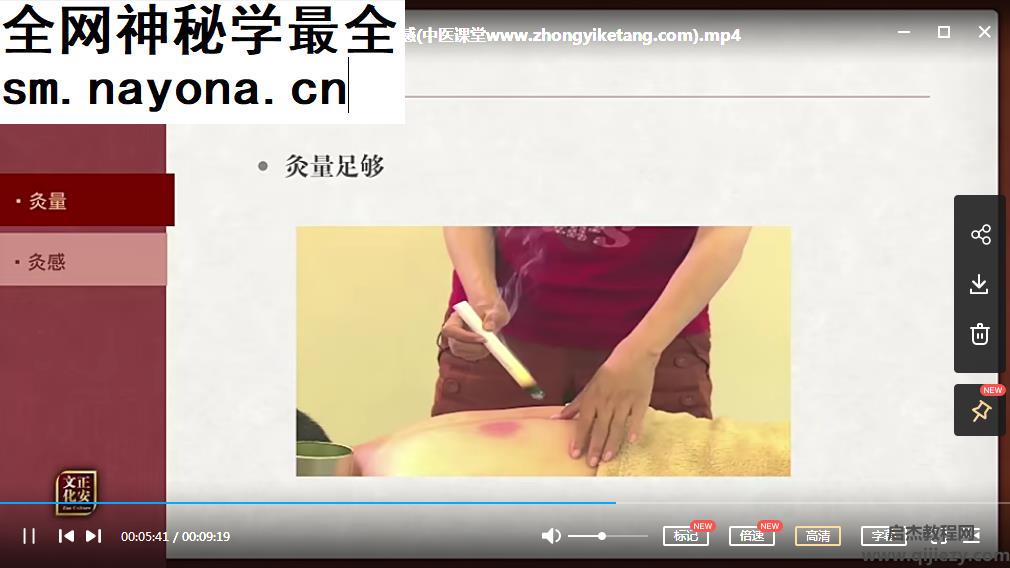
The following supplied images are retained as visual references to the course package.
Who This Course Is For
- Adult learners studying Traditional Chinese Medicine or Daoist wellness history
- Students who prefer a lesson-based digital curriculum with visual reference material
- Researchers comparing terminology, teaching systems and historical practice
- Practitioners seeking continuing cultural education within their lawful scope of practice
Learning Format and Digital Delivery
This is a virtual, downloadable educational product with no physical shipment. The package is organized around recorded video, audio, documents or illustrated reference files according to the supplied course directory. Access details are managed through the product delivery setup.
How to Study This Material
Begin with the foundational terminology, keep a glossary of unfamiliar Chinese concepts, and use the directory to track completed lessons. Pause demonstrations for note-taking and compare related modules before moving to advanced case discussions. Where a lesson describes a health-related technique, treat it as historical or professional education rather than personal medical advice.
Frequently Asked Questions
Is this course presented in English?
This sales and study guide is written in English. The underlying recorded material may contain Chinese-language teaching, so learners should review the product description and curriculum before purchase.
Is this a physical product?
No. It is a virtual and downloadable course product; nothing is shipped.
Does this qualify me to diagnose or treat patients?
No. A digital course does not replace accredited clinical education, supervised practice, professional licensing or individualized medical care.
Can beginners use it?
Motivated beginners can use the overview and foundational lessons, while advanced modules are better suited to learners who already understand basic TCM or Daoist vocabulary.
Related Courses
- Zhang Xiuqin Holographic Gua Sha Course Collection – 245 Lessons
- Practical Gua Sha Workshop Course – 144 Video Lessons
Browse the complete Gua Sha & Cupping Courses collection or contact Karma Kismet with a course question.
Editorial and Safety Note
Karma Kismet translated, organized and expanded the supplied curriculum description for English-speaking learners. Traditional claims are identified as subjects of study, not guaranteed outcomes. Do not use this material to delay professional care. Acupuncture, moxibustion, scraping, cupping, herbs and intimate wellness practices can carry risks and may be regulated; consult an appropriately licensed professional and follow local law.
Disclaimer
For adult cultural and educational study only. This product does not diagnose, treat, cure or prevent disease and does not replace medical, psychological, legal or professional advice.
Making sense of a broad home wellness collection
This collection brings together several traditional Chinese medicine subjects associated with home wellness: Gua Sha, cupping, moxibustion, meridian study, ear-point ideas and guided movement. The source directory also lists tongue observation, massage and discussions of common family-care concerns. The breadth can be valuable for learning how these topics are described in one educational setting. It also makes it essential to separate general cultural study from decisions about anyone’s health.
Each subject asks a different question. Meridian lessons introduce a traditional map and vocabulary. Tongue and ear-point segments describe ways that observations have been interpreted within particular traditions. Guided movement concerns attention to posture and motion. Gua Sha, cupping and moxibustion involve physical contact, suction or heat. Treating all of these as a single household routine would hide their different assumptions and risks.
Read health claims with care
The source directory includes lessons named for symptoms, chronic conditions and urgent situations. Those names identify discussion topics; they do not show that a home technique is suitable or effective for any individual. A lesson about an emergency is especially unsuitable as a substitute for prompt professional help. If someone has severe, sudden or concerning symptoms, seek appropriate medical care rather than searching the collection for a matching title.
Traditional language about body patterns can be studied without using it as a diagnosis. For example, a tongue-observation lesson may teach the terms its presenter uses, but an image or self-observation cannot account for a person’s history, medications or other relevant factors. Likewise, an ear-point chart explains a system of associations; it does not establish that pressing a particular area will address a health problem.
Choose a safe learning path
- Begin with the conceptual sections. Make separate glossary pages for meridians, guided movement, Gua Sha, cupping, moxibustion and ear-point terminology.
- For each lesson, write its purpose in one sentence. Is it explaining a traditional concept, showing an exercise, describing an assessment idea or discussing a claimed application?
- Study guided-movement explanations as descriptions of a movement tradition. Notice whether the recording provides enough context to understand a posture, and stop any activity that causes discomfort.
- When the course turns to tools, heat or skin contact, focus on the presenter’s cautions and on the limits of what a recording can communicate. Do not translate a demonstration into an unsupervised procedure.
- Set aside symptom-based recordings for critical reading. Identify the claim, what evidence is offered and what individual information is absent.
A topic notebook can prevent the collection’s range from becoming confusing. One page might compare how two lessons use the word “meridian”; another might track whether an ear-point discussion makes a cultural, observational or therapeutic claim. This is more informative than moving from a tongue lesson to cupping and assuming the two are parts of a single assessment. The collection can support learning about a set of traditions while leaving questions about efficacy and personal suitability open.
Who may benefit from studying it
Adults curious about how home wellness is framed in Traditional Chinese Medicine may appreciate the variety of subjects. Learners comparing traditional concepts across movement, observation and hands-on methods can use the directory to organize a broad survey. It may also help a reader prepare informed questions for a qualified practitioner. It is not a home medical manual, a way to assess a family member’s condition or a replacement for first-aid training.
Heat from moxibustion can burn, cupping can injure skin and Gua Sha can cause irritation or bruising. Personal health factors matter, and a video cannot assess them. Do not perform these methods on another person based on a recording. For health concerns, rely on qualified individual care; for any hands-on practice, seek appropriate training and follow applicable local requirements.
Questions about this home wellness collection
Does “home” mean every method is safe to try without supervision?
No. The title describes the collection’s home-learning context. It does not establish that its physical techniques are appropriate for unsupervised use.
Can a tongue or ear-point lesson tell me what is wrong?
No. These lessons present traditional ways of discussing observations. They cannot supply an individual diagnosis, particularly without a full assessment.
How should I approach lessons about family illness or emergencies?
Study them as examples of the source’s teaching and check claims against reliable professional guidance. For an urgent concern, obtain appropriate help promptly.
Why keep separate notes for Gua Sha, cupping and moxibustion?
They use different forms of contact and carry different practical risks. Separate notes make their concepts and cautions easier to understand without blending them into one assumed routine.