A large recorded collection on traditional acupuncture frameworks, point-selection systems, moxibustion concepts and hands-on classroom demonstrations.
Course Overview
This English course page organizes a substantial recorded curriculum for adult learners who want a structured introduction to the subject. The source directory, lesson count and supplied visual materials were reviewed before publication so that the listing describes the actual learning package rather than a generic topic page.
The course preserves traditional Chinese terminology while explaining the learning path in clear English. Historical theories are presented as cultural and educational material. They should not be read as promises of medical benefit or as instructions for diagnosis or self-treatment.
What You Will Learn
- Needling mindset, preparation and traditional diagnostic ideas
- Recorded acupuncture and spinal-method classroom sessions
- Traditional point-selection systems and abdominal methods
- Moxibustion, meridian examination and manual demonstrations
- Case-led review of shoulders, back, joints and mobility topics
Course Contents
The supplied collection contains a detailed sequence of recorded lessons and supporting materials. Its directory is arranged around the following study areas:
- Needling mindset, preparation and traditional diagnostic ideas. Lessons introduce the vocabulary, demonstrations and review material associated with this part of the curriculum.
- Recorded acupuncture and spinal-method classroom sessions. Lessons introduce the vocabulary, demonstrations and review material associated with this part of the curriculum.
- Traditional point-selection systems and abdominal methods. Lessons introduce the vocabulary, demonstrations and review material associated with this part of the curriculum.
- Moxibustion, meridian examination and manual demonstrations. Lessons introduce the vocabulary, demonstrations and review material associated with this part of the curriculum.
- Case-led review of shoulders, back, joints and mobility topics. Lessons introduce the vocabulary, demonstrations and review material associated with this part of the curriculum.
Source-material depth: the reviewed course listing contains approximately 8,060 Chinese characters of directory and descriptive material, with 2 distinct preview images.
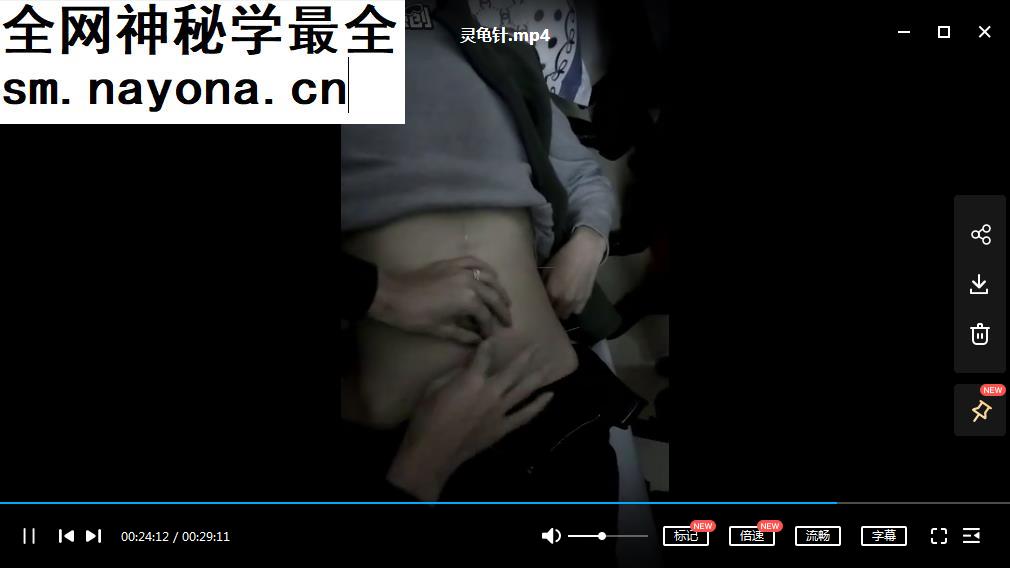
Original Course Preview Images
The following supplied images are retained as visual references to the course package.

Who This Course Is For
- Adult learners studying Traditional Chinese Medicine or Daoist wellness history
- Students who prefer a lesson-based digital curriculum with visual reference material
- Researchers comparing terminology, teaching systems and historical practice
- Practitioners seeking continuing cultural education within their lawful scope of practice
Learning Format and Digital Delivery
This is a virtual, downloadable educational product with no physical shipment. The package is organized around recorded video, audio, documents or illustrated reference files according to the supplied course directory. Access details are managed through the product delivery setup.
How to Study This Material
Begin with the foundational terminology, keep a glossary of unfamiliar Chinese concepts, and use the directory to track completed lessons. Pause demonstrations for note-taking and compare related modules before moving to advanced case discussions. Where a lesson describes a health-related technique, treat it as historical or professional education rather than personal medical advice.
Frequently Asked Questions
Is this course presented in English?
This sales and study guide is written in English. The underlying recorded material may contain Chinese-language teaching, so learners should review the product description and curriculum before purchase.
Is this a physical product?
No. It is a virtual and downloadable course product; nothing is shipped.
Does this qualify me to diagnose or treat patients?
No. A digital course does not replace accredited clinical education, supervised practice, professional licensing or individualized medical care.
Can beginners use it?
Motivated beginners can use the overview and foundational lessons, while advanced modules are better suited to learners who already understand basic TCM or Daoist vocabulary.
Related Courses
- Chang'an School Acupuncture and Intradermal Needle Course – 159 Lessons
- Juling Acupuncture Foundation to Advanced Course – 203 Lessons
Browse the complete Acupuncture & Moxibustion Courses collection or contact Karma Kismet with a course question.
Editorial and Safety Note
Karma Kismet translated, organized and expanded the supplied curriculum description for English-speaking learners. Traditional claims are identified as subjects of study, not guaranteed outcomes. Do not use this material to delay professional care. Acupuncture, moxibustion, scraping, cupping, herbs and intimate wellness practices can carry risks and may be regulated; consult an appropriately licensed professional and follow local law.
Disclaimer
For adult cultural and educational study only. This product does not diagnose, treat, cure or prevent disease and does not replace medical, psychological, legal or professional advice.
Reading a collection of methods as a whole
This collection brings together several strands of Zhang Zesen’s recorded teaching: acupuncture frameworks, named point-selection systems, moxibustion concepts, spinal-method classes and classroom demonstrations. Its breadth makes comparison a useful way to study it. A learner can ask how a method defines its points, what explanation accompanies a demonstration and where its terminology differs from that of another recorded session. The names of methods identify subjects in the collection; they do not establish that a claimed effect has been demonstrated.
Keep distinct ideas distinct
The source directory includes titles referring to abdominal methods, meridian examination, spinal work and named needling approaches. These should not be treated as one interchangeable procedure. A point-selection framework is a way of organizing traditional reasoning. A classroom demonstration shows how a presenter discusses or performs an action. A case discussion describes an interpretation of a particular situation. Keeping those forms separate helps the learner understand what each recording can, and cannot, show.
Some file names make strong claims about difficult health conditions or unusual results. Read those phrases as part of the original teaching vocabulary, not as evidence that the methods work for those conditions. A recording cannot establish a diagnosis, show all relevant clinical circumstances or predict an outcome for another person. When comparing sessions, note the exact claim, the reasoning offered for it and the information that would be needed to evaluate it independently.
A practical route through the recordings
- Begin with introductory discussion of needling mindset and preparation. Make a glossary for recurring Chinese terms and for names of methods that sound similar.
- Choose one point-selection theme, such as an abdominal framework, and follow its explanation across any related demonstrations. Record questions without turning the video into an instruction sheet.
- Study the spinal-method material as a separate strand. Distinguish anatomical words from traditional labels and mark any point where the connection between them is unclear.
- Return to case-led sessions only after the vocabulary is familiar. Identify what the speaker observes, what they infer and which steps remain unexplained.
- Review moxibustion discussions for their place within the collection’s traditional framework, while recognizing that heat and skin contact introduce practical risks.
This approach is especially helpful when a large directory contains recordings made for different classes. The sequence of files may reflect how materials were stored rather than a single progressive syllabus. A short study log can make the collection more navigable: write the recording title, key terms, one comparison with an earlier lesson and any question that requires a qualified source.
Who may find it useful
Adult learners interested in the history and language of Traditional Chinese Medicine may value the range of named approaches. Students already familiar with acupuncture vocabulary may use the collection to compare how a particular presenter explains point choice across settings. Researchers of teaching practices may find the contrast between spoken instruction, demonstrations and source-directory labels useful. The material is less suitable for someone seeking a quick, self-contained guide to personal treatment or a reliable answer to a current symptom.
Watching a demonstration is different from developing safe hands-on competence. Needling and moxibustion involve risks, including injury, infection or burns. Appropriate clinical education, supervision, applicable professional rules and individual assessment remain necessary wherever these practices are performed. Do not attempt a technique on yourself or another person from a recording, and seek qualified care for a health concern.
Questions specific to this collection
Are the named needle systems variations of one method?
The directory presents several named systems, but their names alone do not establish a common procedure. Compare each session’s own explanation of point choice and purpose before drawing a relationship between them.
Why are spinal classes included alongside acupuncture sessions?
The supplied directory groups both kinds of recording in this collection. They offer different subjects for study, so it is useful to keep separate notes for manual or spinal discussions and for needling concepts.
Can a case recording tell me which points to choose?
No. It provides a view of the reasoning presented in that recording, with limited information about the person and setting. It is not a basis for choosing a procedure for yourself or someone else.
What should I do with an unfamiliar traditional claim?
Write it down in its original context, check how the presenter defines the terms and compare it with reliable professional or historical references. Avoid treating an evocative method name or a confident classroom statement as a verified outcome.