
Study intradermal needle methods, meridian assessment, bodywork and traditional pattern-based practice through a 159-lesson recorded curriculum.
Course Overview
This English course page organizes a substantial recorded curriculum for adult learners who want a structured introduction to the subject. The source directory, lesson count and supplied visual materials were reviewed before publication so that the listing describes the actual learning package rather than a generic topic page.
The course preserves traditional Chinese terminology while explaining the learning path in clear English. Historical theories are presented as cultural and educational material. They should not be read as promises of medical benefit or as instructions for diagnosis or self-treatment.
What You Will Learn
- Foundations of intradermal and press-needle methods
- Traditional meridian and constitution assessment
- Recorded demonstrations of needling and manual techniques
- Digestive, musculoskeletal and general wellness case discussions
- Face, hand, tongue and back observation in traditional practice
Course Contents
The supplied collection contains a detailed sequence of recorded lessons and supporting materials. Its directory is arranged around the following study areas:
- Foundations of intradermal and press-needle methods. Lessons introduce the vocabulary, demonstrations and review material associated with this part of the curriculum.
- Traditional meridian and constitution assessment. Lessons introduce the vocabulary, demonstrations and review material associated with this part of the curriculum.
- Recorded demonstrations of needling and manual techniques. Lessons introduce the vocabulary, demonstrations and review material associated with this part of the curriculum.
- Digestive, musculoskeletal and general wellness case discussions. Lessons introduce the vocabulary, demonstrations and review material associated with this part of the curriculum.
- Face, hand, tongue and back observation in traditional practice. Lessons introduce the vocabulary, demonstrations and review material associated with this part of the curriculum.
Source-material depth: the reviewed course listing contains approximately 10,049 Chinese characters of directory and descriptive material, with 4 distinct preview images.
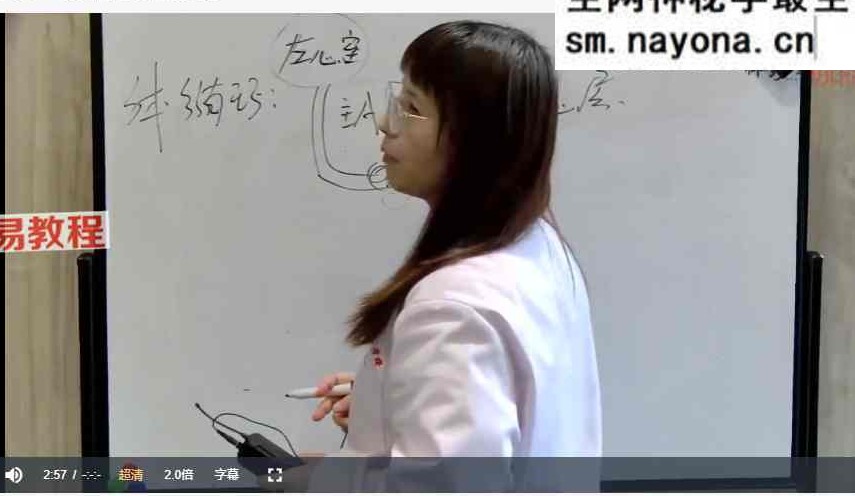
Original Course Preview Images
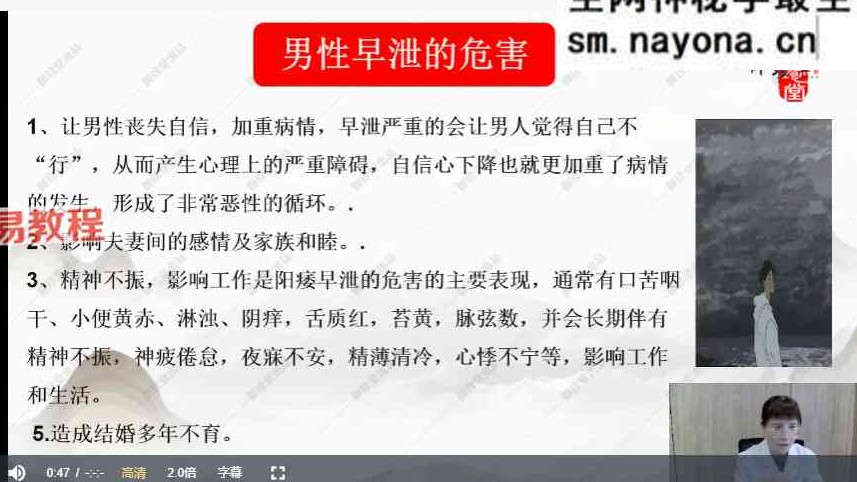
The following supplied images are retained as visual references to the course package.
Who This Course Is For
- Adult learners studying Traditional Chinese Medicine or Daoist wellness history
- Students who prefer a lesson-based digital curriculum with visual reference material
- Researchers comparing terminology, teaching systems and historical practice
- Practitioners seeking continuing cultural education within their lawful scope of practice
Learning Format and Digital Delivery
This is a virtual, downloadable educational product with no physical shipment. The package is organized around recorded video, audio, documents or illustrated reference files according to the supplied course directory. Access details are managed through the product delivery setup.
How to Study This Material
Begin with the foundational terminology, keep a glossary of unfamiliar Chinese concepts, and use the directory to track completed lessons. Pause demonstrations for note-taking and compare related modules before moving to advanced case discussions. Where a lesson describes a health-related technique, treat it as historical or professional education rather than personal medical advice.
Frequently Asked Questions
Is this course presented in English?
This sales and study guide is written in English. The underlying recorded material may contain Chinese-language teaching, so learners should review the product description and curriculum before purchase.
Is this a physical product?
No. It is a virtual and downloadable course product; nothing is shipped.
Does this qualify me to diagnose or treat patients?
No. A digital course does not replace accredited clinical education, supervised practice, professional licensing or individualized medical care.
Can beginners use it?
Motivated beginners can use the overview and foundational lessons, while advanced modules are better suited to learners who already understand basic TCM or Daoist vocabulary.
Related Courses
- Zhang Zesen Traditional Acupuncture Methods Course Collection
- Juling Acupuncture Foundation to Advanced Course – 203 Lessons
Browse the complete Acupuncture & Moxibustion Courses collection or contact Karma Kismet with a course question.
Editorial and Safety Note
Karma Kismet translated, organized and expanded the supplied curriculum description for English-speaking learners. Traditional claims are identified as subjects of study, not guaranteed outcomes. Do not use this material to delay professional care. Acupuncture, moxibustion, scraping, cupping, herbs and intimate wellness practices can carry risks and may be regulated; consult an appropriately licensed professional and follow local law.
Disclaimer
For adult cultural and educational study only. This product does not diagnose, treat, cure or prevent disease and does not replace medical, psychological, legal or professional advice.
How to read this broad Chang’an School curriculum
The course is presented as a 159-lesson collection associated with the Chang’an School and intradermal needle methods. Its source directory reaches beyond needling alone: titles refer to press needles, manual techniques, traditional constitution categories, observations of the face, hand, tongue and back, and discussions organized around many health complaints. The range can help a learner compare terminology across recorded demonstrations, but it should not be mistaken for a single, uniform treatment protocol. A lesson title shows the subject discussed; it does not establish that the method is appropriate or effective for a particular patient.
The source note also says that two lessons are missing from the listed collection. That qualification matters when planning a sequential review. If a demonstration refers back to material you cannot locate, mark the gap rather than reconstructing the missing instruction from memory or from an unrelated video. The stated lesson count and the note about missing items should be considered together when checking the available directory.
Distinguishing the methods named in the directory
Intradermal and press-needle subjects are central to the title and appear repeatedly in the source. Other recordings are labeled as manual or bodywork techniques and as traditional observation or pattern discussions. Keep a separate glossary for each method. A shared complaint name does not mean that two methods use the same rationale, procedure, risk profile or professional scope. The directory also includes introductory and supplementary recordings, so a file’s position alone may not show its teaching level.
Traditional meridian and constitution language has an established place in the history and practice of Chinese medicine. When studying it, identify whether a statement is a traditional classification, a demonstrated technique or a claim about a clinical outcome. Those are different kinds of statements and need different kinds of support. The visible features discussed in observation lessons should never be used by a viewer to diagnose someone from a photo, a brief encounter or a course example.
A safe way to study demonstrations
Watching a needling demonstration is not equivalent to supervised clinical training. Needle placement, skin preparation, infection control, contraindications, consent and management of adverse events all require professional standards and hands-on supervision. Do not insert needles into yourself or another person based on a recording. If you are a practitioner, work within your qualifications, local rules and current clinical guidance; if you are a general learner, use the footage to understand vocabulary and teaching history.
The same caution applies to recorded bodywork. A title referring to a serious condition should not be interpreted as evidence that manual treatment can resolve it. Some complaints named in the directory can signal urgent medical needs. A course description cannot assess those needs or replace timely care by an appropriate clinician. The responsible study question is, ‘What does this lesson say within its traditional framework?’ rather than, ‘Can I copy this intervention for a person with these symptoms?’
Organizing a long course
- Make an index of the recordings you can actually access and note any missing entries.
- Tag each recording by its stated subject, such as press needle, manual technique, observation or traditional pattern discussion.
- For each demonstration, record the terminology and the sequence described without converting it into instructions for independent practice.
- Separate historical or traditional explanations from claims that would need clinical evidence.
- List unanswered safety and scope questions for discussion with a qualified instructor or clinician.
This structure helps with a collection that spans many subjects. It also makes gaps visible. A viewer may understand a term in one context and still need supervised education before using a technique in practice. Rewatching a video improves familiarity with its content, but it does not provide assessment of hand skills, clinical judgment or patient safety.
Who this material may suit
Adult learners interested in the language and history of acupuncture and related Chinese medicine practices may find the directory useful for guided observation. Students already in a supervised program may use recorded examples to prepare questions for an instructor. Researchers may compare how the collection groups conditions, observation methods and techniques. The course alone does not confer a license, certification or permission to treat patients, and its broad list of complaints should not be read as a list of proven indications.
Before using a recording as a reference, confirm which lesson is present and whether it has the context needed to understand it. The collection’s length can create an impression of completeness, yet a large number of recordings cannot substitute for current evidence, clinical supervision or local professional requirements. For personal symptoms, seek individualized assessment from an appropriate licensed professional.
Questions about this 159-lesson collection
Does every lesson teach intradermal needling?
No. The source directory also names manual techniques, traditional observation and other approaches. Use the individual file title and content to identify its subject.
How should I handle the two missing lessons noted by the source?
Keep their absence visible in your study index. Do not assume what they taught or treat a neighboring recording as a replacement.
Can I practice a technique after watching its demonstration?
A recording does not provide supervised clinical training or establish your legal scope. Needling and bodywork can cause harm when used without the necessary education, safeguards and consent.
Do the condition-specific titles promise treatment results?
No. They identify topics discussed in the collection. Decisions about diagnosis and care require appropriate clinical assessment and evidence.