
A structured 48-lesson video course for calculating and setting up Zi Wei Dou Shu charts, locating palaces and stars, and preparing a chart for interpretation.
Course Overview
This English study page organizes a substantial Chinese-language Zi Wei Dou Shu curriculum for international learners. It preserves the supplied course scope while adding clear learning context, terminology and navigation. Zi Wei Dou Shu is presented as a traditional Chinese metaphysical system for cultural and educational study, not as a guaranteed prediction of events.
What You Will Learn
- Step-by-step chart setup and palace placement
- Locating major and supporting stars
- Life Palace, Body Palace and the Twelve Palaces
- Reference procedures for accurate chart preparation
Curriculum Structure
The material progresses from definitions and chart structure to applied interpretation. Use the modules in sequence, keep a glossary of Chinese terms, and test each principle against the worked examples supplied in the course.
- Module 1: Step-by-step chart setup and palace placement. Review the relevant chart components, record the interpretive rules and compare their application across examples.
- Module 2: Locating major and supporting stars. Review the relevant chart components, record the interpretive rules and compare their application across examples.
- Module 3: Life Palace, Body Palace and the Twelve Palaces. Review the relevant chart components, record the interpretive rules and compare their application across examples.
- Module 4: Reference procedures for accurate chart preparation. Review the relevant chart components, record the interpretive rules and compare their application across examples.
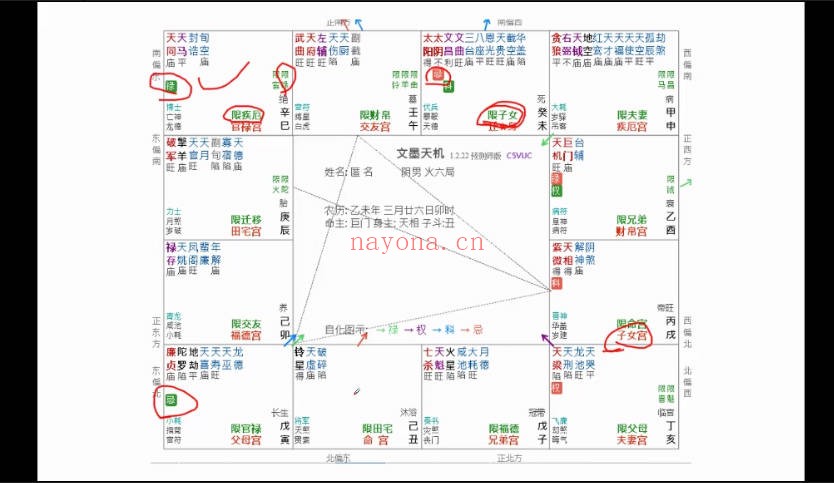
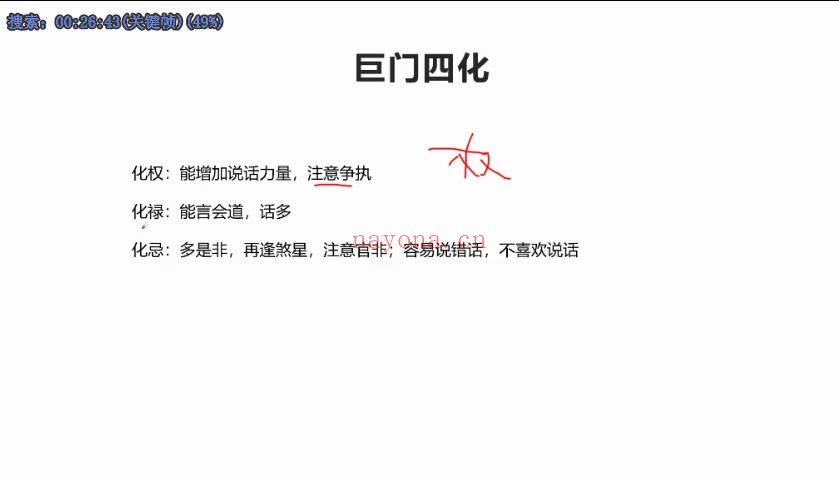
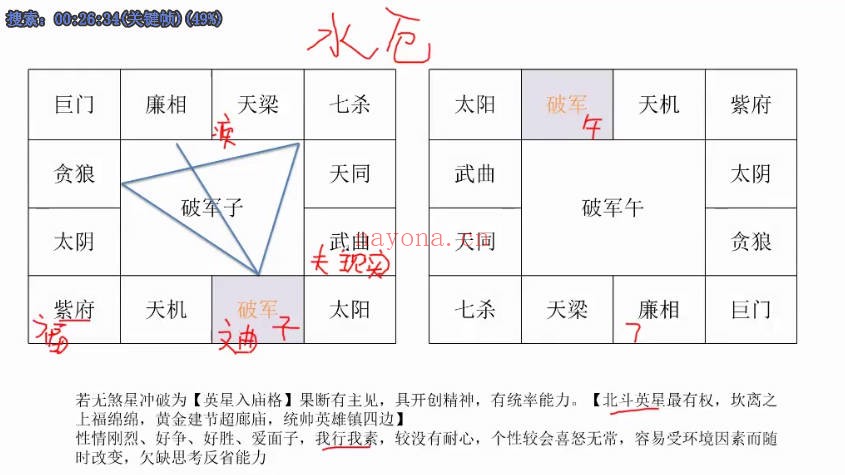
Original Course Preview Images
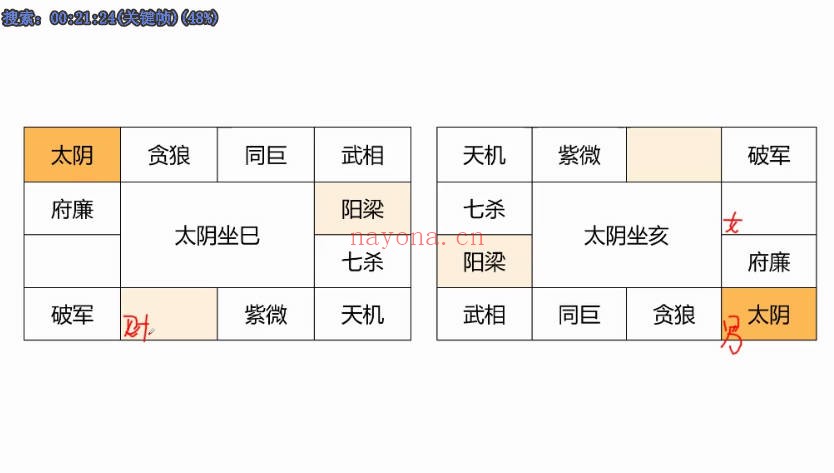
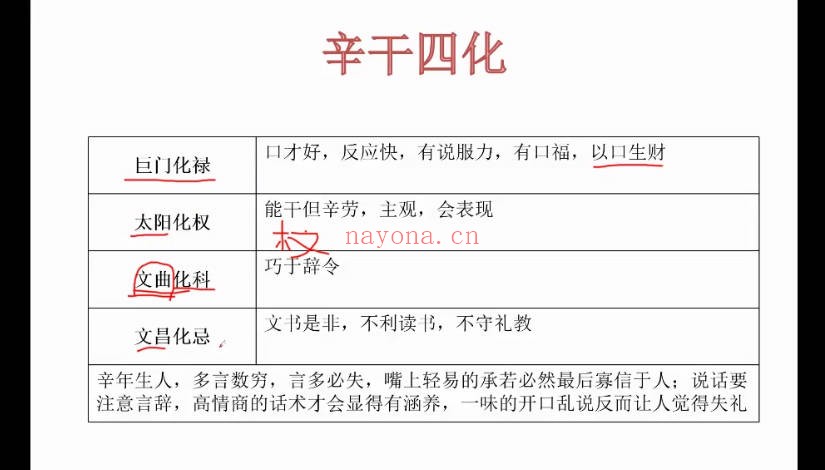
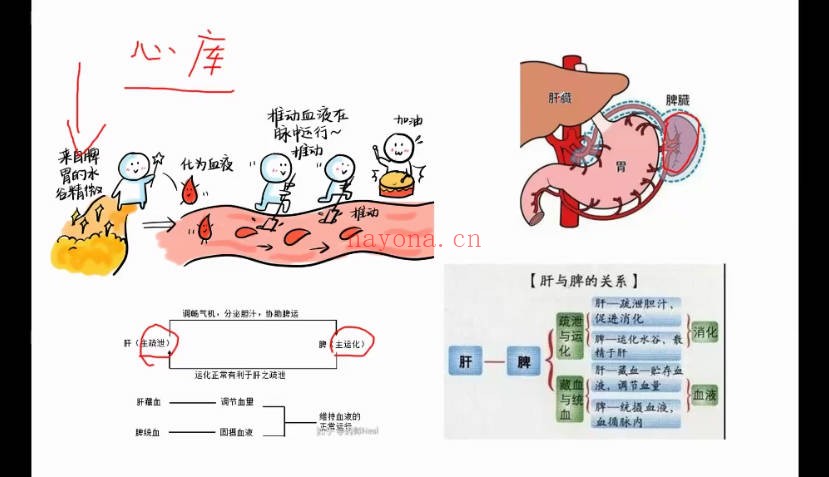
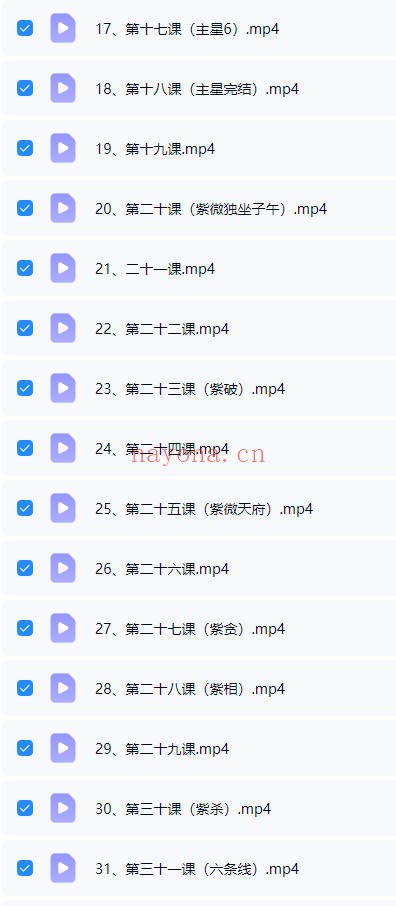
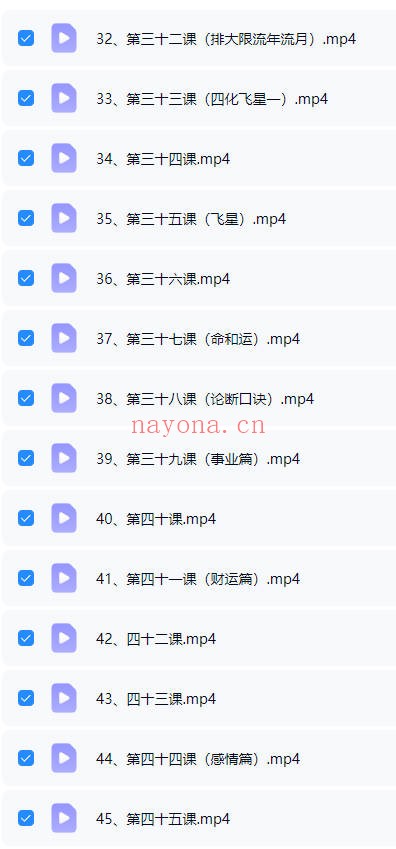
These supplied previews show the organization and visual materials included with the course listing.

Who This Course Is For
- Adult learners building a structured foundation in Zi Wei Dou Shu
- Students comparing traditional Chinese chart-reading methods
- Practitioners who want an organized reference for revision and case study
- Researchers studying Chinese metaphysics, terminology and teaching systems
Language, Format and Digital Delivery
This product page and study guide are written in English. The underlying lessons or documents may be in Chinese, so learners should review the curriculum before purchase. This is a virtual, downloadable educational product; no physical item is shipped. Access details are handled through the product delivery area.
How to Study the Material
Begin by learning the palace and star vocabulary, then map each rule to a sample chart. Separate natal structure from decade and annual timing, and document the evidence for every interpretation. Advanced students should compare multiple schools rather than treating one formula as universal.
Frequently Asked Questions
Is this a physical product?
No. It is a virtual and downloadable study product.
Is the underlying course in English?
The sales guide is in English; source lessons and files may use Chinese-language instruction.
Does the course guarantee future outcomes?
No. Zi Wei Dou Shu is presented for traditional, cultural and educational study. Interpretations are not guarantees and should not replace medical, legal, financial or psychological advice.
Can beginners use it?
Refer to the course title and curriculum level. Beginners should start with foundations and chart setup before advanced transformations, timing or professional case work.
Related Zi Wei Dou Shu Courses
- Zi Wei Dou Shu Beginner Practical Course: 30 Video Lessons
- Zi Wei Dou Shu Practical Chart Reading Masterclass
- Zi Wei Dou Shu Twelve Palaces Study Course
- Life Palace, Body Palace and Twelve Palaces Course
- Northern School Flying Palace and Four Transformations Course
Browse the complete Zi Wei Chart Calculation Courses collection or contact Karma Kismet with a course question.
Editorial Note
Karma Kismet translated, organized and expanded the supplied curriculum information for English-speaking learners. Traditional terms are retained where a single standardized translation would lose meaning. The page describes the educational package without promising a particular personal result.
Reading context and study practice
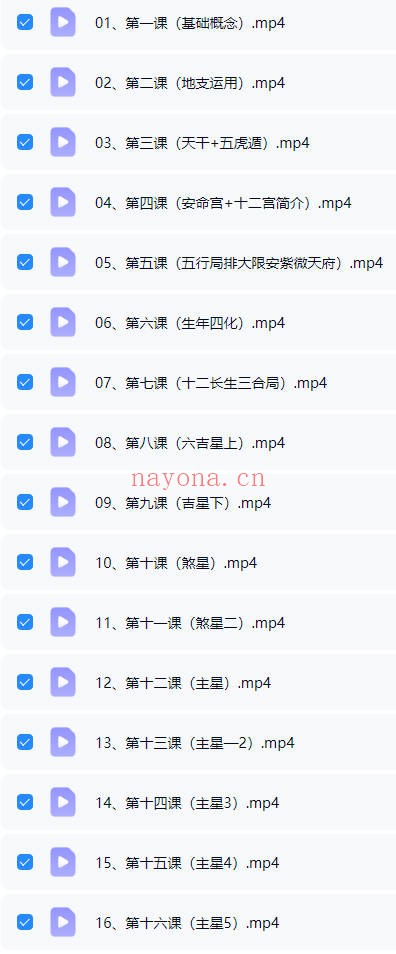
The forty-eight-lesson directory provides a concrete progression from basic concepts through branches, stems, palace setup, star placement, transformations, and later chart applications. Chart preparation should be treated as its own learning task. A diagram can be reproducible within a traditional convention while its interpretations remain symbolic.
Inputs and assumptions
Before following a setup example, record all birth information and calendar conventions stated by the lesson. Do not invent missing values to finish the diagram. If a time or conversion rule is uncertain, write that uncertainty next to the chart. A diagram made from assumed data should never be presented as if every component came from a verified record.
Stems and placement rules
The early file list includes branches and stems with the Five Tiger derivation method. This is a reason to study the stated ordering procedure carefully rather than guessing placement from a finished picture. Preserve intermediate steps. If a later star is misplaced, the error may originate in an earlier setup rule rather than in the star-placement instruction itself.
Life Palace and cycle setup
The named fourth and fifth lessons move through the Life Palace, Twelve Palaces, Five Elements bureau, major periods, and Zi Wei and Tian Fu placement. Separate those operations in your worksheet. Combining them into one sentence makes correction harder. A well-organized exercise shows what was placed, by which rule, and in what sequence.
Major and supporting stars
The directory gives multiple lessons to beneficial stars, challenging stars, and major stars. These classifications belong to the interpretive vocabulary. Avoid treating a category name as a statement that a person is fortunate or dangerous. For setup practice, the immediate task is locating the named symbol correctly before studying how the course interprets it in context.
Later examples as checks
The source lists examples involving Zi Wei alone and several Zi Wei combinations. Revisit a completed setup when studying those cases. Ask whether the interpretation assumes a configuration that your chart actually contains. This check prevents a memorable example from being applied simply because one familiar star appears somewhere in another diagram.
Time layers and flying stars
Later filenames identify major periods, years, months, and Flying Star material. Keep their labels separate from natal placement. A changing time layer should not silently overwrite the base diagram. When reviewing an example, preserve both the original structure and the added relationship so that the source of each interpretive statement remains visible.
A two-pass setup exercise
On the first pass through a setup example, copy only the operations and placements demonstrated in the course. Leave interpretation aside. On a second pass, check each operation against the stated rule and annotate where an earlier choice affects a later placement. This makes the example easier to troubleshoot. A correctly located major star depends on prior setup information; moving it to match an attractive interpretation would break the procedure. Keep the completed diagram and the working notes together. The exercise is about reproducibility within the identified convention, not proving that the finished chart reveals facts about the subject’s life.
The directory’s intermediate checkpoints
The named early lessons offer several checkpoints: branches, stems, Life Palace, Five Elements bureau, birth-year transformations, growth-cycle vocabulary, and supporting stars. Use these checkpoints to decide where an error arose. If the Life Palace is wrong, review the relevant setup stage before reconsidering every later star. If a transformation assignment is uncertain, revisit the rule that supplies it. This is more efficient than redrawing the chart from memory. It also preserves the distinction between a mechanical placement problem and a disagreement over symbolic interpretation. The latter cannot be settled simply by making the diagram look neater.
Reading a partly named file list
Some later filenames identify specific combinations, while others contain only a lesson number. A lesson number does not tell you the full subject of the recording. Avoid assigning an invented topic to an unnamed entry because it appears between two recognizable examples. Use the available titles as a partial navigation map and update your notes only after checking the actual recording. This matters for a forty-eight-lesson collection with both procedural material and applied discussion. The source supports the existence of the listed recordings, but a brief directory is not a complete transcript of everything they contain.
From a chart to an example sentence
When studying a Zi Wei combination example, identify the placements that the sentence actually refers to. Then explain how the course moves from those placements to a symbolic description. This produces a visible chain: setup, configuration, interpretive rule, and wording. If any link is missing, mark it rather than supplying a conclusion from a different book. A phrase that mentions career or wealth should remain an account of traditional interpretation. It should not be converted into job advice, an investment recommendation, or a claim that the chart subject has a particular amount of money.
Preparing an annotated reference chart
A reference chart can include a small legend explaining natal placement, supporting-star categories, transformation notation, and any time layers added during study. Keep colors or symbols consistent across examples. Write the course rule beside an unfamiliar mark so it can be checked later. This personal reference aid does not imply that the product includes chart software, personalized reports, or printable templates. Its value lies in helping you read the supplied examples with fewer avoidable notation errors. The resulting chart remains an educational representation of a cultural system and should be labeled accordingly whenever it is shared.