Explore the Hu Yiming Feng Shui and BaZi Five Elements Course Collection. 12 course sets, 50 e-files, video, audio, PDF. Cultural study for all levels.
Course Overview
Explore the traditional Chinese study of BaZi (Four Pillars) and the Five Elements through this comprehensive digital collection. Titled the Hu Yiming Feng Shui and BaZi Five Elements Course Collection, this educational package brings together 12 structured course sets and 50 electronic reference files. It covers foundational and advanced topics in BaZi destiny analysis, feng shui theory, and the symbolic interactions of the Five Elements. The materials include video lessons, audio recordings, PDF manuals, Word documents, and images, offering a multi-format learning experience. Whether you are a beginner seeking a clear introduction or an experienced student looking to deepen your understanding, this collection provides a broad range of study resources. All content is presented for cultural, historical, and educational purposes, emphasizing the traditional symbolism and philosophical frameworks of these ancient practices rather than guaranteed outcomes. The course is delivered as a digital download, allowing you to study at your own pace.
What You Will Learn
- Understand the core principles of BaZi (Four Pillars) and the Five Elements in traditional Chinese thought.
- Study the historical and cultural context of feng shui and destiny analysis.
- Learn to interpret the symbolic relationships between heavenly stems, earthly branches, and the Five Elements.
- Explore classical texts and modern lecture notes on BaZi and feng shui theory.
- Examine case studies and practical examples to see how these concepts are applied symbolically.
- Familiarize yourself with the use of BaZi charting software and reference materials.
- Develop a structured approach to studying traditional Chinese metaphysics as a cultural discipline.
Course Contents
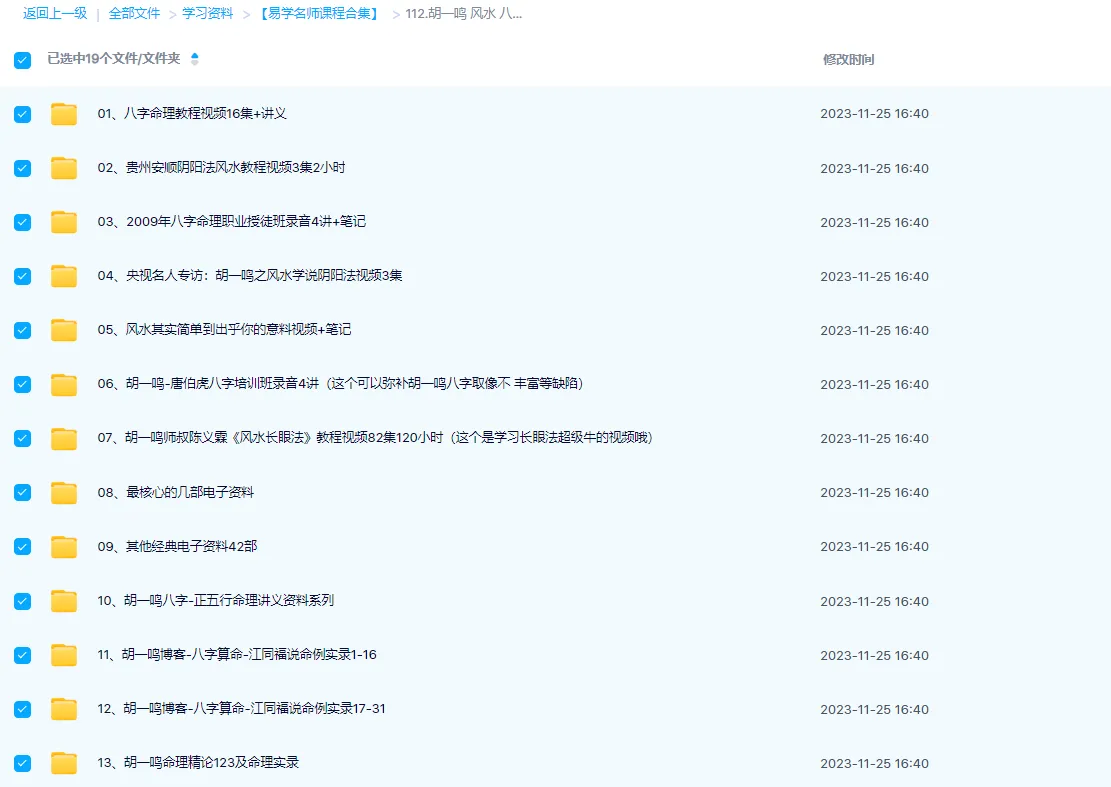
- 01. BaZi Destiny Analysis Video Course: 16 video lessons plus lecture notes
- 02. Guizhou Anshun Yin-Yang Method Feng Shui Video Course: 3 videos, 2 hours
- 03. 2009 BaZi Destiny Analysis Professional Instructor Training: 4 audio lectures plus notes
- 04. CCTV Celebrity Interview: Hu Yiming on Feng Shui Yin-Yang Method: 3 videos
- 05. Feng Shui Is Simpler Than You Think: video plus notes
- 06. Hu Yiming Tang Bohu BaZi Training Class: 4 audio lectures
- 07. Chen Yilin 'Feng Shui Longyan Method' Course: 82 videos, 120 hours
- 08. Core Electronic Reference Materials: 7 PDF and DOC files on advanced feng shui and BaZi topics
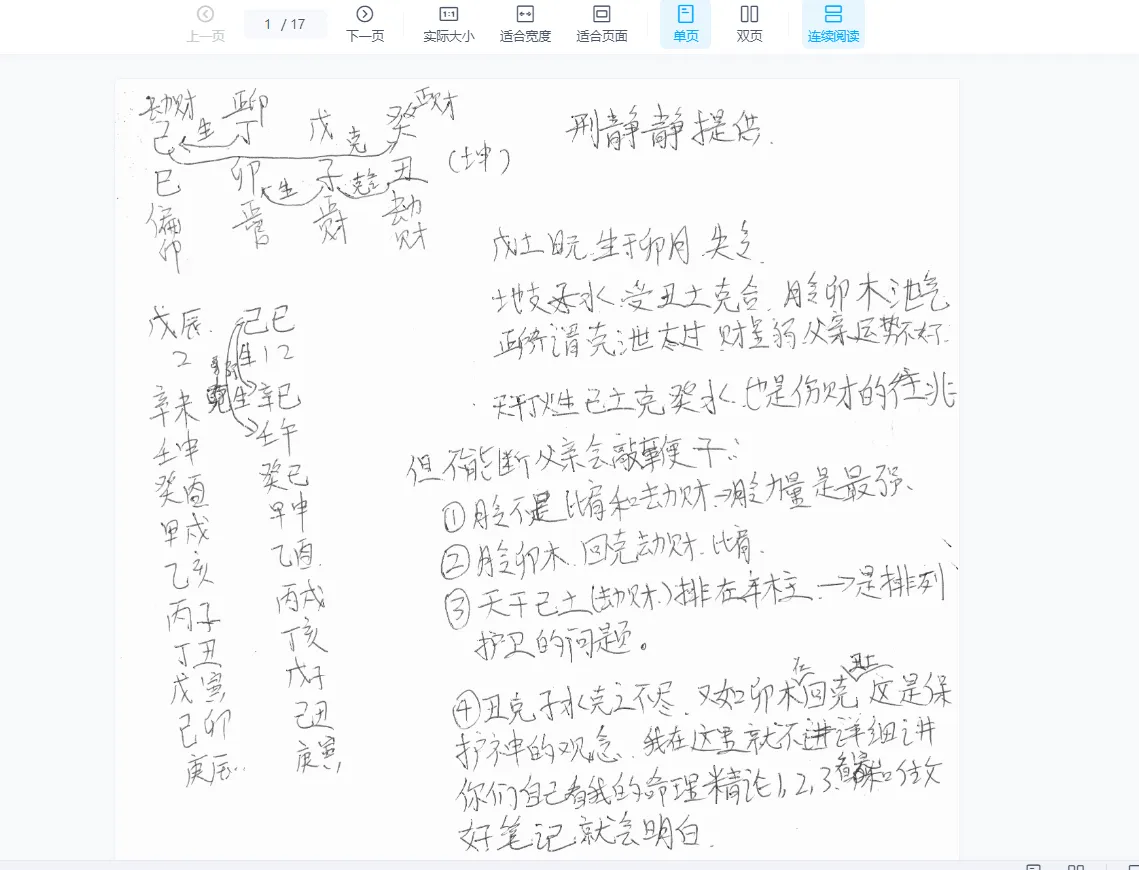
- 09. Other Classic Electronic Materials: 42 files including case studies, notes, and hand-drawn diagrams
- 10. Hu Yiming BaZi – Orthodox Five Elements Theory Lecture Series: multiple PDF manuals and notes
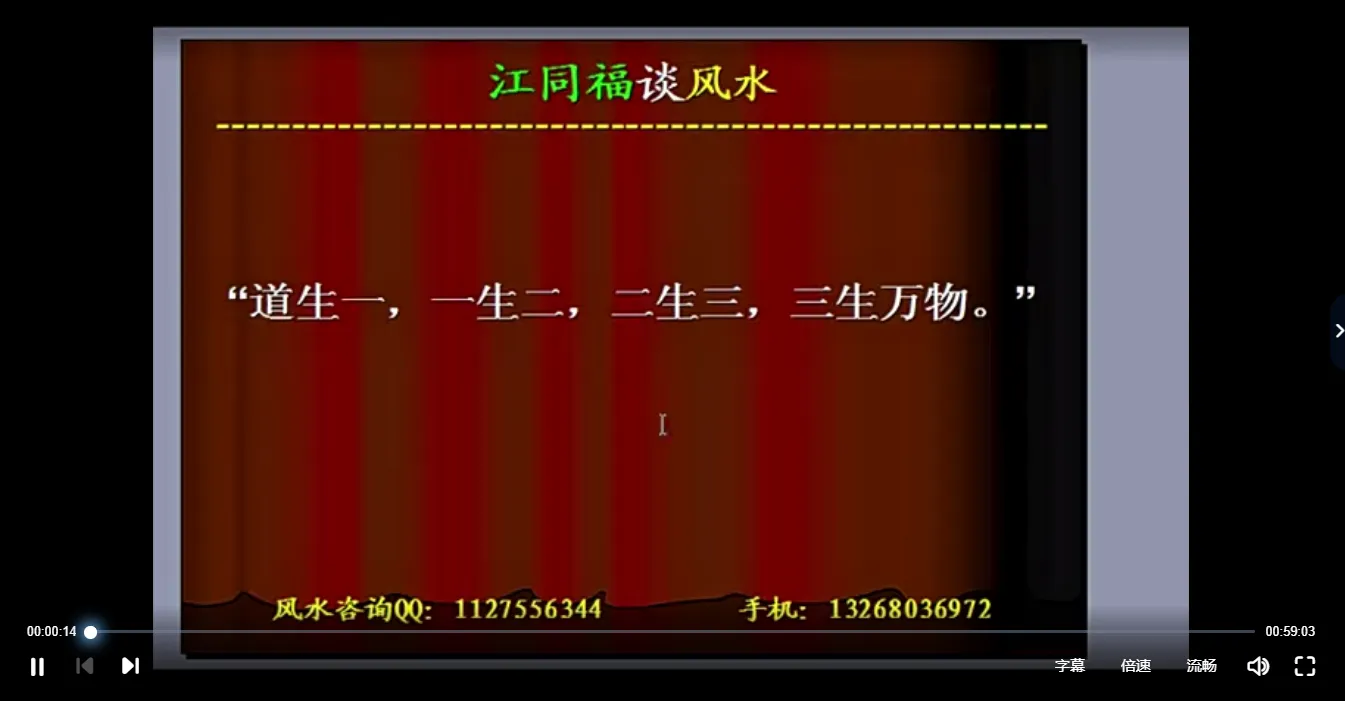
- 11. Hu Yiming Blog – BaZi Fortune Telling – Jiang Tongfu Case Studies 1-16: 16 video files
- 12. Hu Yiming Blog – BaZi Fortune Telling – Jiang Tongfu Case Studies 17-31: 15 video files
- 13. Hu Yiming Destiny Theory 1-3 and Case Records: multiple PDF volumes
- Bonus: BaZi and Liu Yao charting software for PC and mobile
- Bonus: BaZi VCD 24-episode lecture notes (PDF)
- Bonus: 2014 Jiawu Year Monthly and Daily Qi Flow Chart (color image)
- Bonus: 8 exclusive internal materials by Chen Yilin (PDF)
- Bonus: Audio MP3 format of the 16-episode BaZi video course
- Bonus: PDF reader and media player installation files
Who This Resource Is For
This collection is designed for individuals interested in the cultural, historical, and educational study of BaZi (Four Pillars) and the Five Elements. It suits beginners who want a structured introduction to traditional Chinese metaphysics, as well as intermediate learners seeking to expand their knowledge through a wide range of reference materials. Practitioners in related cultural fields, hobbyists, and students of Chinese philosophy will find the diverse formats—videos, audio, PDFs, and software—helpful for self-paced study. The content is presented as symbolic and philosophical exploration, not as a tool for guaranteed prediction or professional advice.
Learning Format and Digital Delivery
- Digital download containing video, audio, PDF, Word, and image files
- 12 structured course sets with varying lesson counts
- 50 electronic reference documents and manuals
- Includes BaZi and Liu Yao charting software for PC and mobile
- Bonus MP3 audio versions of selected video lessons
- Self-paced study with no time limits
Original Course Material Images
The original course images are preserved below so learners can identify the course package and supporting materials.


Editorial Note
This English page is an educational adaptation of verified Chinese course material. Karma Kismet reorganizes the curriculum for English-language discovery while keeping BaZi within a cultural, historical and symbolic study context.
Frequently Asked Questions
What is included in the Hu Yiming Feng Shui and BaZi Five Elements Course Collection?
The collection includes 12 course sets and 50 electronic reference files. Formats cover video lessons, audio recordings, PDF manuals, Word documents, and images. Bonus items include BaZi charting software, MP3 audio versions of some video lessons, and additional reference charts.
Is this course suitable for beginners?
Yes, the materials range from introductory to advanced topics. Beginners can start with the foundational video courses and lecture notes, while more experienced learners can explore the advanced case studies and specialized manuals.
How is the course delivered?
This is a digital product delivered as downloadable files. After purchase, you will receive access to the collection. No physical items will be shipped.
Can this course predict my future or provide medical, financial, or legal advice?
No. This course is intended for cultural, historical, and educational study only. It presents BaZi and Five Elements as symbolic and philosophical systems, not as tools for guaranteed prediction or professional advice in medical, financial, or legal matters.
Related BaZi Courses
- BaZi From Zero Course Collection: 11 Beginner Modules
- Zhang Weiguang Daoist BaZi Practical Chart Reading Course: 320 Lessons
- Ten Heavenly Stems and Day Master Study Course
- Blind School BaZi Foundations and Ten Gods System Course: 70 Lessons
- Mu Yi Four Pillars BaZi Luck Pillars and Annual Flow Course
- Zheng Minsheng BaZi Marriage Compatibility Course: 20 Lessons
- Advanced BaZi Pattern, Career and Wealth Case Training Course
- Li De Advanced BaZi Practitioner Training Collection: 162 Lessons
- Zhu Yu Yi Jing, Qi Men and BaZi Course Bundle: 11 Collections
Organize the collection by subject and format
The Hu Yiming source inventory names video, audio, PDF, document, archive, and image files. Among the identifiable components are a sixteen-part BaZi video tutorial with lecture notes, a three-part Guizhou Anshun Yin-Yang feng shui tutorial listed as two hours, four recordings from a 2009 BaZi teaching class with notes, and Chen Yilin's Longyan Method material listed as eighty-two videos. This mix is useful to recognize before studying: it is a collection of components, not necessarily one continuous course with a single progression.
Make an inventory that preserves the original component names and file extensions. Put BaZi and feng shui items in separate subject groups while keeping references that let you recover their original locations. The source also lists MP3 audio versions of the sixteen-part BaZi material. Those can be useful for revisiting explanations, while the videos and notes remain important when chart notation needs visual checking. Do not assume that every audio or document item corresponds to every video simply because they appear in the same larger collection.
Separate Hu Yiming and Chen Yilin materials
The inventory includes materials attributed to Chen Yilin alongside Hu Yiming resources. Keep those attributions visible in your notebook. A shared collection does not establish that every file has the same author or that both teachers use every term in precisely the same way. If you compare their explanations, record the source of each rule and the context of each example. This makes the collection more useful as a reference and avoids accidentally presenting a comparison you constructed as one unified method taught throughout the package.
The source names several types of Longyan Method notes, including yang-dwelling, yin-dwelling, and geographical practice material. Study the named topics as traditional spatial interpretation rather than evidence that a location determines measurable personal outcomes. Describing a diagram carefully is different from proving its claims. Record what is shown, what the author associates with it, and what remains unspecified. This keeps visual study grounded without adding architectural measurements, directions, or procedures that the excerpt itself does not supply.
Use reference files selectively
The listing includes written BaZi material, lecture notes, case-related documents, and a colored 2014 monthly and daily chart. A dated chart should retain its date in your index. Do not treat it as a current personal calendar merely because its imagery remains familiar. Similarly, a historical case should be summarized as an author's interpretation of the supplied case information. If event details are missing, leave them missing. A large library becomes a better learning resource when its documents have clear purposes and references rather than being treated as interchangeable authorities.
Begin with one identifiable component and choose a narrow goal, such as understanding its notation or following a single recurring relationship. Keep definitions, chart transcription, and symbolic conclusions separate in your notes. Then use a related document to clarify a specific point rather than opening many unrelated files at once. The collection's variety can support patient comparative study, but it does not guarantee comprehension or predictive ability. Its strongest practical use is as an organized cultural reference whose individual contents you can locate, attribute, and explain accurately.