Study BaZi chart reading with 320 practical video lessons. Learn Four Pillars, Ten Gods, patterns, and symbolic analysis. Cultural and educational course.
Course Overview
This BaZi chart reading course offers a comprehensive, culturally grounded study of Four Pillars (BaZi) through 320 practical video lessons. It begins with foundational concepts such as Yin-Yang and the Five Elements, Heavenly Stems and Earthly Branches, then progresses to chart construction, Ten Gods, and the dynamics of clashes, combinations, punishments, and harms. The curriculum also explores symbolic image methods, luck cycle analysis, and thematic applications across family, career, wealth, and personal development. Presented as a historical and educational system, the course emphasizes observation, pattern recognition, and classical interpretation rather than guaranteed prediction. With over 400 MB of supporting images, it provides a structured reference for learners who wish to study BaZi deeply and systematically. The lessons are delivered in a clear, example-driven style, making complex ideas accessible while preserving the traditional framework. This course is ideal for those seeking a thorough cultural and symbolic understanding of BaZi chart reading.
What You Will Learn
- Understand Yin-Yang, the Five Elements, Heavenly Stems, and Earthly Branches as foundational BaZi concepts.
- Learn how to construct a Four Pillars chart, including stem-branch calendrical methods and hidden stems.
- Identify and interpret the Ten Gods, their symbolic images, and their relationships within a chart.
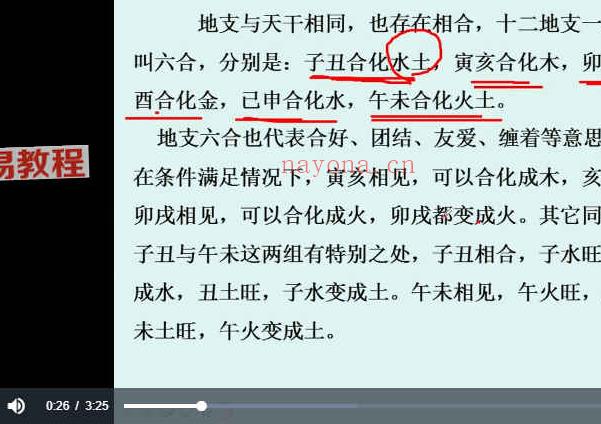
- Analyze interactions such as stem combinations, clashes, six harmonies, three harmonies, three meetings, punishments, and harms.
- Study pattern classification, including support-suppress, following, and transformation patterns, and how to determine useful elements.
- Explore symbolic image methods for reading palaces, distances, void, tombs, and combined imagery.
- Apply BaZi study to cultural and historical case examples, including classical figures and thematic life areas.
Course Contents
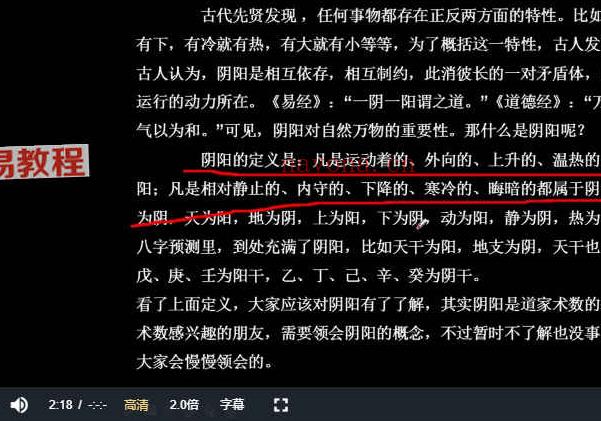
- Module 1: Fundamentals – Yin-Yang, Five Elements, Heavenly Stems, Earthly Branches, and calendrical methods (Lessons 1–8)
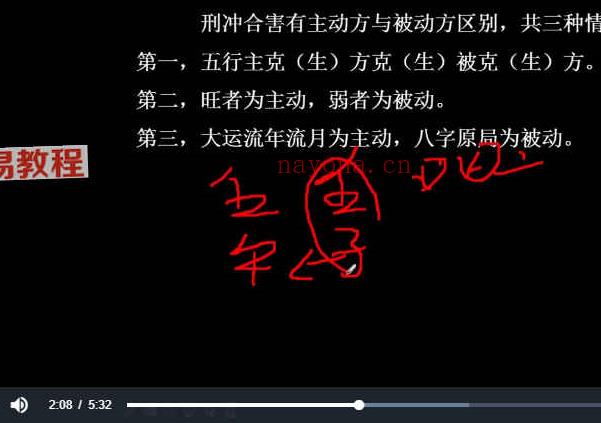
- Module 2: Stem-Branch Relationships – combinations, clashes, harmonies, meetings, punishments, and harms in charts and luck cycles (Lessons 9–35)
- Module 3: Strength and Pattern Analysis – determining strength, support-suppress patterns, following patterns, transformation patterns, and useful elements (Lessons 36–47)
- Module 4: Symbolic Image Methods – Five Elements, stems, branches, palaces, Ten Gods, and integrated image reading (Lessons 48–68)
- Module 5: Timing and Comprehensive Examples – timing principles, luck cycle, annual, and monthly analysis (Lessons 69–83)
- Module 6: Auspicious and Inauspicious Symbols – nobleman, travel horse, peach blossom, salary star, and symbolic usage (Lessons 84–90)
- Module 7: Family and Relationships – ancestors, parents, siblings, marriage, children, and related symbolic analysis (Lessons 91–150)
- Module 8: Character and Appearance – personality and physical appearance analysis (Lessons 151–156)
- Module 9: Education and Career – academic tendencies, career patterns, professional selection, and workplace dynamics (Lessons 157–223)
- Module 10: Health and Adversity – constitutional tendencies, injury and illness symbols, conflicts, and legal matters (Lessons 224–254)
- Module 11: Feng Shui Applications – yang and yin dwelling principles and BaZi integration (Lessons 255–265)
- Module 12: Advanced Pattern Theory – major patterns, special cases, useful element transformation, and interaction methods (Lessons 266–294)
- Module 13: Case Studies – practical examples covering wealth, career, health, and life events (Lessons 295–314)
- Module 14: Classical Figures – analysis of historical and public figures (Lessons 315–319)
- Module 15: Course Summary – comprehensive review and conclusion (Lesson 320)
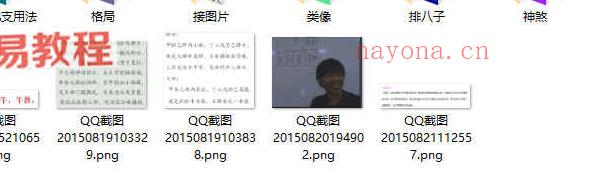
- Supplementary Materials: Over 400 MB of images (ZIP file)
Who This Resource Is For
This course is suitable for beginners with an interest in BaZi and Four Pillars as a cultural and historical study, as well as intermediate learners who already know basic concepts and wish to deepen their practical chart reading skills. It serves learners who prefer a structured, video-based curriculum with numerous examples and symbolic interpretation methods. The material is also appropriate for students of Chinese metaphysics who want to understand classical frameworks without relying on guaranteed predictions. No prior advanced knowledge is required, but familiarity with basic Yin-Yang and Five Elements ideas will help.
Learning Format and Digital Delivery
- 320 video lessons organized into sequential modules
- Digital download via cloud storage group (delivery details provided after purchase)
- Includes over 400 MB of supplementary images in a ZIP file
- Self-paced learning with practical examples and case studies
- Instructional language: Chinese (Mandarin)
- Total file size varies; video files range from approximately 5 MB to 43 MB each
Original Course Material Images
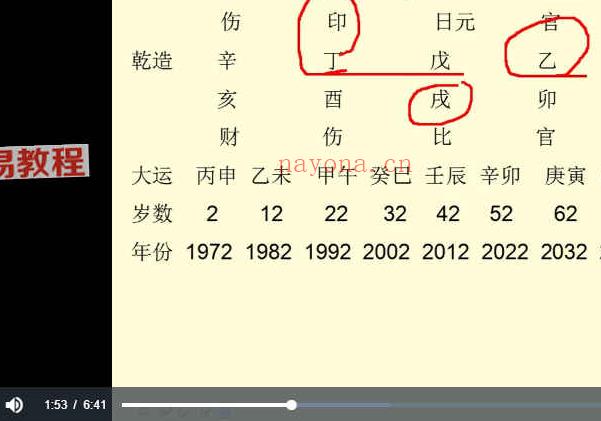
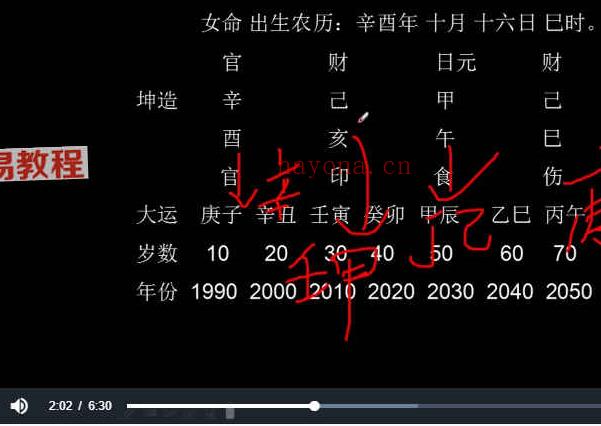
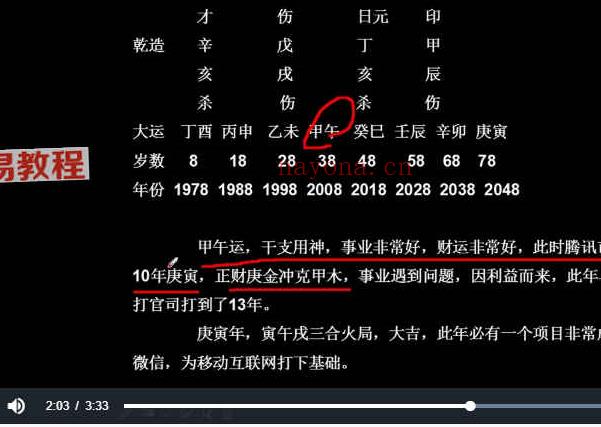
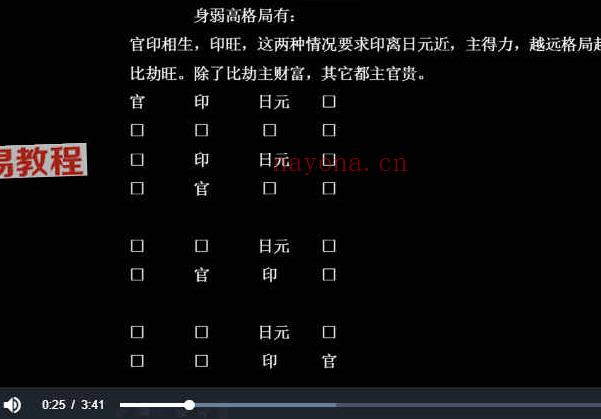
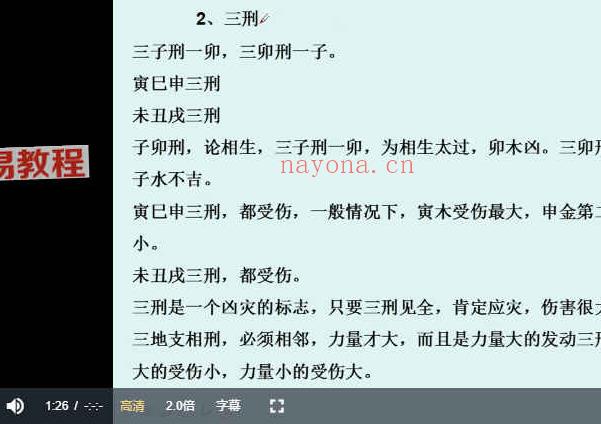
The original course images are preserved below so learners can identify the course package and supporting materials.
Editorial Note
This English page is an educational adaptation of verified Chinese course material. Karma Kismet reorganizes the curriculum for English-language discovery while keeping BaZi within a cultural, historical and symbolic study context.
Frequently Asked Questions
What is included in this BaZi chart reading course?
The course includes 320 video lessons covering BaZi fundamentals, chart construction, Ten Gods, stem-branch interactions, pattern analysis, symbolic image methods, timing, and thematic applications. It also comes with over 400 MB of supplementary images in a ZIP file.
Is this course suitable for complete beginners?
Yes, the curriculum starts with foundational concepts such as Yin-Yang, the Five Elements, Heavenly Stems, and Earthly Branches, making it accessible to beginners. More advanced learners can also benefit from the extensive practical examples and case studies.
How is the course delivered?
The course is delivered as digital video files and a supplementary image ZIP file. Due to sharing restrictions, access is provided through a cloud storage group after purchase. Specific delivery instructions will be provided upon order completion.
Does this course guarantee accurate predictions?
No. This course presents BaZi as a cultural, historical, and symbolic system of study. It focuses on traditional interpretation methods and educational analysis, not on guaranteed predictions or life outcomes.
Related BaZi Courses
- BaZi From Zero Course Collection: 11 Beginner Modules
- Ten Heavenly Stems and Day Master Study Course
- Blind School BaZi Foundations and Ten Gods System Course: 70 Lessons
- Hu Yiming Feng Shui and BaZi Five Elements Course Collection
- Mu Yi Four Pillars BaZi Luck Pillars and Annual Flow Course
- Zheng Minsheng BaZi Marriage Compatibility Course: 20 Lessons
- Advanced BaZi Pattern, Career and Wealth Case Training Course
- Li De Advanced BaZi Practitioner Training Collection: 162 Lessons
- Zhu Yu Yi Jing, Qi Men and BaZi Course Bundle: 11 Collections
Study the course's paired conditions
A notable feature of the source inventory for Zhang Weiguang's 320-lesson practical collection is its use of paired topics. It lists separate discussions of when stem combinations are established and when they are not, followed by combinations in luck periods, years, and months. Similar distinctions appear for six combinations, three combinations, and three meetings. These exact topic contrasts offer a useful study route: compare the conditions rather than memorizing that a named interaction always produces the same result wherever it appears.
For each pair, create a two-column note using the explanations actually given in the videos. Record the conditions supporting the interaction in one column and the conditions limiting it in the other. Then add a third note about how the topic is used across natal, longer-period, annual, or monthly layers where the listed lesson discusses them. This is an editorial exercise, not a separate workbook promised with the product. Its purpose is to retain the conditional structure evident in the source's topic naming.
Connect notation with symbolic image methods
The inventory names image methods involving the Five Elements, stems, branches, palaces, Ten Gods, distance, void, and storehouses. When you study one of these, distinguish the notation you can copy from the symbolic association the teacher explains. An image can make a relationship memorable without being a factual description of a person's life. Write both stages in your notes. This makes it possible to discuss how the tradition develops an interpretation without presenting the interpretation as independently established evidence about character, health, or future events.
The listed sequence also includes natal chart analysis, luck-period methods, annual methods, monthly methods, and comprehensive examples. Keep these layers visible when reviewing an example. A conclusion tied to a monthly comparison should not be detached and turned into a general statement about the whole natal chart. Record the file title and an actual timestamp so you can return to the explanation. The source's large collection and supplementary images make good indexing useful; they do not remove the need to check the reasoning in each passage.
Use thematic cases with attribution
The source inventory names education, employment, freelance work, occupational selection, and wealth-related themes. These provide opportunities to examine how one symbolic framework is applied to different questions. They do not establish exam performance, job suitability, or financial prospects for a learner. Summarize the teacher's argument in attributed language and note the case information actually supplied. Avoid adding a success story or a precise event date merely because it would make the example more persuasive. The quality of the study record depends on preserving evidence, not on making the conclusion dramatic.
An effective review question is whether you can explain why a particular condition matters before repeating the final thematic interpretation. If you cannot, revisit the relevant paired lesson or foundational topic. This route connects the source's explicit inventory to practical learning: conditions first, layered comparisons second, and symbolic thematic interpretation third. It supports a clear understanding of Zhang Weiguang's presented material while keeping BaZi within cultural study. The goal is careful reconstruction of the method, without promises of predictive accuracy or personal outcomes.