Advanced BaZi career and wealth course with 75 HD videos and 125 files. Study Four Pillars patterns, Ten Gods, luck cycles and case analysis. Digital download.
Course Overview
This Advanced BaZi Pattern, Career and Wealth Case Training Course is a comprehensive digital video program for students who want to deepen their understanding of Four Pillars (BaZi) as a cultural and symbolic study. Taught in Chinese by an experienced instructor, the course contains 125 core files, including 75 high-definition videos, with a total size of 37.85GB. It moves from advanced core theory through Ten Gods analysis, luck cycle and annual year interpretation, and specialised case practice in career, wealth, relationships, health and children. The curriculum emphasises pattern identification, useful god selection, and structured case reasoning. It is designed for educational and historical study, not as a promise of future outcomes. Students receive lifetime access to the digital materials and can study at their own pace.
What You Will Learn
- Understand advanced BaZi theory, including the deeper imagery and interactions of the Ten Heavenly Stems and Twelve Earthly Branches.
- Analyse the subtle applications of Five Element generation, control, punishment, clash, combination and harm.
- Identify special patterns and the conditions required for a pattern to form or fail.
- Interpret the Ten Gods in relation to family, career, wealth and social relationships.
- Read luck cycles and annual years in relation to the original chart to understand timing and fluctuation.
- Apply case-based methods to career, wealth, marriage, health and children topics.
- Develop an integrated approach to complex charts through step-by-step case breakdowns.
Course Contents
- Module 1: Advanced core theory – deeper meanings and interactions of the Ten Heavenly Stems and Twelve Earthly Branches
- Module 1: Five Element generation, control, transformation, punishment, clash, combination and harm
- Module 1: Identification of special patterns and conditions for pattern formation
- Module 2: Ten Gods – nature and social relationships, including family, career and wealth symbolism
- Module 2: Combined Ten Gods imagery and information patterns
- Module 3: Luck cycle and annual year interpretation – transitions, interactions with the original chart, and timing
- Module 4: Practical case methods for wealth, career, marriage, health and children
- Module 5: Complex and special case studies for integrated chart analysis
- Lesson 001-002: Lu Star application explained
- Lesson 003: Seal application explained
- Lesson 004: Direct Officer application explained
- Lesson 005: Seven Killings application explained
- Lesson 006: Yang Blade application explained
- Lesson 007-008: Rob Wealth and Wealth Star application explained
- Lesson 009-010: Direct and Indirect Wealth application explained
- Lesson 011-012: Eating God application explained
- Lesson 013: Lu method – marriage and children
- Lesson 014: Pattern application analysis
- Lesson 015: Cold, warm, dry and damp climate adjustment
- Lesson 016: Useful God selection analysis
- Lesson 017-018: How to distinguish true and false Useful God
- Lesson 019: Mixed Qi pattern changes
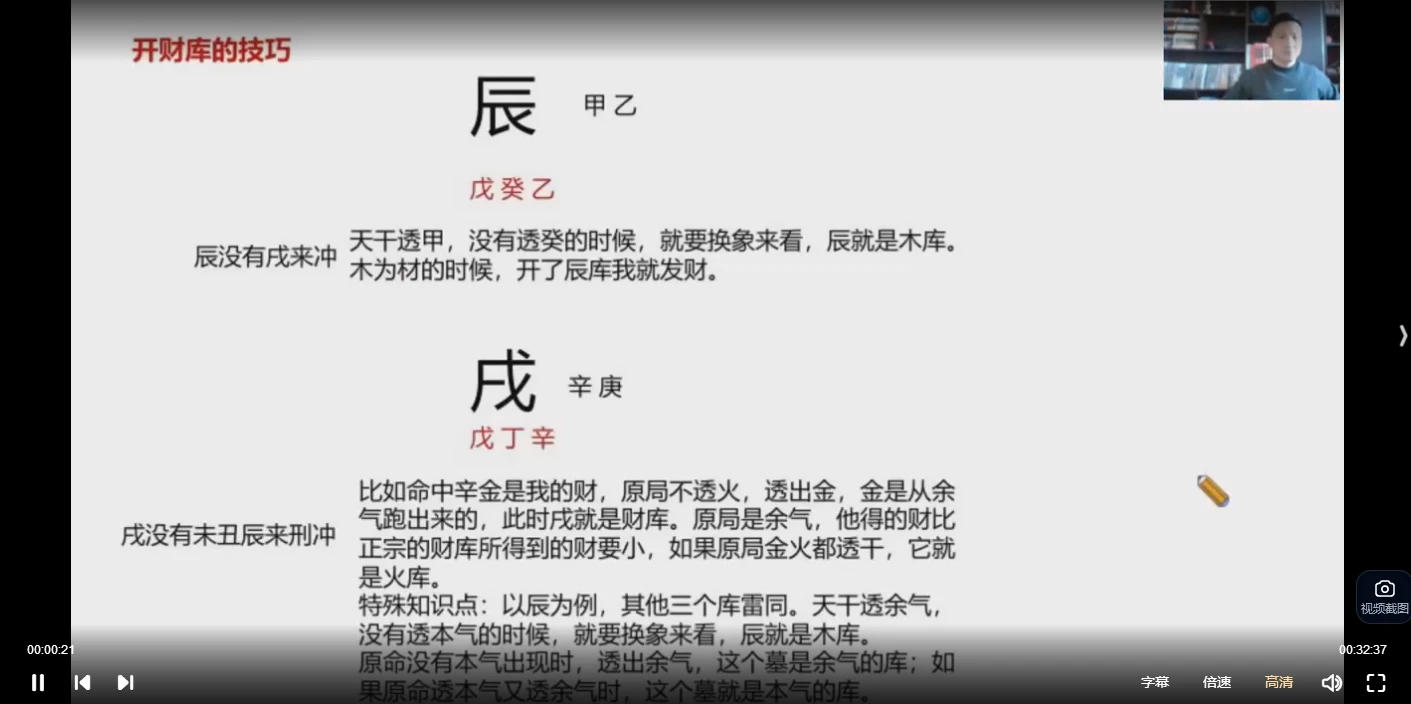
- Lesson 020: Tomb storage usage
- Lesson 021: Parents patterns
- Lesson 022: Annual year, luck cycle and original chart analysis
- Lesson 023: True, false, empty and solid
- Lesson 024: Singlehood explained
- Lesson 025: Emotional issue Taiji point conversion
- Lesson 026: Levels of prosperity and decline
- Lesson 027-028: Pattern analysis
- Lesson 029: Annual year and luck cycle timing
- Lesson 030: Emotion and marriage
- Lesson 031: Chuan Gong Ya Yun
- Lesson 032-034: Judging divorce possibilities
- Lesson 035: Four storage branches interaction
- Lesson 036: Treating Officer and Killings as Wealth
- Lesson 037: Parents positioning analysis
- Lesson 038: Virtual invitation, clamping and void
- Lesson 039: Lu method emotional analysis
- Lesson 040: Education level
- Lesson 041-042: Father and mother timing patterns
- Lesson 043: Root and source timing theory
- Lesson 044-045: Officer and Killings usage and pattern combinations (Parts 1-2)
- Lesson 046: Twins and birth hour
- Lesson 047-048: Eating God and Hurting Officer controlling Officer and Killings (Parts 1-2)
- Lesson 049: Owl Seal control and transformation (Part 1)
- Lesson 050: Wealth and Seal (Part 2)
- Lesson 051: Rob Wealth and Wealth Star (Part 1)
- Lesson 052-059: Luck cycle and annual year timing (Parts 1-7)
- Lesson 060-061: Six Relatives palace positions (Parts 1-3)
- Lesson 062-067: Movement and stillness triggering (Parts 1-6)
- Lesson 068: Good marriage explained
- Lesson 069: Palace and star condition analysis
- Lesson 070-072: Career level assessment
- Lesson 073-074: How to define Wealth Star
- Lesson 075-077: Career level root seeking
- Lesson 078-080: Root seeking efficiency and level
- Lesson 081-084: Tomb storage work
- Lesson 085-088: Health section
- Lesson 089-090: Education and career direction
- Lesson 091-092: Emotion section with examples
- Lesson 093-108: Proper control and transformation
- Lesson 109: Original chart, luck cycle and annual year
- Lesson 110-125: Advanced class internal training and tutoring
Who This Resource Is For
This course is suitable for students who already have a foundation in BaZi or Four Pillars and want to advance their pattern analysis and case interpretation skills. It is also appropriate for learners interested in Chinese metaphysics as a cultural and historical subject. The material is presented in Chinese and assumes familiarity with basic terms such as Heavenly Stems, Earthly Branches and Ten Gods. It is not intended for those seeking guaranteed predictions or professional certification. Students who wish to study at their own pace and learn through structured video lessons and case examples will benefit most.
Learning Format and Digital Delivery
- Digital video course with 75 high-definition video lessons
- 125 core files in total, approximately 37.85GB
- Taught in Chinese by an experienced instructor
- Self-paced online learning with lifetime access
- Structured modules from advanced theory to practical case analysis
- Includes case studies and internal training sessions
Original Course Material Images
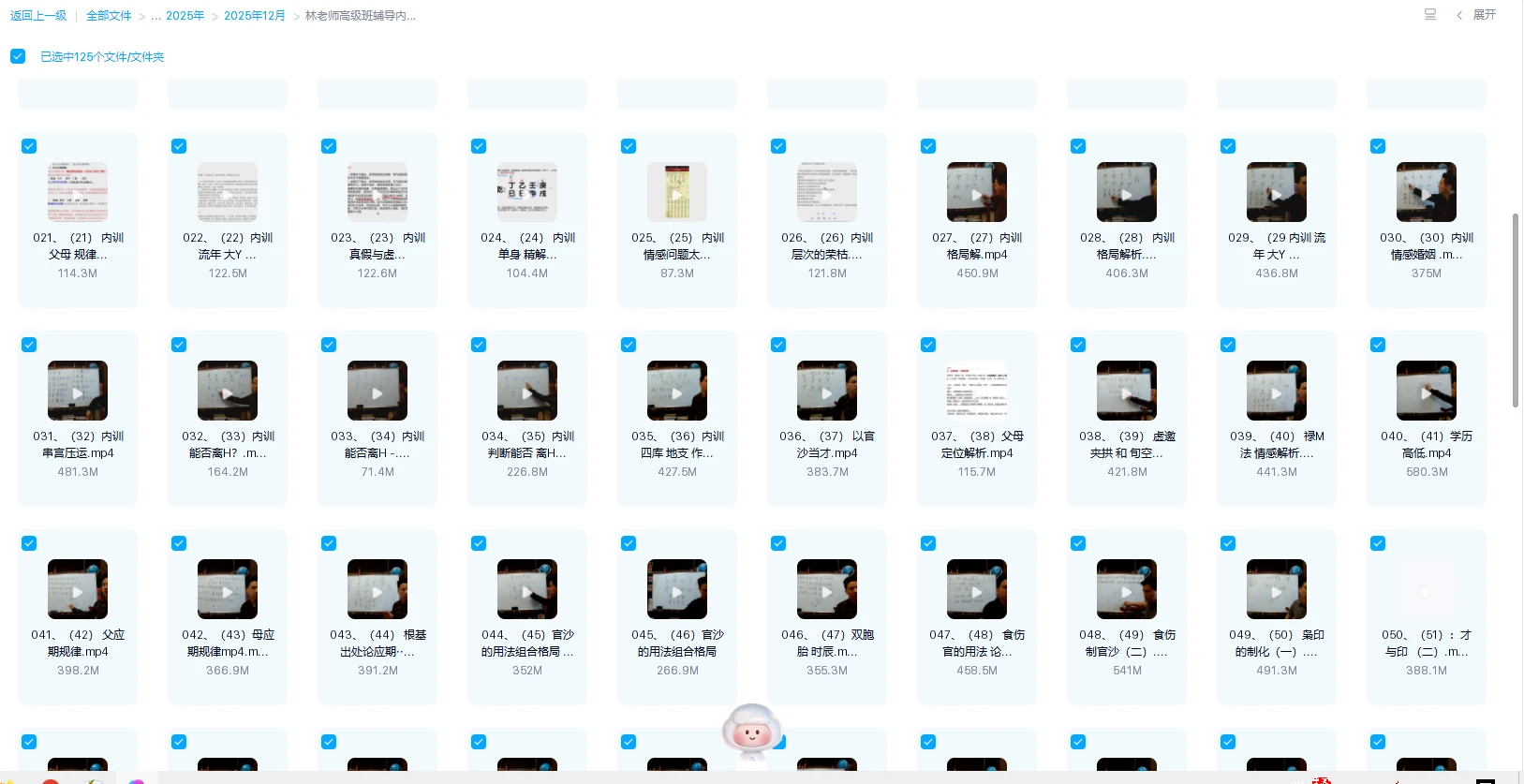
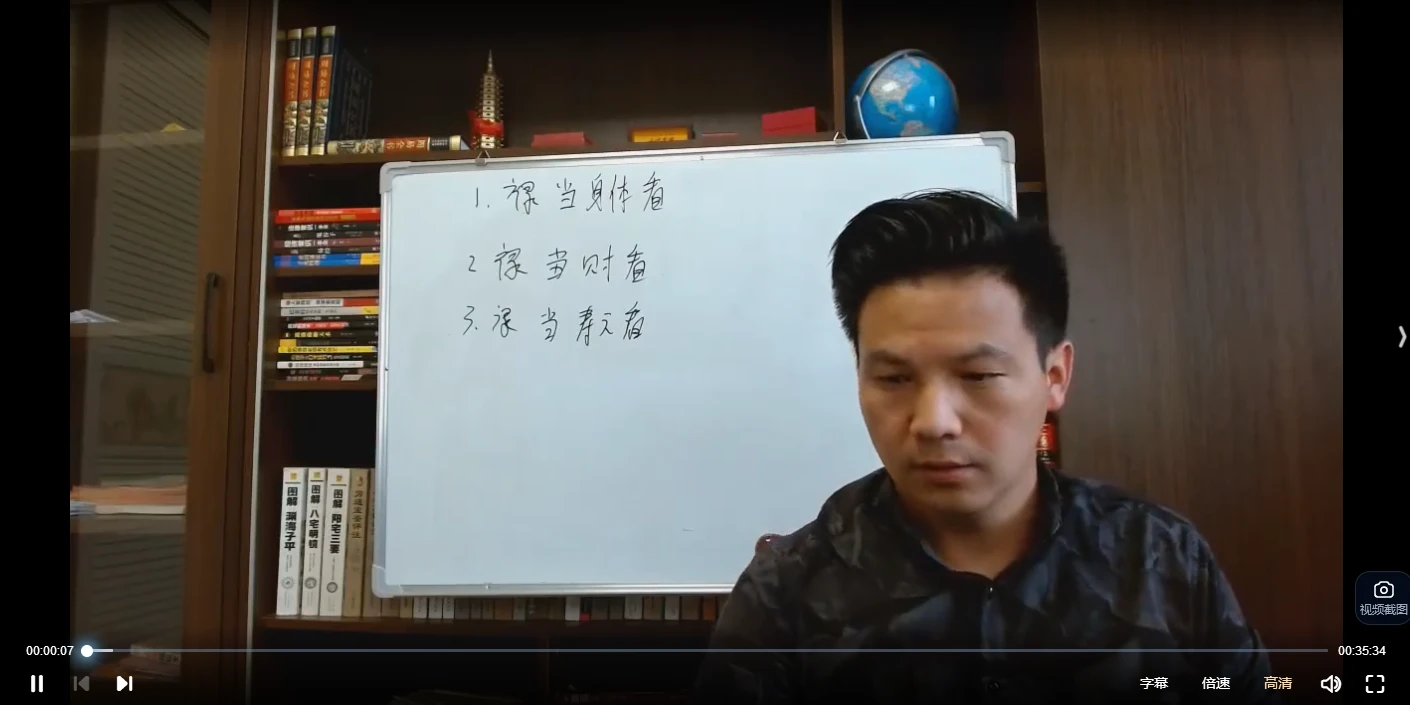
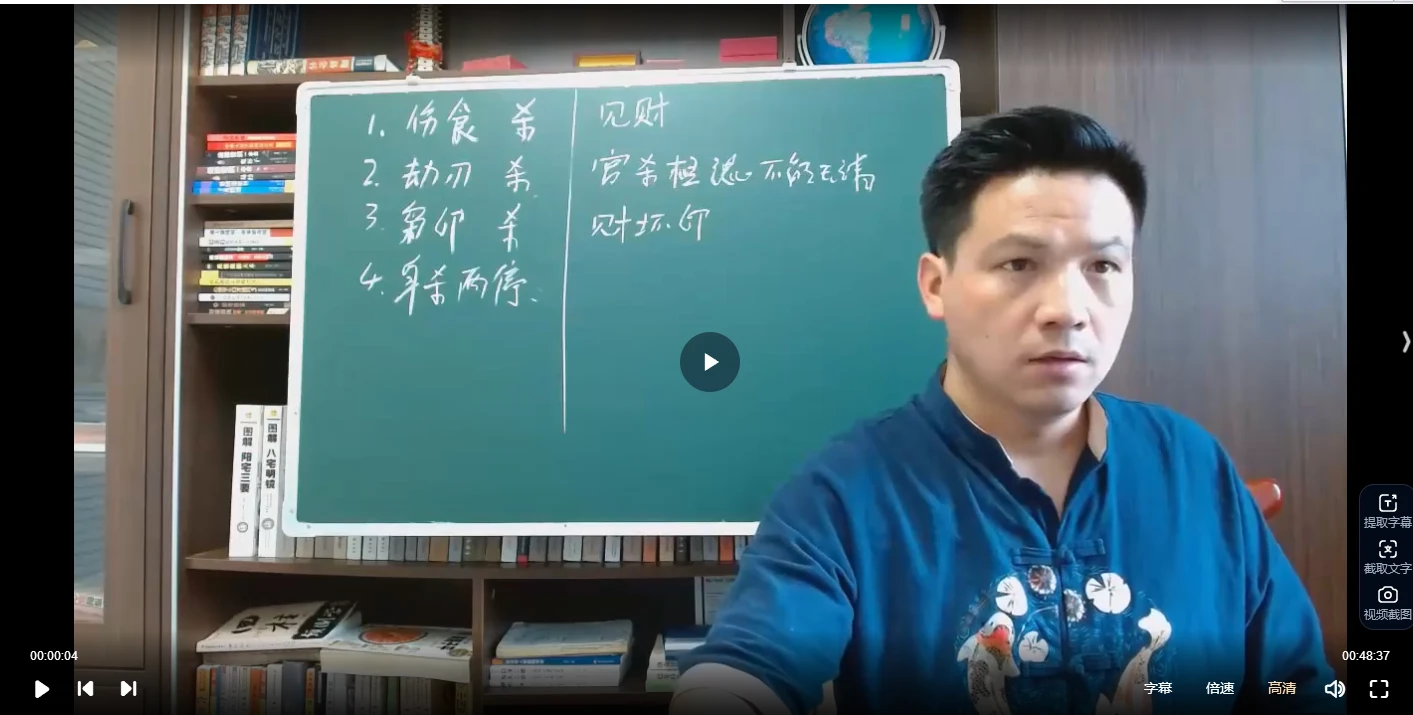
The original course images are preserved below so learners can identify the course package and supporting materials.
Editorial Note
This English page is an educational adaptation of verified Chinese course material. Karma Kismet reorganizes the curriculum for English-language discovery while keeping BaZi within a cultural, historical and symbolic study context.
Frequently Asked Questions
Is this course suitable for complete beginners?
This is an advanced course. It is best suited to learners who already understand basic BaZi concepts such as Heavenly Stems, Earthly Branches and the Ten Gods. Complete beginners may find the pace and terminology challenging.
What language is the course taught in?
The course is taught in Chinese. All video lessons and materials are in Chinese.
Does this course guarantee accurate predictions?
No. This course presents BaZi as a cultural, historical and symbolic study. It does not guarantee any specific life outcomes or predictive accuracy.
How is the course delivered?
The course is a digital product delivered as video files and supporting materials. After purchase, you receive access to the full set of 125 files, including 75 videos.
Related BaZi Courses
- BaZi From Zero Course Collection: 11 Beginner Modules
- Zhang Weiguang Daoist BaZi Practical Chart Reading Course: 320 Lessons
- Ten Heavenly Stems and Day Master Study Course
- Blind School BaZi Foundations and Ten Gods System Course: 70 Lessons
- Hu Yiming Feng Shui and BaZi Five Elements Course Collection
- Mu Yi Four Pillars BaZi Luck Pillars and Annual Flow Course
- Zheng Minsheng BaZi Marriage Compatibility Course: 20 Lessons
- Li De Advanced BaZi Practitioner Training Collection: 162 Lessons
- Zhu Yu Yi Jing, Qi Men and BaZi Course Bundle: 11 Collections
Reading the advanced inventory carefully
The source identifies this collection as Teacher Lin's advanced BaZi internal training and names topics that make it more specific than a general Four Pillars overview. The early inventory includes Lu star application, resource symbolism, officer and seven-killings applications, Yang Blade, peer and wealth relationships, pattern analysis, seasonal adjustment, and distinguishing true and false useful gods. These topic names provide a source-based route for review. They do not establish the teacher's credentials or guarantee that the interpretations predict career, income, relationships, or health outcomes.
The listing uses outer file numbers and internal lesson numbers that do not always match. Preserve both when indexing a video. A source may have gaps or numbering inherited from a different arrangement, and renumbering it from memory can make later references unreliable. The introductory text reports seventy-five high-definition videos and 125 core files, while the inventory contains a more extensive numbered sequence. Treat those as the source's descriptions rather than resolving the relationship between counts by guessing. The actual supplied package should establish its file inventory.
Study the difference between a definition and an application
The source names both a discussion of defining the wealth star and several discussions of career level and its underlying basis. This distinction is useful for advanced learners. A symbolic definition tells you how a term functions in the method; an application explains how the author uses that term in a larger argument. Keep them separate in your notes. If you jump straight to a career conclusion, you may miss that the teacher is using a term differently from its ordinary English meaning or from another BaZi source.
For one available example, record the chart information, the relevant label, the stated conditions, and the conclusion attributed to the teacher. Then ask whether the example explains why that feature takes priority. The inventory's topics about true and false useful gods, empty and solid, and palace-star conditions suggest that qualifications deserve attention. The titles themselves do not tell you the complete rules. Use the actual explanation to fill your notebook and leave unresolved conditions visibly unresolved rather than constructing a tidy method from familiar vocabulary alone.
Keep timing and subject matter distinct
The source lists a sequence concerning luck-period and annual timing, another concerning movement and stillness, and later thematic discussions of career and wealth. When reviewing these, note which timing layer is being compared and which life theme is being interpreted. A symbolic comparison does not by itself establish an actual employment outcome or a financial result. If an example supplies an event, keep that event information separate from the teacher's explanation so that you can see what was known before the reasoning was presented.
Your personal review can aim for a clear explanation of one complete argument, with file references and conditions, instead of attempting to summarize the entire advanced collection immediately. The course's internal-training wording describes material in the source; it does not establish that present-day live tutoring, lifetime access, or a professional award accompanies the files. Useful study means improving the precision of your notes and recognizing the assumptions of the traditional framework. Practical decisions about work, money, or health still require direct information beyond symbolic chart interpretation.