Volume two of Zeng Yong's pattern-method collection is listed as 188 videos. The volume designation matters: this is a substantial continuation resource, not a claim that all prerequisite material is included.
Course Overview
Zeng Yong BaZi Pattern Method: Volume Two is a digital study resource in the BaZi Structures & Patterns collection. This English product guide explains the listed material; the original recordings and documents are in Chinese. English subtitles or translated full lessons are not included unless separately stated.
Course Contents and Learning Focus
- Zeng-family pattern-method teaching
- Volume-two scope and prerequisite awareness
- The 188-video collection
- Original teaching and document previews
What You Will Learn
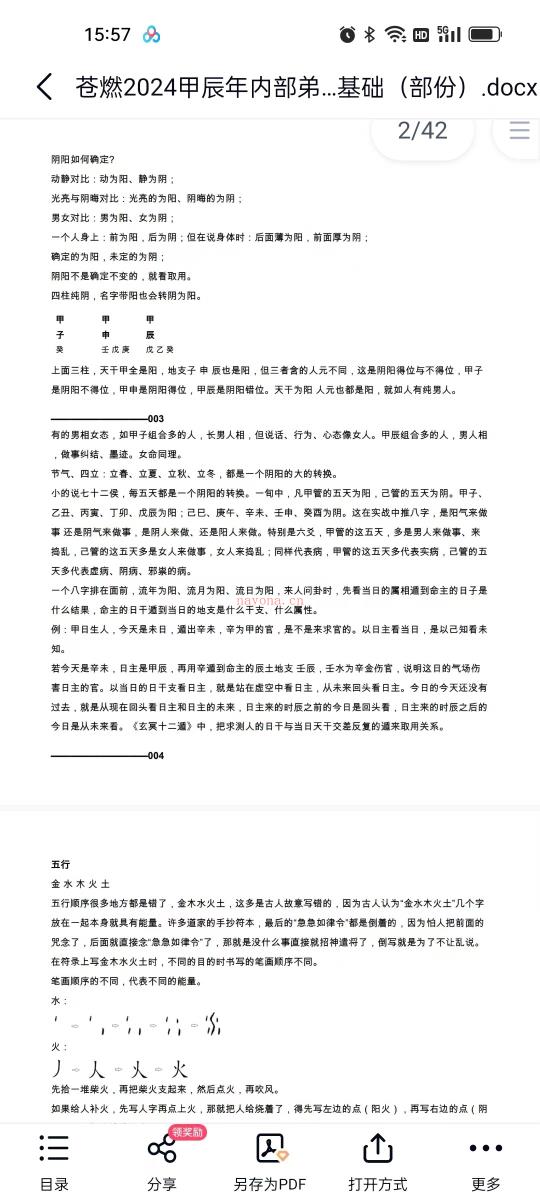
Use the listed topics to identify the scope of this resource, follow its recorded sequence and compare the original diagrams with your study notes. Where individual lesson names are not supplied, the preview images are provided instead of an invented syllabus.
Original Course Previews


Who This Course Is For
For learners who can follow Chinese-language material and want to study BaZi Structures & Patterns. Check the format and previews before buying. Intermediate or continuation courses assume familiarity with the relevant foundations and do not imply that prerequisite courses are included.
Learning Format and Digital Delivery
Format: 188 recorded video lessons. Price: USD 9.00. This is a virtual, downloadable product; no physical shipment is required. The download link has not yet been attached to this listing and will be added by the store. Contact us before ordering if you need to confirm delivery timing; immediate automatic file access is not promised.
Frequently Asked Questions
Is the course taught in English?
No English-language recording or subtitle track is confirmed. This description is in English; the underlying course material is Chinese.
What is included?
188 recorded video lessons. Review the course contents and original previews for the stated scope.
Will a physical item be shipped?
No. This is a digital learning resource.
Is a certificate or personal consultation included?
No certificate, accreditation or individual consultation is promised by this listing.
Editorial Note and Disclaimer
Karma Kismet has organized the course listing and available directory into this English guide. Lesson counts refer to the supplied listing, not an independent review of every recording. For traditional and cultural study, not guaranteed predictions, financial advice or assured personal outcomes.
Related Courses
- Shanyang Blind School BaZi: 20 Lessons
- Cangran Dongze Blind School BaZi: 2024 Disciple Course
- Sanfeng Xuanzi Zi Ping Patterns: Intermediate Course
- BaZi Stem and Branch Information: 33 Videos
Browse BaZi Structures & Patterns, review course and delivery questions, or learn about Karma Kismet.
Volume Two as a continuation resource
The course context identifies Zeng Yong's pattern-method collection as Volume Two and lists a substantial video count. The supplied source excerpt describes a pattern-centered approach covering regular and changed structures, difficult chart situations, and thematic cases, but it does not provide a readable individual lesson inventory. These are different levels of information. The volume label helps identify the resource; the actual package must establish its detailed sequence. This companion therefore offers a continuation-study method without inventing module names, assigning topics to lesson numbers, or implying that Volume One is included.
The source also advertises a large case count and unusually dramatic examples. Those statements should not be used as proof of predictive ability or expanded into success stories. What can be studied carefully is the framework presented in the material: how patterns are defined, how exceptions are handled, and how reasoning is applied to the cases actually available. A continuation volume can be valuable as a focused traditional reference, but its length and promotional language do not establish accreditation, mastery, or guaranteed outcomes for a learner.
Establish what the volume assumes
Before committing to a long study sequence, examine an available opening section and list the terms it uses without defining. These may reveal the background knowledge assumed by the volume. Record the terms as preparation questions rather than guessing that a missing explanation must appear in a prerequisite course you do not have. The volume designation alone does not settle exactly what is assumed. A careful first pass can distinguish concepts you already understand from concepts that need verification within the actual files.
If you use a separate foundation text to resolve a term, keep that explanation labeled as outside background. Do not attribute it to Zeng Yong simply because it helps you follow his material. This distinction is especially useful in pattern study, where identical English translations can conceal different definitions or priorities. Your notebook should make those source boundaries visible. A learner can use several resources productively without pretending they form one unified method or that every prerequisite explanation belongs to the continuation volume.
Build the inventory from the files
Create a personal index using original filenames and visible headings. Add a short description only after inspecting the content. If a sequence has unclear numbering or repeated items, preserve that fact and mark it for review. Do not clean the index by inventing a lesson order that appears more logical. An index should help you locate evidence again. It should also distinguish a file that is absent from one whose title is unfamiliar or whose relation to another item remains uncertain.
For a large collection, a useful index can include the subject, source location, terms introduced, and questions for later study. Keep the entries brief enough to maintain. A long transcript of every session may become difficult to use, while a short reference tied to an actual explanation can serve you well. The source excerpt's missing directory does not prevent useful organization; it means the organization must be discovered from the material rather than presented as a confirmed official curriculum on the basis of a promotional summary.
Make pattern definitions inspectable
Choose one pattern discussed in the actual material and record how the teacher identifies it. Write down the chart features, necessary conditions, and any qualifications. Then distinguish the identification from the thematic interpretation attached to it. A pattern name is a classification within the tradition. It does not directly measure a person's income, abilities, or worth. Keeping classification and thematic claims separate allows you to understand the method's internal reasoning without turning a technical term into a verdict about a real person's life.
If the volume discusses a changed or exceptional structure, compare it with the regular definition it references. Ask which condition changes and why that change matters to the explanation. Use the actual material for the comparison. The source summary names regular and changed structures broadly, but it does not establish a complete list of types or transformation rules. A careful notebook can retain the source's distinction while honestly acknowledging when a detailed definition still needs to be found or clarified.
Difficult charts need visible uncertainty
The promotional excerpt names situations translated roughly as strength without support and mixed officer or seven-killings conditions. Those phrases identify possible study interests; they do not tell us how every such chart is resolved in the volume. When a difficult example appears, begin with the notation supplied and list the specific question the teacher addresses. Then follow the reasoning step by step. If an input or intermediate condition is missing, record the gap rather than completing it with a familiar rule from another approach.
An advanced resource can be studied without forcing every example into a single tidy conclusion. Sometimes the useful outcome is understanding why a case is difficult or which assumption changes its classification. Your notes should allow that outcome. A confident-looking interpretation built on an invisible assumption offers less learning value than an honest explanation of what remains unresolved. This is also a way to keep the study proportionate to the evidence when a source's sales language encourages the impression that every unusual chart has a decisive answer.
Dramatic cases are subjects of analysis
If a case concerns bankruptcy, sudden wealth, marriage, or another consequential event, separate the case information from the symbolic argument. Note whether the outcome was already known when the explanation was made. A retrospective reading is not equivalent to a forecast documented before an event. Both can show how a traditional framework is used, but the distinction matters when assessing what the example demonstrates. Do not add precise dates, amounts, or personal details absent from the material to make the story more convincing.
For one case, write a neutral summary in attributed language. The teacher reads a feature as a theme under particular conditions. Then list one alternative question or missing piece of context. This does not require rejecting the whole framework; it helps you report the example accurately. Practical concerns around money or relationships need direct information beyond a chart. The course can be examined for its method without being treated as investment guidance, debt advice, or an assurance that an apparent pattern predicts a dramatic event.
Set a continuation-study milestone
Choose a modest project before attempting the whole volume. You might trace one defined pattern through a regular example and an exceptional example, with references and retained conditions. At the end, explain the difference in clear English without relying on an impressive label. If you cannot, identify the passage you need to revisit. This project gives a long continuation resource a manageable purpose. It is a personal study suggestion, not an assignment or assessment confirmed by the source excerpt.
Useful progress means better definitions, a reliable index, and the ability to show how a pattern argument is constructed. It does not mean that the volume designation confers status or that a large collection guarantees complete understanding. Approach Zeng Yong's Volume Two with source-specific terminology and careful case notes. The actual material must establish the detailed curriculum, while your responsibility as a reader is to preserve conditions, acknowledge gaps, and distinguish traditional symbolic interpretation from independently verified facts about a person's life.