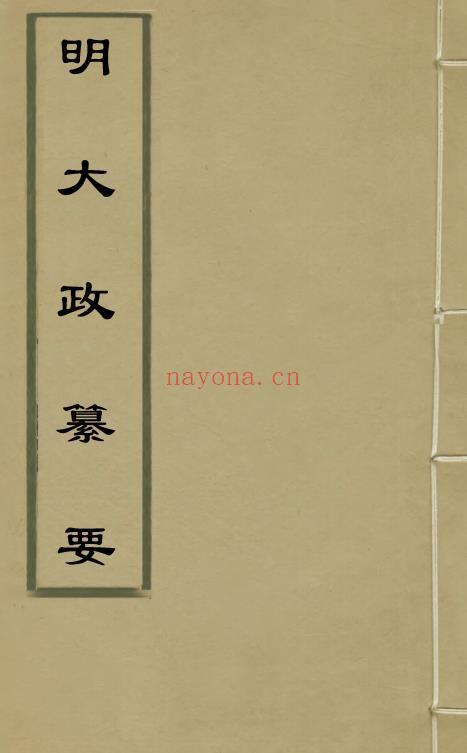
A five-video introduction to Wang Yangming thought attributed to Wen Keran. The source names the philosophical tradition rather than a university credential.
Resource Overview
Wang Yangming Learning of the Mind: Five Videos is a digital learning resource about Confucianism. The English description summarizes the available source listing; the underlying recordings or books are in Chinese. An English translation of the full material is not confirmed.
What You Will Learn
Use the sequence and preview material below to identify the course’s scope, terminology and teaching approach. Check each topic against the original lesson rather than treating a short listing as a complete transcript.
Course Contents
- Wang Yangming
- Learning of the Mind
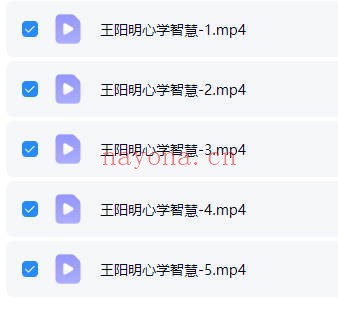
- Five-video sequence
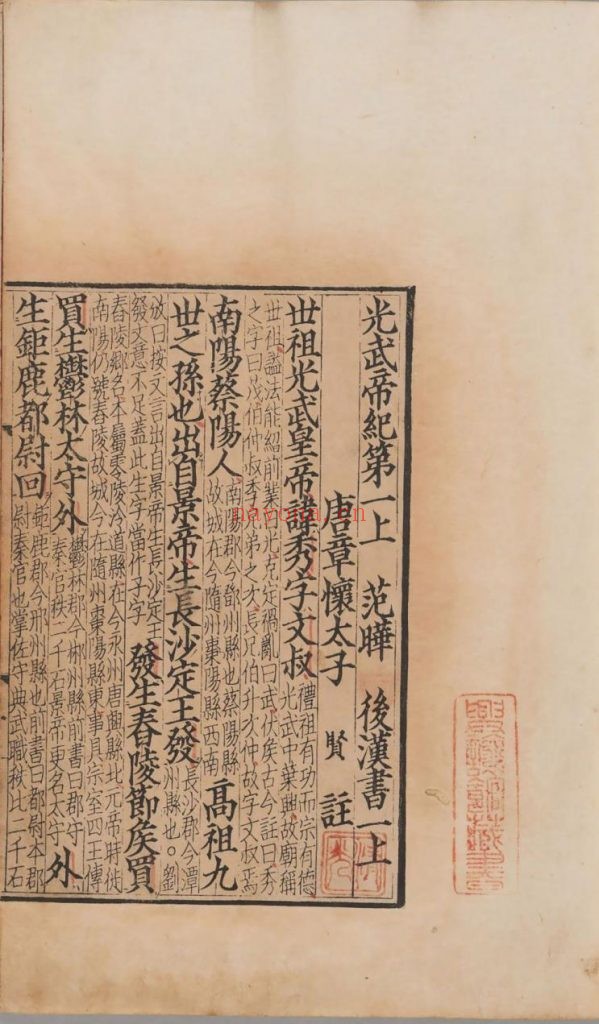
Original Course Images

Who This Resource Is For
This resource is for readers or learners who can use Chinese-language materials and want a named resource on Confucianism. Compare the stated scope and previews before ordering; a fixed level of prior experience is not assumed unless the source directory says so.
Learning Format and Digital Delivery
Five Chinese-language videos Virtual and downloadable; there is no physical shipment. Price: USD 9.00. A file link is not yet attached to this product. Please contact Karma Kismet before ordering to confirm delivery arrangements; immediate automated access is not promised.
Frequently Asked Questions
Is the full material in English?
No English edition, recording or subtitle track is confirmed. The source material is Chinese-language.
Is a personal consultation included?
No individual consultation is listed with this resource.
Does this resource guarantee an outcome?
No. It is for educational and cultural study, not a guaranteed result or substitute for professional advice.
Editorial Note
Karma Kismet translated and organized the course facts and original previews for English readers. Lesson counts and formats follow the available source listing; unspecified contents, certificates and instructor credentials are not asserted.
Related Courses
Browse Confucianism and read digital delivery information.
The five video identification
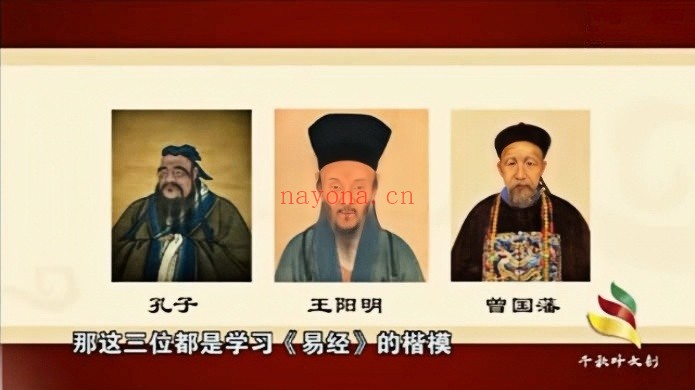
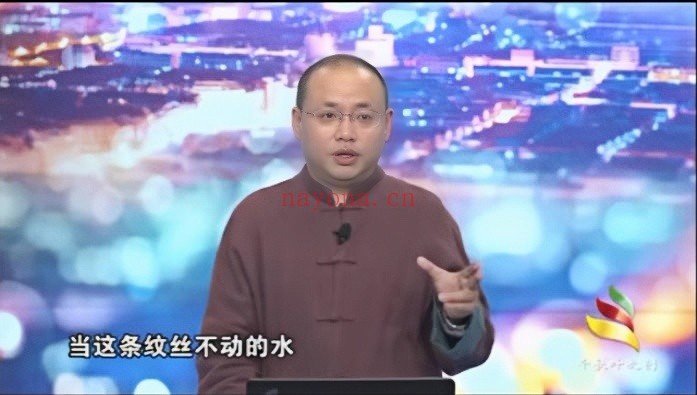
The source names Wen Keran’s Wang Yangming Learning of the Mind resource as five videos. It supplies screenshots but no transcribed lesson directory. That establishes the presenter attribution, named philosophical subject, and recording count without establishing the topics of individual episodes. The English title is an orientation aid, not a complete syllabus. A reader interested in a particular passage, concept, or historical event should confirm its presence in the actual recordings rather than assuming that a short introductory series covers every familiar subject associated with Wang Yangming.
The resource belongs to Confucian study in the existing record. It should be approached as an interpretation of a named philosophical tradition rather than as a university credential or a guaranteed method of personal success. Five recordings do not establish five days, five examinations, or a complete curriculum. The source provides no verified total duration or English translation. Begin by observing how Wen Keran introduces the purpose and audience, then use the recordings themselves to determine the course’s structure and explanatory approach.
Listening for the central question
On a first viewing, identify the question the presenter is trying to answer. It may concern a term, an argument, a historical example, or an application, but the supplied source does not settle which. Write the question before summarizing the conclusion. This keeps your notes connected to the actual discussion and reduces the chance of importing a familiar account of Wang Yangming into an episode that addresses something else. A named tradition can contain several lines of inquiry, and a short series may choose only part of that range.
When the presenter offers a definition, record the wording and the context in which it is used. If you write in English, preserve the Chinese expression as well. Terms translated as mind, knowing, conscience, or learning may carry meanings that are not captured by everyday English. These are examples of translation questions a reader may encounter in the subject area, not verified lesson titles for this course. The actual recording should lead the glossary. Do not assume a supplied bilingual dictionary or transcript when the listing does not confirm one.
History and philosophical interpretation
A talk about a historical thinker may move between biography and ideas. Distinguish an event account from an interpretation of what the event means. If a passage is quoted, identify its source when the recording supplies it. If the source is not given, mark the attribution as a question rather than assigning a familiar text from memory. A story can illustrate a philosophical point without proving every detail of a historical reconstruction. The five video title does not establish a complete biography or a critical edition of Wang Yangming’s writings.
For an argument, ask what claim is proposed and what reasons are offered. A memorable example may make an idea easier to understand, but an illustration is not always a demonstration. If the presenter moves from a general statement to advice, identify the step in that move. You can find a passage thought provoking while remaining uncertain about its practical scope. This is a general study method suited to a philosophical introduction; it does not assert that every episode contains a formal debate or a prescribed reflective exercise.
A notebook suited to a short series
Create one page of notes for each of the five recordings. Include the actual filename or episode identifier, the main question, a term needing clarification, and a passage you want to revisit. After the fifth recording, write a brief account of the connection you observed among the episodes. Do not invent a sequence in advance. If the recordings form a continuous argument, your notes can show it; if they address separate subjects, preserve that arrangement. A short series can be useful without being forced into a five step program.
On a second viewing, check whether your first summaries remain accurate. An early phrase may receive qualification later, or a later example may reveal a distinction you missed. Revise the note openly. This helps separate understanding from familiarity: remembering a slogan is not the same as knowing how the presenter explains it. The video count does not measure mastery. Choose a pace that allows you to understand the Chinese discussion, and leave unresolved questions visible rather than treating completion of the files as evidence that every issue has been settled.
Connecting ideas with ordinary reflection
If a passage seems relevant to your own conduct, describe that relevance as a personal interpretation. You might use an idea to ask whether an action fits a value you hold or whether you have understood a responsibility clearly. These are possible reader questions, not promised course outcomes. A philosophical resource cannot determine another person’s motives, resolve a factual dispute without evidence, or guarantee that a choice will succeed. Keep reflection connected to what you can observe and to the information an actual decision requires.
Avoid converting confidence about an inner feeling into certainty about external facts. A person can feel convinced and still need to check an agreement, deadline, or another person’s perspective. The Learning of the Mind title does not establish that the course teaches otherwise; it is simply a reason to preserve the distinction when applying philosophical language. If a lecture makes a broad practical claim, record it as the presenter’s claim and examine its limits. This allows respectful engagement with the tradition without turning it into authority over every modern problem.
Comparing with another Confucian resource
If you also study Mencius or another Confucian work, choose a specific question for comparison and identify the passages involved. A shared category does not establish identical vocabulary, historical setting, or conclusions. The Wen Keran resource and Fu Peirong’s Mencius series are separately named products with different recording counts. Do not transfer episode topics or presenter statements between them. A comparison is useful when it clarifies how each resource frames a question, not when it merges both into a generic account of Confucian wisdom.
For discussion with another viewer, begin with an episode reference and distinguish what you heard from what you inferred. Invite a different reading of the same passage. No facilitated group or direct access to Wen Keran is confirmed, so any discussion is independently arranged. Readers who need personal guidance, a specific academic qualification, or an English version should not infer those features from a short video listing. The recordings themselves are the resource, and their suitability depends on the language, explanation, and subjects actually presented.
Checking the fit before ordering
Confirm the five video files, Chinese language, and digital delivery arrangements before choosing the course for your purpose. If a particular concept or text is essential, ask for direct confirmation because the supplied source lacks a directory. Screenshots cannot establish the clarity or completeness of every recording. No physical book, live class, certificate, or guaranteed personal result is implied. Choose it for the named presenter and Wang Yangming subject, then evaluate the teaching through attentive viewing and precise notes. A clear question and a willingness to revise an interpretation can make a small series a meaningful starting point for further study.