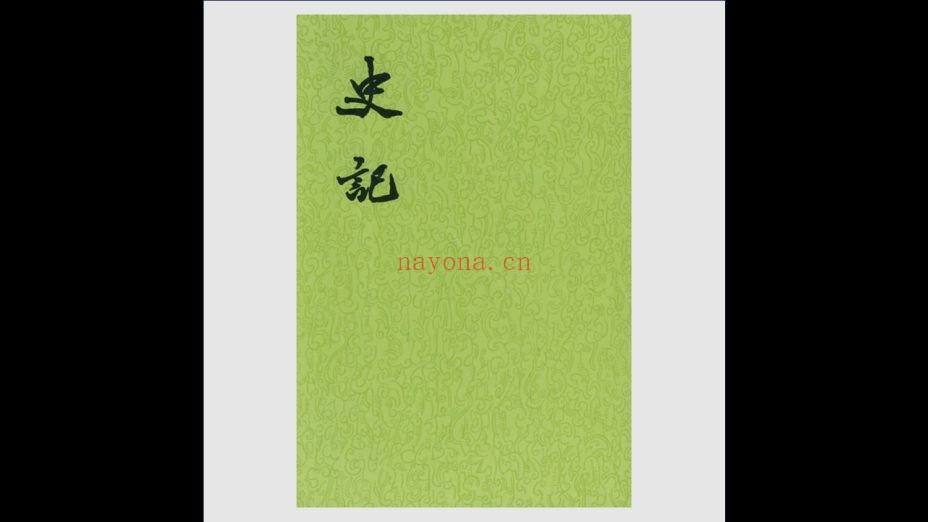
Fu Peirong discusses Mencius in a twelve-video series. This is a named Confucian thinker course, distinct from the Wang Yangming resource.
Resource Overview
Fu Peirong Questions for Mencius: Twelve Videos is a digital learning resource about Confucianism. The English description summarizes the available source listing; the underlying recordings or books are in Chinese. An English translation of the full material is not confirmed.
What You Will Learn
Use the sequence and preview material below to identify the course’s scope, terminology and teaching approach. Check each topic against the original lesson rather than treating a short listing as a complete transcript.
Course Contents
- Mencius
- Confucian inquiry
- Twelve-video series
Original Course Images

Who This Resource Is For
This resource is for readers or learners who can use Chinese-language materials and want a named resource on Confucianism. Compare the stated scope and previews before ordering; a fixed level of prior experience is not assumed unless the source directory says so.
Learning Format and Digital Delivery
Twelve Chinese-language videos Virtual and downloadable; there is no physical shipment. Price: USD 9.00. A file link is not yet attached to this product. Please contact Karma Kismet before ordering to confirm delivery arrangements; immediate automated access is not promised.
Frequently Asked Questions
Is the full material in English?
No English edition, recording or subtitle track is confirmed. The source material is Chinese-language.
Is a personal consultation included?
No individual consultation is listed with this resource.
Does this resource guarantee an outcome?
No. It is for educational and cultural study, not a guaranteed result or substitute for professional advice.
Editorial Note
Karma Kismet translated and organized the course facts and original previews for English readers. Lesson counts and formats follow the available source listing; unspecified contents, certificates and instructor credentials are not asserted.
Related Courses
Browse Confucianism and read digital delivery information.
Identifying the Mencius series
The existing product record identifies Fu Peirong’s Questions for Mencius as a twelve video Chinese language series. The supplied source excerpt does not add a usable episode directory or a detailed introduction. This means the named presenter, Mencius subject, and recording count are the available anchors, while individual lesson topics, total hours, and accompanying texts remain unconfirmed. The description should not fill those gaps with a presumed syllabus from another lecture series. If you need a particular passage or discussion, verify it in the actual recordings before choosing the resource for that purpose.
The title suggests an inquiry oriented resource, but it does not establish a list of twelve questions or prove that each video answers one question. Twelve recordings also do not establish a twelve day program, an assessment, or a formal qualification. The material belongs to Confucian study in the product record, and an English version is not confirmed. Begin with the actual opening recording and observe how Fu Peirong introduces the subject and audience. That is a stronger basis for planning study than assumptions drawn from a short translated title.
Keeping the classical work and the lecture distinct
When a presenter discusses Mencius, a recording may contain quotation, paraphrase, interpretation, historical context, or a modern example. Identify these layers as you watch. A modern example can illuminate a passage without becoming part of the classical text. A paraphrase can help comprehension without preserving every distinction in the original wording. If the lecture quotes a passage, record the chapter or reference when supplied. If no reference is given, leave it as a question rather than assigning one from memory.
A separate edition of Mencius can be useful for checking a quotation, but no particular edition is confirmed as included with this product. Identify the edition you choose and compare its wording with the recording. Differences may concern translation, punctuation, or explanation. Do not assume a disagreement before determining what is being compared. The English product title is not a substitute for the Chinese text or the speaker’s actual wording. Careful references allow you to return to a passage and distinguish the lecture’s interpretation from your own summary.
Finding the question behind an explanation
For each video, write the question the presenter addresses before writing the answer you think is offered. A discussion may concern a definition, an argument, or the setting of a conversation in the text. The supplied record does not establish which questions are covered, so the actual lecture must lead the notes. This inquiry habit fits the resource’s title without inventing episode contents. It can also reveal when an example responds to a narrower issue than a viewer initially assumes.
When a claim is made, ask what supports it in the lecture. Is the presenter interpreting a phrase, comparing passages, offering a historical account, or drawing an analogy? These forms can work together, but they do different things. A analogy may clarify a point while leaving its broader validity open. A historical explanation may orient the text without prescribing conduct today. A fair summary preserves the kind of reasoning being used. You can remain interested in the discussion while reserving judgment about a conclusion that needs more evidence or context.
Vocabulary in a Chinese language course
Technical or classical expressions can be difficult even for someone comfortable with modern Chinese. Keep a small glossary based on terms actually used in the recording. Include the original expression, the episode reference, and the explanation given. If you add an English equivalent, treat it as provisional where necessary. A broad word such as virtue or benevolence may not capture every distinction in a particular passage. These are possible translation concerns in the subject area, not a confirmed list of course themes.
Review the glossary after several videos. If a later explanation changes your understanding, revise the entry and preserve the relevant reference. A recurring term may be used differently depending on the question being addressed. Avoid making one isolated definition carry the entire series. The source does not confirm subtitles, a transcript, or bilingual teaching support. Readers who rely on those features should seek direct confirmation. The English description can orient selection, while the Chinese recordings supply the actual explanation.
A twelve recording study log
Use one short entry for each recording, with its identifier, central question, textual reference if stated, and one unresolved issue. After a few episodes, look for continuity rather than assuming a fixed unit structure. If the presenter returns to an earlier passage, note the new context. If a video stands alone, preserve that independence. This reader made log is a practical way to work with twelve recordings; it is not an official assignment or a claim that the product provides a workbook.
A second viewing can focus on an argument you found difficult rather than the entire episode. Record where the reasoning became unclear: an unfamiliar word, an unstated premise, a comparison, or a move from text to advice. Those are different questions and may require different kinds of further reading. Finishing twelve files does not establish mastery, and pausing to clarify a passage is a reasonable part of study. A manageable pace should reflect your comprehension and purpose, not an imagined timetable attached to the video count.
Personal application with clear boundaries
A lecture on a classical thinker may prompt reflection on conduct, responsibility, or judgment. If you apply a passage to a personal situation, label that application as yours unless the presenter explicitly supplies it. A classical dialogue can raise a useful question without settling every modern circumstance. Other people have their own perspectives, and practical decisions may require direct communication or facts that no lecture can provide. The resource does not establish a consultation or individualized advice.
Avoid treating an appealing phrase as a guarantee of success or as a reason to blame someone for difficulty. Philosophical reflection is not evidence that an outcome was inevitable or that a person failed because they misunderstood a teaching. If a broad claim appears in the recording, examine its wording and context. A thoughtful reader can appreciate a perspective while asking where it applies and where additional information is needed. This keeps the course’s educational role clear and prevents personal interpretation from being presented as a promised result.
Comparison and discussion
If comparing this series with a Wang Yangming resource, identify a shared question and the specific explanations offered. They are different subjects in different named courses, and one should not inherit the other’s episode contents or presenter statements. A comparison can reveal changes in terminology or framing without forcing agreement or disagreement. Keep attribution precise. If you discuss an episode with another viewer, begin with the reference and invite a different interpretation rather than asking only for confirmation of your own reading.
No facilitated group, certificate, live teacher access, or English translation is confirmed by this listing. Confirm the actual twelve videos and delivery arrangements, especially if you require a particular passage or technical feature. The supplied source is sparse, so the strongest basis for choosing the resource is the named Fu Peirong and Mencius focus together with accessible Chinese language material. Let the recordings establish the study path, and preserve the distinction among the classical work, the presenter’s explanation, and the questions you bring to it.