A two-video historical and folk-culture study attributed to Cao and Dexiao. It brings traditional stems-and-branches vocabulary into cultural examples.
Resource Overview
Traditional Stems, Branches and Folk Culture: Two Videos is a digital learning resource about Folk Culture & Mythology. The English description summarizes the available source listing; the underlying recordings or books are in Chinese. An English translation of the full material is not confirmed.
What You Will Learn
Use the sequence and preview material below to identify the course’s scope, terminology and teaching approach. Check each topic against the original lesson rather than treating a short listing as a complete transcript.
Course Contents
- Stems and branches
- Folk-culture context
- Two-video study format
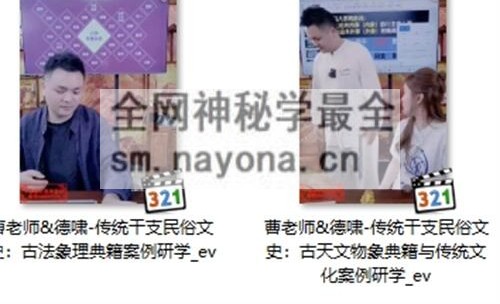
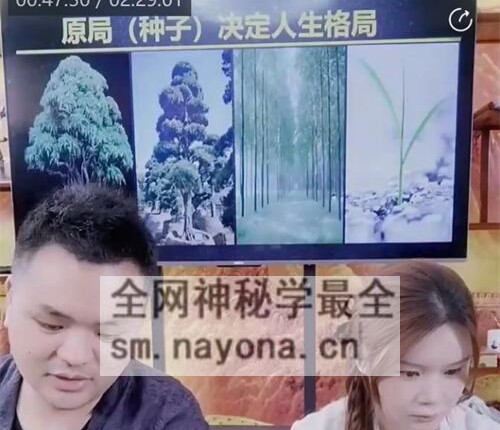
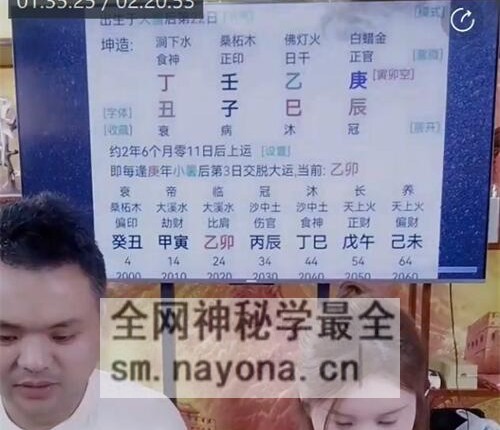
Original Course Images


Who This Resource Is For
This resource is for readers or learners who can use Chinese-language materials and want a named resource on Folk Culture & Mythology. Compare the stated scope and previews before ordering; a fixed level of prior experience is not assumed unless the source directory says so.
Learning Format and Digital Delivery
Two Chinese-language videos Virtual and downloadable; there is no physical shipment. Price: USD 9.00. A file link is not yet attached to this product. Please contact Karma Kismet before ordering to confirm delivery arrangements; immediate automated access is not promised.
Frequently Asked Questions
Is the full material in English?
No English edition, recording or subtitle track is confirmed. The source material is Chinese-language.
Is a personal consultation included?
No individual consultation is listed with this resource.
Does this resource guarantee an outcome?
No. It is for educational and cultural study, not a guaranteed result or substitute for professional advice.
Editorial Note
Karma Kismet translated and organized the course facts and original previews for English readers. Lesson counts and formats follow the available source listing; unspecified contents, certificates and instructor credentials are not asserted.
Related Courses
Browse Folk Culture & Mythology and read digital delivery information.
Stems and branches as historical and folk-cultural vocabulary
The source identifies a two-video study attributed to Cao and Dexiao, with a title linking traditional stems and branches, folk history, classical material and cases. It does not provide a dependable detailed contents list. The confirmed scope therefore supports a cultural reading approach rather than a claim about specific unlisted techniques. Begin by treating the vocabulary as something used in particular texts and practices. A term can serve as a calendrical label in one setting and carry symbolic associations in another. Understanding that shift is more useful than translating every occurrence into one broad English meaning.
What does a term do in the passage?
Choose one expression actually encountered in a recording and write down the surrounding sentence or explanation. Ask whether it identifies a time, groups something within a system, invokes a cultural association or supports an interpretive claim. These functions should not be assumed equivalent. A time label may be useful for chronology without establishing the truth of every symbolic statement attached to it. The source’s historical-and-folk framing makes function a good first question. It keeps the learner from approaching all material as either a prediction method or a list of dates.
Prepare a short entry containing the Chinese expression, a provisional English gloss and its immediate use. Add another occurrence only when it is found in the material. If the uses differ, preserve the difference rather than revising both into a single simplified definition. This is a contextual vocabulary record, not a universal conversion table. It allows a learner to see how one expression moves between kinds of explanation. A broad translation can be convenient, but it should remain accountable to the particular passage in which the term is doing work.
Calendrical identity and historical dating
When a case uses stems-and-branches notation to locate an event, preserve the original form before adding another date system. A cyclical designation may require additional context to identify one occurrence in a longer chronology. Do not assume the label alone settles an exact modern date. Look for the surrounding reign, year or other information provided by the recording or cited text. If the case lacks enough information, state the limit. This is an important distinction between recognizing a traditional label and demonstrating the date of a particular historical event.
A useful independent exercise takes one dated example and lists the information required to locate it. Separate what the source explicitly gives from what would need another reference. The exercise is complete even if the modern equivalent remains unresolved. A transparent incomplete date is better than a confident conversion made from insufficient context. If a later reference resolves the question, keep its identity beside the original notation. This prevents the conversion from appearing as if it were supplied by the two-video resource itself.
Symbolic relationships and their attribution
The title’s reference to traditional principles and images suggests a need to distinguish description of a cultural system from endorsement of every assertion made within it. When a recording associates a term with a quality, ask how the association is presented. Is it attributed to a text, explained through a case or proposed by the lecturer? Keep that attribution in an English summary. Saying that a tradition associates two things is different from claiming that the association is a scientifically established cause. Cultural study can examine the relationship without pretending that those kinds of claim have identical evidentiary standards.
For a case-based comparison, select two examples that use the same term. Describe the circumstances before comparing the interpretations. If the meanings differ, investigate whether the difference comes from the context, the source cited or the method of explanation. Do not immediately call one incorrect because it does not match a glossary entry. Equally, do not treat every possible association as equally supported. The task is to understand why a particular reading is offered and what evidence or convention the speaker uses to make it intelligible.
Classical references need a recoverable identity
When a recording cites a classical work, retain the title and the quoted passage when available. A paraphrase may make the idea accessible, but the original reference permits further study. Ask whether the lecturer is explaining a direct statement in the text or applying it to another case. Those are different interpretive actions. If a citation is too general to locate, mark it as a lead rather than a verified quotation. The source’s classical-study framing should encourage close reference work, not make a familiar-sounding attribution sufficient proof.
An English learner can compare a short quoted expression with the explanation that follows it. Identify words added to make the explanation clear and ask whether they introduce a stronger claim. The added words may be useful, but they should remain visible as interpretation. This exercise is particularly helpful with compressed traditional language, where a few characters can support several readings. It prevents a fluent English account from concealing the uncertainty or specificity of the Chinese phrase.
Folk practice is situated
A cultural case belongs to a locality, period and social setting when those are identified. Do not generalize it into a custom practiced by all Chinese communities. The source discussion refers broadly to folk culture, but the actual videos must establish the particulars of any case. Ask who participates, what the practice is said to mean and which evidence supports the description. If the account reports an ideal rather than an observed practice, say so. This preserves diversity and avoids turning a cultural label into an assertion that every person shares the same beliefs or conduct.
Learning from two recordings
Two videos can be studied carefully without imagining a larger course. Follow the actual sequence, retain a position reference for useful examples and build a short index of terms encountered. After the first pass, choose one case for deeper investigation rather than trying to extract a comprehensive traditional system. A second viewing can focus on the speaker’s reasoning: which term begins the explanation, which comparison advances it and where the conclusion goes beyond the immediately cited evidence. This makes the small collection a basis for inquiry rather than a promise of complete expertise.
Conclude with a bounded explanation of one term in one context. Include its function, the source or case used and a limit on the interpretation. The resource can support historical and cultural literacy without confirming predictive efficacy or a modern clinical application. A good study result is the ability to distinguish a date label, a symbolic association and an argument about a case, and to explain why the same vocabulary should not be read identically in every setting.