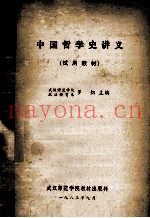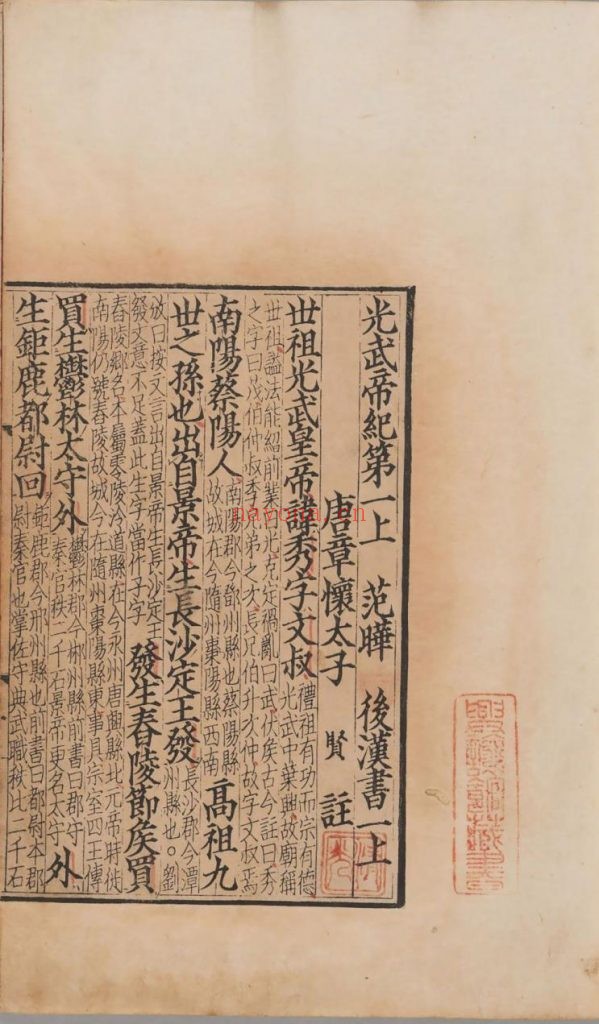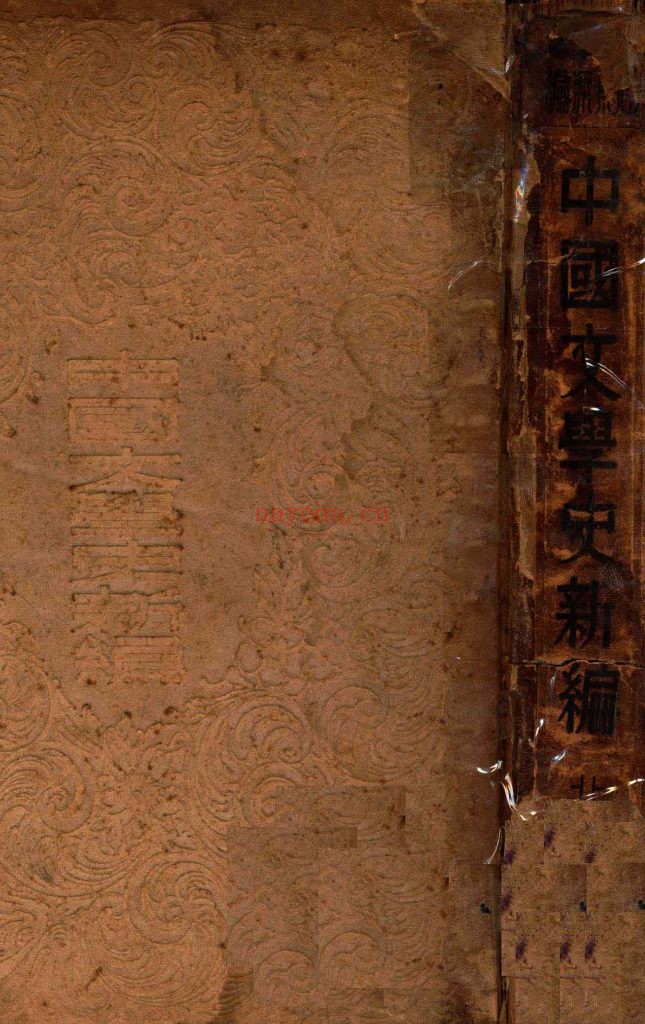
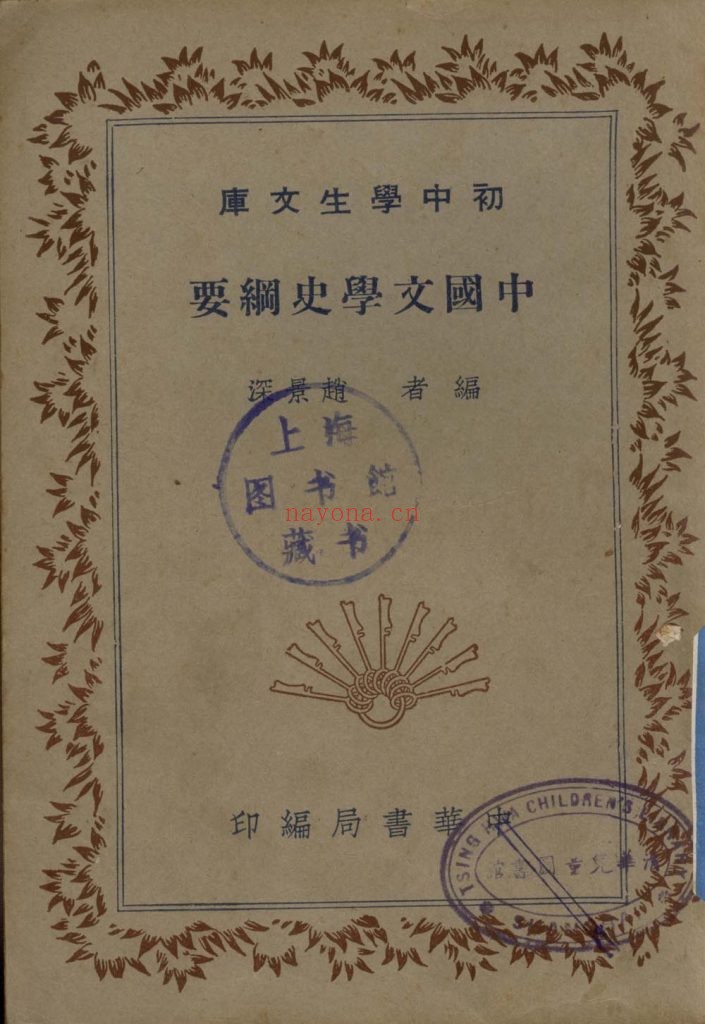
Zhao Jingshen's Outline of Chinese Literary History, listed as a 1941 Zhonghua Book Company edition. It is a distinct title from his New History.
Resource Overview
Zhao Jingshen Outline of Chinese Literary History: 1941 Edition is a digital learning resource about Chinese Literature. The English description summarizes the available source listing; the underlying recordings or books are in Chinese. An English translation of the full material is not confirmed.
What You Will Learn
Use the sequence and preview material below to identify the course’s scope, terminology and teaching approach. Check each topic against the original lesson rather than treating a short listing as a complete transcript.
Course Contents
- Chinese literary history
- Zhao Jingshen
- 1941 edition
Original Course Images
Who This Resource Is For
This resource is for readers or learners who can use Chinese-language materials and want a named resource on Chinese Literature. Compare the stated scope and previews before ordering; a fixed level of prior experience is not assumed unless the source directory says so.
Learning Format and Digital Delivery
Chinese-language digital book; file type not confirmed Virtual and downloadable; there is no physical shipment. Price: USD 9.00. A file link is not yet attached to this product. Please contact Karma Kismet before ordering to confirm delivery arrangements; immediate automated access is not promised.
Frequently Asked Questions
Is the full material in English?
No English edition, recording or subtitle track is confirmed. The source material is Chinese-language.
Is a personal consultation included?
No individual consultation is listed with this resource.
Does this resource guarantee an outcome?
No. It is for educational and cultural study, not a guaranteed result or substitute for professional advice.
Editorial Note
Karma Kismet translated and organized the course facts and original previews for English readers. Lesson counts and formats follow the available source listing; unspecified contents, certificates and instructor credentials are not asserted.
Related Courses
Browse Chinese Literature and read digital delivery information.
Using a literary-history outline without losing the questions
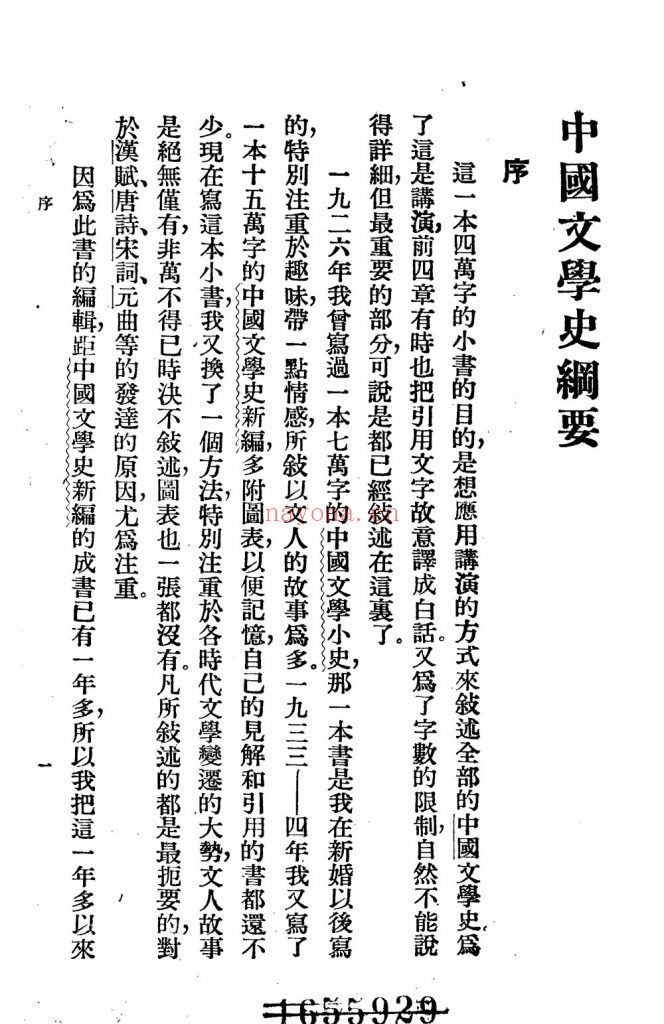
Zhao Jingshen’s Outline of Chinese Literary History is listed as a Zhonghua Book Company publication of January 1941, corresponding to the thirtieth Republican year. The source confirms the title, editor attribution, publisher and date, but does not supply a dependable detailed syllabus. An outline is a promising resource for orientation because it may make organizing categories easier to see. Its brevity can also hide the evidence behind a summary. A productive reading therefore asks not only what a section says, but what fuller explanation would be required to support it. The book should be examined as its own title, distinct from the separately listed 1947 New History.
Learn the outline’s architecture first
Begin with the actual contents rather than a presumed sequence of Chinese literary periods. Copy the principal headings and inspect how subordinate topics fit beneath them. Does the organization prioritize chronology, writers, forms or another principle? A heading may look chronological while the discussion beneath it groups works by style. Notice such combinations before deciding how to use the book. A small structural sketch helps the learner understand what kinds of connections the outline encourages. It also provides a retrieval route when a later passage refers back to a concept introduced earlier.
Distinguish a heading’s label from a conclusion about everything under it. A section named for a period may contain several different tendencies; a section named for a genre may discuss changes in how that genre was understood. Read at least one complete unit before summarizing the category. If the outline uses a compact phrase to describe a broad development, translate that phrase into a question. What changed, according to the account, and which examples would establish the change? The question creates space for inquiry instead of turning the heading into a fact that must simply be memorized.
Expand one compressed claim
Select a short explanatory sentence and identify its components. It may name a period, describe a literary quality and suggest a cause. These components require different evidence. A date can be checked through chronology; a claim about style needs textual examples; a causal claim needs a reason to connect the circumstances with the literary result. Write the sentence as three smaller statements if necessary. Then look at the paragraphs around it to see which components Zhao Jingshen explains. Where the outline leaves support implicit, record a research question rather than supplying a confident answer from an unrelated summary.
For an independent exercise, find a literary work named in the selected section and read a manageable excerpt from it. Compare the excerpt with the outline’s description. Does the passage illustrate the quality named by the historian, or would another passage be needed? One example cannot establish the character of an entire period, but it can help the learner understand what a summary intends. Keep the exercise bounded: describe how this excerpt relates to this statement. That is a meaningful result even when the larger historical generalization remains open.
Names as paths to reading
A compact literary history can contain many names. Treat them as references to investigate rather than as a list that demonstrates mastery. For one writer actually encountered in the book, note which work is named and what role it plays in the argument. Is it presented as an example, an exception, a turning point or a comparison? This role matters more initially than a large collection of biographical dates. A focused name record lets the reader return to the relevant discussion and find the literary text that makes the historical point concrete.
When adding background, distinguish biography from textual interpretation. Knowing when a writer lived may orient a passage, but it does not by itself explain why a particular line has a particular meaning. A life event may be relevant only when the relationship is supported. Compare the outline’s wording with the evidence used for the association. If the book presents an interpretation without detailed documentation, preserve it as the author’s account. This leaves the learner free to investigate further without converting an attractive biographical story into the only possible reading of the work.
Vocabulary of literary change
Watch for terms used to describe continuity, innovation, imitation or decline. Such words organize a narrative of literary history and may carry an evaluation as well as a description. Ask what the book treats as the standard against which change is measured. A new form may be important because it permits different expression, reaches another audience or reorganizes inherited material. These possibilities should not be assumed interchangeable. By identifying the standard, the reader can explain the historian’s judgment rather than repeating the evaluative term without knowing what it means in the section.
An effective vocabulary exercise compares two uses of the same descriptive word within the outline. If the word is applied to different writers or forms, ask whether it refers to the same feature. The answer may reveal that a compact English gloss needs qualification. Keep the Chinese expression beside the provisional translation when possible. This prevents the translation from making the book appear more consistent or more contradictory than its actual language warrants. The goal is a vocabulary for reading its historical argument, not a universal dictionary that promises one meaning for every literary context.
Comparison with a fuller discussion
An outline becomes especially useful when paired with a longer treatment of one selected subject. Choose the same work or question in both accounts and compare the kinds of support. The longer text may explain a disputed attribution, quote more examples or define a category in greater detail. Ask which addition changes your understanding of the outline’s sentence. If no addition changes the interpretation, the concise sentence may already supply a clear orientation. If the fuller discussion complicates it, record precisely how. Length alone is not the standard; the standard is what the additional evidence allows the reader to explain.
The 1947 New History associated with Zhao Jingshen provides a distinct title for possible comparison, but the source does not prove that it is a direct revision of this 1941 outline. Verify contents and overlapping passages before making that claim. A comparison can still examine selection and emphasis without asserting a publication relationship. For instance, one may investigate whether a shared subject is introduced through the same question or supported by different examples. The result should describe what the examined passages show and leave the books’ larger relationship unconfirmed if the evidence is insufficient.
From orientation to independent reading
Use the outline to design a small reading route: one historical question, two works actually named and a comparison the book makes possible. Return to the outline after reading the excerpts and revise the question. A successful route may end with a more precise uncertainty rather than a sweeping conclusion. This is appropriate for an introductory structure that necessarily condenses complex material. The resource’s bibliographic identity and dated perspective remain visible throughout. The reader gains a way to navigate Chinese literary history while developing the habit of asking what evidence stands behind a concise and memorable historical statement.