
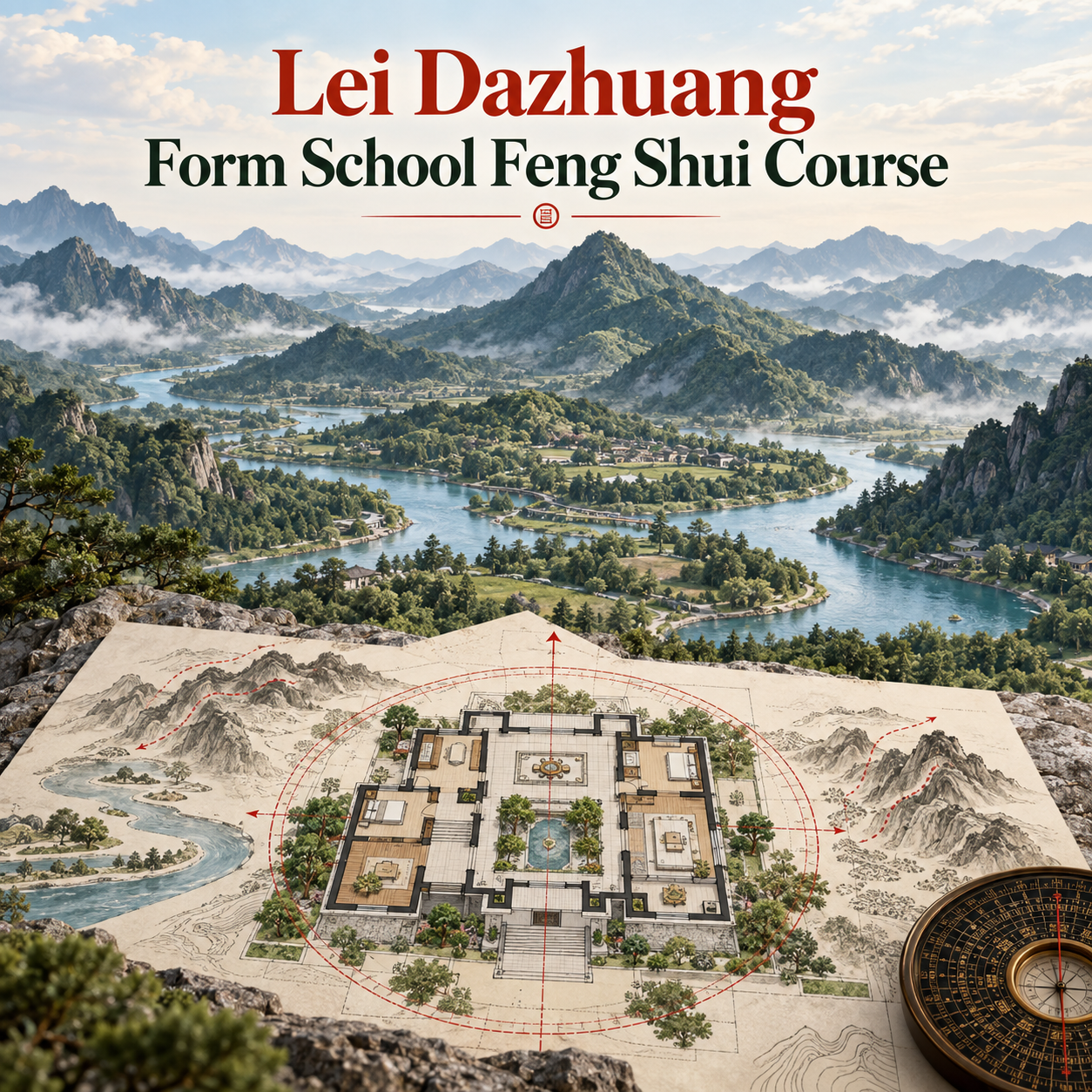
Course Overview
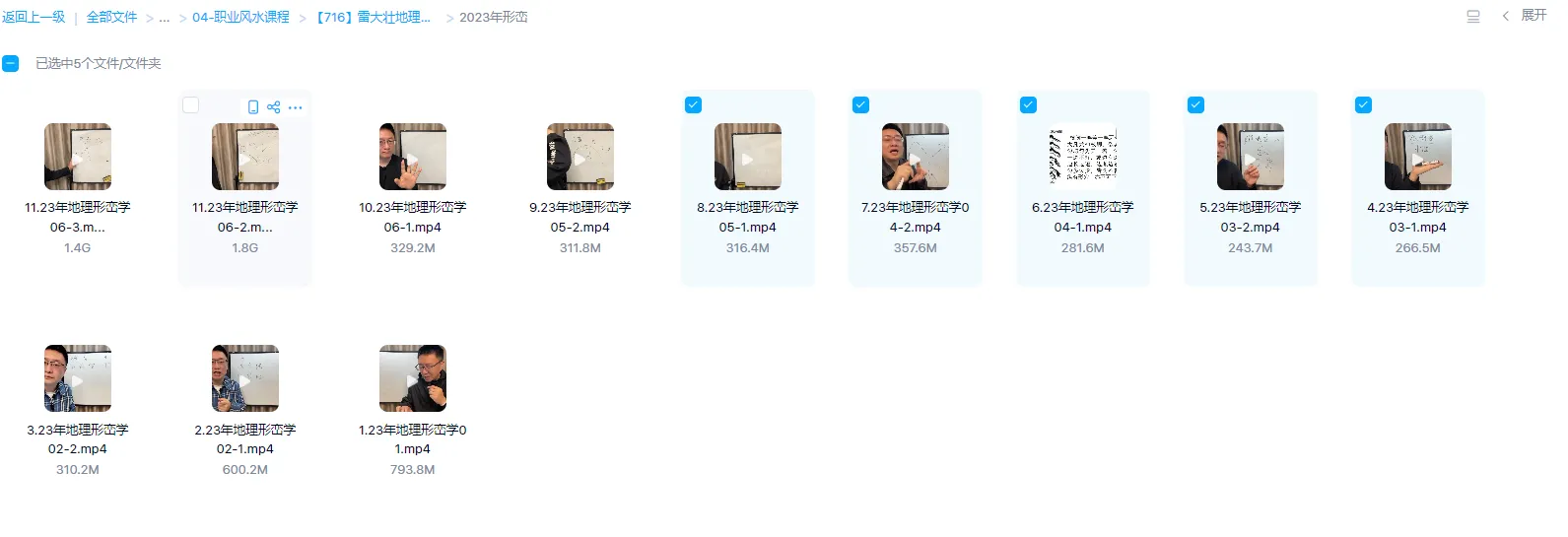
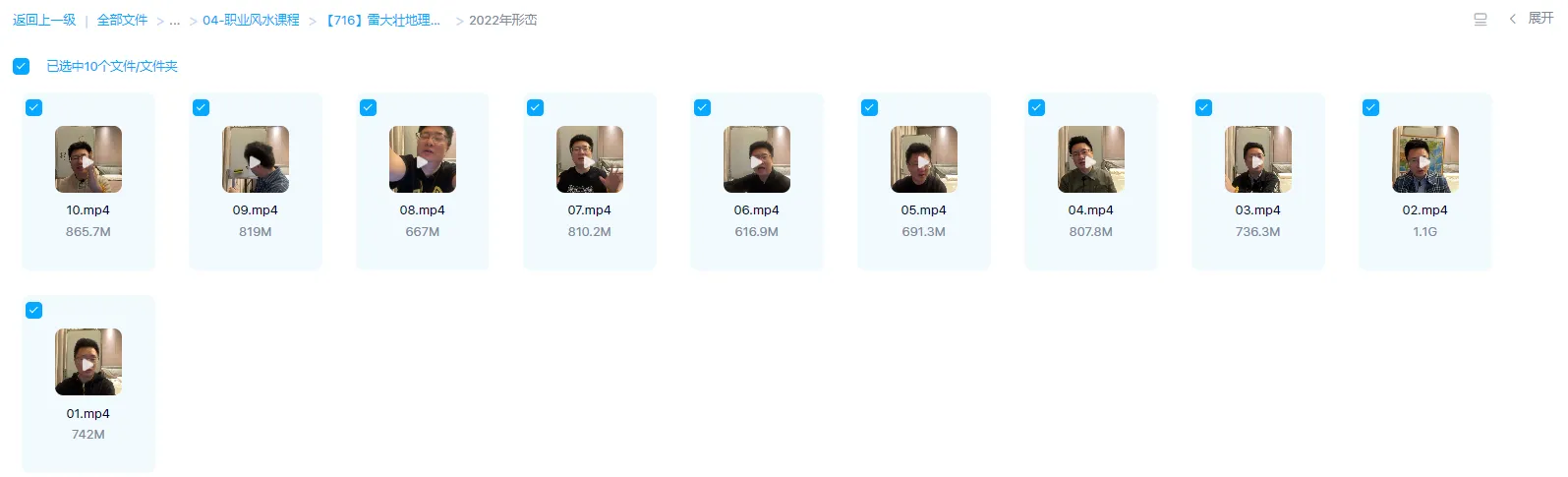
This Form School Feng Shui course focuses on the visible shape of land, buildings, roads, entrances, and surrounding structures. The source listing describes 22 video lessons, including 2022 and 2023 Form School material. It is useful for learners who want to read the physical environment before applying deeper compass or flying-star methods.
Source-Based Course Details
This page is an English educational adaptation based on the richer nayona.cn course record: 雷大壮-地理形峦学课程(形势峦头)(视频22集). The original source images are preserved below, and the English structure adds search-friendly sections for course discovery, comparison, and digital delivery.
What You Will Learn
- How Form School Feng Shui observes surrounding landforms and built structures.
- How roads, entrances, neighboring buildings, and visible forms become part of a site reading.
- How to organize a 22-lesson Form School course into practical observation themes.
- How Form School ideas support home Feng Shui, urban property analysis, and professional case work.
Course Contents
- 2022 Form School lessons listed in the source material.
- 2023 Form School lessons listed as continuation material.
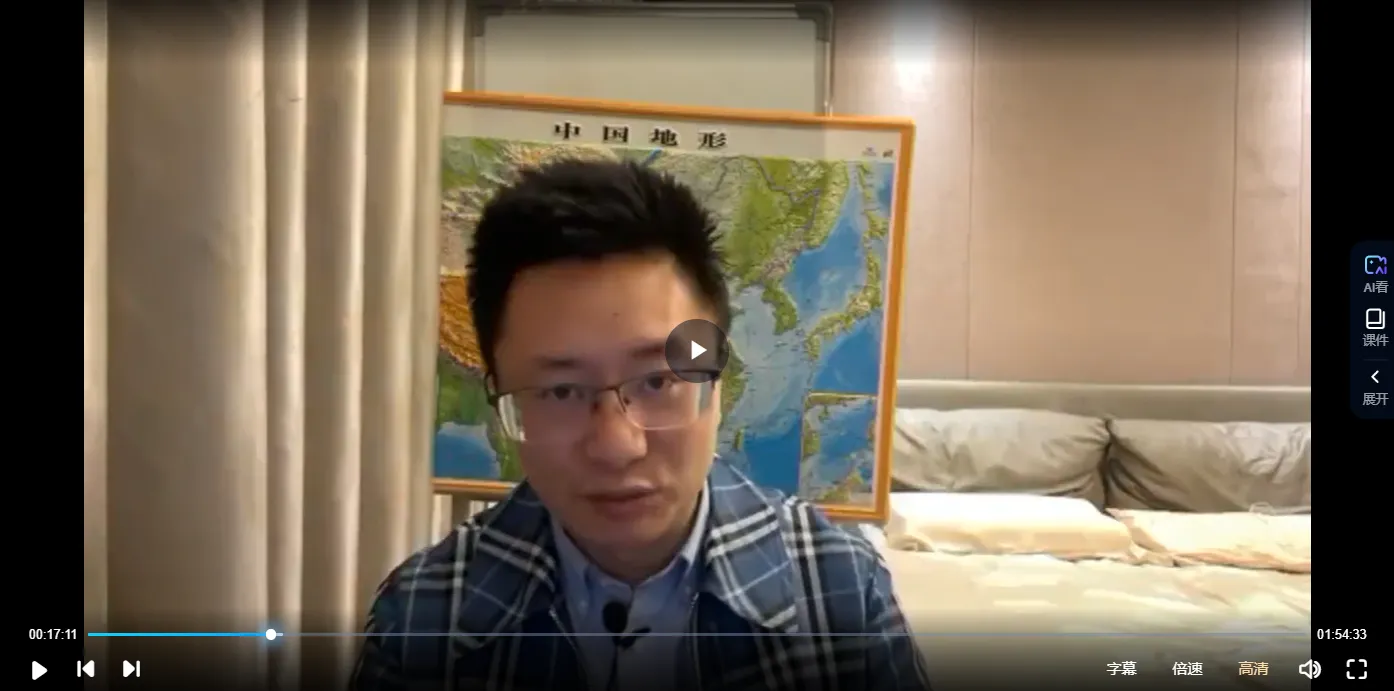
- Course images and directory screenshots preserved from the original nayona.cn listing.
Original Course Images
Who This Course Is For
This digital resource is suitable for Feng Shui learners, Chinese metaphysics students, course collectors, and practitioners who want a structured reference for independent study. Beginners should start with foundation and Form School material before moving into Xuan Kong, Li Qi, or date selection.
Learning Format and Digital Delivery
This is a virtual and downloadable course product. The product page summarizes the course scope, original course imagery, and learning structure. Access instructions are provided through the digital delivery process after purchase.
Detailed Form School Curriculum from the Course Materials
This description has been expanded from three supplied Urban Housing Form School workbooks totaling 88 pages. The course progresses from the meaning of landform qi to a practical inspection sequence for homes, offices, shops, factories, and other modern built environments.
Foundations: Form, Qi, Sand, and Water
- The relationship between visible landform, environmental movement, and the traditional concept of qi.
- How natural landforms differ from urban forms such as roads, neighboring buildings, entrances, open areas, and built barriers.
- Practical definitions of sha (supporting or surrounding forms) and water, including how movement and open space may be interpreted in a city.
- Why external observation comes before interior decoration or symbolic Feng Shui objects.
The Four-Sides Framework
A major part of the course develops the Four-Sides model: Azure Dragon on the left, White Tiger on the right, Vermilion Bird in front, and Black Tortoise behind. The workbooks compare support, enclosure, pressure, imbalance, gaps, and relative scale. They also show how the four sides must be read together instead of treating one feature as an isolated good-or-bad sign.
External Form Assessment
- Site selection, terrain, ground level, building shape, house shape, and the relationship between a property and neighboring structures.
- Common urban form issues, including compression, missing support, exposed approaches, road movement, sharp forms, and other visible environmental pressures.
- Timing and context: why the same form may not produce the same interpretation in every property.
- Adjustment principles that begin with the actual form and use of the space rather than relying only on decorative cures.
Interior Form and Room-by-Room Study
- Establishing the internal reference point before assessing movement, stillness, doors, windows, passages, furniture, and active areas.
- Entrances, staircases, living rooms, bedrooms, kitchens, balconies, toilets, studies, and worship or altar rooms.
- Practical considerations such as beams, mirrors, uneven floors, circulation paths, cleanliness, and the relationship between a room and its user.
- Commercial spaces, single-person and shared offices, factories, industrial parks, and storefronts.
Practical Inspection Sequence
The final material outlines a repeatable Yang House survey process: define the property being studied, observe the wider setting, assess external sand and water, identify the building and room reference points, review doors and movement paths, compare internal and external forms, and only then introduce simple directional or Li Qi considerations. This sequence helps learners avoid jumping to conclusions from one object or one room.
Courseware Included in This Curriculum
The reviewed three-part courseware contains diagrams, property examples, form comparisons, interior layouts, and operational notes. It supports the recorded lessons and gives learners a visual reference for applying Form School concepts to contemporary urban housing.
Related Lei Dazhuang Courses
- Lei Dazhuang Urban Housing Feng Shui Course
- Lei Dazhuang Xuan Kong Nine Stars Feng Shui Course
- Lei Dazhuang Yi Xue Foundation Course
- Lei Dazhuang Date Selection Feng Shui Course
- Lei Dazhuang Feng Shui Qi and Xuan Kong Course Collection
Frequently Asked Questions
Is this a physical product?
No. This is a digital learning resource.
Are the original course images changed?
No. The body images are preserved from the nayona.cn source material so learners can recognize the original course package.
Does this guarantee a Feng Shui result?
No. Karma Kismet presents this material for cultural, educational, and research purposes. It should not replace professional architectural, legal, financial, health, or safety advice.
Editorial Note
Karma Kismet rewrites course introductions in English for search clarity, topic organization, and user understanding while keeping source course images and factual course details intact.


Reviews
There are no reviews yet.