
A five-video Chinese-language introductory course by Pan Zizhong covering pendulum selection, basic principles, chart use and practical operation.
Course Overview
This Karma Kismet page organizes the verifiable facts from the original nayona.cn listing. The source material is in Chinese; a complete English translation, subtitles, certification, and unlisted instructor credentials are not claimed.
What You Will Learn
- Pendulum foundations and terminology
- Selecting and holding a pendulum
- Basic movement and response conventions
- Using a pendulum chart or mat
- Guided practical operation
Course Contents
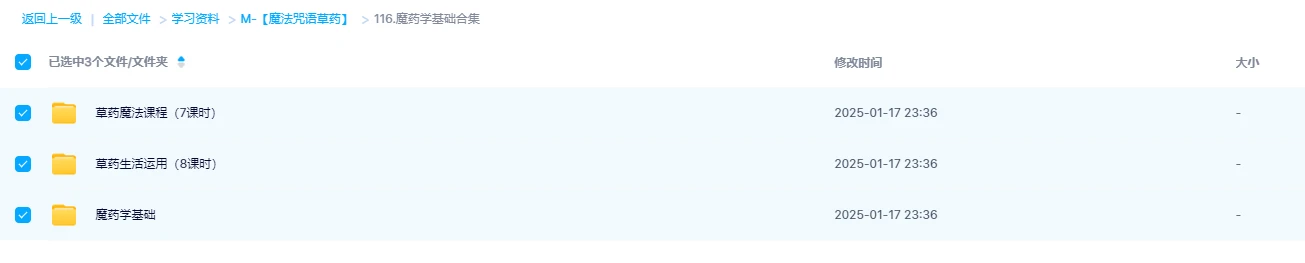
Five Chinese-language video lessons. No English subtitles or translated workbook are confirmed.
Original Course Images


Who This Course Is For
This resource is for learners who can use Chinese-language materials and want a structured introduction to Pendulum & Dowsing Studies. Review the original images and stated format before ordering.
Learning Format and Digital Delivery
Five Chinese-language video lessons. No English subtitles or translated workbook are confirmed. This is a virtual, downloadable product with no physical shipment. A download file is not yet attached. Please review the digital delivery policy and contact Karma Kismet to confirm delivery arrangements before ordering; immediate automated access is not promised.
Frequently Asked Questions
Is the complete material in English?
No. The product description is in English, but the source learning material is Chinese-language unless a specific translated component is stated.
Does this resource guarantee a result?
No. It is offered for educational, cultural, and reflective study. It does not guarantee personal, financial, spiritual, or health outcomes.
Is professional advice included?
No personal consultation, medical care, legal advice, or financial advice is included.
Disclaimer
Use this material responsibly and within its educational scope. Symbolic, spiritual, contemplative, and wellness traditions are not substitutes for qualified professional care.
Related Courses and Site Links
Pendulum selection and interpretation for beginners
The five-lesson Pan Zizhong listing identifies pendulum selection, basic principles, chart or mat use and practical operation. These are the dependable subject anchors. The surrounding article repeats broad historical assertions, which should not be adopted as verified facts. A beginner can learn to describe the object, observe movement and understand the source’s interpretive conventions without assuming that movement supplies information from an external source. The educational distinction is between what moves, what rule assigns meaning to that movement and what the reader concludes.
Selecting an object without implied powers
A selection discussion can be read in two layers: practical characteristics and symbolic preferences. Record which characteristics the presenter actually mentions. A material, shape or appearance may be preferred within the teaching, but preference is not evidence of a special capacity. Avoid inventing specifications that the listing does not provide, such as an ideal weight, exact chain length or certified material.
If you examine an object independently, describe visible and practical features in ordinary language. Does it hang freely, is the surface intact and can you handle it comfortably? These observations concern the object, not its ability to answer questions. If the recording attaches meanings to materials or shapes, attribute them to the source. A beginner’s note should be clear enough that another person can distinguish a handling observation from a metaphysical claim. This prevents an attractive object or a confident recommendation from becoming an unsupported promise of accuracy.
Movement and possible influences
Begin any observation by recording movement without assigning an answer to it. Describe direction, size of motion and changes over time if those can be seen. The movement may be influenced by small changes in the hand or by ordinary conditions. A reader should not treat the absence of a conscious intention to move as proof that the motion comes from an external agent.
For study, compare the observation with the interpretation rule given by the material. If clockwise motion is assigned a meaning in one example, record that assignment as a convention rather than a universal fact. Do not fill an absent rule from memory. The distinction matters because an interpretive chart can make a movement feel like a clear answer even when the source of the movement has not been established. A precise notebook preserves both the observation and the point at which a meaning is added.
Principles as claims to examine
The basic-principles theme should be studied through the actual explanation, not through a general claim that pendulums have one agreed mechanism. Identify whether the presenter describes a belief, an experience or a causal process. These are different forms of statement. Write a short paraphrase that preserves the type of claim and the evidence offered.
If the explanation uses broad words such as energy or sensitivity, ask what they mean in context. Do not translate them automatically into measurable physical mechanisms. A coherent symbolic account can be described accurately without calling it scientifically established. Conversely, a practical statement about observable movement can be inspected without endorsing every interpretation attached to it. This separation helps a beginner evaluate the resource responsibly. The learning goal is to understand the account and its limits, not to feel compelled to accept a mechanism because the lesson presents it with certainty.
Charts and mats as reading structures
A chart or mat organizes possible responses spatially. If the material demonstrates one, identify its actual labels and how the presenter maps movement to them. The printed layout is part of the interpretive structure. It does not independently verify an answer. Keep the labels separate from the question asked and from the movement observed.
A useful diagram exercise copies only the layout shown, preserving unclear labels as unclear. Then explain the proposed mapping in words. If a response falls between labels, record the ambiguity rather than selecting the answer you hoped for. This makes the role of interpretation visible. Avoid turning the chart into a method for diagnosing a condition, deciding a financial commitment or establishing another person’s private thoughts. Those are factual or consequential questions that require reliable information beyond a movement assigned to a position on a mat.
Questions and expectations
Question phrasing can shape the interpretation of a movement. A leading question may already contain the answer the reader expects. For an editorial exercise, compare a strongly leading question with a neutral reflective question and describe the difference in wording. The aim is to notice assumptions, not to claim that neutral wording makes the method factually accurate.
Keep expectations in the record. Before observing, state what answer you hope for and what answer would surprise you. This can help identify how desire might influence interpretation afterward. Repeatedly asking until a preferred answer appears is not a dependable verification method. For personal reflection, ask what concern the question reveals and what ordinary information would help address it. The pendulum theme can then become a prompt for examining uncertainty without being presented as a source of hidden knowledge or an authority over your decisions.
A beginner’s observation log
A simple log can record the source lesson, the object description, the question, the movement and the interpretation rule used. Add a separate field for alternative explanations or unclear observations. The log should preserve what happened before a later outcome is known. This makes it harder to reshape the account retrospectively to fit an event.
Review the log by asking whether each conclusion follows from the evidence or from an assigned convention. A good beginner’s result might be understanding how the resource structures interpretation, recognizing an ambiguous response or identifying an expectation that influenced the reading. None requires claiming a predictive ability. The five-lesson course can be approached as a cultural and reflective resource with named practical topics, while claims of accuracy, historical origins and efficacy remain questions that the listing itself does not settle. This is a clearer learning outcome than an invented promise of reliable answers.
A practical-operation demonstration should also be indexed by what it shows rather than by what the reader expects it to prove. Note the starting position, the movement displayed and the explanation attached to it. If the recording does not show how a response was selected or excludes an ambiguous interval, retain that gap in the account. A complete description of the presentation includes its limits as well as its visible steps.
Keep the course’s five-recording scope separate from your own practice log. Additional notebook entries are your observations, not additional lessons attributed to Pan Zizhong.