A Wushuang course on Solomonic ceremonial magic. The source lists four videos plus documents without a fully verified document count.
Resource Overview
Wushuang Solomonic Ceremonial Magic: Four Videos is a digital learning resource about Ceremonial Magic. The English description summarizes the available source listing; the underlying recordings or books are in Chinese. An English translation of the full material is not confirmed.
What You Will Learn
Use the sequence and preview material below to identify the course’s scope, terminology and teaching approach. Check each topic against the original lesson rather than treating a short listing as a complete transcript.
Course Contents
- Solomonic ceremonial tradition
- Course video sequence
- Supporting documents
Original Course Images
Who This Resource Is For
This resource is for readers or learners who can use Chinese-language materials and want a named resource on Ceremonial Magic. Compare the stated scope and previews before ordering; a fixed level of prior experience is not assumed unless the source directory says so.
Learning Format and Digital Delivery
Four Chinese-language videos and documents Virtual and downloadable; there is no physical shipment. Price: USD 9.00. A file link is not yet attached to this product. Please contact Karma Kismet before ordering to confirm delivery arrangements; immediate automated access is not promised.
Frequently Asked Questions
Is the full material in English?
No English edition, recording or subtitle track is confirmed. The source material is Chinese-language.
Is a personal consultation included?
No individual consultation is listed with this resource.
Does this resource guarantee an outcome?
No. It is for educational and cultural study, not a guaranteed result or substitute for professional advice.
Editorial Note
Karma Kismet translated and organized the course facts and original previews for English readers. Lesson counts and formats follow the available source listing; unspecified contents, certificates and instructor credentials are not asserted.
Related Courses
- Apollo Ritual Studies: 16 Videos
- Candle Magic Ritual Course: 26 Lessons
- Advanced Solomonic Magic Course
- Witch Market Hoodoo Studies: 14 Videos
- Witch and Oak Celtic Knot Magic: Ten Videos
- Magical Herbs and Potions: Two Video Courses and E-Books
- Cat Witch Herbal Magic Video Course
Browse Ceremonial Magic and read digital delivery information.
Reading this resource closely
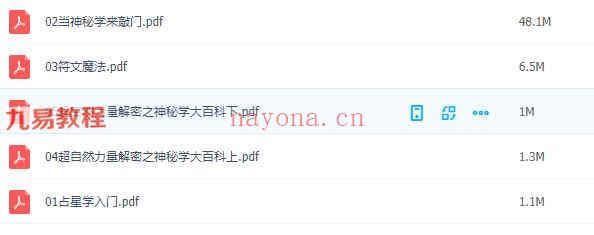
The Wushuang listing provides four dated video filenames and supporting document names concerning ceremonial introduction, practical steps, Solomonic material and related themes. These concrete labels offer a better starting point than the surrounding broad promotional description.
Video and document roles
Use a video to locate an explanation and a document to locate a passage or diagram. Their overlap should be established from the contents. A similarly named document is not automatically a transcript of one of the four recordings.
Start by making a table in your notebook for the four recordings and the documents you can inspect. The listing includes filenames referring to practical steps, an introduction to ceremonial magic, Solomonic magic and other topics. These are leads to content, not assurance that every document has the same scope or relationship to the videos. Select a term mentioned in a recording and search for its use in the documents. When you find it, compare the explanation rather than simply noting that the word occurs twice. A document may define a term more narrowly, use it in a different context or leave it unexplained. Such differences show how the formats interact and help you decide which source is most useful for a particular question.
Question for review: Can I locate the same concept in both formats?
Dates and identity
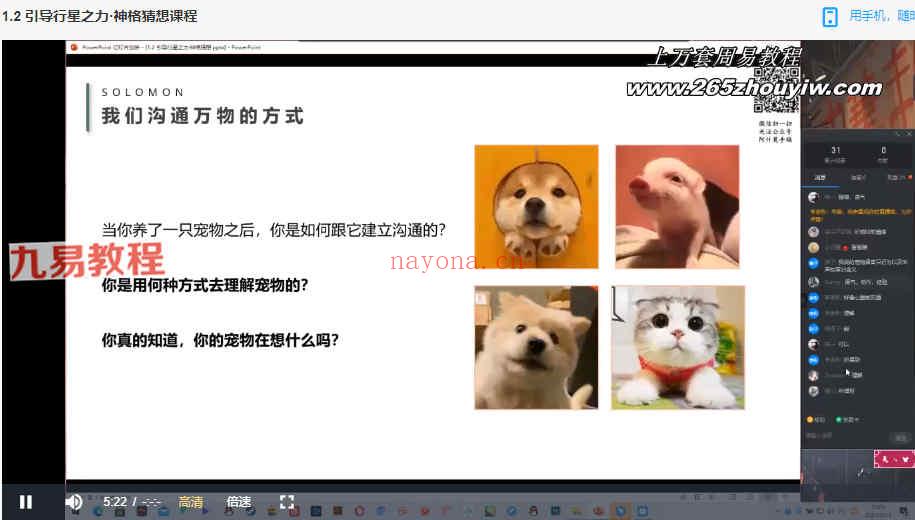
The four video filenames contain dates and time-like numbers. Preserve these strings when making notes. They identify files but do not establish the length of the course, the date of every teaching or an official progression.
The dated filenames can be preserved as reference labels without being turned into a historical narrative about the course. A date in a filename might identify recording or export information, but the listing does not settle that question. Treat the strings as stable retrieval aids. If your notes say video two, keep the filename next to that label so another reader can recover the same item even if folder sorting changes. Do not infer duration from file size or assign a lesson title from the time-like digits. When a recording provides its own introduction, note the subject stated there. This simple discipline separates cataloguing information from teaching content and avoids making the four-file inventory seem more complete than it actually is.
Question for review: What does this filename actually verify?
Ceremonial structure
Study a ritual description as an organized text with preparation, ordered actions and an ending where these are present. Ask how the arrangement supports the explanation. Analysis does not require reproducing the ceremony or accepting its metaphysical assumptions.
A ceremonial structure diagram can use boxes for actions and separate annotations for their meanings. If a text describes preparation, address and closure, represent the order faithfully. If one of those elements is absent, do not insert it merely because a familiar model usually includes it. Then examine the transitions: what signals movement from one stage to the next, and what does the explanation say about that movement? You may discover that a spoken phrase organizes the procedure more clearly than the objects do. This is a textual observation. It can be discussed without performing the steps or accepting a claim about an external force. The diagram is successful when it clarifies the passage and leaves its unspoken assumptions visible.
Question for review: How does the order shape the meaning of this passage?
Named beings and classification
A document label referring to seventy-two spirits or demons identifies a traditional classificatory theme. Record names and roles only as the document presents them. Do not treat the classification as a catalogue of verified entities or historical facts.
A classificatory document can be studied by comparing one entry with its neighbors. Look for repeated fields such as names, descriptions or assigned roles, but record only the fields actually present. A name translated into English may not preserve every association carried by the original wording. Keep the original label alongside the gloss when possible. Also distinguish a textual figure’s described role from a claim that the figure exists or acts outside the narrative. The number in a document title may organize the traditional account, but it does not verify every entry or establish the origin of the particular file. A focused comparison of two entries can reveal the document’s structure without turning its classification into a catalogue of established facts.
Question for review: Is this a textual category, a narrative figure or an asserted experience?
Diagram transcription
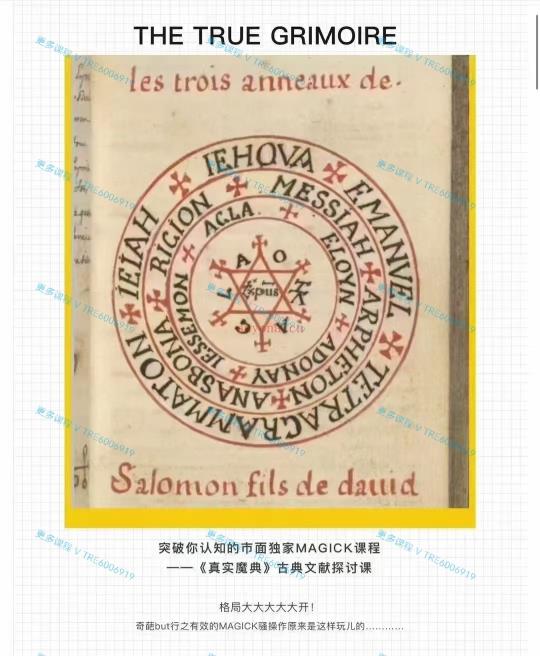
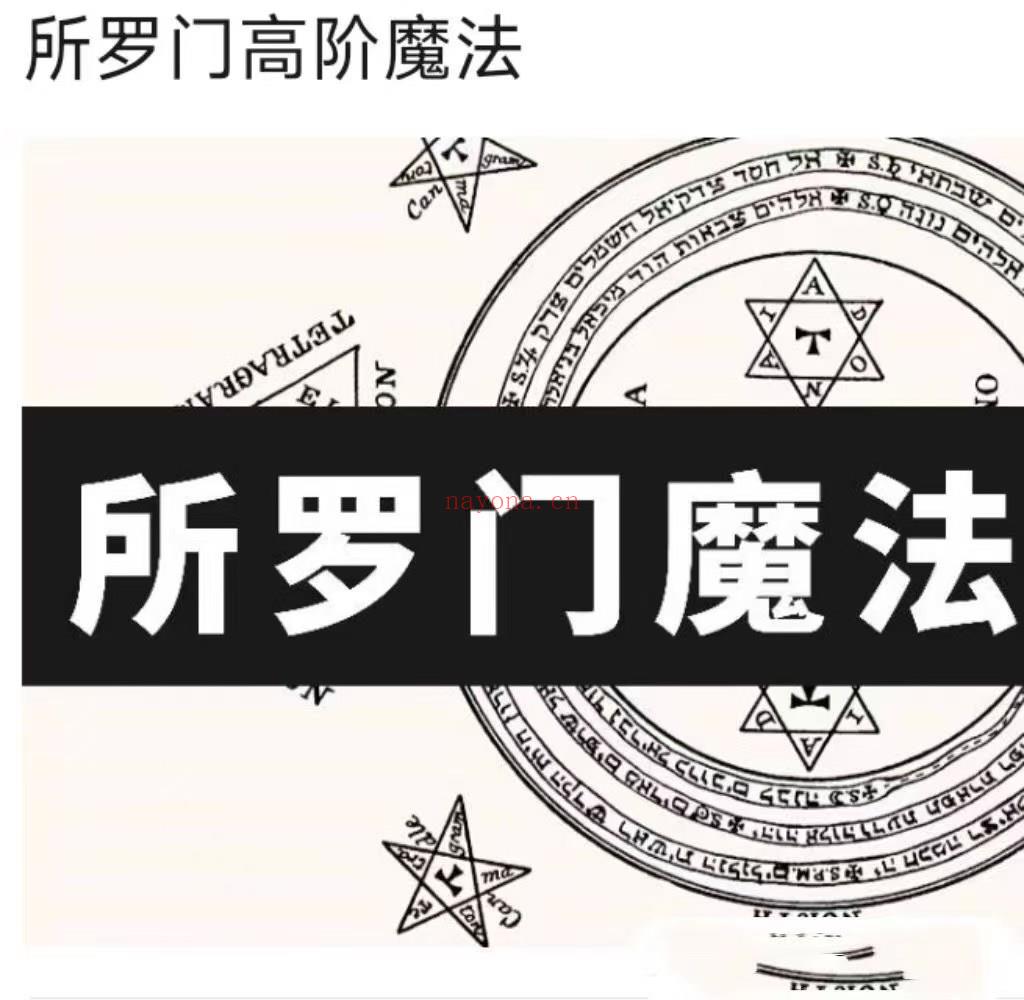
When studying circles or seals, distinguish visible lines from missing or unclear portions. A neat copy should not erase uncertainty. Use a separate description for an interpretation rather than silently correcting a source image to fit expectations.
For diagrams, first make a descriptive inventory: circles, line segments, lettering and symbols that can actually be seen. Only then attempt a copy. Mark unreadable portions in your notes rather than borrowing a familiar shape from elsewhere. If a second document shows a similar diagram, record the similarity and the differences before deciding whether it is the same figure. A later or clearer copy is not automatically a correction of the earlier one. Your study drawing should identify the source used and any portions you reconstructed. This matters because a clean image can make uncertain material look authoritative. Visual accuracy includes the accurate representation of uncertainty, especially where a small mark or a name changes the apparent structure.
Question for review: Which marks can I actually see in the original?
Comparing supporting texts
The labels include an introduction and a practical-steps document. Compare their purposes rather than expecting equal detail. An introductory explanation may define a term that a procedural text takes for granted; this is a useful reading relationship to document.
Compare the introduction with the practical-steps document through a single shared term. The introduction may explain a worldview or purpose; the procedural document may assume that explanation and move directly to a sequence. State that relationship only if the passages support it. If the terms differ, keep the difference instead of resolving it through an unsupported synonym. A final cross-reference note might quote a definition, identify the step where it seems relevant and ask whether the recording confirms that connection. This produces a small research trail that can be checked. It is more informative than a general statement that videos and documents reinforce each other, because it shows exactly which passage clarifies which point and where the proposed relationship remains uncertain.
Question for review: What does one text assume that another text explains?