A 72-video course on External Response methods associated with Plum Blossom Numerology, with examples and practice.
Course Overview
This English guide organizes the supplied traditional Chinese learning material around a clear course sequence. The underlying recorded lessons or documents may be in Chinese; review the stated format and curriculum before purchase.
What You Will Study
- Observing external signs and contextual cues
- Relating observations to trigram and hexagram study
- Applied examples and interpretive limits
Course Scope and Format
A 72-video course on External Response methods associated with Plum Blossom Numerology, with examples and practice. The course title and description identify the lesson count or page length when stated in the supplied curriculum. This is a digital educational product; no physical item is shipped.
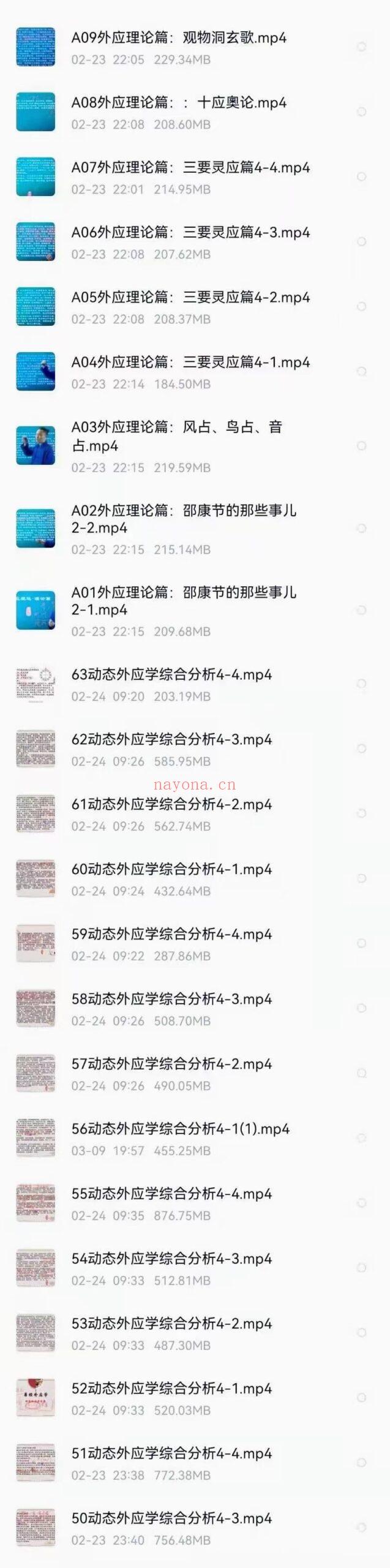
Original Course Preview Images
These images come from the original course listing and help show the supplied material.


Who This Resource Is For
This resource is for learners of traditional Chinese metaphysics who want to study the named method and compare the recorded examples with the stated rules. Beginners should start with terminology and basic procedures before moving to advanced cases.
Study Approach
Follow the lessons in order, keep a glossary of Chinese terms, and document the steps used in every example. Distinguish a traditional interpretation from an evidence-based claim or a guaranteed personal outcome.
Digital Delivery
This product is virtual and downloadable. No physical shipment is required. Check the product and order details for the available delivery format.
Frequently Asked Questions
Is the material in English?
The product guide is in English. Original lessons and documents may be in Chinese.
Is this a physical product?
No. It is a digital study resource.
Does the method guarantee a result?
No. Traditional interpretations are presented for cultural and educational study, not as guaranteed predictions or professional advice.
Related Learning
Browse the External Response Divination collection and the full course library.
- I Ching Applied Practice: 80 Video Lessons
- Plum Blossom Numerology and Trigram Practice: 89 Lessons
- I Ching for Beginners: Casting and Reading Hexagrams
- The 64 Hexagrams Explained: Video and Study Guide
For course questions, contact Karma Kismet.
Observing an external response
External Response Divination concerns the interpretation of events or details noticed around the time a question is considered. In the tradition associated with Plum Blossom Numerology, an observer may connect a sound, movement, object, direction, or other surrounding cue with a symbolic reading. The 72 video listing presents this subject through examples and practice. Its case based form makes a basic discipline essential: describe what was noticed before deciding what it might mean.
Observation and interpretation can become entangled quickly. A person who already expects a certain answer may notice details that fit it and overlook details that do not. A useful record therefore begins with the time and setting of an example, the question as stated, and the specific cue selected. Only then should it document the symbolic association and resulting interpretation. This does not validate a prediction; it makes the reasoning visible enough to study.
Why context matters to a case
The same sound or image could occur in different settings. Its proposed significance may depend on what question was asked, what else was present, and how the practitioner selected that cue among many possible observations. When viewing a case, ask whether the selection rule is stated. Was the first noticeable event used? Was an event chosen because it seemed unusual? Did the interpretation draw on a trigram association, an image, a number, or a verbal resemblance? If the case does not say, leave that part open rather than constructing a rule afterward.
The product description connects external signs with trigram and hexagram study. Those relationships may be central to understanding an example, but a familiar trigram label does not by itself explain every step. Note exactly where the observed cue becomes a symbolic category and where that category becomes a conclusion. A pause between those stages helps distinguish a traditional convention from a personal inference by the interpreter.
How to study a worked case
- Write the question in neutral language, including any uncertainty in its wording.
- Record the external event as an observable description, without symbolic adjectives.
- Identify the cue the presenter chooses and whether the reason for choosing it is given.
- Trace any image, number, trigram, or hexagram association made in the example.
- Write the stated interpretation separately from the observations supporting it.
- Consider at least one alternative reading or ordinary explanation.
- Return to the case later and ask which steps could have been reproduced in advance.
This exercise can slow a vivid story down enough to reveal its structure. It is also useful for comparing cases. If similar cues lead to different conclusions, look for a contextual reason in the lessons. If a conclusion seems persuasive only after the outcome is known, label that as a limitation of the example. Case study is strongest when the reasoning can be inspected before the answer is revealed.
Build an index of associations
Rather than memorizing isolated anecdotes, create an index of the associations actually used in the videos. Note the cue, the symbolic category assigned, the case context, and the wording of the resulting interpretation. Over time, you can see whether an association recurs and whether it keeps the same meaning. The index should also include exceptions and examples you cannot explain. Those entries are often more informative than cases that appear straightforward on a first viewing.
If you are new to Plum Blossom Numerology, basic familiarity with trigrams and hexagrams can help you follow the language. Study the terms as they are used in the recordings, since different teachers may emphasize different aspects of an image or number. The title signals a specific focus on external response, so do not assume that a general I Ching reading and an external response case use the same starting procedure.
Practice without forcing a sign
An exercise in observation can be simple. Describe an ordinary scene for a few minutes, then compare your description with what you remember later. You may notice how easily memory favors striking details. For tradition based practice, use a low stakes question and decide beforehand what would count as the selected cue. Record it before looking for a meaning. This is a way to understand the method’s steps, not a way to establish predictive power.
A second useful exercise is to take a lesson case and remove its conclusion from your notes. Try to follow only the stated associations and write several possible interpretations before watching the ending again. If many readings could fit, that flexibility is an important observation. If the presenter supplies a condition that narrows the reading, note it precisely. Avoid judging a case solely by whether its final story feels apt.
Who may benefit from the lessons
The material may suit someone interested in the interpretive side of Plum Blossom Numerology, particularly a learner who prefers cases to abstract lists of meanings. It may also suit someone comparing how traditional practitioners use context and environmental observations. The 72 video count indicates substantial case material, but the available listing does not establish a precise balance between introductory explanation and advanced examples. Previewing the original material can help determine whether its pace and language match your needs.
Because the original recordings may be in Chinese, a viewer who does not read or understand Chinese may need extra time with terms and examples. Keep a small glossary of recurring words and preserve any Chinese term when the English equivalent is uncertain. The point is to follow the logic of a case as presented, not to make an English phrase appear more definite than the original explanation.
Limits and responsible interpretation
The source text makes strong accuracy claims about external response methods. Those are claims within the source’s presentation, not established facts. Everyday surroundings contain many events, and choosing one after the fact can make a reading feel more specific than its procedure warrants. A careful student should ask how a cue was selected, what alternatives were available, and whether a different conclusion would also have seemed plausible.
Do not use an external response reading as the sole basis for medical, financial, legal, safety, or other consequential choices. Do not make claims about another person’s private motives or future from an incidental event. The cases can be studied as examples of a traditional symbolic framework while practical decisions remain grounded in evidence and, when needed, qualified advice.
Questions about external response cases
Does every unusual event count as a response?
The listing does not establish a universal selection rule. In each case, examine which event is chosen and whether the lesson explains why.
Do I need to know the trigrams first?
Basic trigram vocabulary can make symbolic associations easier to follow. When an unfamiliar trigram appears, note its role in the specific example before attempting a broader interpretation.
How can I avoid reading an outcome into a case?
Record the selected cue and possible meanings before the outcome is discussed. This makes later changes in interpretation easier to recognize.
What if two cases use the same cue differently?
Compare their questions and contexts, then check whether the presenter states a rule that explains the difference. If no rule is given, keep both readings as examples rather than inventing one.
Can these lessons establish that signs predict events?
Cases illustrate how the tradition is practiced. They do not, by themselves, establish reliable prediction or justify relying on a reading for an important decision.