A 65-video course with an approximately 500-page electronic guide devoted to the meanings of the 64 I Ching hexagrams.
Course Overview
This English guide organizes the supplied traditional Chinese learning material around a clear course sequence. The underlying recorded lessons or documents may be in Chinese; review the stated format and curriculum before purchase.
What You Will Study
- Core meanings and images of the 64 hexagrams
- How trigram combinations shape interpretation
- Video lessons supported by a long-form study guide
Course Scope and Format
A 65-video course with an approximately 500-page electronic guide devoted to the meanings of the 64 I Ching hexagrams. The course title and description identify the lesson count or page length when stated in the supplied curriculum. This is a digital educational product; no physical item is shipped.
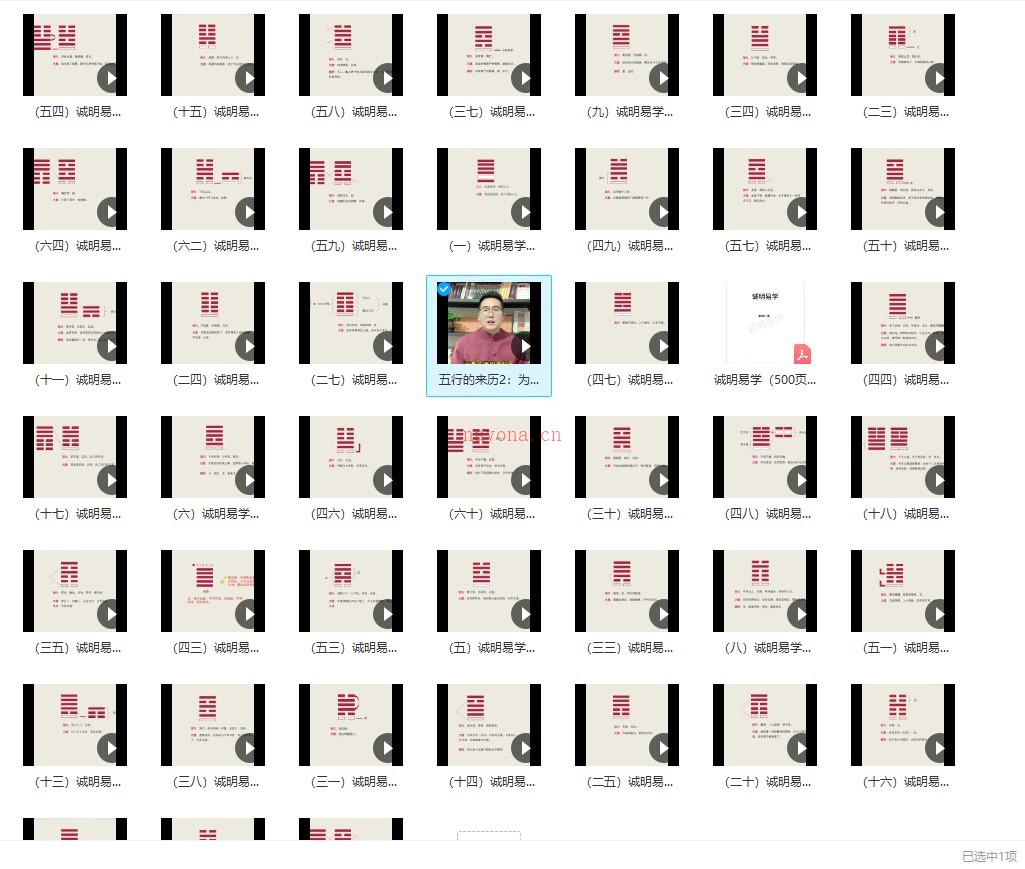
Original Course Preview Images
These images come from the original course listing and help show the supplied material.

Who This Resource Is For
This resource is for learners of traditional Chinese metaphysics who want to study the named method and compare the recorded examples with the stated rules. Beginners should start with terminology and basic procedures before moving to advanced cases.
Study Approach
Follow the lessons in order, keep a glossary of Chinese terms, and document the steps used in every example. Distinguish a traditional interpretation from an evidence-based claim or a guaranteed personal outcome.
Digital Delivery
This product is virtual and downloadable. No physical shipment is required. Check the product and order details for the available delivery format.
Frequently Asked Questions
Is the material in English?
The product guide is in English. Original lessons and documents may be in Chinese.
Is this a physical product?
No. It is a digital study resource.
Does the method guarantee a result?
No. Traditional interpretations are presented for cultural and educational study, not as guaranteed predictions or professional advice.
Related Learning
Browse the Hexagram & Trigram Courses collection and the full course library.
- I Ching Applied Practice: 80 Video Lessons
- Plum Blossom Numerology and Trigram Practice: 89 Lessons
- I Ching for Beginners: Casting and Reading Hexagrams
- Six Yao Casting and Changing Lines: 18 Lessons
For course questions, contact Karma Kismet.
Using Video and a Guide to Study the 64 Hexagrams
The 64 hexagrams can be approached as individual figures and as a connected system of six-line patterns. This course is described as 65 videos with an approximately 500-page electronic guide devoted to their meanings. That combination gives a learner two ways to revisit an explanation: watch the discussion and consult the written material while examining the figure. The productive question is not how quickly all 64 names can be covered, but whether you can distinguish each figure’s structure, wording, and interpretive themes without blurring them together.
Build a reliable visual foundation
A hexagram is constructed from six broken or unbroken lines, read in a consistent order. Sketching the figure before reading its explanation helps anchor the name to a pattern. Divide the drawing into lower and upper trigrams, and note how those parts are identified in the course. Do not treat a trigram association as a complete explanation of the whole hexagram. The six-line figure, its name, and the commentary attached to it may point to relationships that a pair of isolated keywords cannot capture.
A useful reference page for each figure can contain the line drawing, its number and name as given in the material, key passages or themes paraphrased in your own words, and questions to revisit. Leave room for revisions. The first interpretation you hear may sound simple, while a later figure or example may reveal a distinction you initially missed. A study guide is most useful when it supports this kind of return, rather than serving as a list to memorize once.
Move between watching and reading
Video can show the pace and order of an explanation. Written pages let you stop on a line, compare terms, and trace a reference backward. Use the two formats for different tasks. Watch a segment once to identify its central question. Then read the matching guide section and mark terms whose meaning is unclear. On a second viewing, pause at the points where the explanation moves from a figure’s structure to a broader interpretation. Note the reason given for that move.
- Draw the hexagram and label its upper and lower trigrams.
- Write a one-sentence description of the topic the lesson emphasizes.
- List the passages or features used to support that explanation.
- Identify any line-specific comments separately from comments about the whole figure.
- Compare the guide’s wording with the video’s explanation and note differences in emphasis.
- Write one open question to carry into the next figure.
This routine is intentionally modest. A detailed guide can invite extensive highlighting, but highlighting alone does not show whether you can explain an idea. A short account written without looking at the material is a better check of what you have understood.
Notice relationships across the sequence
Studying 64 figures separately can create 64 isolated sets of notes. Periodically look across them instead. Compare neighboring figures, figures with similar line patterns, and figures that share a trigram. Ask what changes structurally and what changes in the language used to discuss them. The comparison does not require assuming that one figure predicts the next. It is a way to see how the collection organizes contrasts, recurring images, and shifts in emphasis.
Another useful exercise is to choose two figures that initially seem to carry similar themes. Write down precisely which features are alike and which are different. If a video uses a broad English word for both, examine whether the guide provides a narrower distinction. Conversely, two sharply different names may conceal a structural relationship visible in the lines. These exercises keep the figures connected to their actual forms rather than to free-floating impressions.
Handle translation with care
The I Ching has been discussed through many commentarial and translation traditions. A Chinese term may have several plausible English renderings, and a guide may summarize an idea rather than reproduce a classical passage word for word. Keep a small vocabulary list with the course’s preferred terms. If you consult another translation, label it clearly and avoid blending the versions into a single supposed quotation. Where interpretations disagree, describe the point of disagreement. Sometimes it concerns a word; sometimes it concerns how much weight a commentator places on a line, image, or larger theme.
The source description identifies a substantial electronic guide, but page volume by itself says little about how a particular topic is treated. Use the actual headings, figures, and passages available to you. If an explanation feels thin, record the question and seek a relevant primary text or reputable commentary for comparison. If it feels persuasive, make the same comparison. Study is strongest when agreement and doubt receive equal attention.
Who may benefit from this format
A learner who likes to see a topic explained and then return to a written reference may appreciate the paired formats. The course can also serve someone who already knows the basic line structure and wants a systematic review of all 64 figures. Newcomers should allow extra time for line order, trigram recognition, and unfamiliar terms. People seeking a single quick answer to a personal problem may find that a comprehensive hexagram study demands a different kind of attention: careful reading across many related ideas.
Responsible interpretation
Traditional explanations of hexagrams can offer language for reflection, ethical questions, and comparison with historical ideas. They are not evidence that a specific future event will occur. A figure can support several readings, particularly when a question is broad or important details are missing. Keep interpretation separate from verification. In matters involving health, money, legal rights, safety, or relationships with other people, use direct information and qualified advice where appropriate. Studying a tradition responsibly includes recognizing both the richness of its symbolic language and the limits of what that language can establish.
Questions about the video and guide
Should I watch every video before opening the guide? You may understand more by pairing each video with its relevant guide section. Draw the figure first, then use the written explanation to review what you heard.
Is memorizing the hexagram names the main goal? Names help navigation, but being able to identify a line pattern and explain the reasoning attached to it is more useful than recalling a list without context.
What should I do when the video and written wording feel different? Note the exact point of difference. One may paraphrase or emphasize a different aspect. Compare the surrounding explanation before deciding whether they actually conflict.
Can the guide certify an interpretation of my situation? No. It can explain traditional readings of figures. Applying those readings to personal circumstances remains uncertain and should not replace evidence or appropriate professional help.