A 19-recording Tie Ban Shen Shu course with supporting PDF reference documents and older video quality.
Course Overview
This English guide organizes the supplied traditional Chinese learning material around a clear course sequence. The underlying recorded lessons or documents may be in Chinese; review the stated format and curriculum before purchase.
What You Will Study
- Tie Ban Shen Shu course recordings
- Supporting keys and reference notes
- Historical materials and interpretation practice
Course Scope and Format
A 19-recording Tie Ban Shen Shu course with supporting PDF reference documents and older video quality. The course title and description identify the lesson count or page length when stated in the supplied curriculum. This is a digital educational product; no physical item is shipped.
Original Course Preview Images
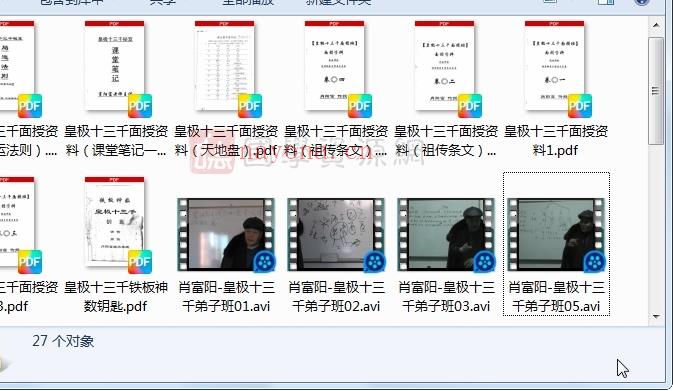
These images come from the original course listing and help show the supplied material.
Who This Resource Is For
This resource is for learners of traditional Chinese metaphysics who want to study the named method and compare the recorded examples with the stated rules. Beginners should start with terminology and basic procedures before moving to advanced cases.
Study Approach
Follow the lessons in order, keep a glossary of Chinese terms, and document the steps used in every example. Distinguish a traditional interpretation from an evidence-based claim or a guaranteed personal outcome.
Digital Delivery
This product is virtual and downloadable. No physical shipment is required. Check the product and order details for the available delivery format.
Frequently Asked Questions
Is the material in English?
The product guide is in English. Original lessons and documents may be in Chinese.
Is this a physical product?
No. It is a digital study resource.
Does the method guarantee a result?
No. Traditional interpretations are presented for cultural and educational study, not as guaranteed predictions or professional advice.
Related Learning
Browse the Tie Ban Shen Shu collection and the full course library.
- I Ching Applied Practice: 80 Video Lessons
- Plum Blossom Numerology and Trigram Practice: 89 Lessons
- I Ching for Beginners: Casting and Reading Hexagrams
- The 64 Hexagrams Explained: Video and Study Guide
For course questions, contact Karma Kismet.
Approaching the Nineteen Recordings
This Tie Ban Shen Shu collection is presented as nineteen recordings accompanied by PDF reference documents. The original listing describes the videos as older material with limited clarity. Those details matter to a prospective learner: listening, reading, and checking the relationship between a recording and a document may take more effort than the title alone suggests. Plan to study the collection as an archival set of lessons and notes, allowing time to pause whenever speech, image quality, or terminology makes a passage hard to follow.
The source inventory names reference files associated with the Huang Ji Shi San Qian material, including a key, classroom notes, and documents whose titles refer to plates, rules, and traditional verses. File names indicate topics, but they do not prove how fully a topic is explained or whether a particular PDF aligns with a particular recording. A useful first step is to map what you can actually open and read, then keep your own index of the subjects you find.
Make an Index Before Taking Detailed Notes
Number the recordings according to the available sequence and give each one a short description after viewing it. Add the PDF title and page number whenever a document appears relevant. This index can remain simple: recording number, topic heard, related document, unfamiliar terms, and questions. Its purpose is to save you from repeatedly searching through nineteen files for a short explanation.
The source inventory includes different older video file extensions. Compatibility and legibility may vary with a reader’s setup, so check actual playback before planning a study schedule. If a passage is indistinct, write down what is certain and what is not. Do not build a later interpretation on words or symbols you could not clearly verify. The same caution applies to a blurred diagram or an imperfectly scanned page.
Understanding the Named Method
Tie Ban Shen Shu is a traditional interpretive subject with specialized terminology. For study purposes, focus on how this collection defines its own terms, arranges its reference material, and moves from a stated procedure to an interpretation. Different descriptions of a traditional method may emphasize different conventions. Avoid importing a rule from an unrelated course simply because the English label sounds similar.
The supporting documents can function as a cross-reference rather than a shortcut. A named key may contain terms or rules that become meaningful only after a recording explains how to use them. Conversely, a lecture may move quickly through a detail that is easier to inspect on a PDF page. Move between the two formats deliberately and cite the exact place where you found each explanation. That approach is particularly helpful when older video quality makes a spoken character or number uncertain.
A Method for Working Through an Example
- Write down the example’s starting information exactly as stated, including any uncertainty caused by the recording quality.
- Identify each named rule or reference before attempting to apply it.
- Find the corresponding passage in the available PDF documents when a reference is mentioned.
- Separate mechanical steps from the speaker’s interpretive commentary.
- Try to reproduce the sequence in a fresh set of notes, then compare it with the recording.
- Leave an explicit question beside every unexplained jump instead of turning the jump into a rule.
This exercise is about comprehension. It does not require testing a prediction on a real person. A fictional or historical example already present in the material is enough to practice following the internal structure of a lesson. If the collection gives several examples, compare the way a rule is used in each one. Similar wording does not always mean identical circumstances.
Study Habits for Older Course Material
Older recordings can reward repeated listening, but repetition is most useful when paired with a specific question. Listen once to locate the broad topic. On a second pass, pause at terms, symbols, or references that you need to transcribe. On a third pass, check the logic connecting the steps. This is more productive than replaying an entire recording without knowing what you are trying to resolve.
Maintain a glossary with the original Chinese terms where possible. Keep alternate translations in the same entry until the material itself clarifies which meaning fits. Terms tied to plates, rules, verses, or classroom notes may be used as labels for different kinds of information. Define each from its context in this collection rather than assuming that an English translation supplies the full technical meaning.
If the named files seem to contain uneven amounts of explanation, do not force them into a textbook-style progression. Course recordings may preserve the order of a particular class, while reference documents may have been intended for consultation. You can use the recording order for a first viewing and build a separate topic index for later review. That gives you a way to revisit a concept without implying that the supporting pages form a complete independent manual.
Who May Find the Collection Suitable
A learner who is comfortable with Chinese instructional material and willing to work with older recordings may appreciate the combination of lectures and reference PDFs. Someone already familiar with basic traditional terminology may be better placed to identify when a speaker assumes prior knowledge. A complete beginner can still explore the collection, but should expect to spend time defining terms before trying to follow advanced references.
The title’s word practitioner describes the course’s subject and orientation; it should not be read as a credential. Viewing nineteen recordings does not certify competence or authorize someone to advise others. The listing also does not establish the condition of every recording in advance. If clear modern video, subtitles, or an English translation are essential to your study, assess those needs against the stated older-video limitation.
Limits and Responsible Interpretation
Traditional divination material can be studied as cultural practice and as a system of texts, procedures, and symbols. Its interpretations are not verified facts about a person’s future. Avoid presenting a classroom example as a guarantee that the same result will occur elsewhere. When personal questions involve health, money, legal obligations, or safety, use appropriate evidence and qualified professional support. A course recording should not replace those resources.
Respect uncertainty in the source itself. A clearly stated rule, an inferred step, and a viewer’s speculation belong in different columns of your notes. This distinction lets you learn from the material without overstating what it says. It also helps you discuss the course accurately with another student: you can point to a recording or page instead of relying on memory of a difficult passage.
Questions About This Tie Ban Shen Shu Collection
Are all nineteen recordings equally clear?
The original listing warns that the material is old and the image quality is not high. It does not provide a recording-by-recording quality assessment. Expect to check legibility as you study.
Do the PDFs replace the lectures?
The documents are described as supporting references. Their file names alone cannot tell you whether they explain every procedure used in the recordings. Treat them as material to cross-check.
What if a term in a PDF seems to conflict with what I heard?
Revisit the exact recording segment and page. The apparent conflict could reflect audio clarity, transcription, context, or a real difference. Keep both observations visible until you can resolve them from the material.
Is this an entry-level course?
The collection includes specialized reference names and is presented as a practitioner course. A newcomer may need separate foundational study to follow the terminology, even while using these recordings as an introduction to the subject.
What should I be able to do after a careful first pass?
A realistic goal is to identify the topic of each recording, locate related PDF passages, and trace one explained example without inventing missing steps. Deeper interpretation can wait until that foundation is secure.