
Study Qi Men Nine Palaces, Eight Doors and Pattern Guide through an English digital resource with curriculum notes, original material previews, FAQs and.
Course Overview
This English digital resource presents the available material as a structured learning path. It preserves verifiable curriculum details and visual references while adding clear navigation, study guidance and definitions for international learners.
What You Will Study
- Core concepts and terminology associated with this subject
- A practical sequence for reviewing the supplied lessons or reference material
- Examples, diagrams or case notes included in the source curriculum
- Responsible interpretation without guaranteed outcomes
Curriculum and Source Notes
Information introduction
This collection is the Qi Men Dun Jia series of study materials compiled by An Cheng. It consists of three volumes and systematically builds a complete knowledge system from basic theory to practical application. "Introduction to Qimen Dunjia" focuses on basic concepts and framework analysis, covering core theories such as yin and yang, five elements, heavenly stems and earthly branches, and nine palaces and eight trigrams, laying a solid foundation for beginners. "Memory and Interpretation of Good and Unlucky Patterns in Qimen Dunjia" focuses on the patterns of good and bad luck in Qimen Dunjia, systematically summarizes common pattern types, provides memory methods and detailed explanations, and is the key material for mastering pattern judgment. "Qi Men Dun Jia Interpretation and Practical Hexagram Examples Detailed Internal Lecture Notes" goes deep into the practical level, analyzes the board deduction process through specific hexagram examples, and demonstrates the hexagram breaking ideas and practical skills, which has high application reference value. The content of the three volumes of materials proceeds from the shallower to the deeper in a step-by-step manner, covering the three modules of theory, pattern, and practice, forming a logical and rigorous learning path. The overall structure of the material is clear and the content is professional. It is suitable as a reference textbook for the systematic study of Qimen Dunjia. It is especially suitable for traditional culture enthusiasts and researchers who want to go from entry to advanced.
Resource screenshot
Data directory
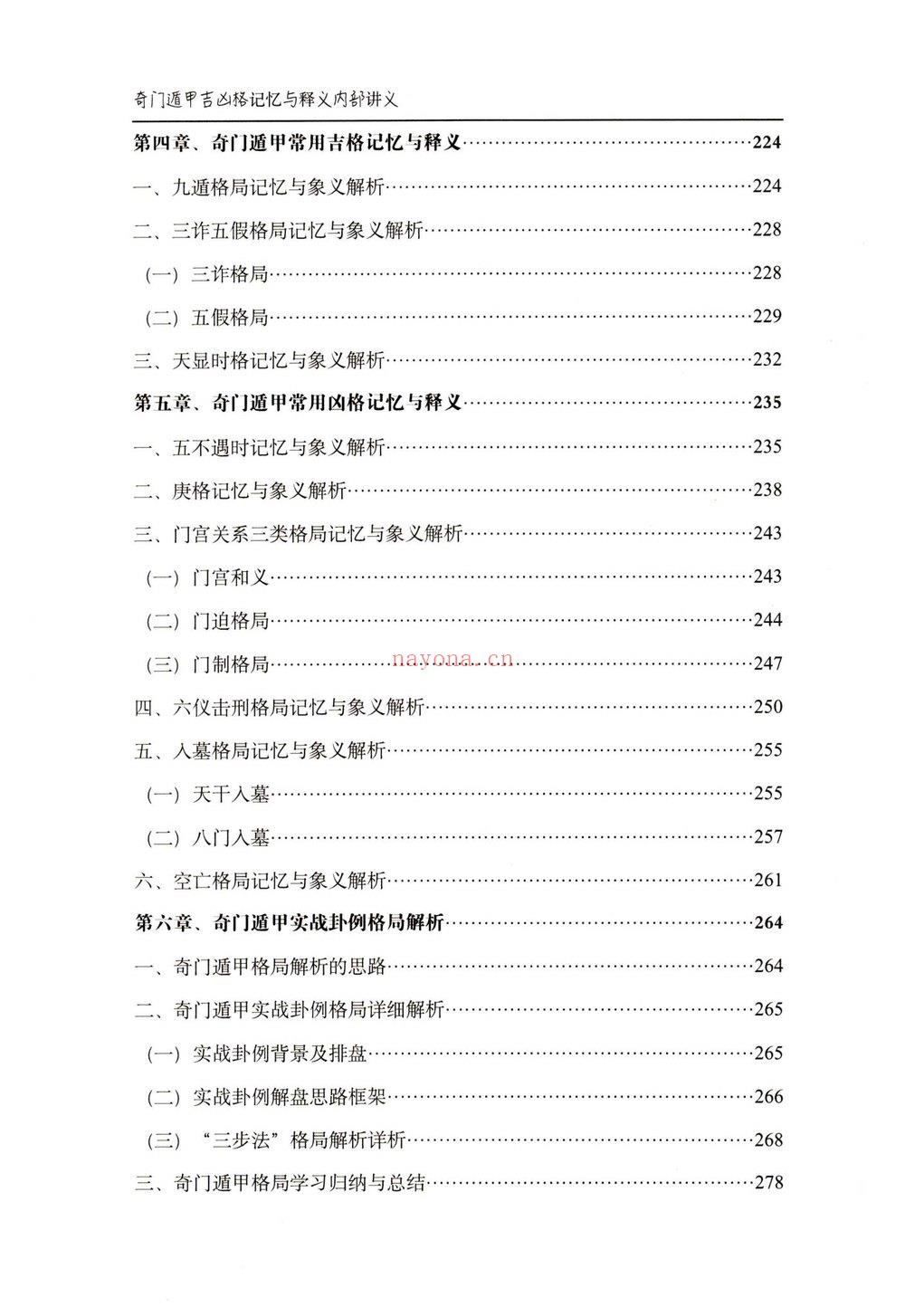
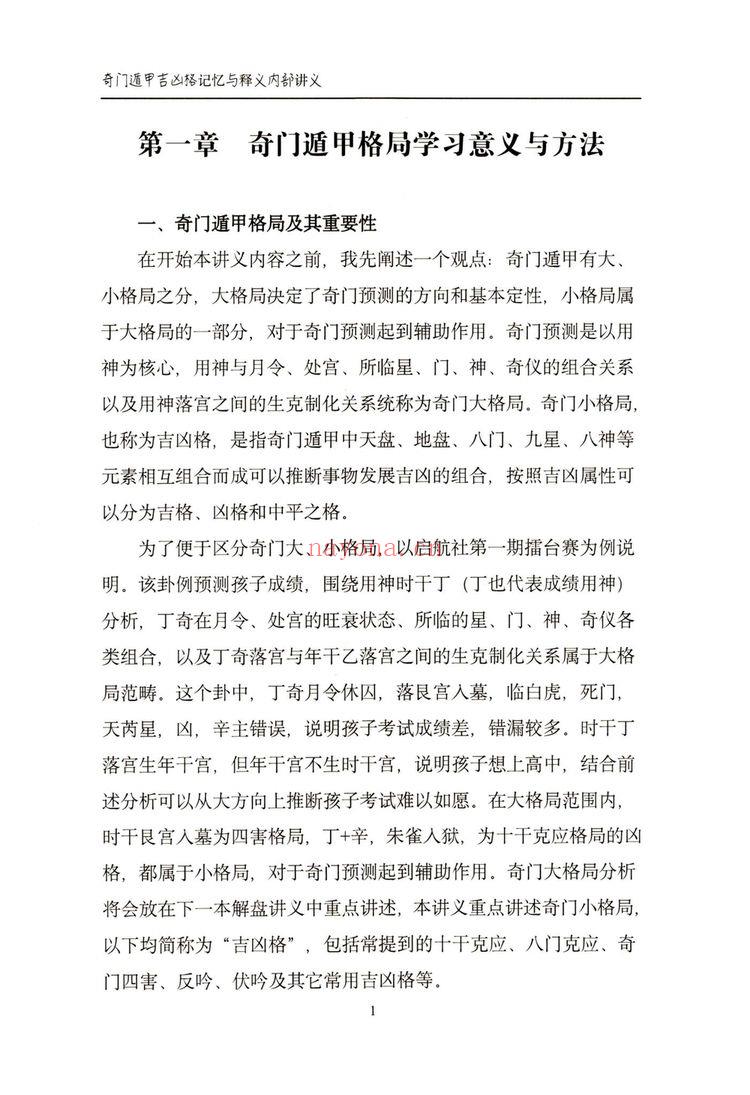
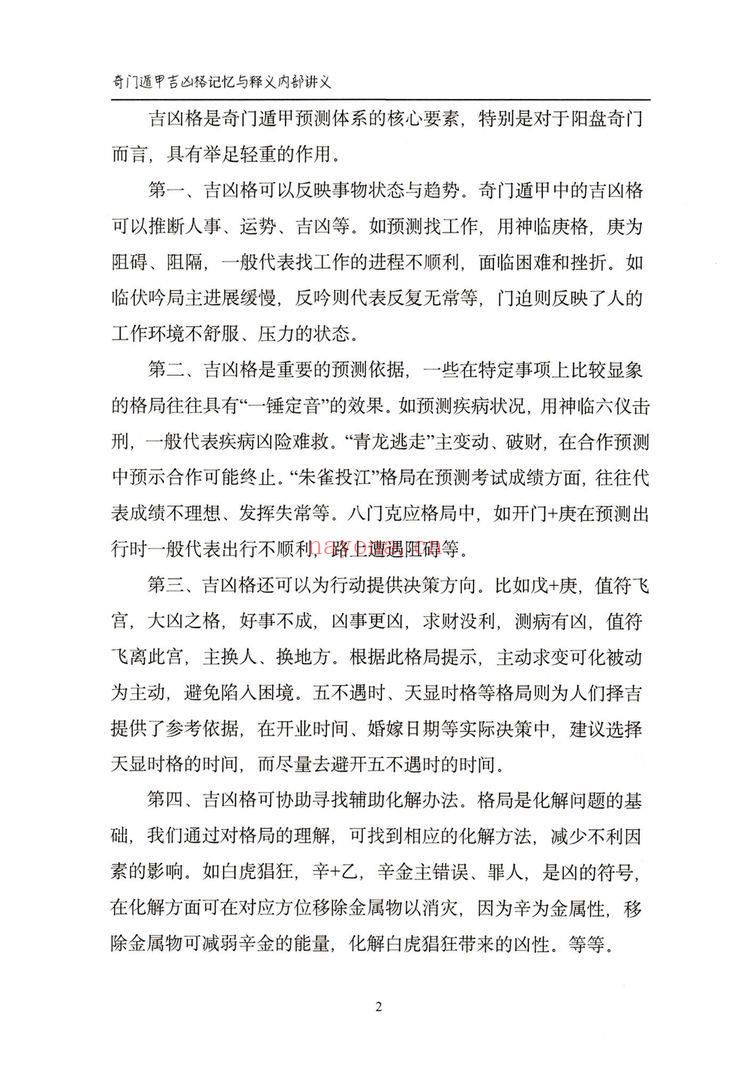
Written by An Cheng – "Memory and Interpretation of Qimen Dunjia's Good and Bad Characters" 286 pages – color scan (139 yuan).pdf
132.46 MB
Written by An Cheng – "Internal Lecture Notes on Qimen Dunjia Interpretation and Practical Hexagram Examples" 332 pages – color scan (239 yuan).pdf
152.92 MB
Written by An Cheng – "Introduction to Qi Men Dun Jia" 194 pages – color scan (139 yuan).pdf
88.40 MB
The page is extracted from – An Cheng's book – "Memory and Interpretation of Qimen Dunjia's Good and Bad Gestures", page 286 – color scan (139 yuan).pdf
5.07 MB
The page is extracted from – An Cheng's book – "Internal Lecture Notes on Qimen Dunjia Interpretation and Practical Hexagram Examples", page 332 – color scan (239 yuan).pdf
4.83 MB
The page is extracted from page 194 of "Introduction to Qimen Dunjia" written by An Cheng – Color Scan (139 yuan).pdf
4.99 MB
Abstract: An Cheng's "Introduction to Qi Men Dun Jia" is an e-book that deeply explores the theory and practical application of Qi Men Dun Jia. In particular, it provides detailed memory techniques and analysis on the issues of good and bad luck in Qi Men Dun Jia. The book is divided into three volumes, detailing the basic theory and practical application of Qi Men Dun Jia and how to assist decision-making and fortune prediction through the analysis of good and bad luck. Through this book, readers can better grasp the core concepts of Qi Men Dun Jia and use this knowledge to improve the quality of decision-making in daily life. This book is not only suitable for beginners, but also provides in-depth theoretical and practical guidance for learners with a certain foundation. It is a must-read for Qi Men Dun Jia enthusiasts.
1. Basic theory and development of Qi Men Dun Jia
Qi Men Dun Jia, as a profound knowledge in ancient China, contains complex elements such as Yin Yang, Five Elements, Bagua, Heavenly Stems and Earthly Branches. Its origin can be traced back to the Spring and Autumn Period and the Warring States Period. With the evolution of history, it gradually developed into an independent prediction technique. An Cheng's "Introduction to Qi Men Dun Jia" starts from the basic theory, explains in detail the composition and application of Qi Men Dun Jia, and helps readers establish a systematic knowledge framework.
The book first introduces the main components of Qimen Dunjia – including the three major plates of Tianpan, Turf and Human Pan. These plates are interconnected and form the core structure of Qimen Dunjia. Through these basic contents, readers can understand how Qimen Dunjia uses the principles of Yin and Yang and the Five Elements to analyze various phenomena in nature and social life.
In addition, An Cheng also made a detailed discussion of the historical evolution of Qi Men Dun Jia in the book, sorted out the academic changes of Qi Men Dun Jia from the pre-Qin period to the Qing Dynasty, and revealed the unique value and application of this magic in different historical stages. Through these contents, readers can not only master the basic knowledge of Qimen Dunjia, but also deeply understand its cultural significance and practical use in ancient society.
2. Analysis of the concept of Qi Men Dun Jia’s good and bad luck
The most critical part of Qi Men Dun Jia is the analysis of good and bad luck. The good and bad luck pattern refers to the combination of the eight gates, nine stars, six armors and other elements to judge the good or bad fortune of things. In "The Essential Interpretation of Qi Men Dun Jia", An Cheng elaborates on the formation, operation mechanism and practical application methods of auspicious and inauspicious patterns.
The book first clearly defines the basic concepts of good and bad luck, and points out that each element of Qi Men Dun Jia does not exist in isolation, but forms different patterns through specific arrangements and combinations. These patterns correspond to different celestial phenomena and personnel changes. Therefore, by interpreting the auspicious and inauspicious patterns, we can provide scientific basis for decision-making. An Cheng emphasized that one of the core goals of learning Qi Men Dun Jia is to identify good and bad luck, adjust strategies in a timely manner, avoid disasters and strive for good luck.
In order to help readers better remember and understand the use of good and bad patterns, Ancheng has also specially designed a variety of memory methods to help learners master complex pattern analysis skills in a short period of time. For example, diagrams, formulas and other methods are used to simplify the changing rules of good and bad luck, so that beginners can quickly get started in practice.
3. Practical application and case analysis of auspicious and inauspicious patterns
In "Introduction to Qimen Dunjia", An Cheng not only explains at the theoretical level, but also demonstrates the practical application of auspicious and inauspicious patterns in life through a large number of practical case analyses. Through Qimen Dunjia's analysis of well-known political and economic events in history, the book explains in detail how good and bad luck helped ancient wise men make accurate decisions.
The book provides a number of specific cases, such as the analysis of Qimen Dunjia in ancient battles, which shows the value of Qimen Dunjia in war. By analyzing factors such as Eight Gates, Nine Stars, and Liujia, we predict changes in the battle situation and help decision-makers make effective adjustments.
. In addition, it also introduces the practical application of Qimen Dunjia in business, marriage and other fields, helping modern people predict important events in life through this ancient technology.
Through these practical application cases, Ancheng lets readers understand that Qimen Dunjia is not only an abstract theoretical system, but also a practical decision-making tool. When facing complex social situations and personal dilemmas, a more accurate basis for judgment can be obtained through the analysis of good and bad luck.
4. Qi Men Dun Jia’s memory skills and learning methods
"Introduction to Qi Men Dun Jia" not only focuses on the explanation of theory and application, but also emphasizes the memory skills of Qi Men Dun Jia. Because Qi Men Dun Jia involves a lot of knowledge points, especially the calculation and analysis of good and bad luck, many beginners tend to feel confused and tired during the learning process.
An Cheng summarizes a variety of effective memory methods in the book, including image memory methods, association methods, formula methods, etc., to help learners master the core content of Qi Men Dun Jia more efficiently. For example, visual diagrams are used to simplify complex elements such as eight gates and nine stars, making them more intuitive and easy to understand. Through these methods, learners can reduce confusion during the memorization process and improve learning efficiency.
At the same time, Ancheng also recommends that learners adopt a staged learning method, dividing the learning content into several small modules, and gradually mastering the core concepts and application methods of each module. This can effectively avoid knowledge overload and enhance the pertinence and systematicness of learning.
Summary:
"Introduction to Qi Men Dun Jia" is an introductory textbook carefully written for Qi Men Dun Jia enthusiasts. It not only provides a wealth of theoretical knowledge, but also helps readers better understand and master this ancient magic through practical cases and explanations of memory techniques. Whether you are a beginner with a strong interest in Qi Men Dun Jia, or an experienced learner who wants to study in depth, this book can provide a wealth of knowledge and practical guidance.
Through the in-depth analysis of good and bad fortune, readers can better apply the wisdom of Qimen Dunjia in real life, make decision-making predictions, and improve personal fortune and quality of life. This book is an important reference for every student of Qi Men Dun Jia.
Click to contact if you need Eastern and Western mystical learning materials and professional consultation
Course Material Preview
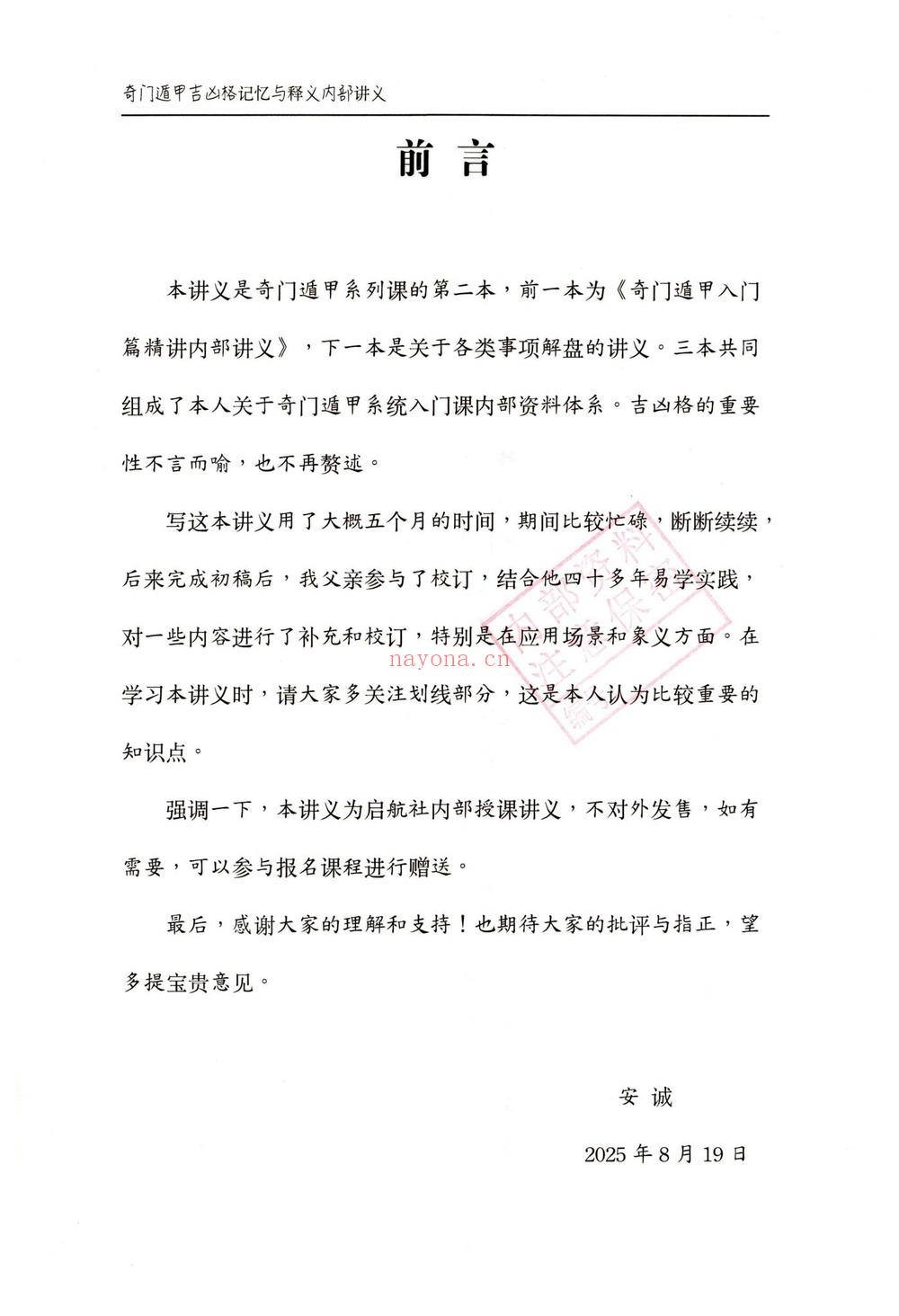
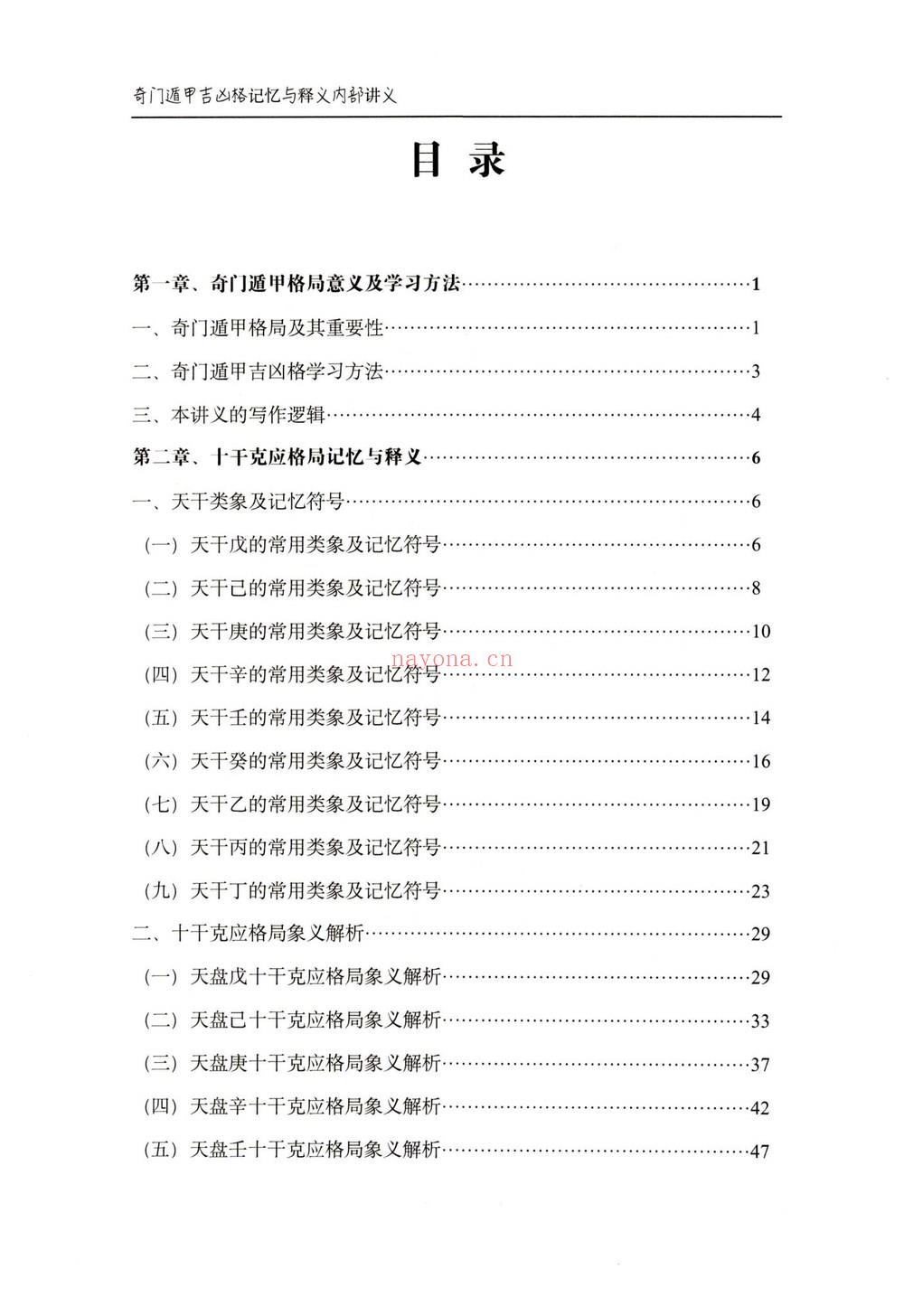
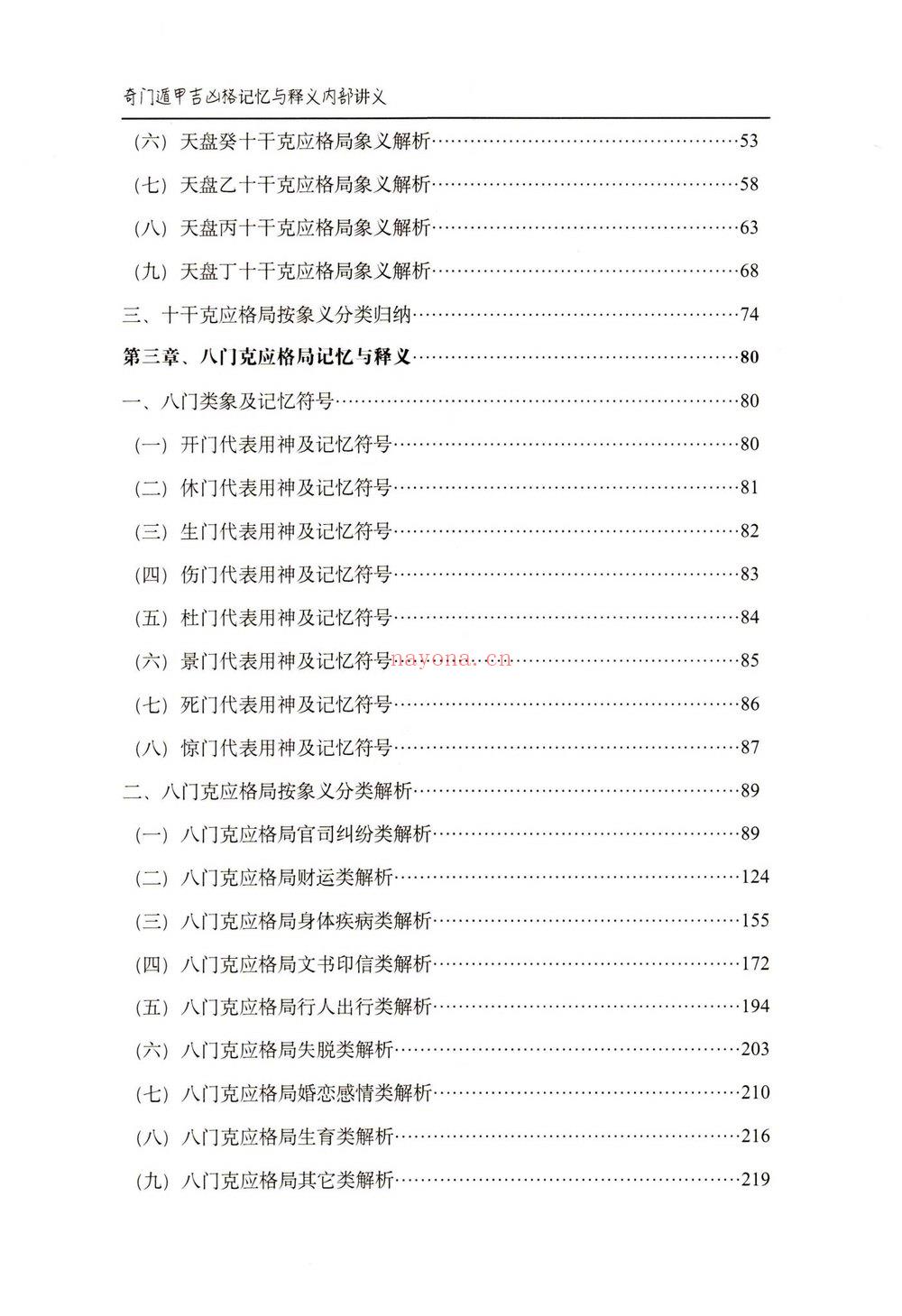
The following original reference images show the supplied course material and its organization.

Recommended Study Method
Begin with the definitions and framework, continue through the lessons in order, and keep written notes for unfamiliar terms. Compare examples with the stated method instead of relying on isolated keywords or unsupported conclusions.
Digital Product Details
- Virtual and downloadable educational product
- No physical shipment
- Course access or download details are supplied after purchase
- Suitable for personal study and reference
Important Context
This material is offered for education, cultural study and personal reflection. It does not guarantee predictions, health outcomes, financial results or other specific outcomes, and it does not replace qualified medical, legal, psychological or financial advice.
Frequently Asked Questions
Is this a physical product?
No. This is a virtual downloadable course or study resource.
Is previous experience required?
The overview identifies the intended level. Beginners should start with terminology and foundational modules before moving to advanced examples.
Are results guaranteed?
No. The material is educational and should be interpreted responsibly.
Is consultation included?
No, unless the product description explicitly states otherwise.
Continue Your Learning
Explore related courses and reports from this specialist library:
- Shuimu Qinglong Professional Qi Men Training: 200 Lessons
- Taigong Qi Men 100 Divination Case Studies
- Chen Youming Qi Men Date Selection and Timing Course
- Zhu Yuanxi Nine Palaces Qi Men Course and Study Guide
- Qian Xiaodao Qi Men Pattern Reading Course
- Yi Zheng Qi Men Dun Jia 108-Lesson Complete Course
- 2025 Yin Pan Qi Men Dun Jia Professional Training
- An Cheng Qi Men Chart Reading and Case Analysis
Reviews
There are no reviews yet.