Study Qi Men divination case course through an English digital resource organized from the original curriculum, course record and reference images.
Course Overview
This English resource organizes the original Chinese curriculum for structured study of Qi Men Dun Jia divination and strategic timing traditions. It presents the source material as a cultural and educational system rather than a scientific prediction or guaranteed outcome.
What You Will Learn
- Core Qi Men terminology and chart-reading approaches used in the source material
- How the course connects palaces, doors, stars, spirits and stems with chart interpretation
- The lesson sequence, examples and study exercises supplied in the original record
- How to distinguish symbolic interpretation from factual or scientific claims
Course Contents
Resource Information
Resource ID: 6360
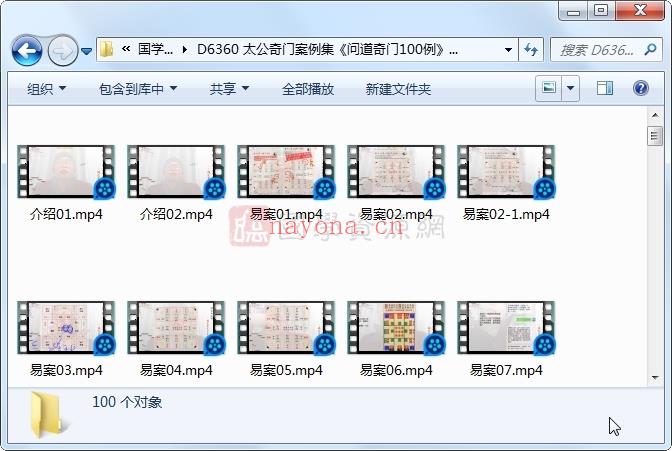
File size: 100 files in total, 6.5GB
Other: None
Partial preview
Original Course Material Images
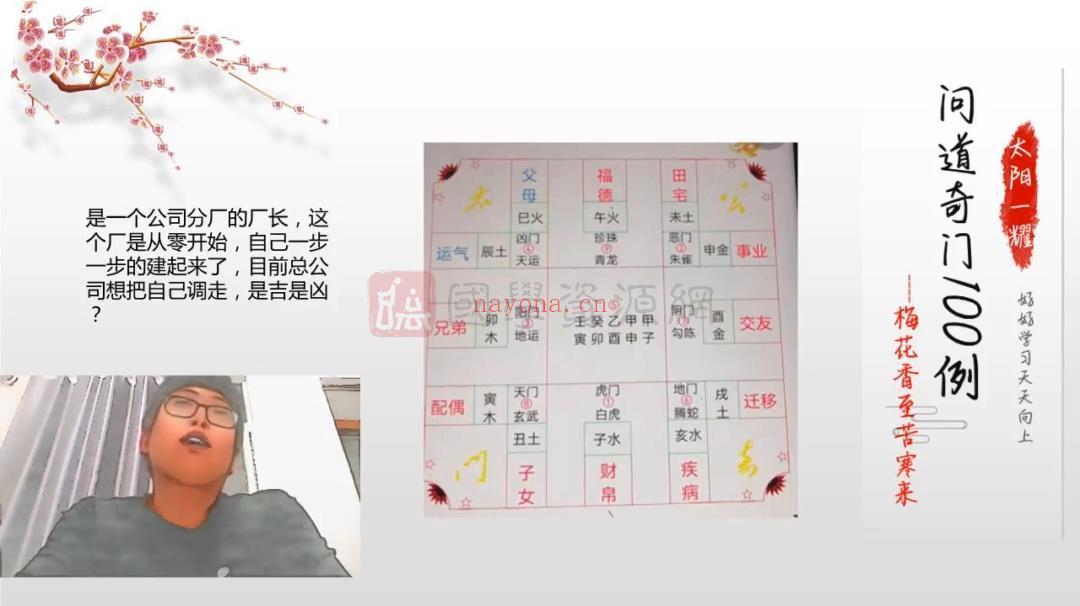
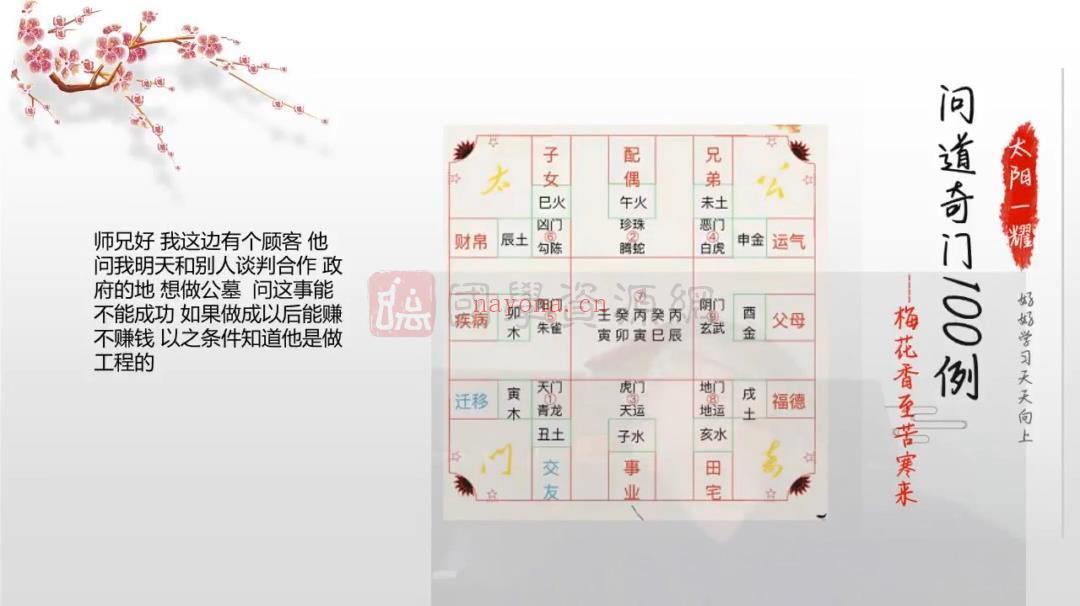
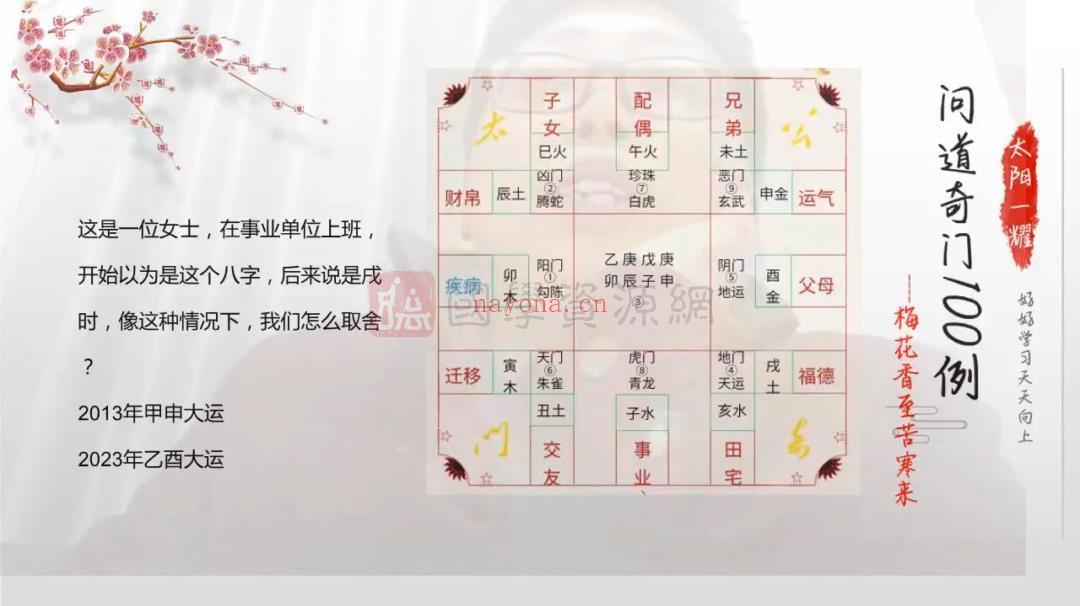
The following images are retained from the original nayona.cn course record for material identification and reference.
Who This Resource Is For
This material is suitable for adult learners exploring Qi Men Dun Jia, Chinese divination, chart reading or traditional timing and strategy methods. Beginners should start with definitions and calculation rules before attempting interpretive exercises.
Learning Format and Digital Delivery
- Virtual digital resource; no physical shipment
- Course files and access instructions are supplied after purchase
- Lesson counts and file types follow the available source record
- Use the materials for personal study and reference
Source and Editorial Method
The curriculum facts and original material images are adapted from the source record at nayona.cn. Karma Kismet translated and reorganized the available information without inventing credentials, lesson counts or promised outcomes.
Frequently Asked Questions
Is this a physical product?
No. It is a virtual, downloadable educational resource.
Is Qi Men Dun Jia scientifically validated?
No. Qi Men Dun Jia is presented here as a symbolic and cultural interpretive tradition, not as scientific diagnosis or prediction.
Does this product include a personal consultation?
No, unless the product description explicitly states that a consultation is included.
Related Qi Men Dun Jia Courses and Guides
- Yi Zheng Qi Men Dun Jia 108-Lesson Complete Course
- Qian Xiaodao Qi Men Pattern Reading Course
- Zhu Yuanxi Nine Palaces Qi Men Course and Study Guide
- Chen Youming Qi Men Date Selection and Timing Course
- Shuimu Qinglong Professional Qi Men Training: 200 Lessons
A hundred cases as a study collection
The source identifies Taigong's collection as Asking the Way through Qi Men: One Hundred Cases. It lists one hundred videos, approximately twenty-two hours, one hundred files, a total size of 6.5GB, and the resource reference 6360. Those are useful identification details. The excerpt does not provide individual case titles or a thematic breakdown. This companion therefore explains how to study a case collection without inventing the subjects of particular episodes, promising a workbook, or suggesting that a personal divination report is included with the recorded material.
A case collection serves a different learning purpose from a basic glossary. It can show how a teacher uses terminology in context, selects chart features, and connects them with a question. However, a large number of cases is not evidence that every interpretation is accurate or that the method predicts unknown outcomes reliably. Approach the examples as demonstrations of a traditional symbolic framework. The useful task is to reconstruct the argument with its assumptions visible, rather than treating the count as a measure of authority or guaranteed proficiency.
Give every case its own question record
Begin an entry with the question or subject exactly as supplied. If the episode does not clearly state a question, note that limitation. Then record the time reference and chart information available. This prevents you from reading one chart as if it answers every possible concern. A selected symbol may be interpreted differently depending on what the teacher is examining. Keeping the question visible makes the argument easier to follow and reduces the temptation to turn a memorable result into a general rule detached from its original setting.
Use a consistent entry number linked to the actual filename. Do not assign a thematic title based only on an outcome you remember. A short descriptive title can be added after reviewing the content, while the original reference should remain alongside it. This is particularly useful in a hundred-file collection because similar examples can be confused over time. Your index should help you find the exact explanation again. A notebook that relies only on memory may accidentally attribute one episode's conditions to another episode's conclusion.
Copy the chart before analyzing the interpretation
On a separate part of the page, record the notation that is actually visible. Include the components and positions the video supplies, but do not complete missing information from another chart or a remembered convention. Mark any illegible symbol. Then summarize the teacher's selection of features. This makes the move from chart transcription to symbolic inference visible. It allows you to check a copying mistake without rewriting the whole interpretation, and it makes clear when an explanation depends on information not available in your record.
If the teacher introduces a calculation or construction convention, give it a glossary entry and a timestamp. The source excerpt does not specify the chart-setting approach for every case, so you should discover it from the material rather than assume it. A collection may use shared conventions, but that should be established before applying one explanation to all episodes. Clear documentation prevents outside background from being silently folded into Taigong's method and helps you distinguish a course statement from a calculation you performed independently.
Trace the selection of relevant features
An interpretive chart can contain many symbols. The educational interest often lies in why the teacher selects some and leaves others in the background. For one case, list the selected feature, the relationship being examined, the conditions stated, and the thematic inference. Then ask whether the source explains that priority. If it does not, keep the gap as a question. A complete-looking summary is less useful than an accurate account of which step you still cannot reconstruct. The latter guides a purposeful review of the recording.
Avoid reducing a case to a label such as fortunate, blocked, or successful. Such labels can hide a longer argument and make unlike examples appear identical. Use a short sentence that retains the question and condition. This keeps the traditional framework intelligible without asserting that the symbols establish the facts of a person's life. The course can be studied carefully even when you maintain uncertainty about its claims. Understanding a symbolic explanation and endorsing it as a verified forecast are separate decisions.
Mark outcome information and hindsight
Record when the case outcome is introduced. Was it already known at the beginning of the explanation, revealed after the symbolic discussion, or left unreported? Those situations provide different evidence. An explanation of a known event can illustrate a method, but it is not automatically the same as a forecast documented before an event. Your notes should preserve that distinction. Do not add a success result simply because the episode ends with confident language or because a case collection's title suggests practical expertise.
If an outcome is supplied, copy its level of precision. A broad report should not acquire an exact date, amount, or relationship detail in your summary. Missing information should remain missing. This practice protects both the source and the people discussed in it. It also makes comparisons more honest because you can see which cases provide detailed context and which provide only a general claim. Dramatic stories are memorable, but their educational value depends on the reasoning and evidence that accompany them.
Compare cases through one recurring concept
Rather than trying to memorize a hundred interpretations, choose a concept that appears in several episodes you have actually studied. Collect the relevant references and compare their questions, conditions, and uses. Does the same symbol receive a different interpretation because the context changes? Does the teacher explain a qualification in one case that helps clarify another? These comparisons can make a large collection manageable. They should grow from the episodes themselves rather than from an invented thematic index based on the resource's title.
Keep outside examples separate. If you consult another Qi Men resource, label its definition and explanation clearly. Similar translated words may conceal different conventions. A comparison can identify that difference without blending the two sources into a single method. This is valuable study work in its own right. It helps you understand Taigong's recorded approach more specifically and prevents the notebook from becoming a miscellaneous list of chart rules whose sources and assumptions are no longer visible.
Use the listed duration as a planning aid
The source's approximately twenty-two-hour figure can help you recognize the collection's scale, but it does not tell you the length of each episode or the time needed to understand it. A short case may require considerable review if its reasoning assumes unfamiliar vocabulary. Set a manageable personal milestone, such as documenting a few examples accurately, rather than equating continuous viewing with comprehension. Revisit an explanation when you cannot reconstruct it, and keep the file reference so that review does not require searching the entire collection again.
A useful output is a case ledger with question, notation, selected features, attributed interpretation, outcome information, and uncertainty. That ledger gives the hundred-case format a concrete educational purpose. It does not imply a certificate, an included consultation, or guaranteed predictive skill. Study the resource as a cultural collection of Qi Men arguments and retain practical judgment around health, money, disputes, and relationships. The source's identification details support locating the material; the recordings and careful notes support understanding what each case actually shows.