
Study Qi Men Dun Jia Foundations for Beginners: 20 Lessons through an English digital resource with curriculum notes, original material previews, FAQs and.
Course Overview
This English digital resource presents the available material as a structured learning path. It preserves verifiable curriculum details and visual references while adding clear navigation, study guidance and definitions for international learners.
What You Will Study
- Core concepts and terminology associated with this subject
- A practical sequence for reviewing the supplied lessons or reference material
- Examples, diagrams or case notes included in the source curriculum
- Responsible interpretation without guaranteed outcomes
Curriculum and Source Notes
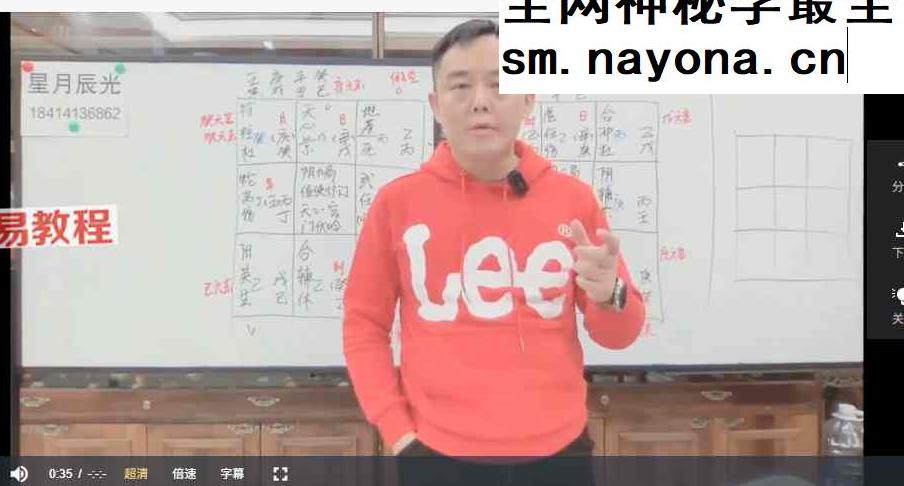
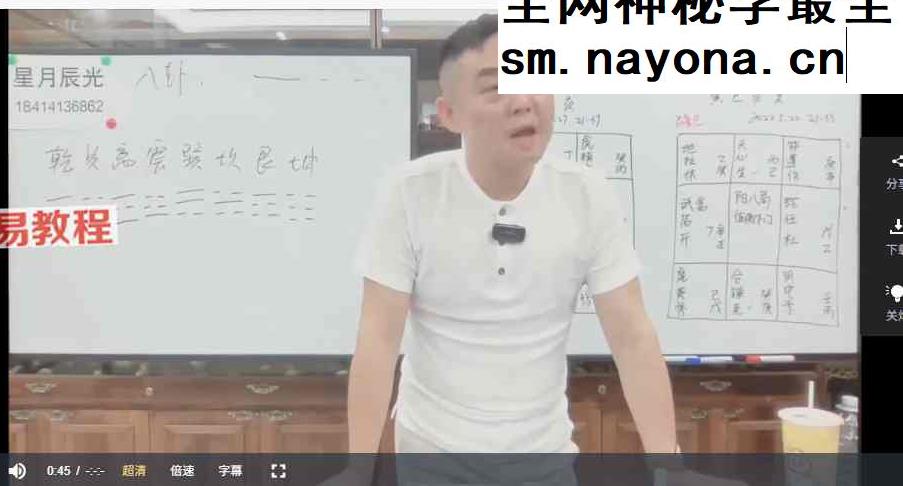
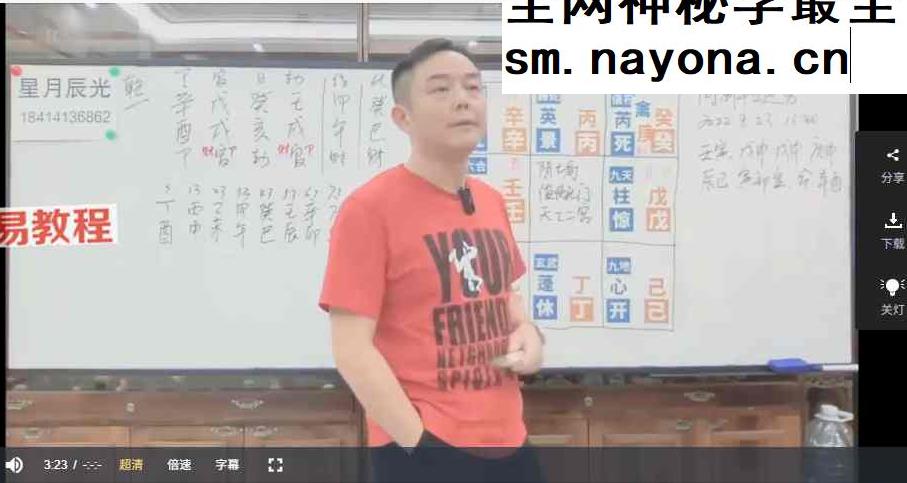
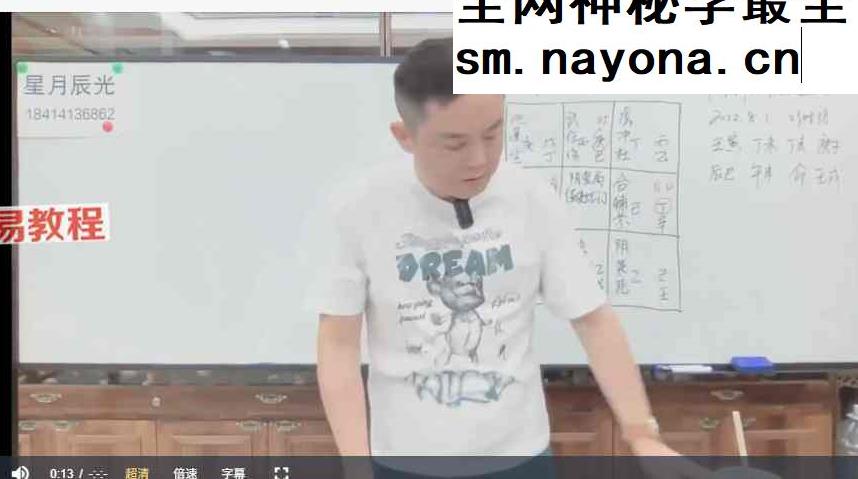
This 20-lesson introductory video course presents the basic Qi Men Dun Jia chart, Nine Palaces, Eight Doors, Nine Stars, deities and a beginner reading workflow.
Course Material Preview
The following original reference images show the supplied course material and its organization.
Recommended Study Method
Begin with the definitions and framework, continue through the lessons in order, and keep written notes for unfamiliar terms. Compare examples with the stated method instead of relying on isolated keywords or unsupported conclusions.
Digital Product Details
- Virtual and downloadable educational product
- No physical shipment
- Course access or download details are supplied after purchase
- Suitable for personal study and reference
Important Context
This material is offered for education, cultural study and personal reflection. It does not guarantee predictions, health outcomes, financial results or other specific outcomes, and it does not replace qualified medical, legal, psychological or financial advice.
Frequently Asked Questions
Is this a physical product?
No. This is a virtual downloadable course or study resource.
Is previous experience required?
The overview identifies the intended level. Beginners should start with terminology and foundational modules before moving to advanced examples.
Are results guaranteed?
No. The material is educational and should be interpreted responsibly.
Is consultation included?
No, unless the product description explicitly states otherwise.
Continue Your Learning
Explore related courses and reports from this specialist library:
- Shuimu Qinglong Professional Qi Men Training: 200 Lessons
- Taigong Qi Men 100 Divination Case Studies
- Chen Youming Qi Men Date Selection and Timing Course
- Zhu Yuanxi Nine Palaces Qi Men Course and Study Guide
- Qian Xiaodao Qi Men Pattern Reading Course
- Yi Zheng Qi Men Dun Jia 108-Lesson Complete Course
- Qi Men Nine Palaces, Eight Doors and Pattern Guide
- 2025 Yin Pan Qi Men Dun Jia Professional Training
Xingyue Chenguang's twenty-lesson foundation sequence
The source identifies Xingyue Chenguang as the presenter of this twenty-video introductory Qi Men collection and supplies a readable MP4 inventory. The first lesson names the basic model, followed by Yin-Yang, Five Elements, and trigrams. A chart-setting topic appears in lesson three. Subsequent titles develop trigrams, structure, stems, branches, stars, doors, and spirits before introducing stages and other symbolic conditions. This sequence gives a beginner specific places to return when a term is unclear. It does not establish English subtitles or live interaction merely because later promotional prose mentions such features.
Treat the inventory as the most concrete guide to the course's scope. The source's enthusiastic summary includes broad claims about decision-making and rapid learning, but those are not evidence of guaranteed competence or scientific prediction. The English companion focuses on the named lessons. A newcomer can use them to build a glossary and recognize a chart's layers while retaining the distinction between symbolic interpretation and practical facts. Progress can be measured by clear explanations and accurate notes rather than by a promise to master the subject quickly.
Understand the model before thematic use
Start with the first lesson's basic-model subject and copy the layout shown in the actual material. Label only what you can identify. A diagram becomes more useful when you can explain the role of each label instead of merely recognizing its shape. If the orientation or convention is unclear, mark the question and return to the chart-setting lesson. Do not complete the diagram from an unrelated resource and then treat it as the teacher's model. Source-specific notation is part of understanding the course's own explanation.
The early trigram topics can support that model study, but they should retain their own definitions. A trigram, a palace position, and an interpretive component are not interchangeable simply because they appear in the same diagram. Keep a glossary with original Chinese terms, consistent English names, and a short description of function. This makes it easier to follow later explanations. It also prevents a familiar translated word from replacing a technical distinction the course is trying to establish for beginners.
Use the chart-setting lesson as a convention record
Lesson three is named around setting the chart. Record the conventions actually explained there and link later examples back to them where appropriate. If an example changes a convention, note the change. A beginner's notebook should show how notation was obtained before discussing what it means. This prevents the calculation stage from disappearing behind a final interpretation. It also makes an error easier to locate: a wrong transcription, an unclear construction assumption, and a disputed symbolic inference are different problems requiring different kinds of review.
If you construct a personal practice chart, label it as your own exercise and record the information used. Do not infer an exact time from an incomplete example or silently choose a date boundary because it makes the result look familiar. Uncertainty is part of the record, not a flaw to hide. The course can still be studied through its supplied diagrams while some calculation details remain unresolved. Careful foundation learning often involves identifying exactly what you do not yet understand and finding the lesson that addresses it.
Stars, doors, and spirits form separate topic groups
The inventory names two lessons on Nine Stars, two on Eight Doors, and three entries on Eight Spirits. These repeated groups are useful for paced review. Keep separate pages for the three topic families, with each definition tied to the actual lesson. Do not reduce every component to a single good-or-bad adjective. Their roles in the symbolic chart differ, and the teacher's explanation may attach conditions to an interpretation. A glossary that preserves function and context is more valuable than a list of impressive names without reasoning.
English translations can give these labels unintended literal meanings. A spirit name is part of the traditional vocabulary; it is not an independently established supernatural fact. A door name is not necessarily a physical doorway. Record how the course uses each term and retain the Chinese wording where translation could confuse the role. This helps you discuss the cultural system accurately. It also keeps a symbolic association from being presented as an observable property of a person or a guarantee about the outcome of an activity.
Stems and branches connect to later stages
Lessons seven and eight name the Ten Heavenly Stems and Twelve Earthly Branches. Lessons sixteen and seventeen later name the sixty stem-branch combinations and twelve stages. Link those entries in your index so that you can review the foundational names when the stage vocabulary becomes difficult. The stage words may use imagery of growth or decline, but they belong to the interpretive framework. They should not be translated into medical conclusions or assumptions about a person's lifespan, fitness, or moral character.
For a stage example, copy the visible notation and then summarize the classification. Keep the classification separate from the thematic interpretation. This makes it possible to check whether you understood the table or relationship before accepting the author's conclusion. If the course uses an example without complete background information, preserve that limitation. A beginner should not feel compelled to fill every gap. A precise partial record can be a strong basis for learning, whereas a guessed detail can distort the explanation you are trying to understand.
The final symbolic conditions need context
The last three listed lessons concern void, travel-horse and six-instrument punishment, and the use of six harms. These labels can sound alarming when detached from their technical setting. Study their definitions and conditions from the actual lessons before assigning personal significance. A named condition is not proof of danger or a future event. Your notes should state how the teacher interprets it in context and what information the example supplies. This keeps the course's closing subjects connected to the foundation rather than turning them into isolated warnings.
You can review one of these topics by tracing the components it depends on back to earlier lessons. Which stem, branch, position, or convention is involved? Can you explain that dependency in plain English? This is a personal study exercise, not a confirmed workbook assignment. It gives the twenty-part sequence a coherent purpose and helps you recognize whether an apparent difficulty concerns unfamiliar vocabulary or a more complex interpretive step. Either way, a clear question and a source reference make review more productive.
A beginner milestone with visible evidence
After a small group of lessons, close the material and explain one concept from memory. Reopen it and check that you retained the conditions and used the terms consistently. Correct your note and record the reference. This process tests comprehension more effectively than marking a video watched. It can also reveal when a smooth English paraphrase has made the source's statement too broad. The goal is to understand the named foundation topics, not to produce a confident personal forecast before you can follow the chart's structure.
The source-supported sequence makes this a specific introductory resource: model, conventions, components, stages, and additional symbolic conditions. Use that structure for patient cultural study. The English page guides discovery, while the recordings establish the actual explanations and any presentation features. Useful progress means accurate notation, a consistent glossary, and a clear distinction between an author's inference and independent facts. Those skills can grow through careful review without promising rapid mastery, predictive accuracy, or assured outcomes in everyday life.

Reviews
There are no reviews yet.