
Study traditional qigong breathing in 23 listed videos covering foundational breath work, posture, visualization, practice sessions and historical inner-cultivation concepts.
Course Overview
This 23-file course directory combines breathing instruction, posture, attention and guided practice. Several lesson names use traditional inner-cultivation vocabulary; they are presented as cultural study topics, not literal anatomical or medical claims.
What You Will Learn
- Approach breathing practice gently and without forced breath retention
- Study posture, attention and visualization as separate learning components
- Follow a staged series of foundational and guided-practice recordings
- Understand traditional vocabulary without treating it as medical evidence
Course Contents
- 00. Course reminder and preparation
- 01. New course: lesson one
- 02. Essentials of traditional breathing practice
- 03. New course: lesson three
- 04. New course: lesson four
- 05. Focused-attention practice
- 07. Visualization practice
- 08. Maintaining a regular practice
- 09. Traditional microcosmic-orbit concept
- 10. Guided practical session
- 11. Historical Neijing Tu explanation
- 12-16. Five foundational practice lessons
- 17-20. Four visualization lessons
- 21-23. Three traditional microcosmic-orbit lessons
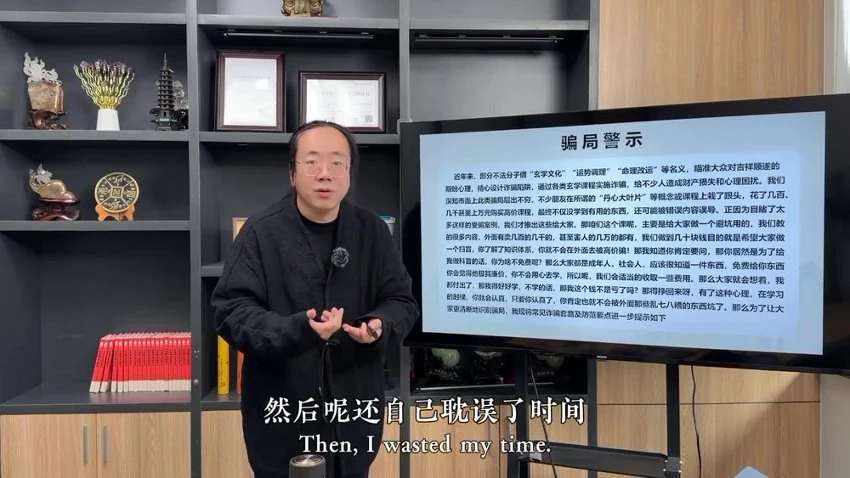
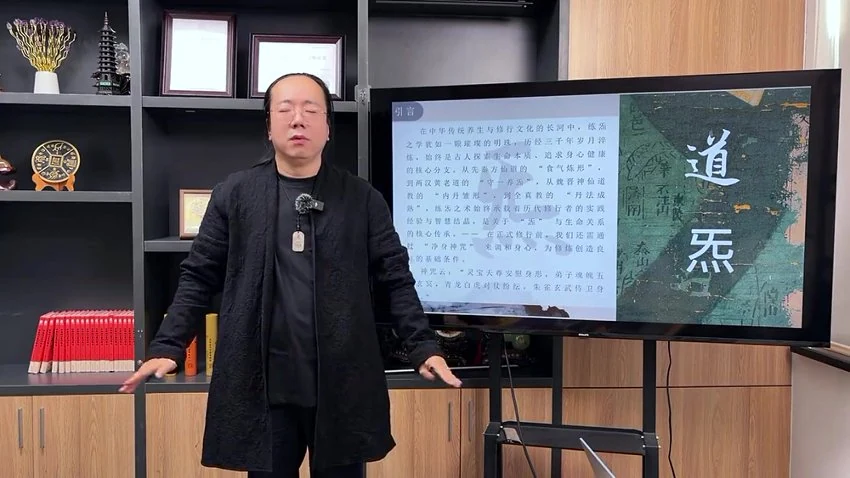
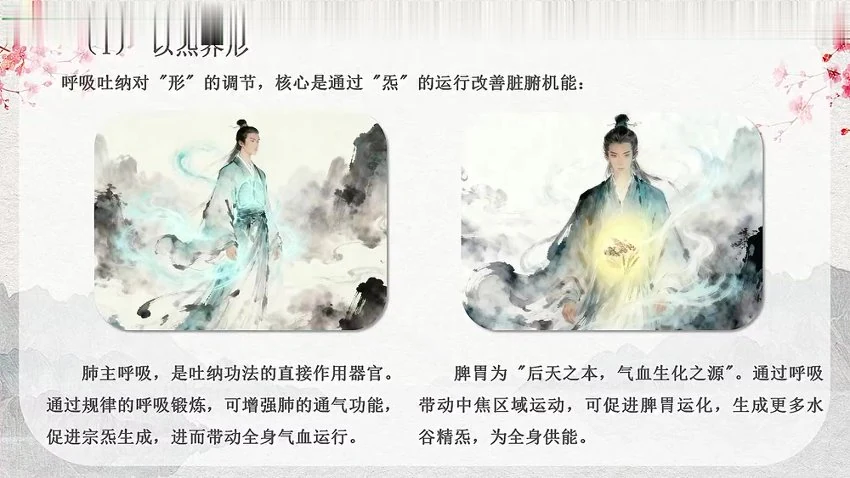
Original Course Images
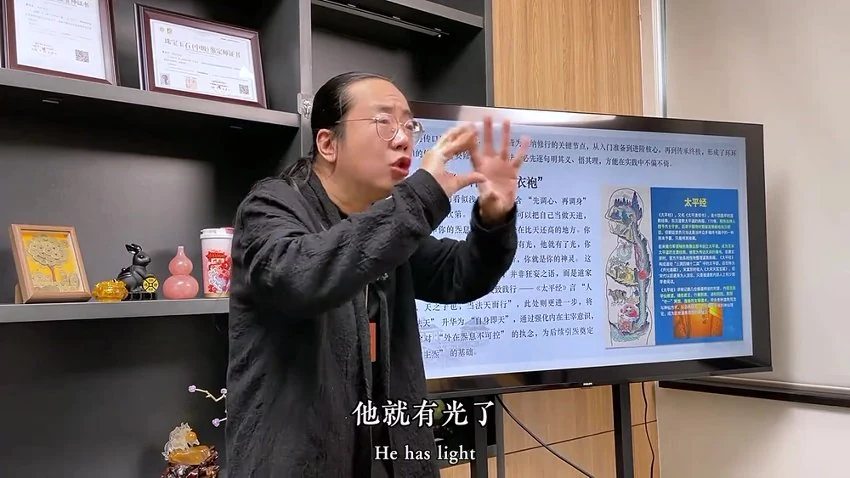
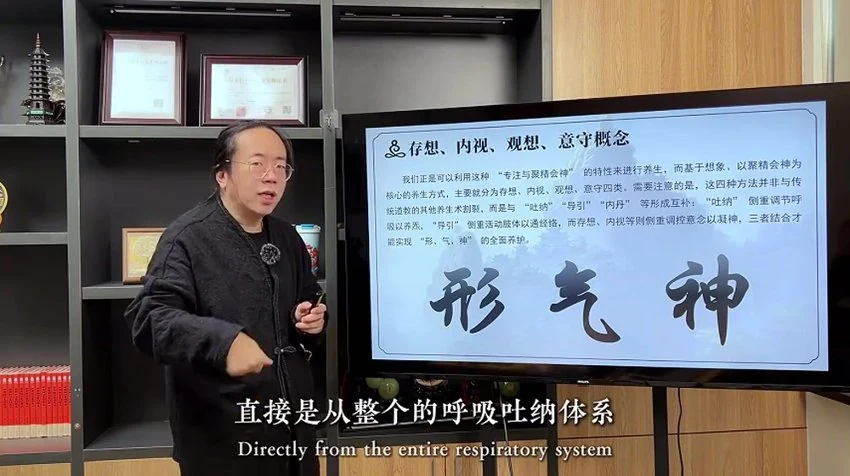
The original course images are retained in their recorded order for visual reference.

Who This Course Is For
Adult learners interested in Chinese movement, breathing and contemplative traditions. Begin gently and adapt the practice to your own mobility and experience.
Learning Format and Digital Delivery
Virtual, downloadable video course with no physical shipping. The store administrator will add or confirm the digital delivery link separately.
Practice Safety
Qigong is generally considered a low-risk activity when practiced appropriately, but movement and breathing exercises are not risk-free for everyone. Use a comfortable range, do not force the breath, and stop if you feel dizzy, faint, short of breath, have chest pain or feel unwell. People who are pregnant or have health or mobility concerns should ask a qualified healthcare professional about suitable modifications. See the NCCIH qigong overview.
Frequently Asked Questions
Why does the source numbering omit lesson 06?
The verified file directory moves from 05 to 07. This page preserves that source numbering instead of inventing a missing title.
Should I force deeper breathing?
No. Breathing should remain gentle; stop if you feel dizzy, short of breath, faint or unwell.
Related Qigong Courses and Guides
Editorial Note
Karma Kismet translated and organized the verified course directory for English-speaking learners. Traditional health language has been edited so that it is not presented as a diagnosis, cure or guaranteed outcome.
Disclaimer
For cultural, historical and educational study only. This course does not diagnose, treat or prevent disease and does not replace medical care.
More Qigong Courses
- Complete Health Qigong Beginner Collection: 41 Videos
- Wudang Baduanjin Qigong Course: 10 Video Lessons
Studying Breath, Posture, and Attention
This 23-video directory is organized around traditional qigong breathing training. The listed subjects move among preparation, breathing essentials, focused attention, visualization, regular practice, guided sessions, and historical inner-cultivation concepts. That mix calls for two kinds of reading at once: noticing what a recording asks a viewer to do, and understanding the traditional language used to describe the experience. A term from inner cultivation is part of a cultural framework. It should not be mistaken for a claim about a measurable anatomical pathway.
Breathing instruction can sound simple, yet viewers may interpret a cue more strongly than intended. For introductory study, the safest assumption is that breathing should remain natural and comfortable. A lesson title does not establish a required depth, duration, or pace. Watch how the instruction is framed before deciding whether to follow along. If a recording uses unfamiliar language, you can pause and study its meaning without trying to reproduce a sensation.
A Careful Route Through the Lesson Directory
The sequence begins with a reminder and preparation entry, then moves into early lessons and named topics such as focused attention and visualization. Later listings include foundational practice lessons, further visualization lessons, and lessons titled with the traditional microcosmic-orbit concept. The numbering shown in the directory skips 06. Preserve that gap in your own notes rather than inventing a missing topic or assuming why it is absent.
- Read the directory first and record the visible lesson numbers exactly as listed.
- Begin with the preparation material to understand how the collection frames practice.
- Watch one breathing lesson as an observer, noting posture, pacing, and the wording of each cue.
- Separate instructions you can plainly identify from traditional interpretations attached to them.
- Revisit a lesson before advancing if its terms or instructions remain unclear.
The number of recordings does not require daily progression or a fixed completion schedule. A staged collection can help organize study, but it cannot know a viewer’s health, mobility, or prior experience. Repetition of a basic lesson may teach more than rapidly viewing the advanced vocabulary.
Three Different Learning Tasks
Observing Breath
Some lessons may direct attention to breathing. Observation can mean noticing an ordinary inhale and exhale without trying to make either longer, louder, or more dramatic. If a video seems to ask for a change in breathing, identify the precise cue and consider whether it feels comfortable. Do not force breath retention or continue when you feel lightheaded. A title about breathing does not justify overriding signs of discomfort.
Understanding Posture
Posture provides the physical setting for the exercise. The directory indicates that posture is part of the material, but it does not give enough detail to prescribe one position for everyone. Notice how the body is placed in the recording and whether the instructor offers alternatives. Viewers can treat a posture as something to examine even if they cannot or should not copy it. Comfort, balance, and ordinary breathing remain more important than matching an image exactly.
Working with Attention and Visualization
Focused-attention and visualization lessons involve mental imagery or directed awareness as named study topics. Imagery can be described in symbolic language, especially in a traditional context. Record what the speaker actually says and distinguish it from your own interpretation. You do not need to produce a particular internal feeling to understand the lesson’s vocabulary. If a visualization is confusing or uncomfortable, observing the explanation without participating is a reasonable choice.
Reading the Historical Concepts
The directory names a Neijing Tu explanation and several lessons using the microcosmic-orbit term. These are best approached as traditional concepts that require context. Ask what image, text, or explanation a lesson refers to, and whether a statement is presented as historical description or as a practice cue. The material can be interesting to students of Chinese contemplative traditions even if they do not undertake the exercise.
Do not translate traditional imagery into literal claims about nerves, organs, or bodily energy without evidence. A diagram can organize ideas within a tradition, but it is not a clinical map. Likewise, a phrase about circulation or an internal route should be read according to the lesson’s stated framework rather than treated as a verified physiological process. Careful language preserves the subject’s cultural meaning while avoiding claims the directory does not support.
Building a Study Notebook
A notebook can make the 23 entries easier to follow. For each recording, write the displayed lesson number, its title, a short neutral description, any unfamiliar terms, and any questions about the instructions. Add a separate line for your own response if you choose to follow a gentle exercise. This separation matters: what the video says, what you observe, and what you feel are different kinds of information.
When comparing lessons, look for recurring cues about attention and posture. Notice whether later recordings rely on concepts introduced earlier. If they do, revisit the earlier explanation rather than guessing. If the directory leaves a gap, record the gap as a feature of the available listing. A clear notebook supports informed study without creating content that the source does not provide.
Who May Benefit from This Format
Adult learners interested in breathing-related qigong vocabulary, contemplative study, and the relationship between posture and attention may find the sequence useful. Readers studying traditional diagrams or Chinese inner-cultivation language may also use the recordings as examples of how these ideas are taught. Someone who needs personal guidance for breathing difficulty, dizziness, or a health condition should seek qualified medical advice; a recorded course cannot assess those needs.
Set modest expectations. A recording can offer explanation and demonstration, but it cannot confirm that you understood a cue correctly or that a practice is suitable for your circumstances. There is no reason to chase an unusual sensation or to treat it as evidence of progress. The most valuable beginner habits are accurate observation, comfortable pacing, and willingness to stop when something does not feel right.
Questions About the 23 Lessons
Why does the list move from lesson 05 to lesson 07?
The available directory uses that numbering. It does not establish the reason for the gap, so no topic should be assigned to lesson 06 without further evidence.
Is the microcosmic orbit an anatomical route?
Here it is a traditional inner-cultivation concept named in the lesson list. It should be studied in that context, not presented as an established anatomical structure.
Must breathing become deeper to count as practice?
No. Do not force depth, speed, or retention. Comfortable, ordinary breathing is an appropriate boundary when observing or gently following introductory material.
Can I watch visualization lessons without performing them?
Yes. Viewing them as cultural and educational material can help you understand the terminology without attempting the exercise.
What should I do if I feel dizzy during a lesson?
Stop the activity. A recording cannot assess the cause or advise you personally; seek appropriate professional advice if you are concerned or symptoms persist.