
Study Wudang Baduanjin through 10 listed videos with separate demonstrations of the eight movements, a guided practice and a complete routine.
Course Overview
This ten-video Wudang Baduanjin course separates the eight traditional movements for close study, then adds a guided follow-along session and a complete high-definition routine. Traditional movement names are retained as cultural labels, not health guarantees.
What You Will Learn
- Identify the sequence of the traditional Eight Brocades movements
- Study each movement separately before following the complete routine
- Compare detailed instruction with a guided practice recording
- Use comfortable range of motion and avoid forcing joints or breath
Course Contents
- Movement 8: Two Hands Hold the Feet
- Movement 7: Clench the Fists and Glare Fiercely
- Movement 6: Bouncing on the Toes
- Movement 5: Sway the Head and Shake the Tail
- Movement 4: Look Backward
- Movement 3: Raise One Hand
- Movement 2: Draw the Bow
- Movement 1: Two Hands Hold Up the Heavens
- Guided Wudang Baduanjin practice
- Complete Wudang Baduanjin routine
Original Course Images
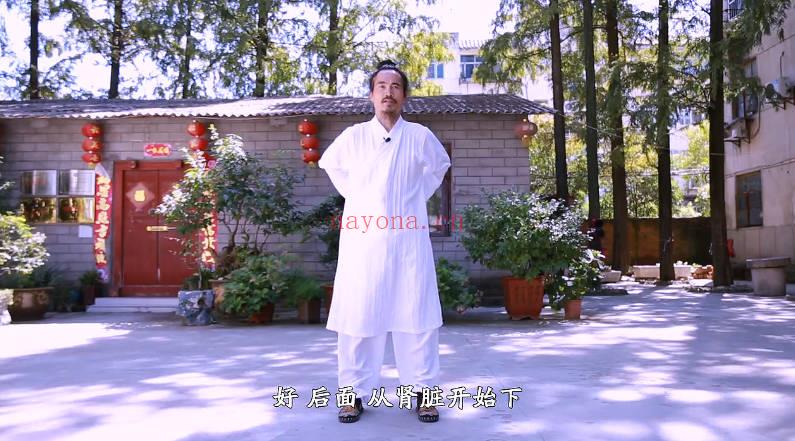
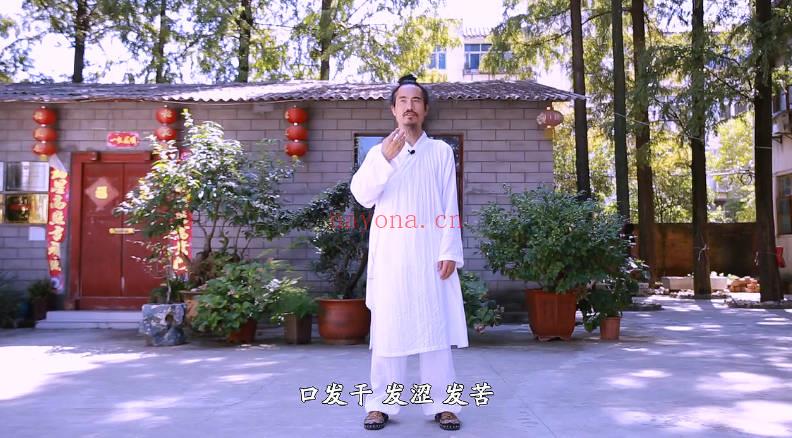
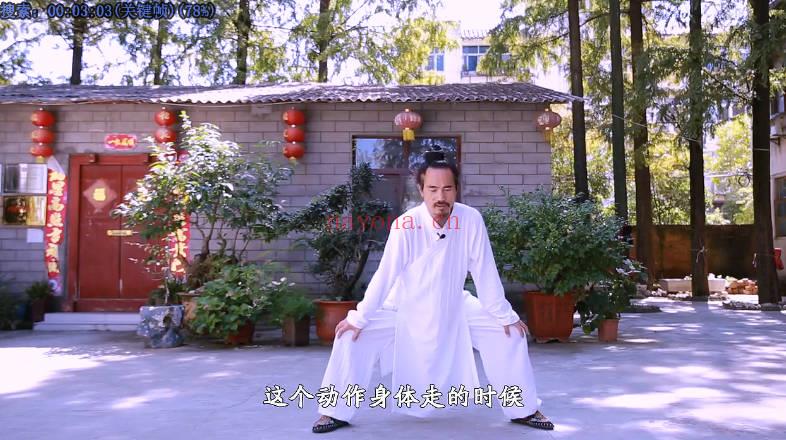
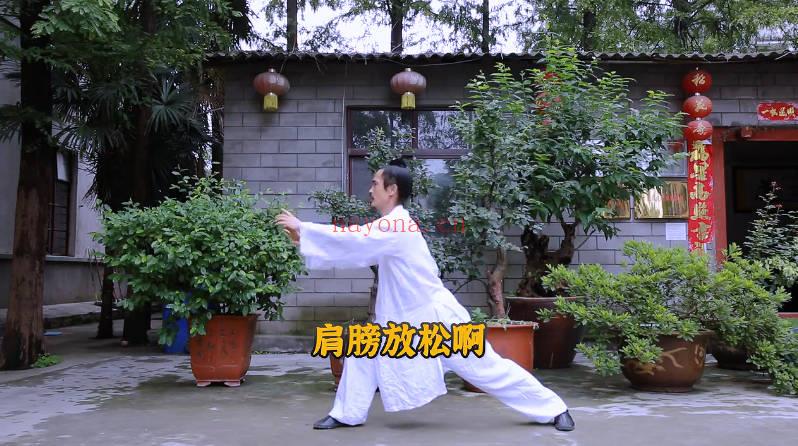
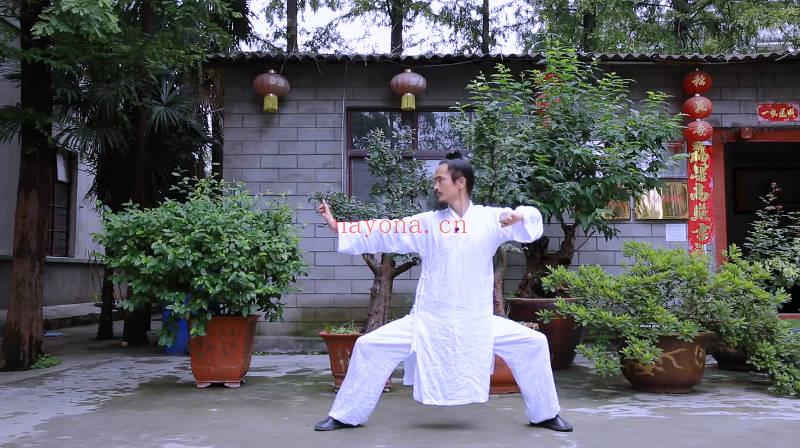
The original course images are retained in their recorded order for visual reference.

Who This Course Is For
Adult learners interested in Chinese movement, breathing and contemplative traditions. Begin gently and adapt the practice to your own mobility and experience.
Learning Format and Digital Delivery
Virtual, downloadable video course with no physical shipping. The store administrator will add or confirm the digital delivery link separately.
Practice Safety
Qigong is generally considered a low-risk activity when practiced appropriately, but movement and breathing exercises are not risk-free for everyone. Use a comfortable range, do not force the breath, and stop if you feel dizzy, faint, short of breath, have chest pain or feel unwell. People who are pregnant or have health or mobility concerns should ask a qualified healthcare professional about suitable modifications. See the NCCIH qigong overview.
Frequently Asked Questions
Does the course show all eight movements?
Yes. The directory lists separate instruction for all eight movements plus guided and complete routines.
Does this page promise medical results?
No. Traditional names are preserved, but this is an educational movement course rather than medical treatment.
Related Qigong Courses and Guides
Editorial Note
Karma Kismet translated and organized the verified course directory for English-speaking learners. Traditional health language has been edited so that it is not presented as a diagnosis, cure or guaranteed outcome.
Disclaimer
For cultural, historical and educational study only. This course does not diagnose, treat or prevent disease and does not replace medical care.
More Qigong Courses
- Complete Health Qigong Beginner Collection: 41 Videos
- Traditional Qigong Breathing Training: 23 Video Lessons
Following the Eight Movements One at a Time
This Wudang Baduanjin listing contains ten videos: one for each of the eight named movements, a guided practice, and a complete routine. The arrangement is well suited to close observation. Instead of trying to copy a full sequence immediately, a learner can examine how each part begins, changes direction, and ends. The Wudang and Baduanjin names identify the presentation of this course; the listing alone does not establish a detailed lineage history or a guaranteed effect from practicing it.
Eight Brocades titles are memorable, but they are not complete instructions. “Draw the Bow,” for example, gives an image for a movement while leaving questions about foot placement, range, timing, and comfort. The videos are the place to observe those details. A title can guide attention to a section of the routine without requiring a literal interpretation of its traditional imagery.
How the Ten Videos Fit Together
The directory lists separate instruction for movements one through eight, plus a guided session and a complete routine. The displayed list presents the individual movement titles in reverse numerical order, beginning with movement eight. That listing order does not change the conventional numbered sequence. A learner who wants to study the full form can start with movement one and work toward movement eight, then use the guided and complete recordings to see how the parts connect.
- Preview the complete routine once to understand its overall pace and length of sequence without trying to memorize it.
- Study movement one as a separate unit, watching the starting and finishing positions as closely as the central gesture.
- Add the next numbered movement only after you can recognize the transition between the two.
- Use the guided recording to hear how the movements are cued in succession.
- Return to the complete routine to compare the whole flow with your notes on individual parts.
This is a study method, not a required schedule. Some movements may be easy to recognize but harder to perform comfortably. Others may look complex yet become clearer after a second viewing. Let clarity and comfort guide the pace.
Noticing the Shape of Each Brocade
Opening and Direction
The first named movement, Two Hands Hold Up the Heavens, directs attention upward. The second, Draw the Bow, evokes a sideways gesture. The third, Raise One Hand, suggests an asymmetrical action. These names help a viewer distinguish sections of the sequence, but they do not tell the whole story of stance or timing. Watch where the hands begin and where they return, and notice whether the feet or torso change position as the movement develops.
Turning and Lowering
Look Backward and Sway the Head and Shake the Tail include words that might tempt a learner to move farther than is comfortable. Do not force the neck, spine, or hips to match an extreme interpretation of the names. Observe the demonstration’s actual range and remember that a recording cannot decide what range is suitable for you. Two Hands Hold the Feet likewise should be understood through the visible instruction and your own mobility, not as a requirement to reach a particular point.
Energy and Balance in the Final Movements
Clench the Fists and Glare Fiercely uses vivid traditional wording, while Bouncing on the Toes names a movement that may challenge balance for some viewers. The titles convey character but do not require strain. If a balance element is uncertain, watching without following along can still teach the order of the form. If you choose to move, keep a stable environment and use only a comfortable range.
From Separate Lessons to a Full Sequence
The guided practice and complete routine serve different study purposes. A guided session may help you recognize when to move from one brocade to the next. A complete performance can show the overall rhythm and transitions. Neither needs to be treated as a test. If you lose your place, stop and observe until you recognize a familiar movement again. The individual lessons remain available for revisiting a specific question.
To make a simple sequence map, write the eight movement names in numerical order. Next to each name, note one visual feature that distinguishes it from its neighbors. For example, a change in direction, a shift in hand level, or a different stance may be enough to orient you. Avoid writing technical details from memory if the video does not make them clear. Return to the recording and revise your note when you can see the transition more accurately.
Traditional Language and Realistic Expectations
Baduanjin belongs to a tradition in which movement names and explanations may carry symbolic or historical meanings. Those meanings are worth studying, but the name of a brocade does not prove a medical benefit. The course can help a viewer learn the visible order of this Wudang Baduanjin presentation and compare individual instruction with a full performance. It cannot promise improved health, diagnose a condition, or replace an instructor who can see and respond to the learner.
Practice can also vary across demonstrations bearing the same form name. If you have learned another version, compare the visible movements carefully before declaring one version authoritative. The point of this listing is the ten-video set described here. It provides a concrete example for study, while larger questions about history and variation require other reliable sources.
Comfort and Safety While Viewing
Begin by watching before moving. When following along, keep breathing easy and use a range of motion that does not cause pain. Avoid pushing a bend, twist, fist, neck turn, or toe movement because the title sounds dramatic. Stop if you feel dizzy, faint, short of breath, or otherwise unwell. People with balance, mobility, or other health concerns can ask a qualified healthcare professional about appropriate activity or adaptations. The same recording cannot suit every body in the same way.
There is value in observational learning even when a particular movement is unsuitable to perform. You can identify a sequence, understand its traditional labels, and compare instructional styles without attempting every gesture. That approach keeps cultural study open to more readers while respecting individual limits.
Who May Find This Course Useful
The set may suit an adult beginner who prefers to see each brocade separately before approaching the complete routine. It may also interest someone comparing a Wudang-labeled presentation with other Baduanjin demonstrations. A viewer seeking personal correction, clinical exercise guidance, or a documented history of a lineage will need sources and support beyond the ten listed videos.
Questions About the Wudang Baduanjin Set
Are all eight movements represented individually?
Yes. The listing names separate videos for movements one through eight, followed by guided practice and a complete routine.
Why are the movement titles shown from eight down to one?
That is the order in the displayed directory. A learner can still study them in numbered order from one to eight.
Should I copy the complete routine immediately?
You can watch it first as an overview. The separate lessons offer a way to examine unfamiliar parts before following the full sequence.
Do names such as “Glare Fiercely” mean I should strain?
No. The names are traditional labels. Use comfortable movement and avoid forcing the body or breath to match a dramatic phrase.
Does this course establish a health outcome?
No. It presents movement instruction and a full routine for study. Individual health questions require qualified professional advice.


